INTERNATIONAL · RUSSIA

ELBRUS.

Travellers booked this trip last time
Scroll
July 4 – 14, 2026
Trip Dates
10 Nights
Duration
12–14 Pax
Group Size
Boutique Hotels
Accommodation
7 Breakfasts
Meals Included
Mineralnye Vody
Fly Into
5,642 m
Summit Altitude
Summit Attempt
Headline Event

10 Handpicked OJ Experiences

We don't do the standard tourist checklist. Every experience below was chosen because it's the kind of thing you'll talk about for years.

01
Acclimatization ascents at Mount Cheget (3,000m) Day 2
02
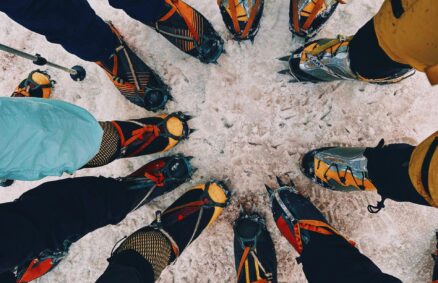
Ice axe & crampon training for technical climbing Day 4
03
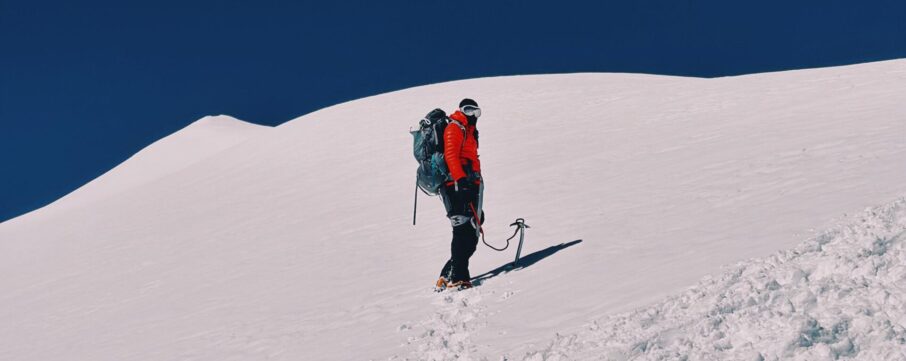
Summit push to 5,642m at midnight Day 7
04
High-altitude camp at Northern Shelter (3,750m) Days 3–4
05
Stone mushroom geological formations in the Caucasus Day 3
06
Glaciated terrain crossing with proper equipment Days 4–5
07
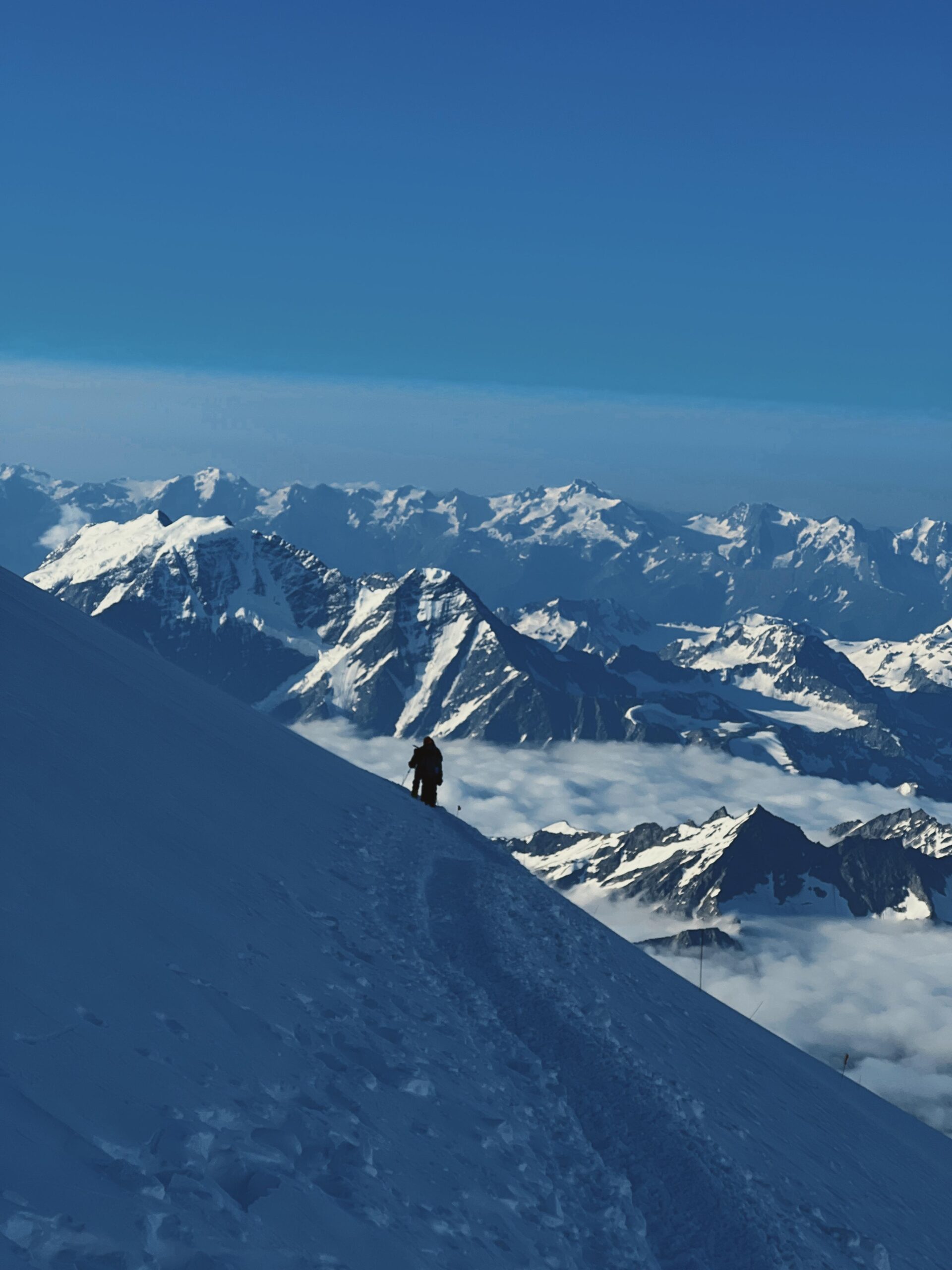
Summit panorama of the Main Caucasus Range Day 7
08
Descent via Emmanuel Glade and Dzhily-Suu gorge Day 8
09
Sultan waterfall & narzan thermal springs Day 8
10
Group summit bonding & lifelong alpine friendships Days 7–9

The Itinerary

Day 1

Arrival at Mineralnye Vody

Airport TransferHotel Check-inOrientation
Mineralnye Vody arrival Hotel orientation in Pyatigorsk Team orientation at Pyatigorsk

We arrive in Mineralnye Vody and transfer to our hotel in Pyatigorsk. After settling in, we'll meet the team, review the itinerary, and check our climbing gear. Evening orientation covers acclimatization protocols, daily routines, and an introduction to our guides.

Did You Know? Mineralnye Vody is Russia's premier mountain resort town, nestled in the North Caucasus and serving as the gateway to Mt. Elbrus.
Day 2

Acclimatization & Equipment Check

Gear CheckLocal ExplorationFitness Test
Mount Cheget slopes Cheget acclimatization hike Alpine training on Cheget

Full equipment check and fitting day. We inspect crampons, ice axes, helmets, and harnesses. A short acclimatization hike at lower elevation helps us gauge our fitness and adjust expectations. Evening includes a detailed briefing on summit day protocols and mountain safety.

Day 3

Transfer to Terskol & Base Camp

Drive to BaseCamp SetupPeak Views
Terskol base camp Mt. Elbrus routes overview Mt. Elbrus views from Terskol

Drive to Terskol village and establish our climbing base camp. We settle into our accommodations, unpack gear, and complete final equipment tests. Meet the local guides and porters. Evening is for rest and mental preparation as we gaze upon the magnificent Mt. Elbrus.

Day 4

Training Climb to Cheget Station

Technical TrainingCable Car AscentAlpine Conditions
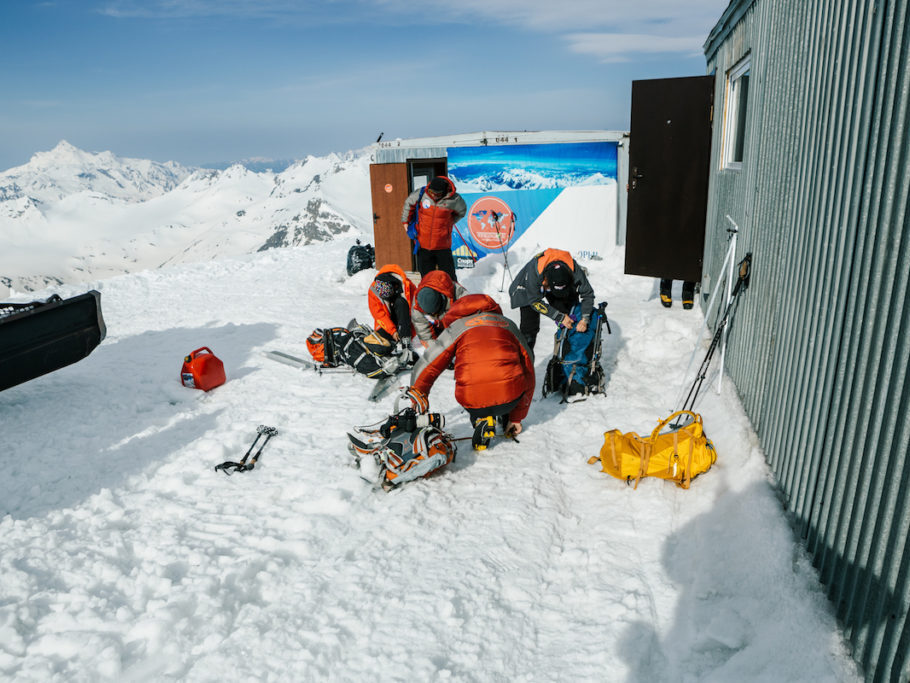
Shelter stay at high altitude High camp acclimatization Elbrus shelter views

Ride the cable car to Cheget Station (3,050m) and conduct technical training on alpine slopes. Practice rope work, self-arrest techniques, and movement on steep snow. This acclimatization climb prepares us for the summit push.

Day 5

Rest Day & Alpine Experience

Easy HikeScenic ViewsRecovery
Utro shelter at dawn, sky-high acclimatization

A recovery day with an easy walk through alpine meadows around Terskol. We explore the local landscape, enjoy the mountain air, and prepare mentally for the summit push. Evening includes final briefing on the summit day logistics.

Day 6

Night Summit Push – Elbrus Ascent

Midnight StartTechnical Climbing5,642m Summit
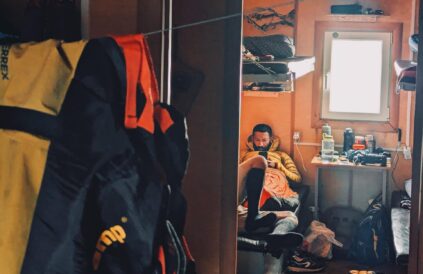
Rest day at base camp Relaxing before summit push Team resting at Terskol

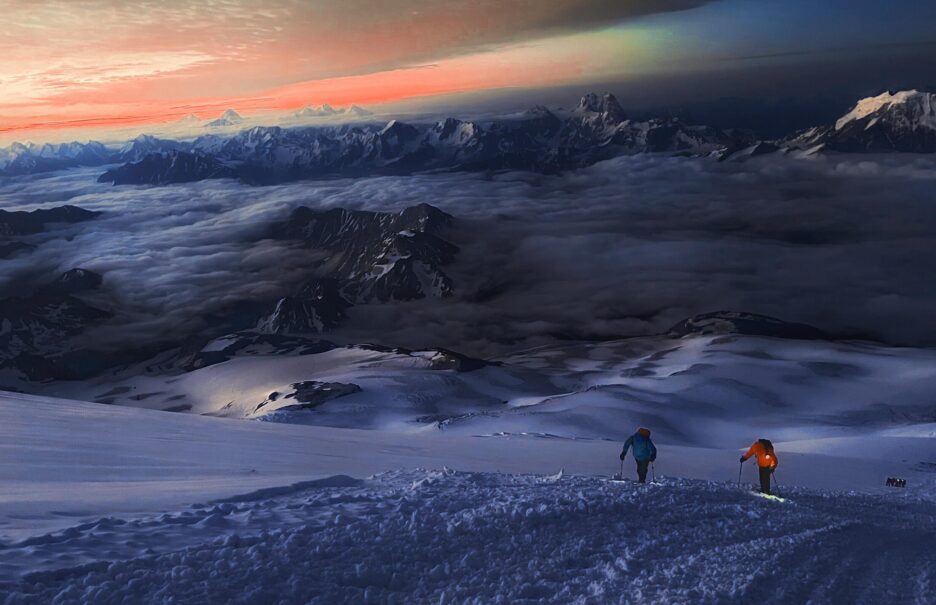
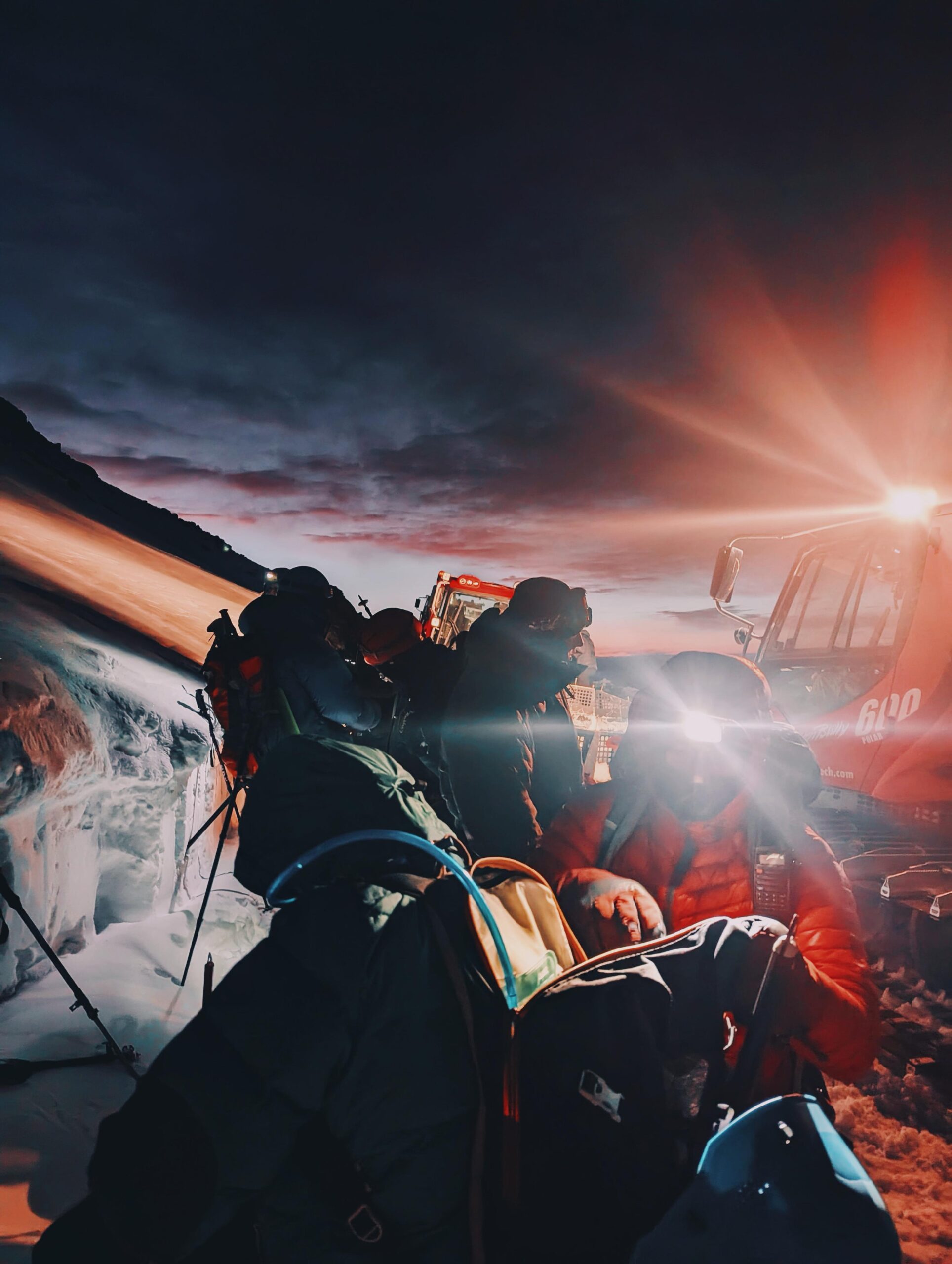
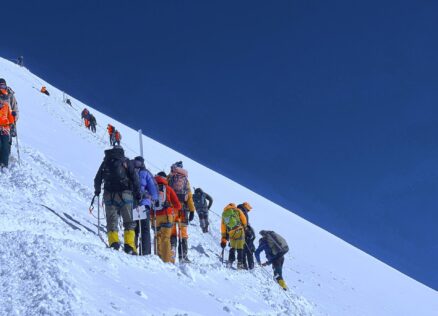
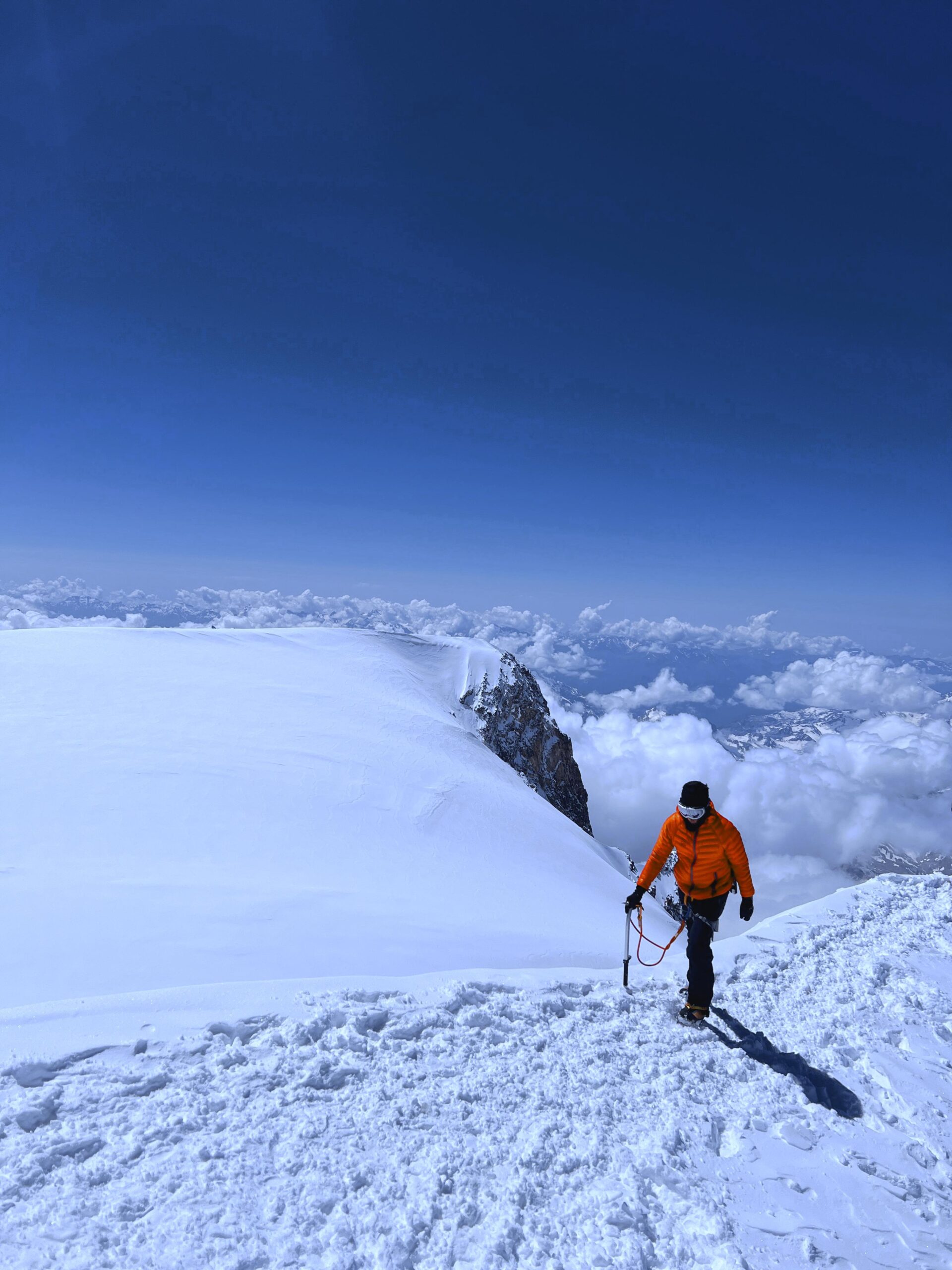
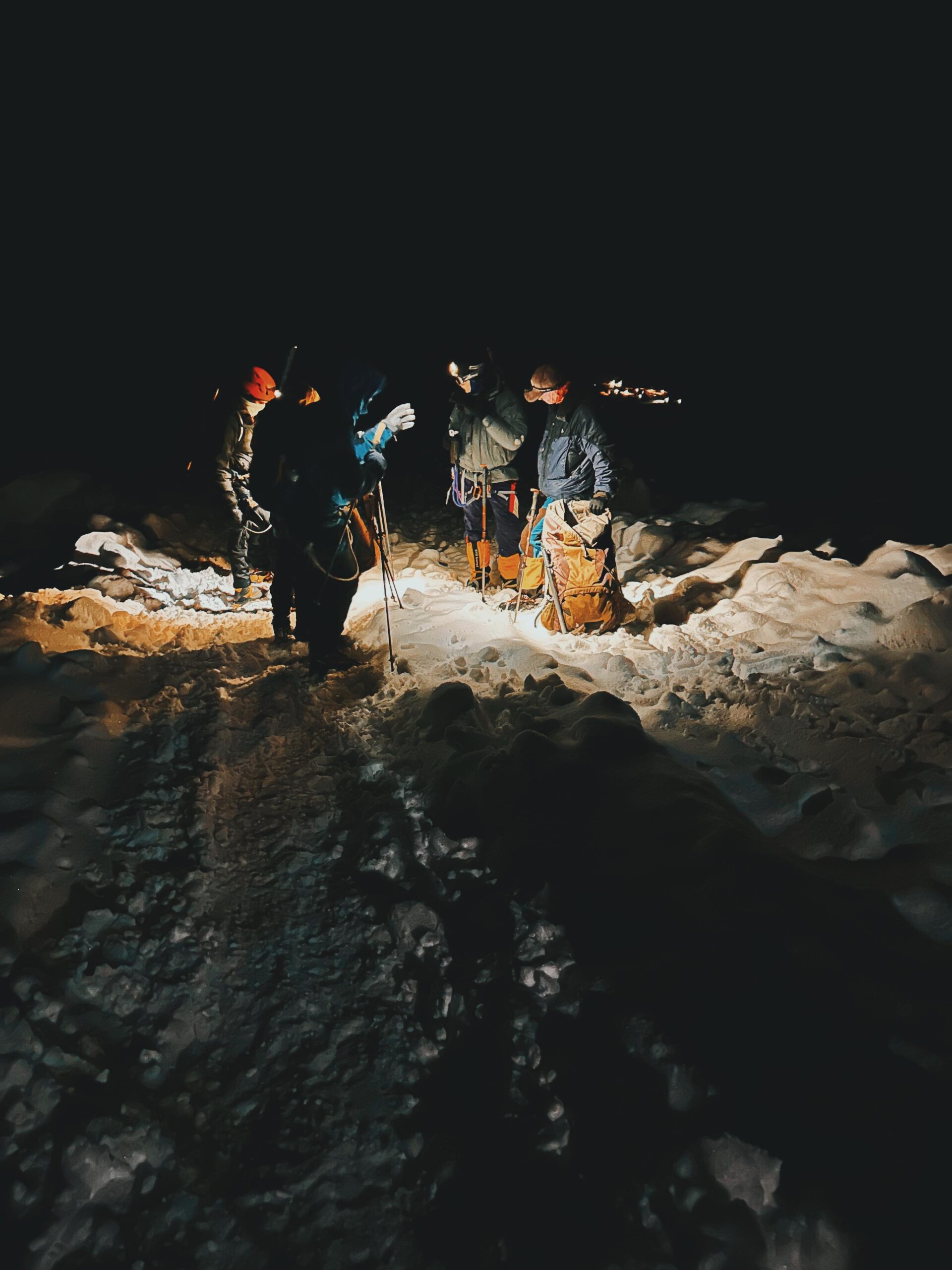
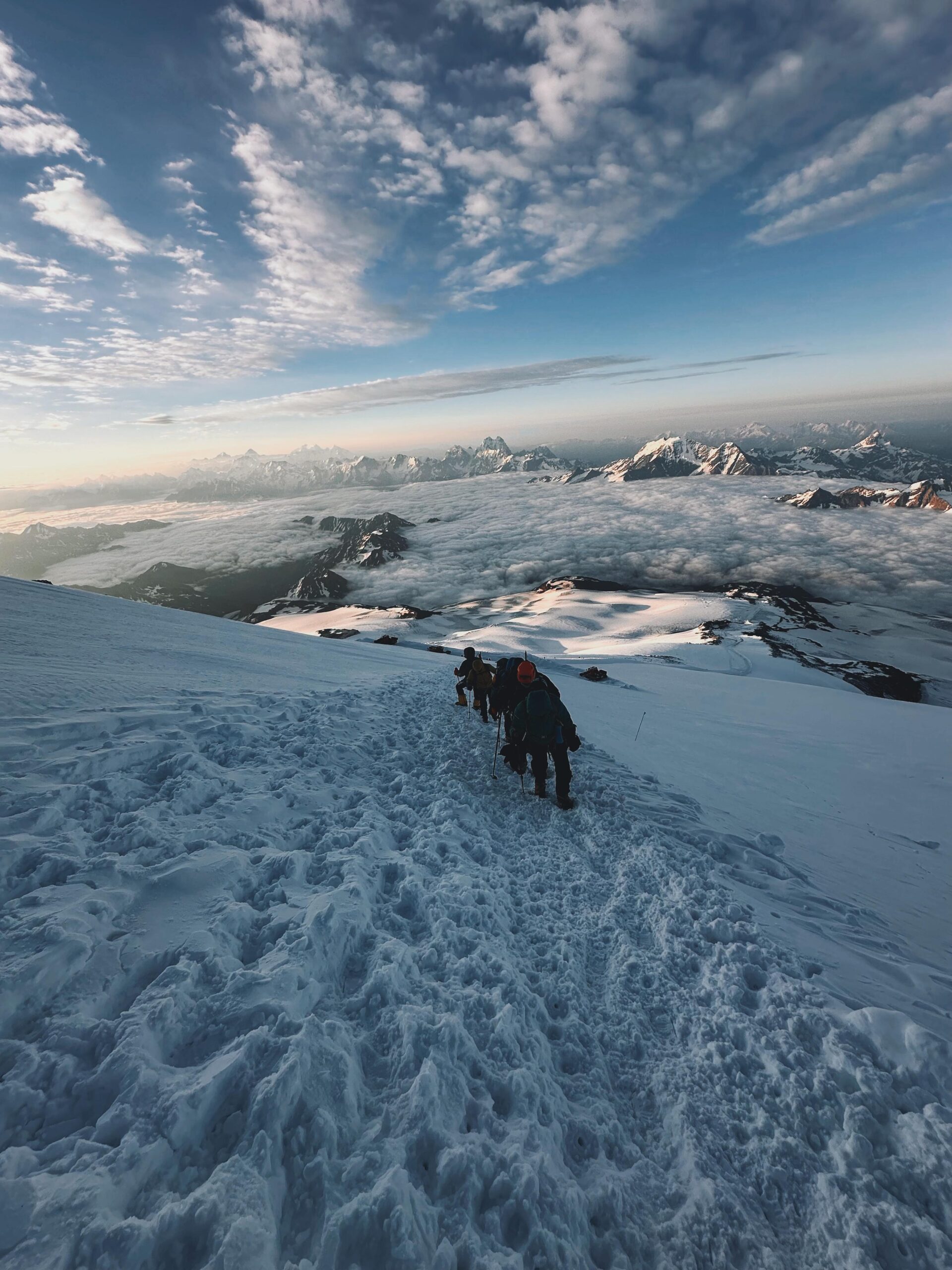
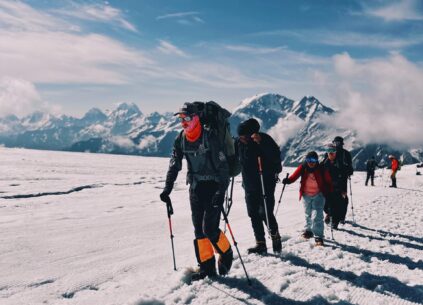
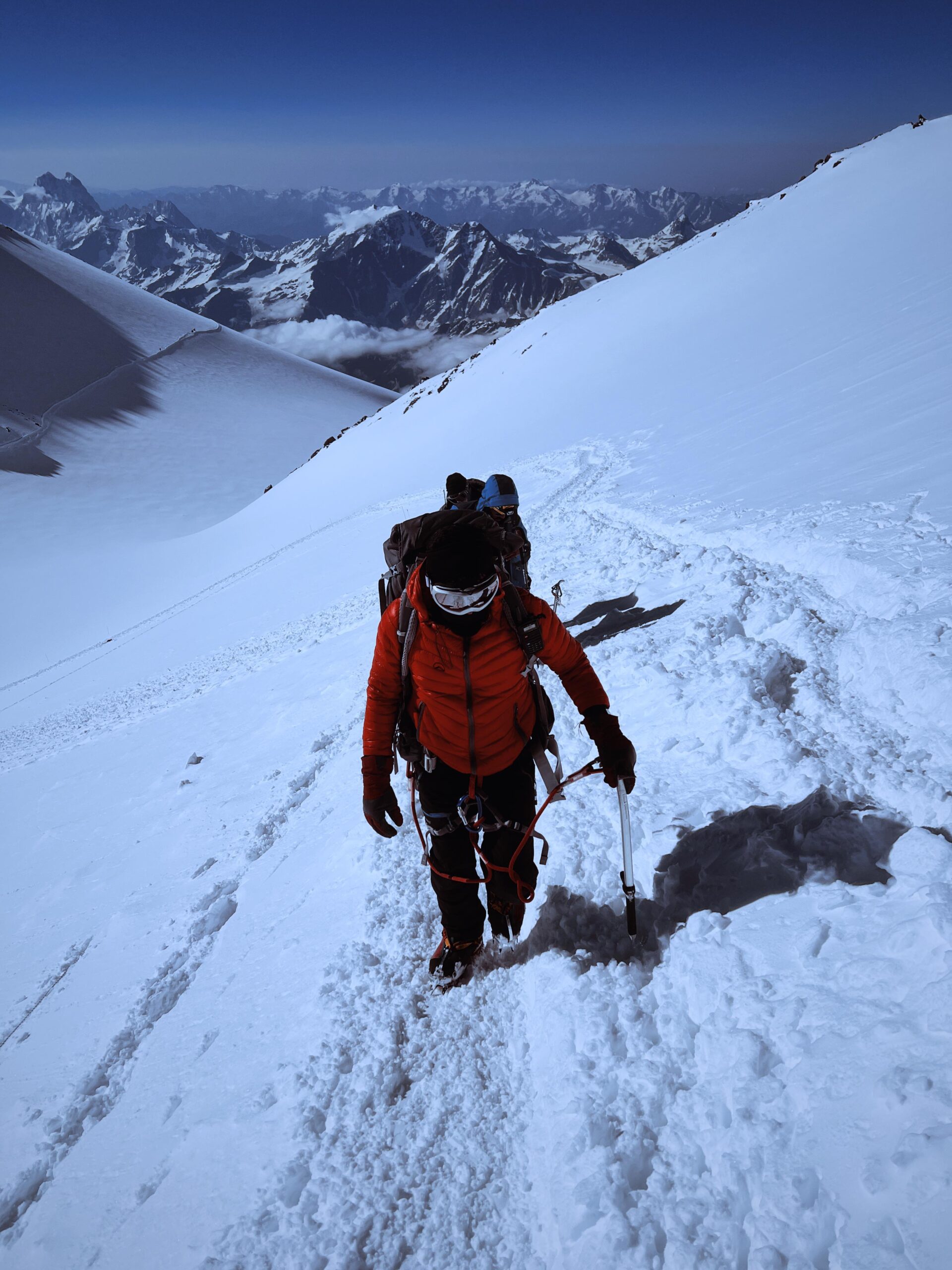
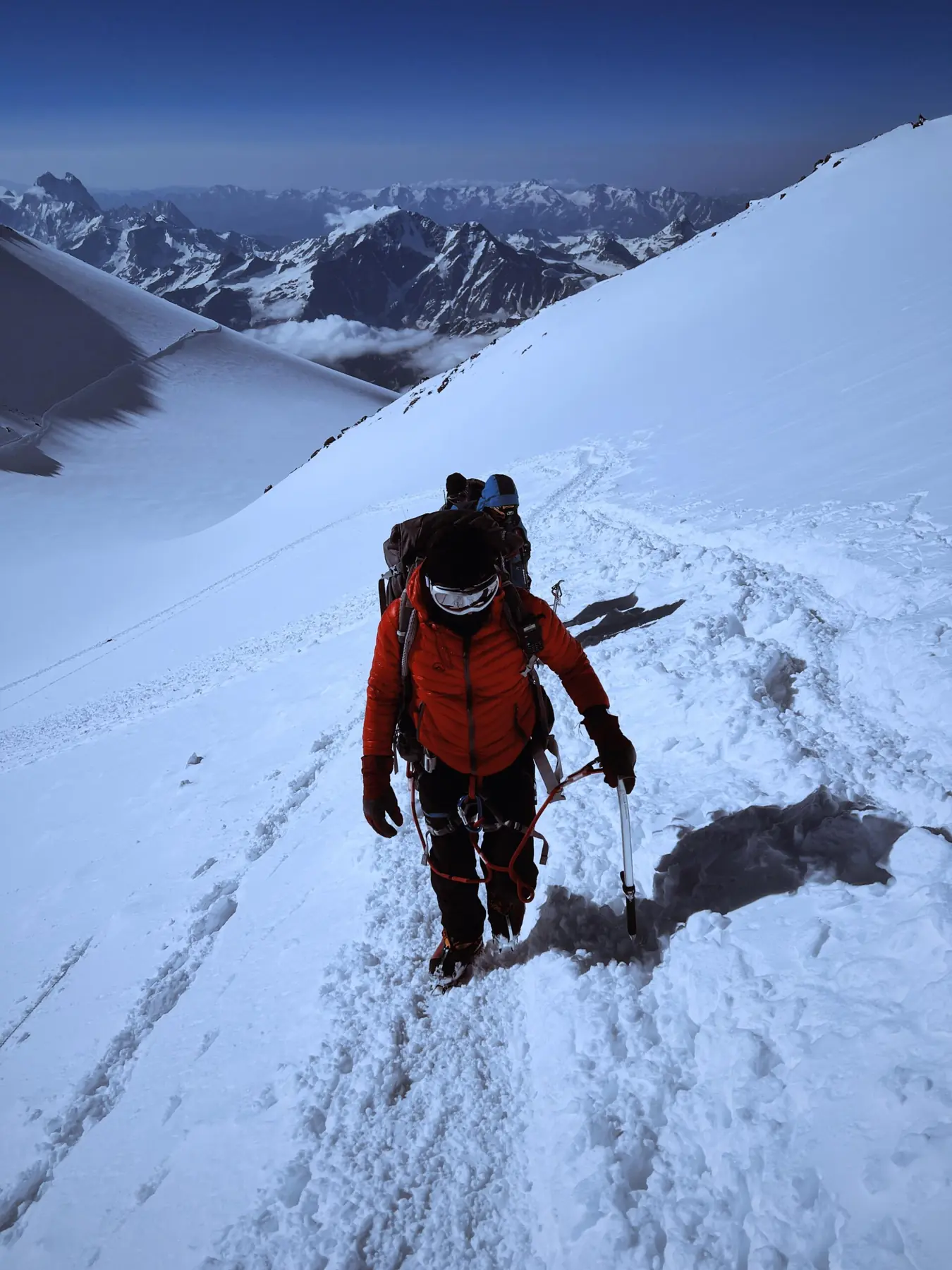
We depart at midnight from Terskol, arriving at Northern Shelter (4,200m) by early morning. After brief rest, we begin the technical summit push. Navigating crevasses, steep snow, and altitude, we reach Elbrus's West Summit as dawn breaks. After celebration and photos, the descent begins,a challenging 8-10 hour journey back to base camp.

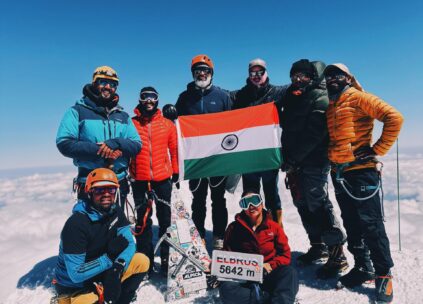
Did You Know? Mt. Elbrus is Europe's highest peak at 5,642m, with two summits (West and East). The climb takes 12-14 hours of intense effort in freezing temperatures.
Day 7

Recovery & Celebration at Base Camp

Summit CelebrationRest DayPhotos
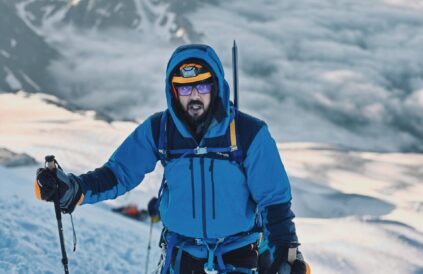
Summit day ascent Elbrus summit push Summit day, Elbrus West Peak

Recovery day at Terskol. We celebrate our summit success with the team, share stories, and rest. Light activities include exploring Terskol village and reflecting on our achievement. Evening features a celebratory dinner with our guides and porters.

Day 8

Return to Mineralnye Vody

Drive to CityShower & RelaxCelebration Dinner
Return drive from Terskol City evening in Mineralnye Vody

Final morning at Terskol. We drive back to Mineralnye Vody and check into a comfortable hotel. Hot showers and proper beds have never felt better! Evening includes a group celebration dinner at a local restaurant.

Day 9

Explore Mineralnye Vody & Local Culture
Thermal SpringsCultural SitesLocal Market
Mineralnye Vody culture

Explore Mineralnye Vody's famous thermal springs and spas. Visit historical sites and museums, enjoy local cuisine, and shop for souvenirs. This day allows us to experience the culture and heritage of the North Caucasus region.

Day 10

Departure

Airport TransferHomeboundMemories
Departure from Mineralnye Vody Final moments before flight home

Transfer to the airport for our journey home. With Elbrus summited and unforgettable memories etched in our hearts, we depart as a united team, forever bonded by this incredible expedition.

Day-by-Day Altitude Profile

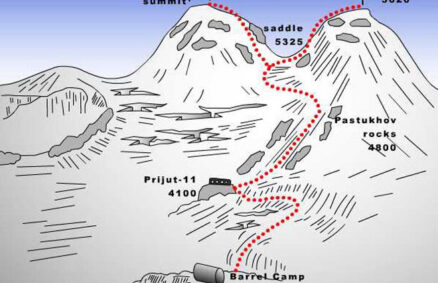
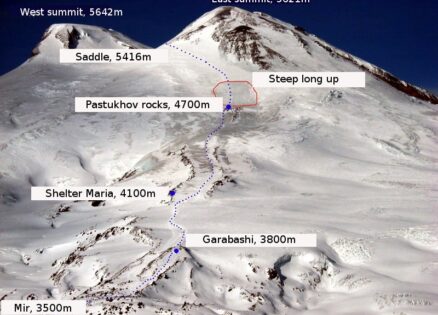
Acclimatization is the difference between a summit photo and a bad story. Here's how we step the body up to 5,642m and back, the same climb-high-sleep-low pattern Russian guides use.

Acclimatization
Summit Push (5,642m)
Descent & Return

Lock In Your Price

Secure your spot with a small slot-blocking fee. EMI options available.

Rupee amounts are indicative, converted live. We lock the USD rate for 7 days when we send your balance payment request, so the INR you pay is fixed, not moving with the market.

Coming with other people? save ₹3,000 each

On any international group trip, get 2 friends to join you on the same batch and all three of you save ₹3,000 each.

Block your slots →

Booking as a three? Tell us right after you block, and we will take ₹3,000 off each on your balance payment.

Inclusions & Exclusions

Inclusions
Lodging
All Transportation
All Meals on the trek
Visa
One group transfer from airport
Trained outdoor leaders
Permits
Certificate of summit
Ski lift for luggage transfer
Exclusions
Mineral Water or any other room service
Cost of any Extra Day
Flight tickets to MRV and back to home city
Meals in the city ( Pyatigorsk)
Any expenses due to deviation from itinerary
Government tax (GST) and Payment gateway charges ( Credit card/ EMI option )

What Trippers Say

5.0 Google Rating
★★★★★

"Orangejacket guys are best in class. I recently completed my Mt. Elbrus summit thanks to them. They make sure that all things right from ticketing visa and prep etc and most importantly have a very professional tie up with local partners."

S
Sashi Kanth
Mt. Elbrus
Click here to read what our trippers have to say →

Frequently Asked Questions

Do you have a cancellation policy?

+
If Plans Change, We've Got You We totally get it, life happens, and sometimes your plans have to take a rain check. That's why we've kept our cancellation policy simple, transparent, and as kind as possible.

• 45+ days before the trip: 10% cancellation charge
• 30–44 days before the trip: 25% cancellation charge
• 15–29 days before the trip: 50% cancellation charge
• Within 14 days of the trip: 100% cancellation charge

These are calculated on the total trip amount, not just the token amount.

Now, if you can find someone to take your spot, we'll happily refund your full amount. No questions asked. Because at the end of the day, we'd rather have someone travel than hold back your money.

To keep your spot confirmed, please clear the remaining balance by the due date, it helps us lock in stays, permits, and experiences for the group. If payments are delayed beyond that, we'll have to treat it as a cancellation (same policy applies).

How much cash should we carry?

+
You can carry 8k to 10K for your personal expenses.

What should you bring?

+
Mandatory: Original ID Proof (Passport)
  1. Down jacket or any zero degree equivalent
  2. 2 pair of thermals
  3. 3 quick dry t shirts full sleeves
  4. 2 quick dry (Polyester) pants
  5. Wool cap and wool socks (1 pair)
  6. 4-5 cotton socks
  7. Sun cap and goggles
  8. Personal medications if any
  9. Water bottle
  10. Woolen gloves
  11. 2 fleece
  12. Warmees (optional)
  13. Rain coat/poncho
  14. Toiletries
  15. Head torch
  16. High ankle water proof hiking shoe
  17. 45 L trekking bag
  18. A Lunch Box
All other technical equipment can be rented out from our base camp for under 10k (Boots, down pants, harness, helmet etc.).

I am coming solo. Is that a problem?

+
Most people come alone for my trips. About 25% of the people bring a friend or partner. Honestly it really doesn't matter. I have seen on all the batches I have lead. Most people really gel with everyone, even the ones who thought wouldn't gel up, surprise themselves always with the way they got comfortable with everyone.

Your itinerary looks difficult for me. Can I do it?

+
Each trek/trip is rated according to the number of days we spend outdoors. If you aren't sure where to start, go with an easy trip or trek.

For trips: I dreamed of trips where we could go out hike, get exhausted, come back to hotel and have a great evening. This is exactly why some of my trips have Day hikes in it. It is a perfect chance for people who have never hiked in their entire life. Don't worry, We are there :).

For treks: you can start with Sandhakphu or Chandrashila. You can also benchmark yourself for the treks.
  • If you can run for 30 mins and cover around 3-3.5 km, then you can go ahead with an easy trek
  • If you can run for 30 mins and cover around 3.5-4 km, then you can go ahead with an moderate trek
  • If you can run for 30 mins and cover around 4-5 km, then you can go ahead with an difficult trek
If you have never done a high altitude trek, then start with a easy or Easy-moderate trek. That way you will understand how your body reacts to high altitude and you can check you cardio strength too.

What are trips like?

+
Usually, most batch sizes are between 12-20 people who are aged between 16-38. Most people come alone or with a friend. The trip would feel like you are travelling more with college friends than strangers. We tend to do more outdoorsy things than regular trips.

For example: If we find a very pretty waterfall / a beautiful sunset / Rainbow on the way. We would stop the vehicle right away to catch the beauty of it.

We usually sleep very late on these trips as we play a lot of group games and most people feel they will miss the precious time with the group members and decides to stay awake.

I haven't heard about this company before, where can I read more?

+
Here are few places you can read more about the brand and trips:
  • Testimonials
  • About me
  • Instagram page

Flight & Visa Considerations

Flight & Visa Guide
View Flight & Visa Guide →