Best Time to Visit
Best Time to Visit Trans-Siberian Railway (Russia) From India
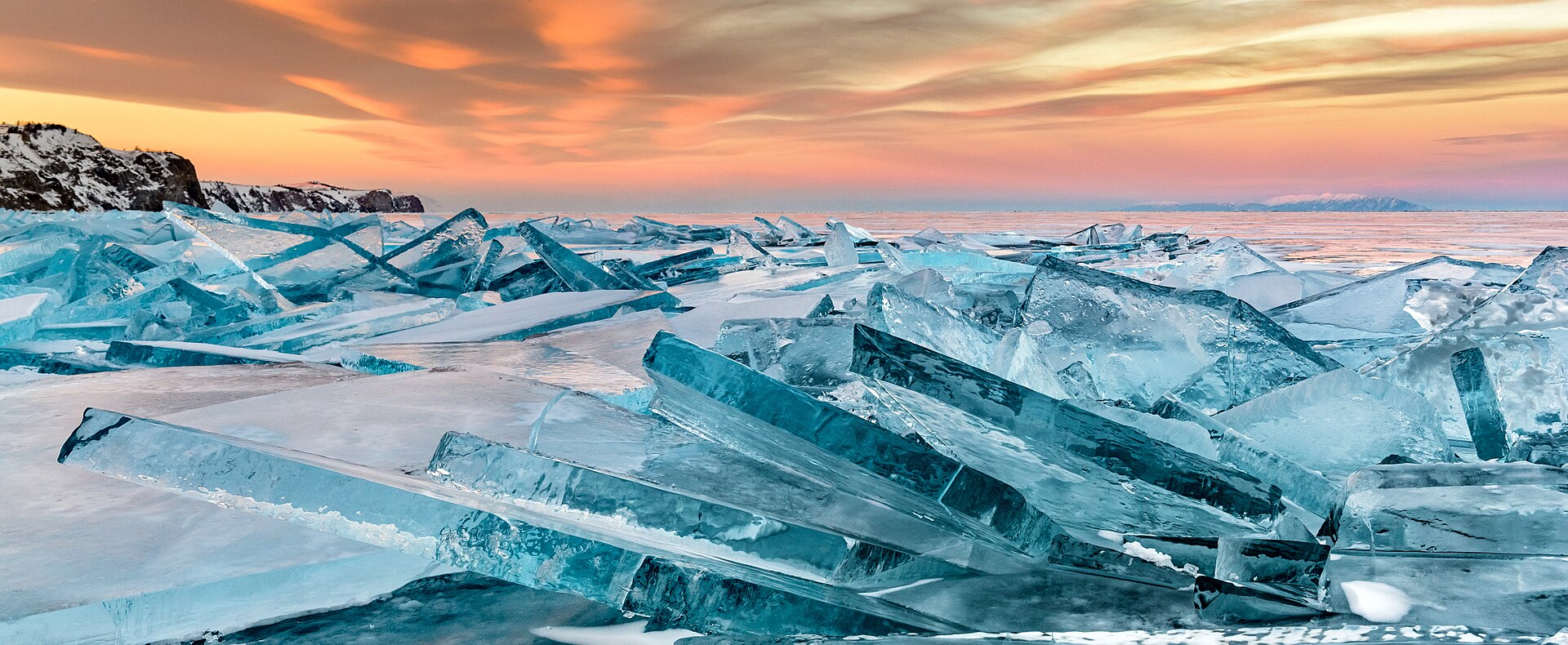
The Trans-Siberian Railway runs all year but only summer (June to August) makes it a tourist experience worth the multi-week commitment. Summer brings long days (Moscow about 17.5 hours at the June solstice), comfortable train temperatures, and accessible stops including Lake Baikal at peak freshwater clarity. Winter Trans-Siberian is for the genuinely committed: minus 30C at stations, frozen Lake Baikal accessible for ice driving but austere conditions.
Go in
June, July, August
Skip
December, January, February
Month by month: weather, events, crowds
| Month | Weather | Events | Rating |
|---|---|---|---|
| January | Brutal minus 30 to minus 10C across Russia | Russian Orthodox Christmas Jan 7, frozen Lake Baikal | 2/5 |
| February | Same as January, peak winter | Maslenitsa pancake festival | 2/5 |
| March | Still cold minus 15 to 0C, late winter | Off season | 2/5 |
| April | Transitioning 0 to 13C, mud season | Off season tail | 2/5 |
| May | Spring 8 to 19C, Lake Baikal thawing | Victory Day May 9 (Moscow parade) | 4/5 |
| June | Warm 13 to 23C, white nights in St Petersburg | White Nights Festival St Petersburg, summer season starts | 5/5 |
| July | Ideal 16 to 26C, long days (under 18 hours in Moscow) | Peak tourist season | 5/5 |
| August | Warm 14 to 24C, slight cooling end-month | Late summer, last good window | 5/5 |
| September | Autumn 8 to 18C, transitioning | Late season, fewer travellers | 4/5 |
| October | Cool 2 to 11C, early winter | Off season approaching | 3/5 |
| November | Cold minus 5 to 5C, winter setting in | Off season | 2/5 |
| December | Brutal cold minus 20 to minus 5C | New Year Russian celebrations | 2/5 |
India-specific timing notes
Direct flights from BLR, BOM, DEL to Moscow on Aeroflot (limited frequency) or via Doha or Dubai. The Trans-Siberian itself runs Moscow to Vladivostok over 6 to 8 days; most trips do 14 to 18 days total including stops at Yekaterinburg, Irkutsk plus Lake Baikal, Ulan-Ude, Vladivostok. Indians can use Russia's unified e-visa: apply online, no invitation letter, decision within 4 calendar days, about USD 52, stay up to 30 days. Total trip cost INR 3L to 4.5L. The OJ Trans-Siberian trip runs 6 to 24 Feb 2027 (19 days).

Frequently asked
How long is the actual Trans-Siberian train journey?
Moscow to Vladivostok end-to-end is 9,289 kilometres over 6 to 8 days on the train without stops. Most tourists break the journey into 4 to 6 stops over 2 to 3 weeks, sleeping at hotels for some nights and sleeper cabins for others. The OJ trip is a 19-day winter trip (6 to 24 Feb 2027), with 10 or 12-day halves.
What is the best month to do Trans-Siberian?
July. Peak summer with long days (Moscow gets about 17.5 hours of daylight at the June solstice), comfortable train temperatures, Lake Baikal at peak freshwater clarity, and St Petersburg in the white nights festival period (if your trip starts there). June and August are close second choices. Avoid December to February unless you specifically want the winter experience (frozen Lake Baikal is dramatic but minus 30 at stations is austere).
Is Lake Baikal the highlight?
For most travellers, yes. Lake Baikal is the deepest, oldest, and largest freshwater lake in the world. In summer the water is exceptionally clear and the surrounding hills are accessible for hiking. Olkhon Island offers ger camp stays and shamanic culture.
What is the train accommodation like?
Three classes typically available. First class (Spalny Vagon) is 2-berth cabin, premium pricing. Second class (Kupe) is 4-berth cabin, the standard tourist choice. Third class (Platzkart) is open carriage with curtained bunks, the cheapest. The OJ trip uses platzkart, not first class. Bunks have bedding provided. Each carriage has a shared toilet and a samovar for hot water.
What does the OJ Trans-Siberian trip include?
OJ's Trans-Siberian trip runs 6 to 24 Feb 2027 (19 days, or 10 or 12-day halves), USD 2,500 to 6,950 land only, international flights not included. Trains are platzkart, not first class.