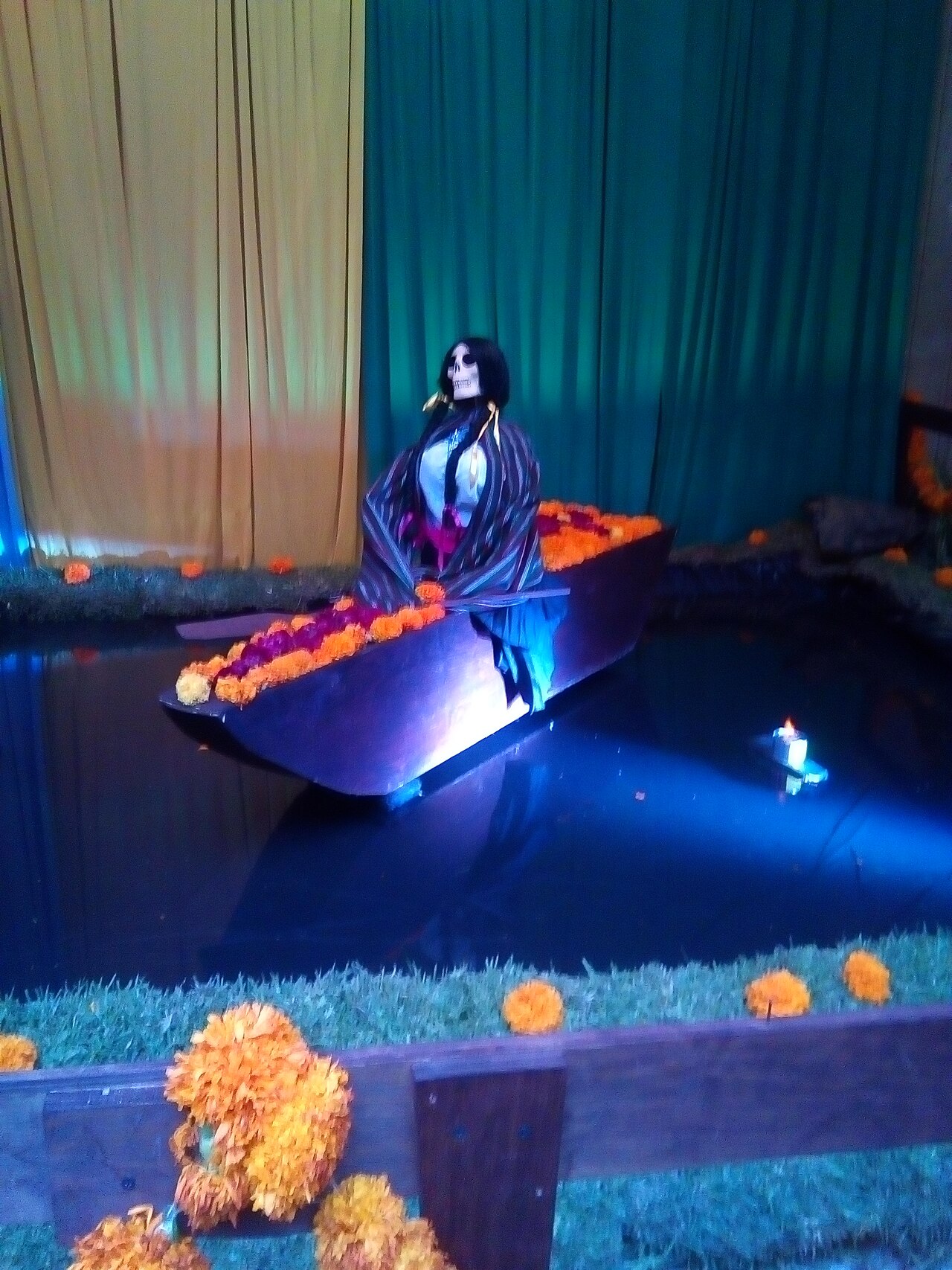
The first thing to understand about Mexico's Dia de los Muertos, the Day of the Dead, is what it is not. It is not Halloween, not spooky, not morbid, and not a celebration of death. It is a joyful, tender reunion with the people you have loved and lost, who, for two days each year, are believed to return to spend time with the living. It is one of the most beautiful and life-affirming festivals on earth, and it deserves to be understood, not just photographed.
A celebration of love, not of death
On the first and second of November, Mexican families welcome back the souls of their departed. The belief is gentle and warm: that the dead are not gone but simply elsewhere, and that on these days the veil thins and they come home to be remembered, fed, and celebrated. There is grief in it, of course, but it is wrapped in joy, in music, food, and laughter, because the point is not to mourn the dead but to keep them present, to honour them, to throw them a welcome rather than a wake.
This worldview is ancient, blending indigenous beliefs that long predate the Spanish with the Catholic calendar of All Saints and All Souls, and it has been recognised by UNESCO as a masterpiece of humanity's intangible heritage. It reflects a Mexican relationship with death that is famously unflinching and even affectionate, a refusal to treat the departed as taboo, choosing instead to laugh and feast with their memory.
The Day of the Dead is not about death at all. It is about love that outlasts it, and a refusal to let the people you lost become strangers.
On Dia de los Muertos
The marigolds, the altar, and the skulls
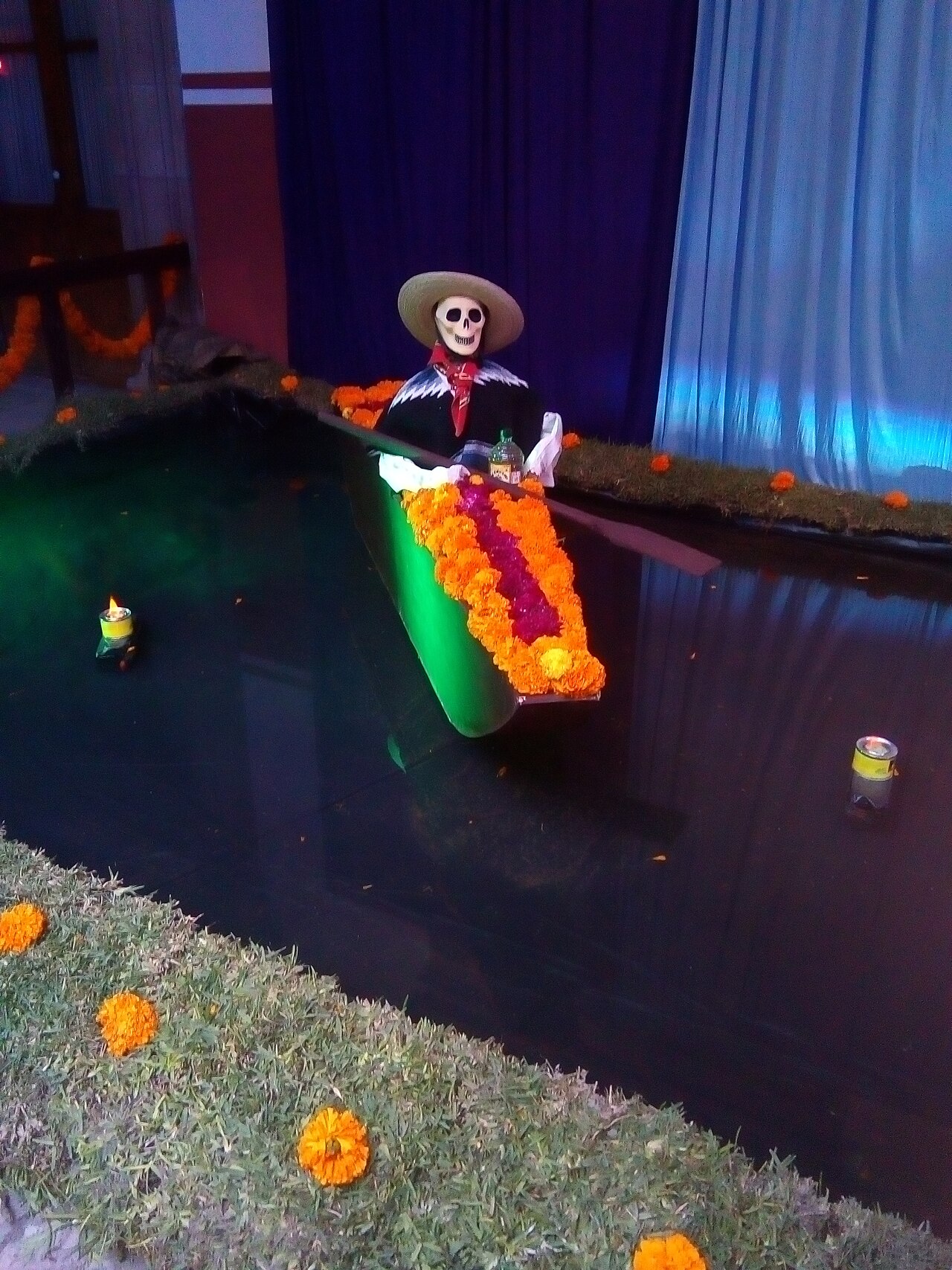
At the heart of the festival is the ofrenda, the altar that families build in homes and cemeteries to welcome their dead. It is laden with photographs of the departed, their favourite foods and drinks, candles, and above all cempasuchil, the bright orange marigold whose colour and scent are believed to guide the souls home, often laid in paths of petals leading the way. The altar is a labour of love, personal and specific to the people it honours.
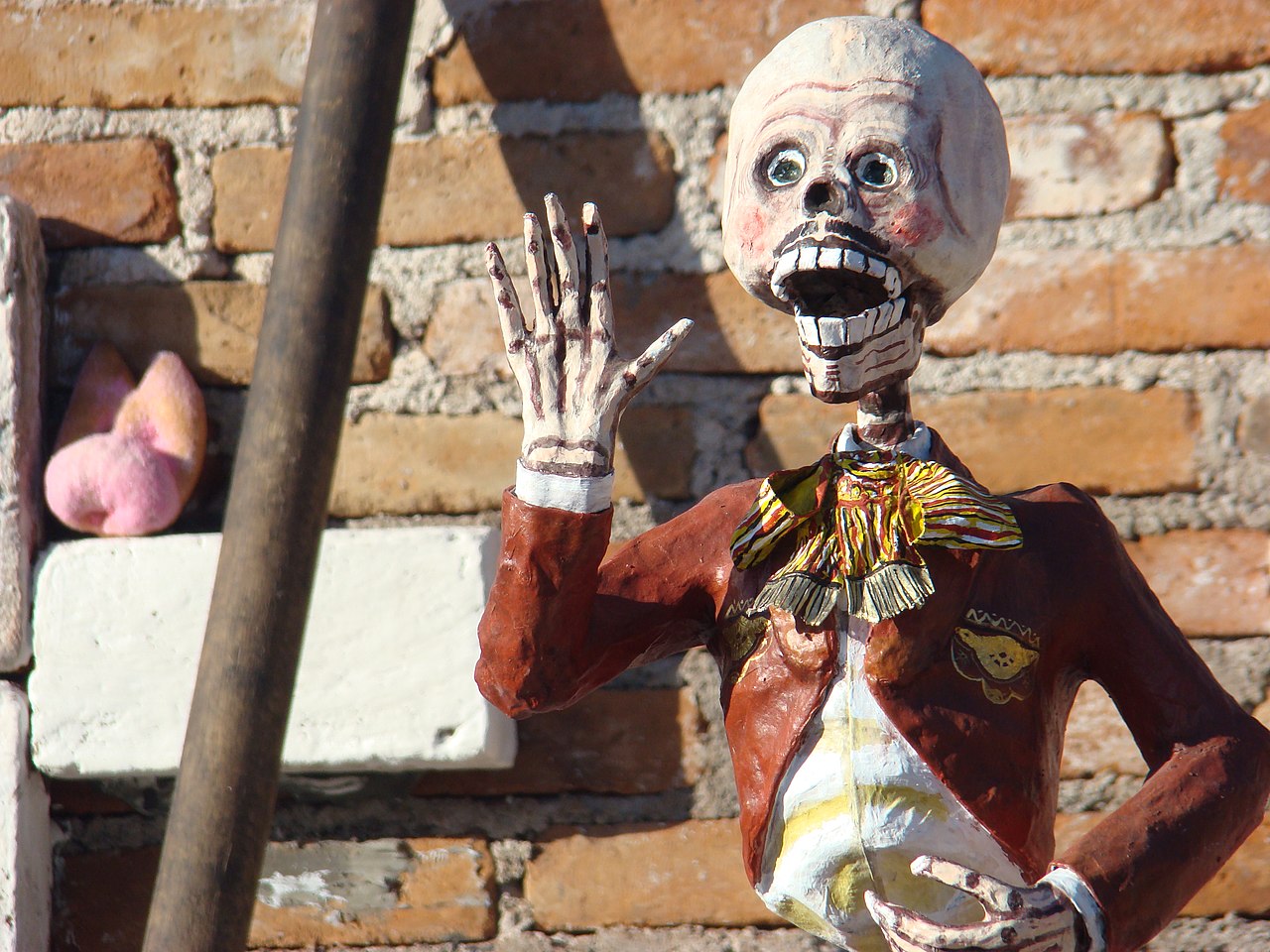
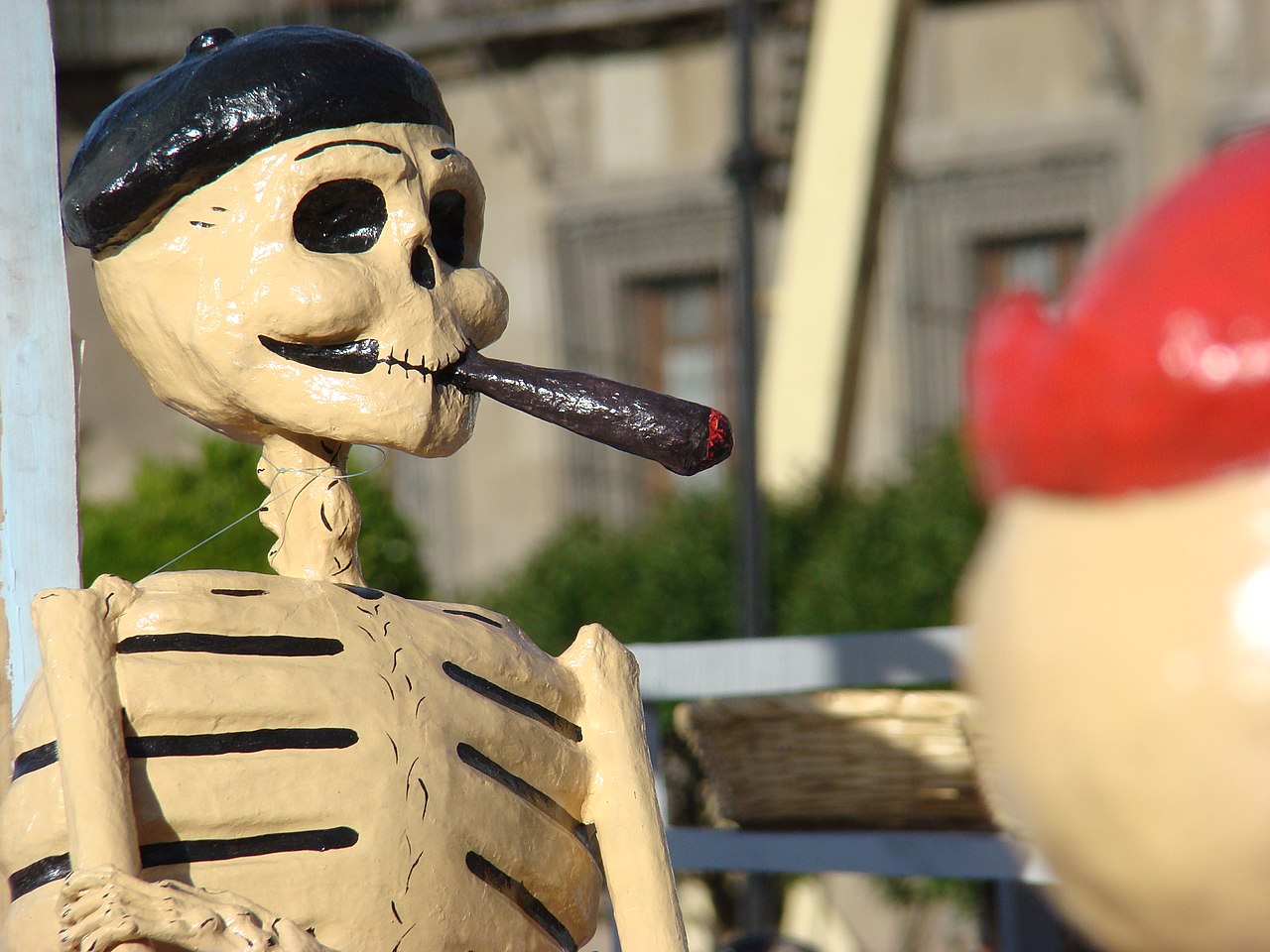
Then there are the famous images: the calaveras, sugar skulls, brightly decorated and sometimes inscribed with names, and pan de muerto, the sweet bread of the dead. And the iconic painted faces, modelled on La Catrina, the elegant skeleton figure that has become the symbol of the festival, worn not to frighten but to celebrate, a reminder that death comes for the grand and humble alike and so is nothing to fear. Cemeteries fill with families who clean and decorate graves, light candles, bring food, and sit through the night with their dead, in places like Oaxaca and the lake town of Patzcuaro, where the vigils are especially moving.
How to witness it with respect
- Remember it is sacred and personal. The cemetery vigils are intimate family moments of remembrance, not a tourist spectacle. Watch quietly and respectfully.
- Always ask before photographing families, altars, or graves. Consent matters deeply at such a personal time.
- Do not treat it as Halloween. Skip the spooky framing. This is about love and remembrance, and locals notice the difference.
- Oaxaca is the heartland. The city and surrounding villages host the most renowned and elaborate celebrations.
- Engage, do not just consume. Learn the meaning, support local artisans and food, and approach it as a guest at someone's act of remembrance.
A different way to face loss
For visitors from cultures that hide death away, Dia de los Muertos can be quietly transformative. It offers a vision of grief that is not dark but luminous, where the dead are kept close rather than locked away, where remembering is an act of joy. To witness a family laughing and singing at a candlelit grave, surrounded by marigolds, is to encounter a wisdom about love and loss that stays with you long after you leave Mexico. It is, in the end, less about the dead than about how the living choose to remember them.
Most cultures flinch from death. Mexico sets a place for it at the table, fills the table with marigolds, and invites the whole family, living and dead, to dinner.
We do not yet run a trip to Mexico, and we will not pretend otherwise. But the same spirit, of meeting a culture's deepest traditions with respect rather than as a spectacle, runs through everything we do across the Americas. The OJ Brazil and Peru trip carries that ethos through the carnival, the Andes, and the living indigenous cultures of South America. Because whether it is a Mexican cemetery aglow with marigolds or an Andean offering to the earth, the gift of travel is the same: a window into how other people make sense of the things we all face.
Frequently asked
Is the Day of the Dead the same as Halloween?
No. Despite the timing and the skull imagery, Dia de los Muertos is not Halloween. It is not spooky, morbid, or about scaring people. It is a warm, joyful Mexican tradition of welcoming back and honouring departed loved ones on the first and second of November, with altars, marigolds, food, and remembrance. It celebrates love that outlasts death.
What is an ofrenda?
An ofrenda is the altar families build to welcome their dead during Dia de los Muertos, in homes and at gravesides. It holds photographs of the departed, their favourite foods and drinks, candles, and bright orange marigolds, cempasuchil, whose colour and scent are believed to guide the souls home. Each ofrenda is personal to the people it honours.
How should tourists behave during Day of the Dead?
Treat it as the sacred, personal occasion it is, not a spectacle. The cemetery vigils are intimate family moments, so watch quietly and always ask before photographing people, altars, or graves. Avoid framing it as Halloween, engage with its real meaning, and support local artisans and food. Oaxaca is the most renowned region to witness it respectfully.