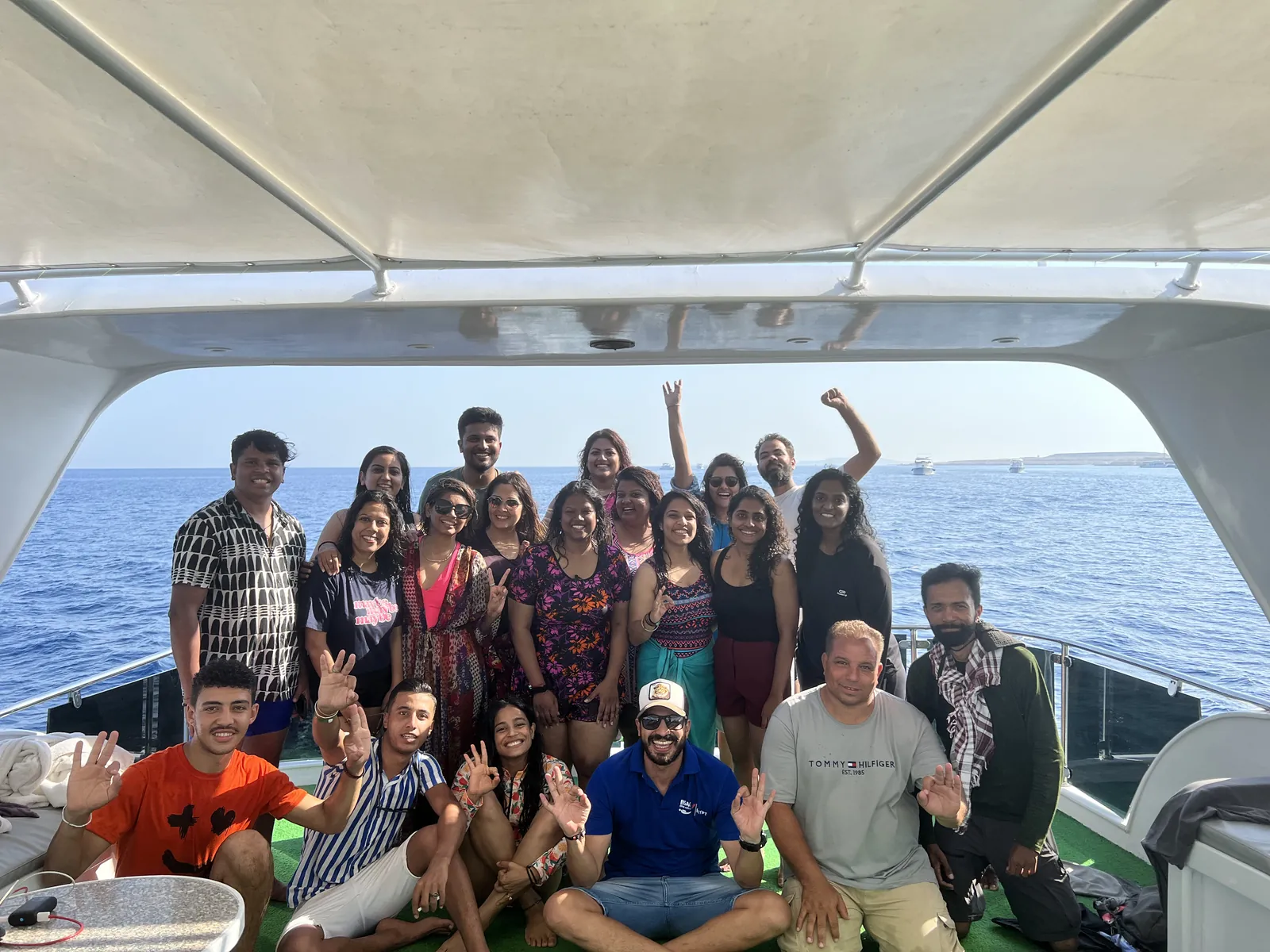
Send these in one message before you pay anything. Any operator worth booking answers all twelve in a single reply without getting defensive. How long they take, and how specific they are, is a better predictor of your week than any review page. What follows is each question, why it matters, and what a good answer sounds like.
About the group
1. What is the hard cap on group size for this departure? Good answer: a number, in writing. Bad answer: usually around, typically, it depends.
2. Roughly what share of this group booked solo? Good answer: a rough percentage. Bad answer: everyone gets along.
3. What age range do you actually see on this trip? Good answer: a band, and an admission that it varies. Bad answer: all ages welcome.
4. How many people are currently booked on this departure? Good answer: a number. This also tells you whether the trip is at risk of not running.

About who runs it
5. Does a trip leader from your company travel with the group? Good answer: yes, and here is their name. Or an honest no, and here is who you will meet instead.
6. How many times have you run this exact trip? Good answer: a number and a season. Bad answer: we have been doing this for years.
7. Who handles things on the ground at the destination? You are checking whether you have booked an operator or a reseller. Both can work. You should know which.
Ask how many times they have run this exact trip. Not similar trips. This one. The pause before the answer is the review.
About money
8. What exactly is included, and what is not? Flights or land only, visa support, insurance, entrance fees, tips, the activities pictured on the page. This is where quotes that look different turn out to be the same.
9. What happens if the departure does not fill? Full refund, credit, or run anyway with a smaller group. All three are legitimate. Not knowing is not.
10. What is the cancellation policy, in dates and percentages? Get the actual schedule, not a link to a page you will not read.
About when it goes wrong
11. Is travel insurance included, and does it cover the activities on this itinerary? Diving, trekking above a certain altitude and skydiving are frequently excluded from standard policies. This catches people out constantly.
12. Who do I call at 11pm at the destination, and do they work for you? The most useful question on the list, and the one that most clearly separates the companies who have handled a real problem from the ones who have not.
For treks and any high-altitude itinerary, add a thirteenth. What is your turnaround and evacuation protocol if someone develops altitude sickness. A company with real experience answers this in one breath.
One message you can copy
Twelve questions is a lot to send as twelve messages. This is the version that works, short enough that it does not read as an interrogation and specific enough that a vague reply is obvious.
Hi, looking at your [trip] departure on [date]. Before I book, could you confirm a few things: what is the maximum group size for this departure, how many are booked so far, and roughly what share are travelling solo? What is the usual age range on this trip? Does a trip leader from your team travel with the group throughout? What is included and excluded, particularly visa support and insurance? And what is the cancellation schedule? Thanks.
That is one message, six answers, and it takes an operator about four minutes to reply properly.
You are grading more than the content. Whether the reply is specific, whether it arrives within a working day, and whether they volunteer anything unflattering. An operator who writes back saying this particular departure is booking younger than usual, or that two friend groups have taken eight of the twenty places, has just told you they will be straight with you about everything else too.
For a trek, add one line: what is your protocol if someone develops altitude sickness, and what is the buffer if the mountain flight is delayed.

How to read the reply
You are not really grading the answers. You are grading the response. Speed, specificity, and whether they are comfortable saying something unflattering.
A company that admits its group runs larger than you would like, or that this particular departure is booking young, is a company telling you the truth about the rest of it too. The ones that answer every question with reassurance are the ones to worry about.
Frequently asked
What should I ask a travel company before booking a group trip?
Ask for the hard group size cap in writing, the share of the group booking solo, the real age range, how many people are currently booked, whether a company trip leader travels with the group, how many times they have run that exact trip, exactly what is included, what happens if the departure does not fill, the cancellation schedule, whether insurance covers the itinerary's activities, and who you call at 11pm at the destination.
What is a red flag when booking a group trip?
Vague answers to specific questions is the main one. Refusing to put a group size cap in writing, not knowing what share of the group booked solo, describing the cancellation policy only as a link, and answering the 11pm question with reassurance rather than a name are all signals that a company has either not run the trip much or is a reseller.
Does travel insurance cover trekking and adventure activities?
Often not by default. Standard travel policies frequently exclude diving, skydiving and trekking above a specified altitude, commonly around 3,000 to 4,000 metres. If your itinerary includes any of those, confirm in writing that the policy covers them, or buy an adventure sports extension separately.