
For five days before Lent, the city of Rio de Janeiro becomes the greatest party on earth. Carnival draws around two million people into the streets on its biggest days, fills the iconic Sambadrome with competing samba schools, and effectively shuts down ordinary life so the entire city can dance. It is overwhelming, dazzling, exhausting, and unforgettable, and like any great party it goes better when you understand how it works.
Two carnivals in one city
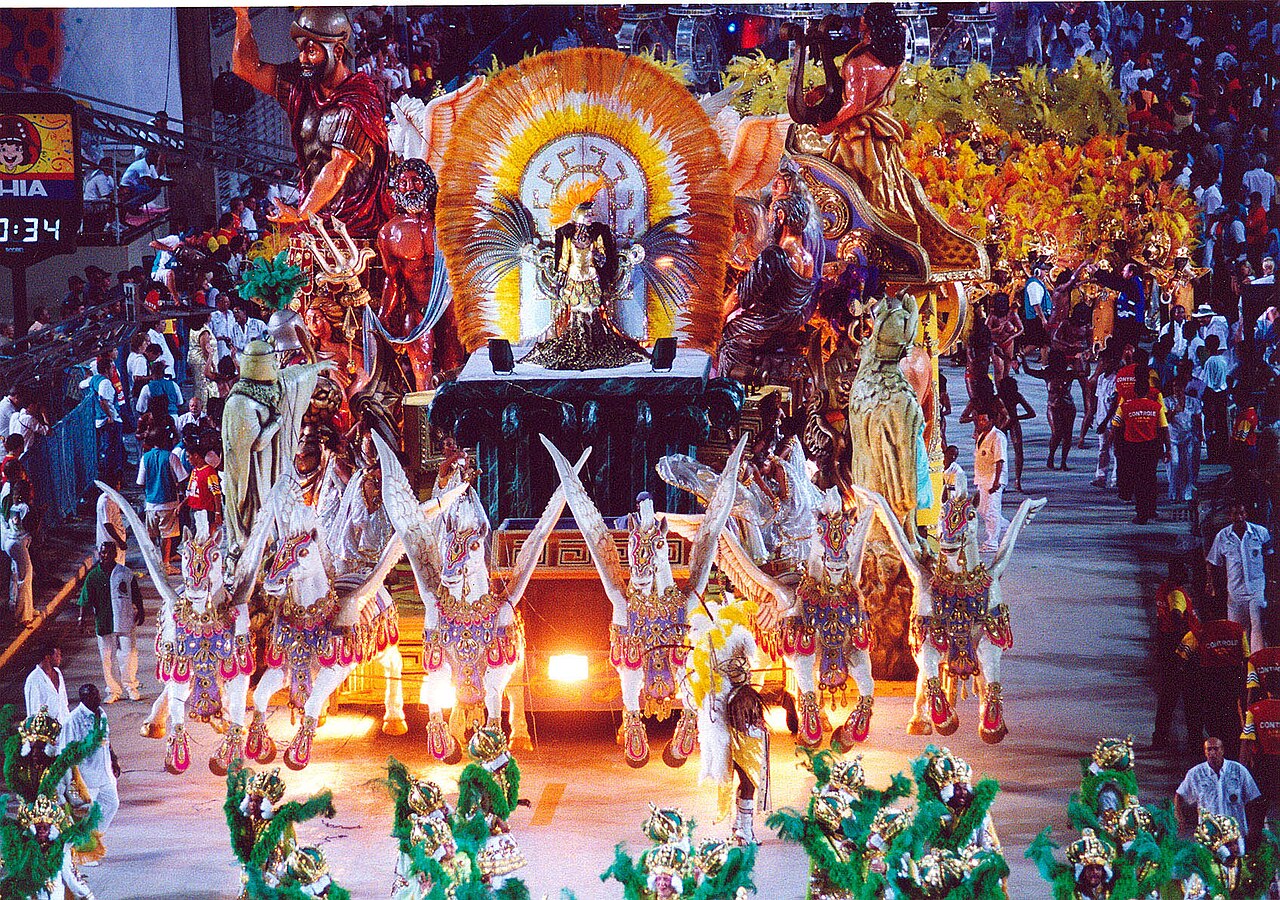
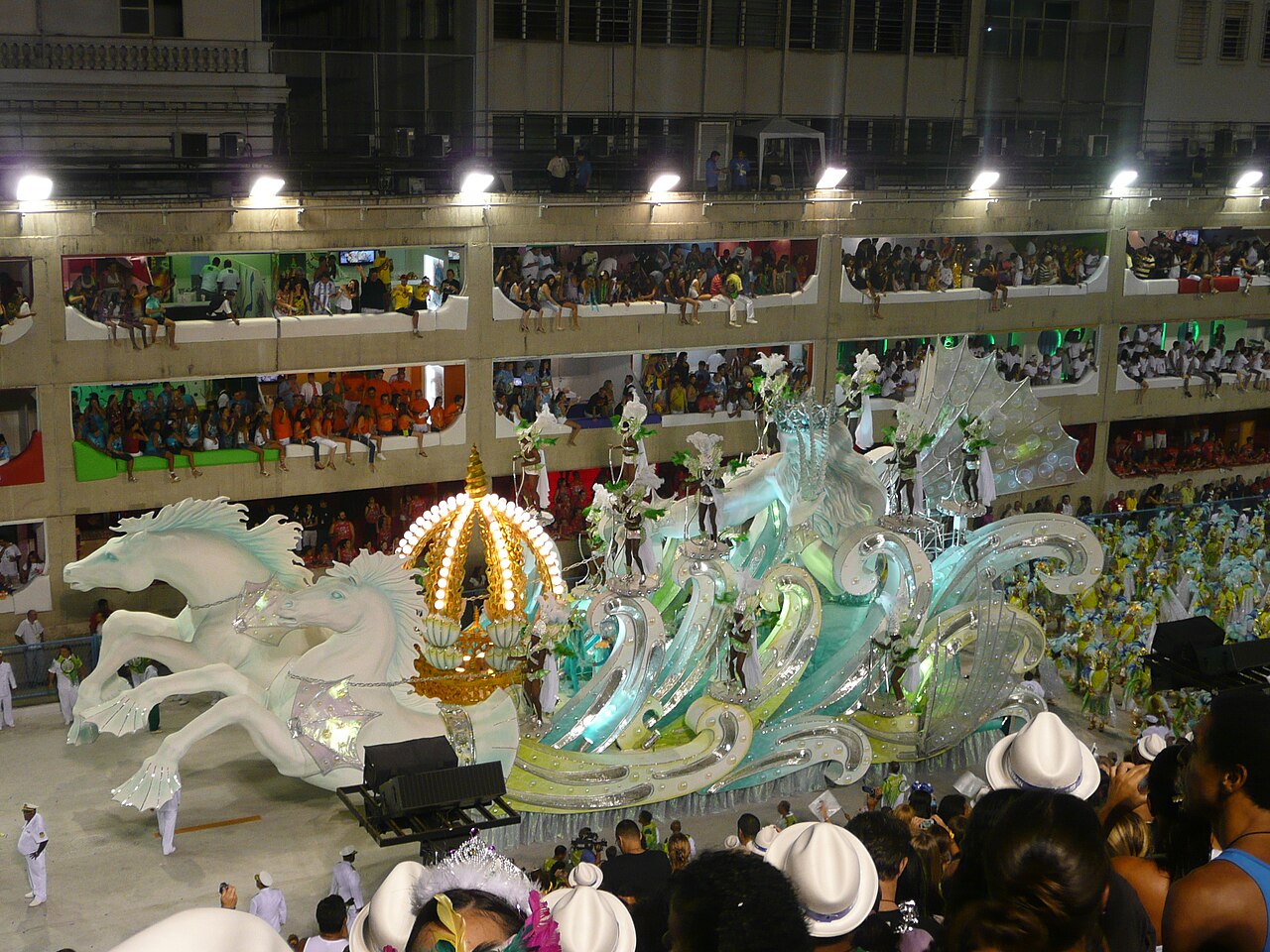
There are really two Rio Carnivals happening at once. The first is the Sambadrome, the ticketed, ceremonial heart of it: a purpose-built parade avenue where the city's great samba schools compete across nights, each fielding thousands of costumed dancers, vast and elaborate floats, and a single original song the whole school sings as it parades. Months of work, fierce neighbourhood pride, and serious judging go into it, and watching a top school pour down the avenue in a river of feathers, drums, and colour is genuinely jaw-dropping.
The second is the blocos, the free street parties that erupt all over the city, hundreds of them, each a roving block party with its own band, theme, and crowd. This is the people's carnival, where locals and visitors dance through the streets together for free, and for many it is the truer, wilder soul of the festival. The Sambadrome is the spectacle you watch; the blocos are the carnival you are inside.
The Sambadrome is the carnival you buy a ticket to watch. The blocos are the carnival that pours down your street and sweeps you up whether you bought anything or not.
On Rio's two carnivals
Where it came from
Carnival's roots lie in the Catholic tradition of one last great feast before the fasting of Lent, brought by the Portuguese. But what made Rio's carnival unique was the fusion with African rhythms and culture brought by enslaved Africans and their descendants, out of which samba, the pulsing musical heartbeat of the festival, was born in Rio's working-class and Afro-Brazilian neighbourhoods in the early twentieth century. Carnival today is a celebration of that mixture, Brazil's joyful, complicated, irrepressible identity set to a samba beat.

How to do it safely and well
Rio at carnival is pure joy, but it is also a huge, crowded event in a city where petty crime is real, so a little street sense goes a long way and lets you relax into the fun.
- Leave your valuables behind. Carry only what you can lose: a little cash, a cheap phone. Pickpockets work the dense crowds.
- Go in a group, especially at night. Stick together, agree a meeting point, and use official transport rather than walking home alone.
- Decide your carnival. Book Sambadrome tickets in advance for the spectacle, or follow the free blocos for the street party, or do both.
- Dress light and wear costume if you like. It is February heat and humidity, and dressing up is welcomed, even expected.
- Pace yourself. Five days of heat, crowds, and late nights is a marathon. Hydrate, rest, and do not try to see everything.
Accommodation books out months ahead and prices soar, so plan early. And go in with stamina and an open heart: carnival is loud, sweaty, chaotic, and relentless, and the people who fight it are miserable while the people who give themselves to it have the time of their lives.
Why it anchors a South American trip
Rio Carnival is a genuine wonder of the world, a city of millions choosing, together, to celebrate with everything it has. But Rio is also the gateway to one of the most extraordinary corners of the planet, and the smart way to experience the carnival is as the explosive opening or finale of a deeper South American journey, where the beaches and rhythm of Brazil meet the ancient Andes and the lost cities of Peru.
Carnival shows you Brazil at its most joyful and uninhibited. It is the perfect, electric doorway into a continent that rewards everyone who goes deeper.
On the OJ Brazil and Peru trip Brazil's energy is one half of a once-in-a-lifetime arc that runs from the samba and the beaches to the Andean highlands and Machu Picchu. Because the carnival is the unforgettable party, but pairing Brazil's joy with Peru's ancient depth is what turns a trip to South America into the journey people talk about for the rest of their lives.
Frequently asked
When is Rio Carnival held?
Rio Carnival takes place in the days leading up to Lent, usually in February or early March, with the main festivities running for about five days and climaxing the weekend and Monday and Tuesday before Ash Wednesday. The exact dates shift each year with the Christian calendar. Accommodation books out months ahead, so plan early.
What is the difference between the Sambadrome and the blocos?
The Sambadrome is the ticketed, formal parade where Rio's samba schools compete with thousands of dancers and giant floats, a spectacle you watch from the stands. The blocos are the hundreds of free street parties across the city, each with its own band and crowd, where you dance in the street alongside everyone else. Many visitors do both.
Is Rio Carnival safe for tourists?
It is overwhelmingly joyful but very crowded, and Rio has real petty crime, so take sensible precautions. Leave valuables behind and carry only what you can lose, go in a group especially at night, use official transport, and agree meeting points. With street sense, most visitors have an incredible and trouble-free time.