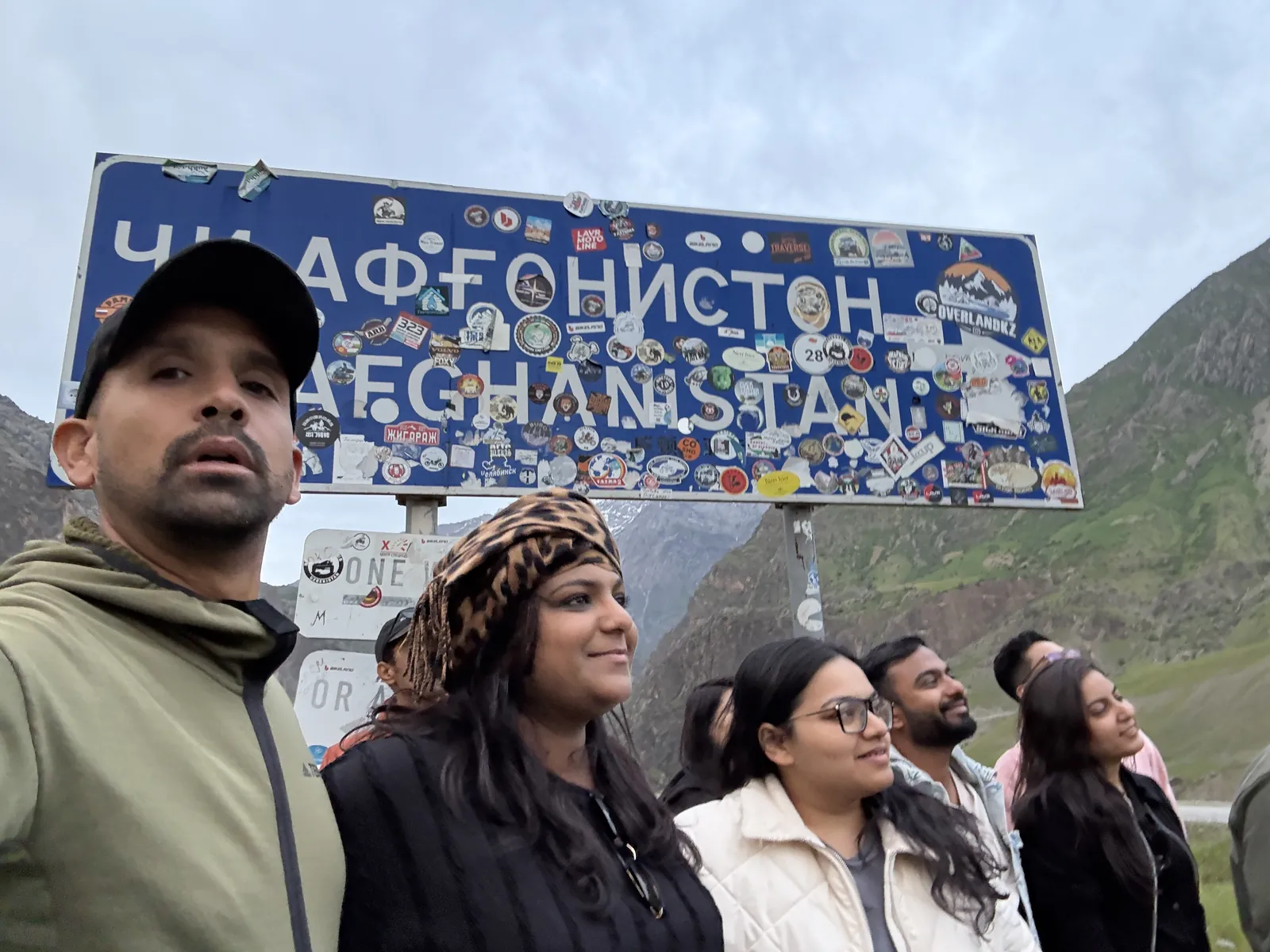
Group size is the most consequential variable in group travel and the least discussed. People spend a week comparing itineraries that are 90 percent identical and never ask how many people will be standing next to them. A group of 40 is not a bigger version of a group of 15. It is a different product, with a different price, a different pace and a different week.
What changes, concretely
| 12 to 20 people | 30 to 45 people | |
|---|---|---|
| Transport | One van or minibus | Coach, sometimes two vehicles |
| Time per stop | Set by interest | Set by how long boarding takes |
| Meals | One table, together | Shifts, or a buffet hall |
| Check-in | Fifteen minutes | Up to an hour |
| Plan changes | Possible on the day | Effectively impossible |
| Social shape | One group | Four or five cliques |
| Names you learn | All of them | Six to eight |
| Accommodation | Smaller properties, homestays possible | Larger hotels only |
| Price | Higher per head | Lower per head |
That last row is the honest trade. Large groups are cheaper because fixed costs spread further, and because bigger properties give better rates. You are not being cheated. You are buying a different thing.
The accommodation effect nobody mentions
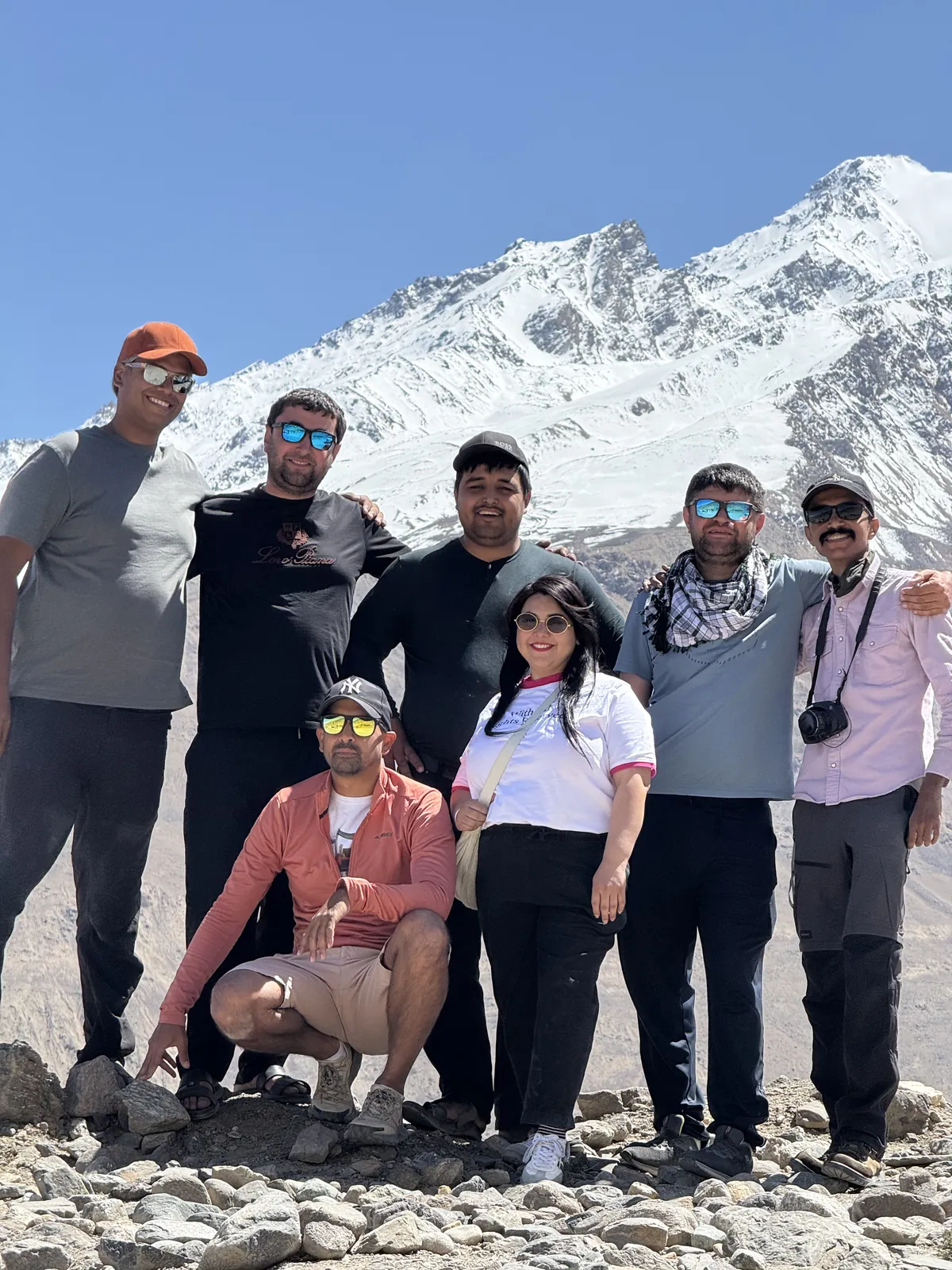
This is the hidden consequence of group size. A group of 40 can only stay in hotels that have 20 rooms available on the same night. That rules out the homestay in the village, the eight-room guesthouse on the lake and anywhere genuinely small.
So large groups end up in larger, blander hotels, usually further from the middle of things. Not because the operator is lazy, but because arithmetic. If the accommodation in the photos looks small and characterful, check the group size, because those two facts are frequently incompatible.
A group of 40 can only sleep where 40 people fit. That single constraint decides most of what your trip looks like.
Which one you want
Large groups suit you if: price is the binding constraint, you are travelling with friends already so the social side is solved, you want a fixed schedule with no decisions, or you are going somewhere the accommodation is uniform anyway.
Small groups suit you if: you booked alone and want to actually meet everyone, you are going somewhere with thin infrastructure where a coach cannot physically go, you want the option of changing plans, or you would rather have fewer stops and more time at each.
For solo travellers specifically, group size matters more than for anyone else. In a group of 15 you are part of the group by day two whether you try or not. In a group of 40 you have to work at it, and if you are shy you may not.
Where small is not optional
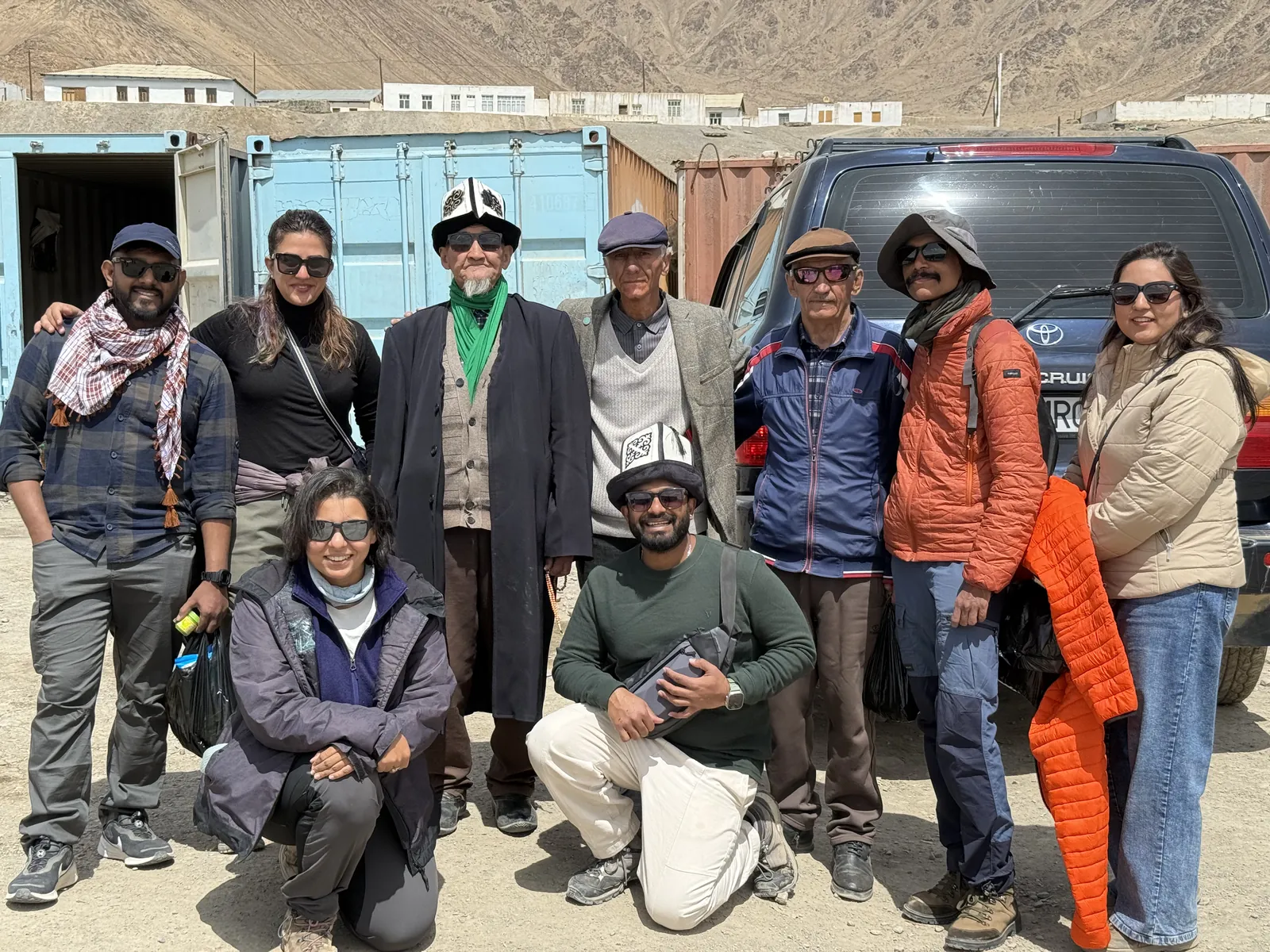
Some destinations settle the question for you. The Pamir Highway, Mongolia and much of Central Asia have roads, vehicles and guesthouses that cannot take a coach group. If someone is offering you 40 people on the Pamir Highway, ask hard questions about the logistics, because the infrastructure does not really exist for it.
Trekking is the same. Above a certain group size, a single leader cannot see everyone, and on altitude routes that is a safety issue rather than a comfort one.
Why the average group size figure misleads
Companies frequently quote an average group size, and the number is usually accurate and almost always misleading. Worth understanding why.
An average includes every departure, and departures that did not fill drag it down hard. A company running twelve departures a year where eight fill at 35 and four run at 12 has an average around 27, which is technically true and describes none of the trips you are likely to be on. The departures that fill are the popular dates, which are the dates you want, which are the large ones.
The correct question is the maximum, and the follow-up is what happens when bookings exceed it. There are three possible answers and they tell you different things. Splitting into two groups with two leaders is the expensive, honest answer. Holding the cap and closing the departure is the disciplined one. Quietly raising the cap is the one you need to know about in advance.
Ask it as a hypothetical and the answer comes more honestly: if this departure sells out and five more people want in, what do you do? Any operator who has been running trips for a few years has faced exactly that, so they have a real answer rather than a policy.
The number to ask for
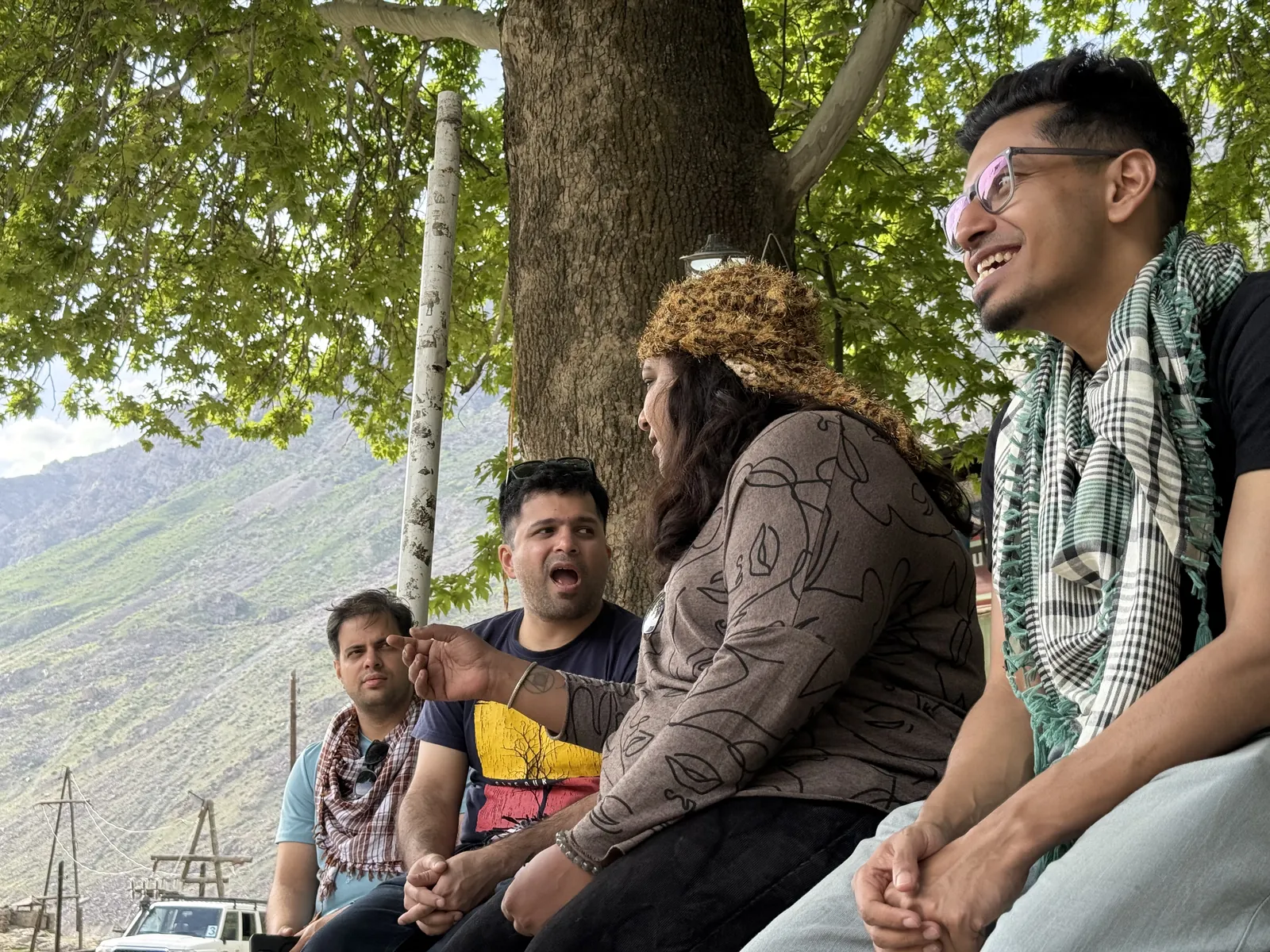
Not the average. Not typically. The hard cap, in writing, for your specific departure.
Some companies quote an average group size that is genuinely accurate and still end up with 34 people on your date, because averages include the departures that did not fill. Ask for the maximum, and ask what happens if bookings exceed it. The answer, whether they split the group or raise the cap, tells you how they actually operate.
Frequently asked
What is a good group size for a tour?
For most travellers, and especially for anyone booking alone, 12 to 20 is the sweet spot. That fits one vehicle, lets everyone learn each other's names within a couple of days, allows plans to change on the day, and opens up smaller accommodation. Groups above 30 are cheaper per person but move on a fixed schedule and split into cliques.
Why are large group tours cheaper?
Fixed costs such as the guide, vehicle and permits spread across more people, and larger hotels give better rates for bulk bookings. It is a genuine cost difference rather than a markup. The trade-off is that a group of 40 can only stay in properties with 20 or more rooms free, which rules out smaller and more characterful accommodation.
Does group size matter more for solo travellers?
Yes. In a group of 12 to 20 a solo traveller is part of the group within a day or two almost automatically. In a group of 40, social sub-groups form immediately and a solo traveller has to work to break into one, which is harder if you are shy or it is your first trip alone.