Safety · Solo Female Travel
Is Spiti Valley Safe for Solo Female Travellers From India?
Spiti Valley is one of the safest Indian destinations for solo female travellers. The Spitian culture (Buddhist, monastery-influenced, deeply hospitable) is famously protective of guests. Violent crime against tourists is essentially zero. The actual risks are environmental: altitude up to 4,500 metres, dramatic mountain roads, and the remote villages with limited services. The personal-safety profile is excellent. The score drops 1 point only for altitude and road risk, not anything social.
What makes this safe
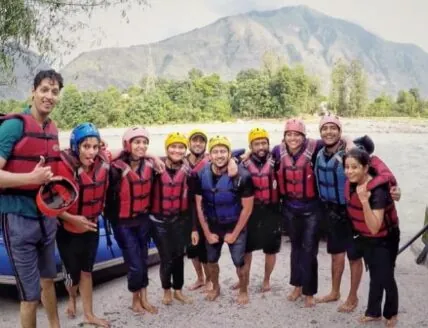
- OJ leads 10 trippers per Spiti batch with at least 3 to 4 women per group
- Lead trip coordinator stays on-call 24/7 via WhatsApp where cell coverage exists, satellite phone in remote stretches
- Every guesthouse personally vetted; we use family-run guesthouses and one monastery stay (Tabo or Dhankar)
- Vetted Spitian drivers familiar with the Manali-Kunzum-Kaza route
- Twin sharing default for solo travellers; we deliberately avoid solo allocation in remote villages
- Inner Line Permit processed for every member before trip
- OJ local contact in Kaza handles medical and emergency logistics
Real concerns we hear (and what we do)
Altitude effects at Komic (4,587m) and Hikkim (4,400m)
Gradual acclimatization profile (Manali 2,000m to Kaza 3,800m to Komic 4,500m over 4 days). Trip coordinator carries pulse oximeter, Diamox, and emergency oxygen. Members briefed on altitude symptoms and self-care. Severe symptoms trigger immediate descent to Kaza. We have evacuated 1 traveller in 4 years for altitude sickness; full recovery within 24 hours.
Kunzum Pass road safety (4,590m, unpaved, weather-dependent)
Daily road condition check before transit. Trip leader monitors weather and recent rainfall. We never drive Kunzum after sunset. Vehicles are 4WD with experienced Spiti drivers. If road is closed, we route via Kinnaur (longer but safer). We have rerouted twice in 4 years without losing trip days.
Monastery stay sanitation (basic facilities, communal sleeping)
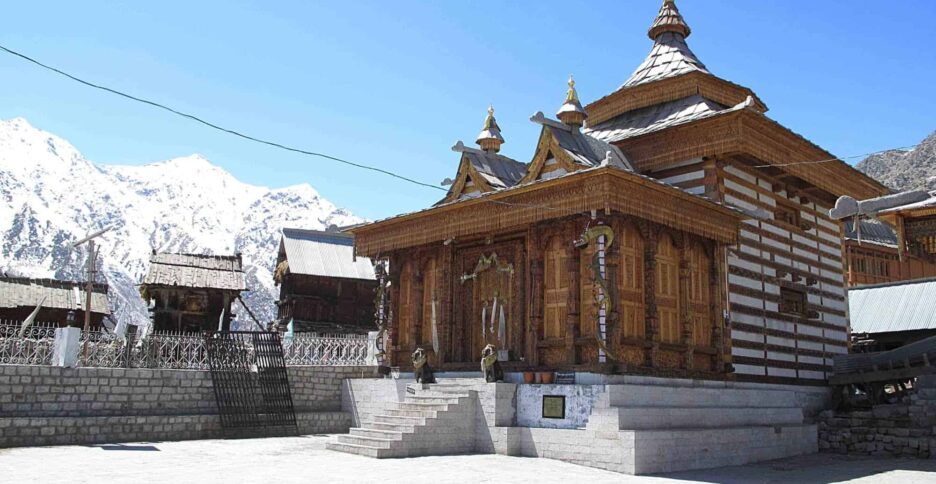
OJ-partnered monastery stay (typically Tabo) has guesthouse rooms with private bathrooms, separate from monk quarters. Female trekkers in twin-sharing rooms. Hot water available with notice. The monastery experience is the cultural depth; the conditions are functional, not luxurious. Members briefed pre-trip.
Limited cell coverage and emergency services in upper Spiti
Cell coverage at Kaza is reliable. Coverage at Komic, Hikkim, Tabo is intermittent. Satellite phone in trip coordinator's bag for emergencies. We carry a comprehensive medical kit. Kaza has a basic hospital; serious medical needs require evacuation to Manali (8 to 10 hours by road) which travel insurance covers.
Cold exposure during morning monastery visits (Key, Komic monasteries at 4,000m plus)
Pre-trip gear briefing on layering (thermal base, fleece mid, down jacket). Mornings at high-altitude monasteries are cold even in July (5 to 10C). Hot tea provided after monastery visits. Trip coordinator monitors group for cold-related symptoms.
From women who actually went
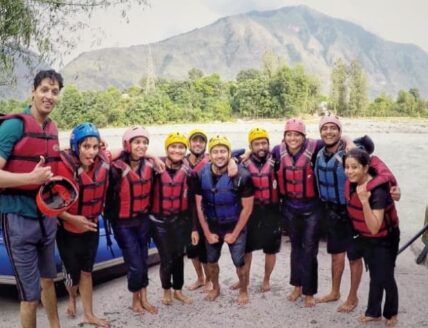
Spiti was the most spiritually-still place I have visited in India. The monastery stay at Tabo with morning prayers and traditional Spitian breakfast will stay with me forever. The OJ trip coordinator was a Spitian woman who knew every village elder. Felt safer than my Bangalore evening walks.
Tara, Bangalore, July 2025
I had wanted to do Spiti for years and finally booked with OJ. The Manali-Kunzum-Kaza drive was the dramatic centerpiece I had hoped for. The Komic and Hikkim village visits at 4,500 metres were unreal. The OJ acclimatization plan worked: I had mild altitude effects for 1 day and was fine after.
Riya, Mumbai, August 2024
I am 30 and have done a lot of Himalayan travel. Spiti with OJ ranked in my top 5 Indian experiences. The cultural depth was the surprise: Buddhist monasteries from the 11th century still operational, prayer flags everywhere, the Spitian people genuinely welcoming. Zero safety concerns the entire trip.
Ahana, Delhi, July 2025
Frequently asked
Is Spiti Valley safe for solo female travel from India in 2026?
Yes, among the safest Himalayan destinations. The Spitian Buddhist culture is famously hospitable and protective. Violent crime against tourists is essentially zero. The actual risks are environmental (altitude, mountain roads, weather) not personal-safety. Solo female travel works exceptionally well in Spiti.
Can I do Spiti solo on a motorbike?
Yes, doable. Solo motorbike trips to Spiti are popular among experienced Himalayan riders. The risks are the same as the OJ group trip plus self-driving risk. Required: experienced motorcycle riding skills, prior Himalayan riding experience, full safety gear, mandatory backup vehicle support for emergencies. Most first-time Spiti riders book a group trip; experienced riders go solo.
What is the worst-case scenario in Spiti and how is it handled?
Severe altitude sickness or vehicle breakdown on the Kunzum Pass road. For altitude sickness, descent to Kaza (3,800m) then to Manali (2,000m) is the protocol, by vehicle. For vehicle breakdown, OJ uses two-vehicle convoy on the Manali-Kaza leg specifically for this. Travel insurance covers any medical evacuation. We have used backup vehicle once in 4 years; trip continued without disruption.
Is the monastery stay culturally appropriate for women travellers?
Yes, with respect. Spitian Buddhist monasteries have a long tradition of hosting women travellers in the guesthouse facilities (not in the monk quarters). Women travellers are welcomed in the main prayer halls during public sessions. Dress modestly (covered shoulders, knee-covering bottoms). Photography rules are explained at each monastery. The OJ trip coordinator handles all cultural protocols.
What does the OJ Spiti trip include for solo female safety?
Pre-trip safety briefing video call, women-only WhatsApp group with the trip leader, twin sharing room policy, vetted Spitian drivers, Inner Line Permit processing, two-vehicle convoy on Manali-Kaza leg, satellite phone for remote stretches, daily altitude monitoring, OJ Kaza local fixer for emergencies, 24/7 on-call coordinator, and post-trip check-in. Trip cost is around INR 45,000 per person, 7 days excluding flights to Delhi/Manali.