Best Time to Visit
Best Time to Visit Norway From India
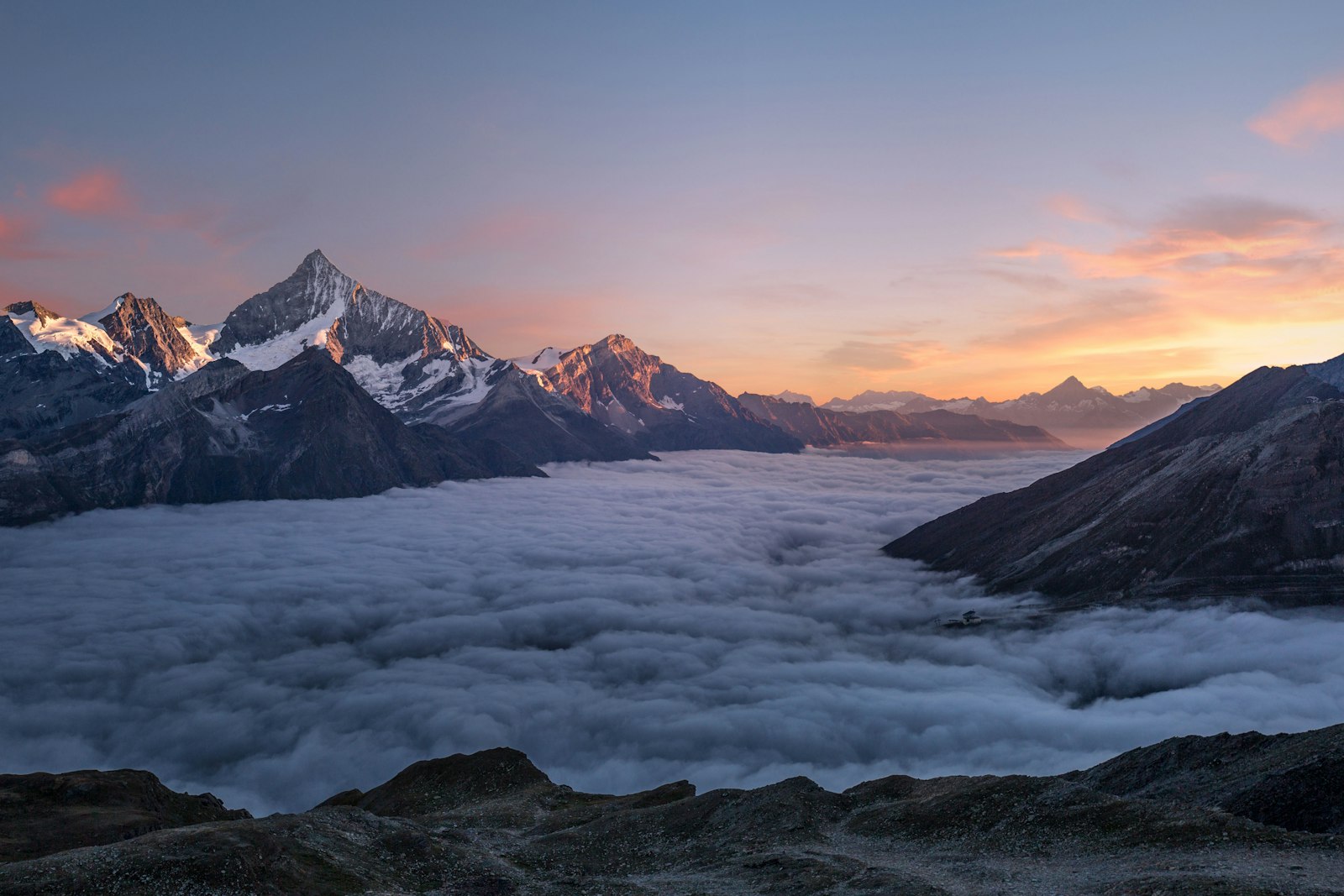
Norway has two completely different season strategies. Summer (June to July) for midnight sun, fjord cruises, and warm-weather hiking. No northern lights. Winter (February to March) for full aurora season with manageable cold and longer daylight than December. The OJ Norway trip runs in February specifically for the aurora plus the slightly longer daylight than December plus the fjord winter scenery. November to January is too dark and too cold even for aurora-chasers.
Go in
February, March, June, July
Skip
November, December, January
Month by month: weather, events, crowds
| Month | Weather | Events | Rating |
|---|---|---|---|
| January | Cold dark minus 5 to 3C, 4 to 6 hours daylight | Aurora peak season, polar night in north | 3/5 |
| February | Cold minus 4 to 4C, 8 to 10 hours daylight | Aurora season peak, Tromso Northern Lights Festival | 5/5 |
| March | Transitioning minus 2 to 6C, 11 to 13 hours daylight | Aurora season ending, Sami Easter celebrations | 5/5 |
| April | Cool 2 to 9C, 14 hours daylight | End of aurora season, ski tail | 3/5 |
| May | Cool 6 to 13C, near 24-hour daylight north | Constitution Day May 17 | 4/5 |
| June | Mild 11 to 18C, midnight sun north of Arctic Circle | Bergen Festival, midnight sun peak | 5/5 |
| July | Warm 13 to 21C, peak summer crowds | Peak tourist season fjords | 5/5 |
| August | Cooling 11 to 18C, fewer crowds end-month | Late summer Norwegian holidays | 4/5 |
| September | Autumn 8 to 14C, aurora returns late month | Aurora season begins late September | 4/5 |
| October | Cool 4 to 9C, deeper aurora window | Aurora intensifying | 4/5 |
| November | Cold dark 0 to 5C, 5 hours daylight | Aurora peak but very dark | 3/5 |
| December | Cold dark minus 3 to 4C, 3 to 4 hours daylight | Christmas markets, very limited daylight | 2/5 |
India-specific timing notes
No direct flights from India to Oslo. Standard routing is BLR or BOM to OSL via Doha, Helsinki, or Frankfurt, total 12 to 15 hours. Average flight fare INR 60K to 1.2L return depending on month. Schengen visa required, 15 working days, INR 5,800. Total trip cost for 8 to 10 days lands at INR 3L to 5L mid-range; Norway is genuinely expensive. The OJ Norway trip runs February covering Oslo, Tromso for aurora, Lofoten Islands fjord scenery, return via Oslo.

Frequently asked
When is the best month for northern lights in Norway?
February or March. Both have peak aurora activity, more daylight hours than November to January (8 to 13 hours vs 3 to 6 hours), and the cold is manageable (typically minus 4 to 4C in Tromso). October to early November are close second choices. December and January have peak aurora but the daylight is so limited (3 to 6 hours) that the rest of the trip becomes constrained.
Why pick Norway over Iceland for northern lights?
Different experiences. Norway: cultural depth (Bergen, Oslo, Sami culture), fjord scenery, more accessible boat tours, Tromso as the world's best aurora-watching city. Iceland: lunar landscape, fewer trees, Blue Lagoon, easier driving (smaller country). For first-time aurora travellers from India, Norway has the cultural edge. Iceland is the more unique landscape experience.
Can I see northern lights and fjords on the same trip?
Yes, in February. The fjords (Lofoten Islands, Geirangerfjord) are accessible by boat plus snowmobile in winter. The OJ Norway trip combines Tromso aurora chasing with Lofoten fjord scenery in February. Winter fjord cruises run year-round (Hurtigruten coastal service). Summer trips lose the aurora but gain midnight-sun fjord experiences.
Is Norway as expensive as the reputation suggests?
Yes. Norway is among the 3 most expensive European countries. A sit-down dinner in Oslo costs NOK 350 plus, a hotel night runs NOK 1,500 plus, the Hurtigruten cruise is NOK 6,000 plus per day. Total 10-day trip from India lands at INR 3.5L to 5L. Group travel with OJ saves 20 to 25 percent vs solo by sharing transport and pre-booking aurora chase tours.
What does the OJ Norway trip include?
10 days in February. Oslo city orientation, fly to Tromso for 4 days aurora chasing (cloud-forecast-driven), Lofoten Islands fjord scenery 3 days, return via Oslo. Includes all internal flights, aurora chase tours, husky sled experience, and Sami cultural lunch. Trip cost is around INR 3.8L per person including flights from Bangalore. Group capped at 10.