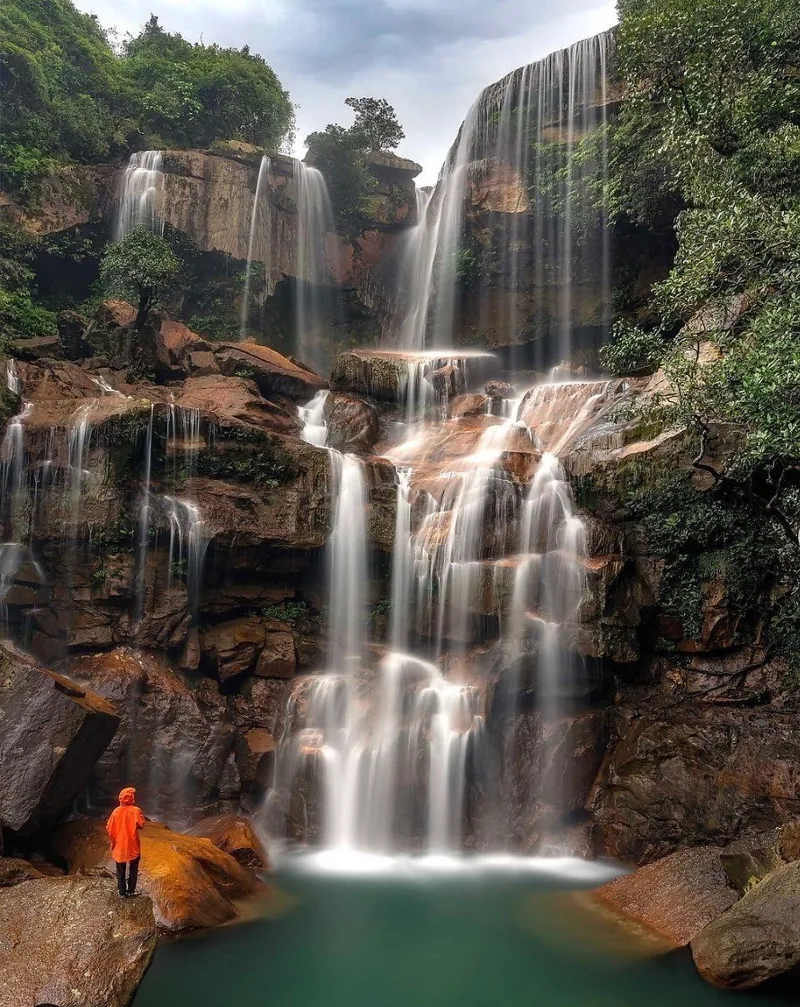
Adventure travel for beginners in India is not some niche thing reserved for gear-obsessed ultramarathon types. Half the people on the best group trips in this country had never done anything remotely wild before they booked. No experience, shaky fitness, zero idea what to pack and they came back changed. The entry bar is lower than you think and the upside is enormous. This guide tells you exactly how to start.
What "Adventure Travel" Actually Means for First-Timers
The word "adventure" puts people off because it conjures images of crampons and base camps. Ignore that. For a first-timer in India, adventure travel means going somewhere that challenges you a little, getting off the tourist bus circuit, and doing something with your body instead of your camera. A two-day trek through a cloud forest in Meghalaya counts. A road trip through Spiti Valley on a jeep counts. White-water rafting in Rishikesh counts. You do not need to climb anything or carry a 25 kg pack to qualify.
The real definition: a trip where the experience is the product, not the hotel.
Why India Is the Best Country to Start
India has one of the highest adventure-to-rupee ratios on the planet. A beginner trek that would cost you 60,000 INR in Nepal or 1.5 lakh in New Zealand can be done in India for 10,000 to 25,000 INR all-in, including transport and food.
The variety is absurd. Within the country you have: - High-altitude desert (Spiti, Ladakh) - Dense subtropical rainforest (Meghalaya, Arunachal) - Snow-covered Himalayan peaks (Uttarakhand, Himachal) - Jungle terrain and wildlife corridors (Pench, Kabini) - River gorges and whitewater rapids (Rishikesh, Coorg)
You also have an existing network of guesthouses, homestays, and experienced local guides at every famous trailhead. For an Indian passport holder, most of these destinations require no special visa or permit beyond a simple Aadhaar-based Inner Line Permit (ILP) for northeast states.
The Mindset Shift That Makes or Breaks Your First Trip
Most first-timers fail at adventure travel not physically but mentally. They panic-book a hard trip because they saw a Reel, they show up unprepared, they hate the experience, and they never go again.
The smarter move: start one level below where you think you belong. If you run 5K three times a week, book an easy trek, not a moderate one. You will finish with energy left, enjoy every hour of it, and immediately want to book the next harder one. The goal of your first adventure trip is to make you want a second one.
Also, separate the trip from the gear. You do not need to own trekking poles or a -10 degree sleeping bag for your first trip. Borrow, rent at the trailhead, or start with a guided group that provides equipment. Gear FOMO is an expensive detour.
Best Beginner Adventure Destinations in India
### Meghalaya (Northeast India) Meghalaya is the single best first adventure destination in India for most people. Why: you get living root bridges, waterfalls, caves, and some of the cleanest villages in Asia, but the trekking is gentle. The double-decker living root bridge near Cherrapunji involves roughly 3,000 steps down and back, which sounds dramatic but is entirely manageable if you take breaks. Entry fee for most bridges is around 20 to 50 INR. Accommodation in Nongriat village homestays runs about 600 to 1,000 INR per night. A week in Meghalaya, including flights from Kolkata, stays comfortable around 20,000 to 30,000 INR per person. The northeast is best visited October to April.
### Spiti Valley (Himachal Pradesh) Spiti is one of those places that resets your idea of what India looks like. High-altitude cold desert, ancient monasteries, villages at 4,000+ metres, and roads that are basically geological features. The good news for beginners: you do not need to trek to experience it. A jeep-based Spiti circuit covers Key Monastery, Kaza, Chandrashila, Langza, and Hikkim over 7 to 10 days without requiring any serious hiking. Indians need no special permit for Spiti, just a valid photo ID. Budget: 13,000 to 28,000 INR for 7 to 10 days depending on group size and transport. Best window: mid-June to mid-September 2026 and 2027.
### Rishikesh (Uttarakhand) The classic beginner adventure base. Rishikesh is where you try white-water rafting for the first time (Grade 3 rapids on the Ganga are completely manageable), do a zipline, camp by the river, and realise this whole category of travel is actually fun. Cost for a Rishikesh adventure weekend: 6,000 to 12,000 INR including transport from Delhi, rafting, and camping. No permit required. Accessible year-round except peak monsoon (July-August when rafting is paused for safety).
### Chandrashila Trek (Uttarakhand) This is the textbook first Himalayan trek. Three days, well-marked path, manageable altitude (around 4,000 metres at the summit), and incredible views of Nanda Devi, Trishul, and Chaukhamba on a clear morning. You do not need prior trekking experience. You need 45 minutes of walking three times a week for a month before you go. Trek cost if you go independently: 4,000 to 8,000 INR including transport from Rishikesh and basic accommodation. Best months: April-May and September-November. This is a great stepping stone to longer routes - see our guide to what to pack for a trek in India before you head out.
### Sandakphu Trek (West Bengal-Nepal border) The highest point in West Bengal at 3,636 metres, Sandakphu sits on the ridge between India and Nepal and gives you a panorama of four of the world's five highest peaks on a clear morning: Everest, Kanchenjunga, Lhotse, Makalu. It is a 4 to 5 day trek through rhododendron forests and is rated easy-to-moderate. Cost through a basic operator: 8,000 to 15,000 INR per person. Best season: March-May for rhododendrons and October-November for mountain views.
How to Know If You Are Physically Ready
Here is the honest answer: if you can walk briskly for 3 hours without stopping, you are ready for an easy beginner trek. If you can do that twice in a row with a day's rest in between, you are ready for a moderate one.
For Himalayan treks above 3,500 metres, add some basic cardio prep 4 to 6 weeks before: - 30 to 45 minutes of brisk walking or running, 4 days a week - Stair climbing counts and is underrated for leg preparation - If you have access to a treadmill, incline mode is your friend
You do not need a gym membership or a training plan document. You need to get your lungs working and your knees used to repeated downhill impact. Most first-timers are surprised how much harder the descent is than the ascent.
Solo vs. Group: What to Choose as a Beginner
Solo makes sense for city breaks and beach holidays. For adventure travel as a beginner in India, a guided group trip makes more sense on almost every dimension.
| Factor | Solo First-Timer | Guided Group |
|---|---|---|
| Logistics | You plan everything | Handled |
| Safety net | Only you | Guide + group |
| Cost | Variable, often higher | Fixed, usually lower per-person |
| Company | Depends on luck | Built in |
| Getting lost | High risk on unfamiliar trails | Low risk |
| Gear you forgot | Your problem | Often covered by operator |
| Altitude sickness protocol | You Google it in panic | Guide manages it |
For your first adventure trip, group travel is not a compromise. It is the smarter version of the same trip. You learn how these things work, you do not make the expensive beginner mistakes, and you have people to process the experience with. After one or two guided trips, you will have enough knowledge and confidence to go independently if you want. If you are navigating the choice of going alone vs. with others, read our piece on how to travel when friends cannot travel.
Real Costs: A Beginner Adventure Trip in India
Here is a realistic cost breakdown for three different beginner trips, all India-departure, INR pricing:
| Trip | Duration | Total Cost (INR) | Difficulty |
|---|---|---|---|
| Rishikesh weekend (rafting + camping) | 2-3 days | 6,000 - 12,000 | Very Easy |
| Chandrashila Trek, Uttarakhand | 3-4 days | 8,000 - 15,000 | Easy |
| Meghalaya root bridges + caves | 6-7 days | 20,000 - 35,000 | Easy |
| Spiti Valley jeep circuit | 7-10 days | 18,000 - 30,000 | Easy-Moderate |
| Sandakphu Trek | 4-5 days | 12,000 - 20,000 | Easy-Moderate |
Flights are not included in the above. Delhi-Rishikesh is a road trip (around 500 INR by bus). Flights to Shillong for Meghalaya run 4,000 to 10,000 INR return from most major cities if booked 4 to 6 weeks ahead. Confirm fares on Indigo, Air India, or SpiceJet at booking time as prices drift.
What Permits and Paperwork Indians Actually Need
This is simpler than most people think for domestic adventure travel.
No permit required: Uttarakhand treks (Chandrashila, Kedarkantha, Valley of Flowers), Himachal Pradesh including Spiti Valley, Rishikesh. Just carry Aadhaar or a photo ID.
Inner Line Permit (ILP) required: Meghalaya (Arunachal Pradesh, Nagaland, Mizoram). Indian citizens get the ILP easily, usually free or for a nominal fee (50 to 200 INR). You can get them online or at the state borders. If you book with a good local operator, they will handle this for you.
Protected Area Permit (PAP): Needed for parts of Ladakh near the Line of Actual Control (like Pangong Tso, Turtuk). A good tour operator handles the paperwork as part of the package.
For international adventure travel as a beginner - say, your first trek in Nepal or a Bhutan trip - check our guide to first-time international travel tips for Indians for the full visa and prep checklist.
The Gear List That Actually Matters (Not the Exhaustive One)
You do not need to buy 40,000 INR worth of gear for your first beginner trek. Here is what actually matters:
Non-negotiables: - Broken-in walking shoes or basic trekking shoes (do not debut new shoes on a trail) - Lightweight rain jacket or poncho (weather changes fast in mountains) - Warm mid-layer (fleece or down jacket for evenings above 2,000 metres) - Sunscreen, lip balm, and sunglasses (UV is vicious at altitude) - Refillable water bottle (carry at least 2 litres) - Personal medicines and a basic blister kit
You can rent at most trailheads: trekking poles, sleeping bags, backpacks.
Skip for now: expensive waterproof boots, GPS devices, trekking gaiters. These are for harder trips. A complete, season-by-season version of this list lives in our post on what to pack for a trek in India.
How to Choose a Good Operator as a First-Timer
This is where beginners go wrong most often. The cheapest package is rarely the best value, and a bad first experience can put you off adventure travel for years.
Check for: - Fixed group size. Good operators cap groups at 10 to 16. Avoid anything with 30+ people. - Guide credentials. Your trek guide should have wilderness first aid or equivalent training. - Altitude sickness protocol. If they cannot explain what they do when someone gets AMS, leave. - Real reviews. Google Maps and Tripadvisor, not just the company website. - No hidden costs. Permits, meals, accommodation on the trail, and gear rental should all be disclosed upfront.
If you are interested in how group adventure trips work with a curated, small-group format, take a look at group trips for solo travellers in India to understand what a well-run operator actually looks like.
The One Mistake That Ruins First Adventure Trips
Overscheduling. First-timers consistently try to pack too much into their first trip. Two treks, a waterfall, a city tour, a rafting day, a market visit - all in five days. The result: exhaustion, no recovery time, altitude hits harder, everything feels rushed.
Adventure travel rewards slowness. One main experience per day. Build in half-days. Stop when the view is good. The trips that feel transformative are almost never the ones with the densest itineraries.
Frequently Asked Questions
Do I need prior trekking experience for beginner treks in India?
What is the best age to start adventure travel in India?
Is adventure travel in India safe for first-timers?
How much should I budget for my first adventure trip in India?
What is the best time of year for beginner adventure travel in India?
Can I do adventure travel in India if I have a desk job and low fitness?
One in the Orange Jacket runs offbeat group adventures for travellers who have outgrown the usual circuit.
Ready to book your first real trip? Browse our upcoming group adventures and find one that matches where you are right now - no experience required.