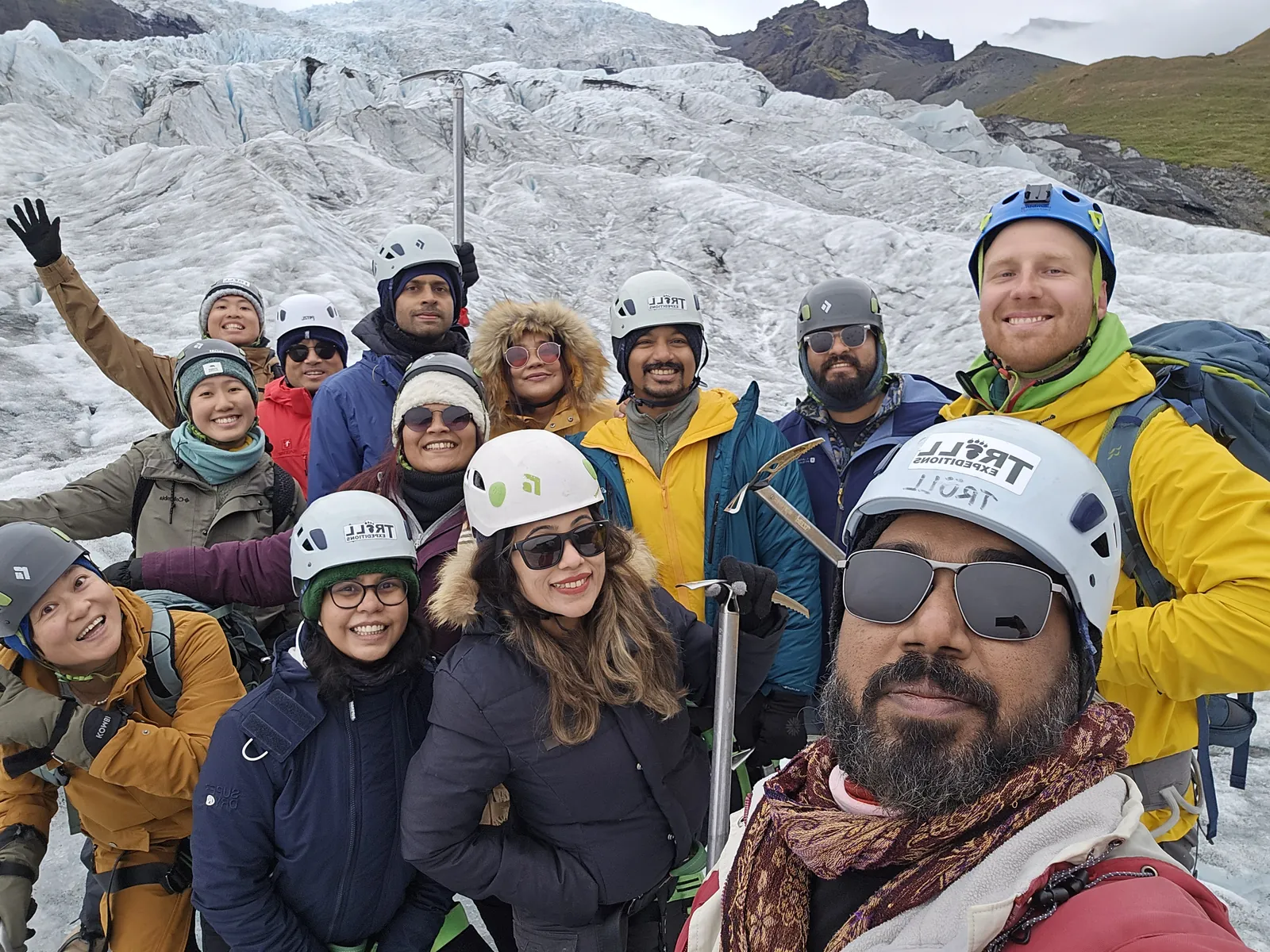
Somewhere around thirty, the standard Indian group trip stops fitting. You still want to go. You have more money and much less leave. What you do not want is a forty-person bus, a 2am party bus playlist and a shared dorm. This is an underserved bracket and the companies serving it are not always the ones with the biggest marketing spend.
What changes in your thirties
- Leave is the scarce resource, not money. A trip that wastes two days on a bad transfer is expensive in the currency that matters.
- You will pay for a private room. Happily.
- You want fewer, better things rather than eleven stops in nine days.
- You are less interested in the party and more interested in the people. Conversation over volume.
- You have been on enough trips to notice when an operator is winging it.
At 22 the constraint is money. At 32 it is leave. Companies that have not noticed still sell you an itinerary with three travel days in it.
How to find the right trips
Age is not usually advertised, so read the itinerary instead. It tells you the age bracket clearly if you know what to look for.
- Count the nights in each place. One-night stops mean a checklist trip built for people who want photos in eleven locations.
- Look for a single supplement. If it does not exist, the company is not designed around people who will pay to sleep alone.
- Look at the group cap. Anything above 25 skews young by necessity.
- Check whether free time exists. Itineraries with zero unscheduled hours are built for people who need to be entertained.
- Read the tone of the marketing. If it is all shot at night with a bass-heavy edit, that is who is coming.
Where each company sits
Capture A Trip and much of JustWravel's portfolio skew clearly younger. Not a criticism, it is just who they are for.
WanderOn is broad enough that the age mix varies a lot by destination. Their international trips skew older than their Himalayan road trips. Ask about the specific departure.
Indiahikes has a genuinely wide age range because trekking self-selects on fitness rather than age.
Intrepid Travel, Veena World and the traditional operators skew older, sometimes considerably.
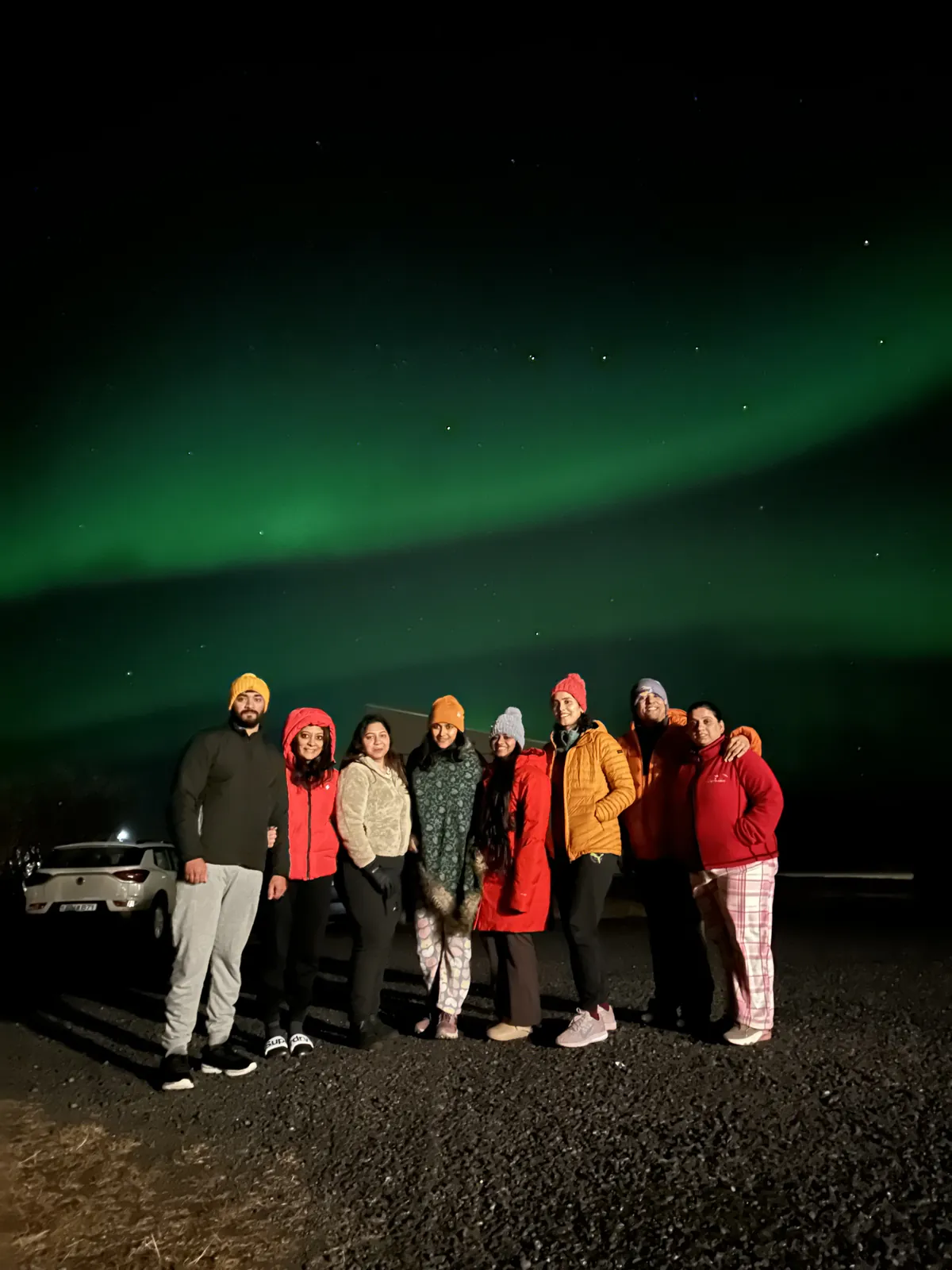
One in the Orange Jacket sits in the mid-20s to late-30s band on most departures, with the international and expedition trips skewing older than the domestic ones. Iceland, Japan, the Pamir Highway and Mongolia draw a noticeably different crowd to a weekend trek. Groups are 12 to 20, single supplements exist on most trips, and the itineraries are built around fewer stops with more nights in each.
The itinerary tells you the age, if you count
You can usually work out who a trip is built for without asking anyone, by counting three things on the itinerary page.
Count the beds. Divide nights by locations. If the answer is close to one, it is a checklist trip designed for people who want maximum coverage per rupee and do not mind packing every morning. Two or more nights per location signals a trip built for people who would rather arrive somewhere and stay.
Count the unscheduled hours. Read a middle day carefully and add up what is actually planned. A day with breakfast, one activity and then nothing until dinner is aimed at people who can entertain themselves. A day scheduled hour by hour is aimed at people who want to be led.
Count the early starts. Three consecutive 5am departures is a young person's itinerary, or a trekking one. A trip with two early mornings across nine days is built for people who consider their leave precious.
None of this is a value judgement. A twenty-two year old who wants eleven cities in nine days is getting exactly what they want. The point is that the itinerary is an honest signal even when the marketing is not, and it takes five minutes to read.
The destinations that self-select
Certain trips filter the group before you even book, because of cost, leave required or how obscure they are.
Iceland over ten days, Japan over eleven, the Pamir Highway over twelve, Mongolia over nine, New Zealand over twelve. These are not first-trip destinations. They take real leave and real money, and the people who show up have generally been somewhere before.
If you want a group in your bracket, the fastest route is to pick a trip that a 22 year old with eight days of leave cannot easily do.
Frequently asked
Are Indian group trips only for people in their twenties?
No, though a lot of the marketing is aimed there. Age mix varies enormously by destination and trip type. Long international trips, expedition destinations and treks draw a noticeably older group than budget Himalayan road trips. Ask the operator about the age range on the specific departure rather than the company overall.
How do I find a group trip with older travellers?
Read the itinerary rather than the marketing. Trips with multiple nights in each location, a single supplement option, a group cap under 25, and some unscheduled free time are built for an older traveller. Destinations that require more leave and more money, such as Iceland, Japan, Mongolia or New Zealand, also self-select towards people in their thirties.
Can I get a private room on a group trip?
On most trips run by established operators, yes, through a single supplement at additional cost. Whether one is offered at all is a good signal about who the company designs for. Ask at the time of booking, since room allocations are usually fixed well before departure.