The first international trip carries a lot of anxiety that has nothing to do with the destination. Will the visa come through. What happens at immigration. What if the connection is missed. Most of it resolves into ordinary logistics once you have done it once, and picking the right first destination removes most of the difficulty in advance.
Pick the destination by visa difficulty first
This is the unglamorous filter that matters most, because a refused visa is the only failure mode that ends the trip before it starts.
- Easiest. Nepal needs no visa for Indian nationals. Bhutan needs a permit rather than a visa. These are the softest possible starts.
- Straightforward. Kazakhstan, Sri Lanka, Thailand, Vietnam, Indonesia. Manageable processes and short flights.
- Moderate. Japan, Morocco, Egypt, Jordan, Russia, Mongolia. Real applications with real documents, entirely doable with support.
- Demanding. Schengen, UK, US, New Zealand, China. Document-heavy, appointment-constrained, and best attempted once you have a travel history.
A refused application is much less likely when you have prior stamps in the passport, which is a good practical reason to start easy and build.
Start where the visa is easy. Travel history in a passport is an asset, and you build it in the order that makes the next one simpler.
What the operator should be doing for you
For a first trip this matters more than anything else on the itinerary. Ask exactly what documentation support is provided, and get specifics rather than reassurance.
A proper pack includes a cover letter, a day-by-day itinerary in the consulate's expected format, confirmed accommodation, and flight reservations. Some operators do all of this. Some send you a booking voucher and wish you luck. That difference is usually invisible in the price comparison and very visible at the appointment.
The things that actually worry people
Immigration. You will be asked why you are visiting, how long, and where you are staying. Answer plainly. Carry a printed copy of your itinerary and hotel confirmation. That is the whole event, and it usually lasts under a minute.
Connections. If your itinerary is land only, you are booking your own flights, and a missed connection is your problem. Build a longer layover than the minimum on the way out. Two hours is not enough at a busy hub with a bag to recheck.
Money. Carry some local currency for the first day and a card that works internationally. Tell your bank you are travelling. Forex cards are common and useful, and check the fees before you load one.
Phone. An eSIM bought before you leave is the easiest solution now and avoids arriving with no connectivity.
Good first destinations
Bhutan over seven days. Permit rather than visa, short flight or overland crossing, gentle pace, no meaningful language barrier.
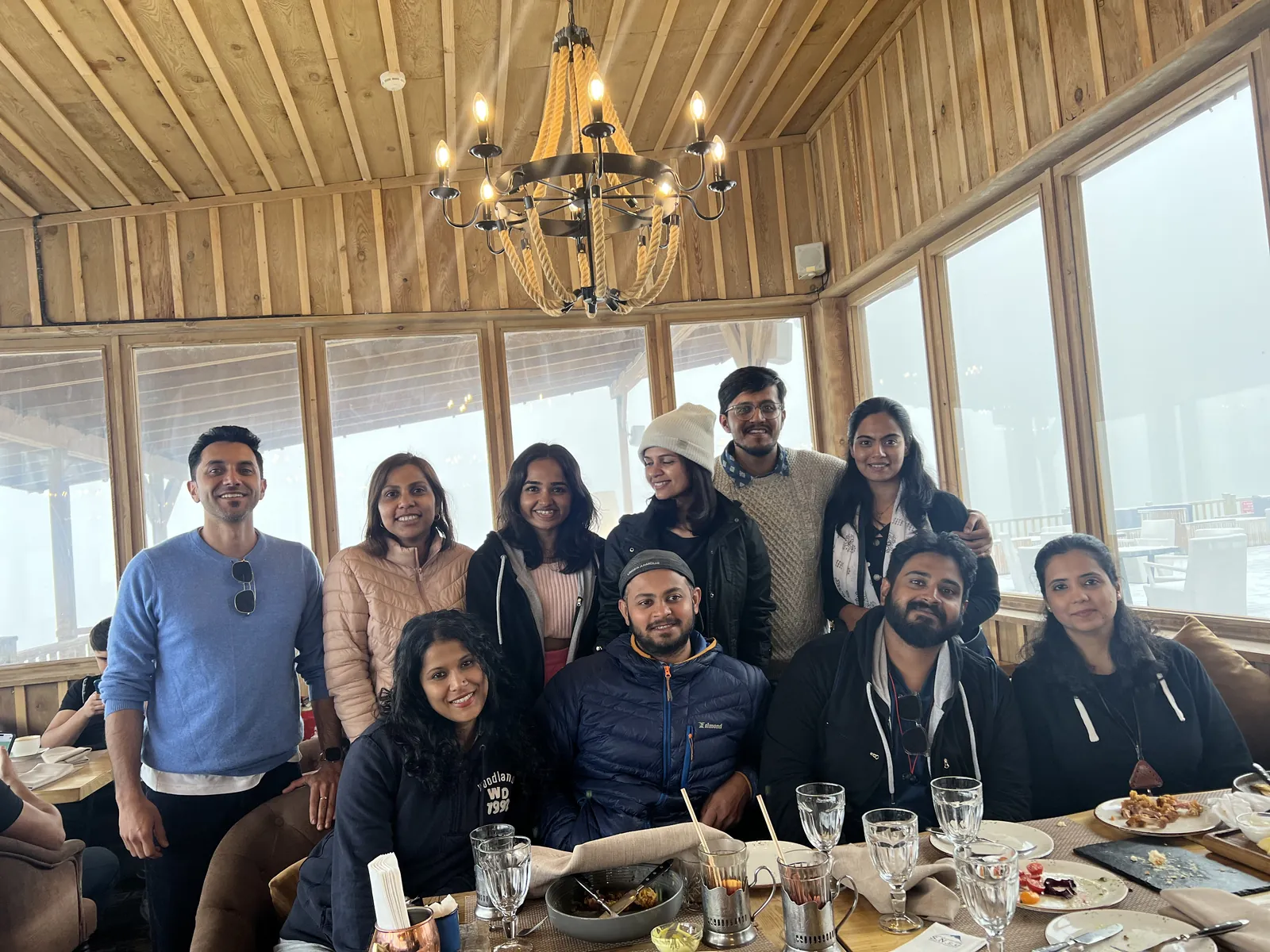
Kazakhstan over eight days. Short flight from Delhi, straightforward entry, low costs on the ground, and it feels far more exotic than the effort involved.
Vietnam and Cambodia over ten days. Excellent traveller infrastructure, so mistakes are cheap.
Sri Lanka. Close, easy, and culturally familiar enough to be forgiving.
Save Japan, Iceland, New Zealand and the Schengen countries for trip two or three, not because they are difficult on the ground but because the applications are.
What to actually pack, and what to leave
First-time travellers overpack clothes and underpack the things that matter. A short corrective.
Warm layers, more than you think. The single most common first-trip mistake for Indian travellers. Deserts get cold at night, altitude gets cold at any time, and European autumn is colder than the number suggests. A thermal layer and a proper jacket weigh almost nothing and change your whole trip.
Shoes you have already worn. New shoes on a trip involving walking is how people spend day three in pain. Break them in at home.
A power bank and a universal adapter. Obvious, routinely forgotten, and hotel rooms abroad have fewer sockets than you expect.
Any medication in original packaging, with a prescription. Some countries are strict about this, and it costs nothing to carry the box.
Photocopies of your passport and visa, stored separately from the originals, plus a copy in your email. Ten minutes of work that saves a very bad day.
Leave behind: more than one pair of jeans, anything you are bringing in case of a nice dinner, a hairdryer, and half the toiletries. Nearly everything is buyable at the destination and laundry exists.
The genuine test is whether you can carry your own bag up two flights of stairs without help, because at some point on almost every trip you will have to.
What to expect from yourself
The first two days are usually the strangest, and then it becomes ordinary faster than you expect. Most people come back slightly surprised by how manageable the whole thing was, which is itself the main return on the first trip.
The second one is much easier. That is the actual point of getting the first one done.
Frequently asked
Which is the easiest international destination for a first trip from India?
Nepal requires no visa for Indian nationals and Bhutan requires a permit rather than a visa, making both the softest starting points. Kazakhstan, Sri Lanka, Thailand and Vietnam all have straightforward entry processes and short flights. Save Schengen, UK, US, New Zealand and China for later trips, since those applications are document-heavy and easier to secure once you have travel history.
What documents should a tour operator provide for a visa application?
A proper documentation pack includes a cover letter, a day-by-day itinerary in the format the consulate expects, confirmed accommodation and flight reservations. Some operators provide all of this and some send only a booking voucher. The difference rarely shows up in a price comparison but matters a great deal at the appointment.
What happens at immigration on your first international trip?
You will be asked the purpose of your visit, how long you are staying and where you are staying. Answer plainly and carry a printed copy of your itinerary and hotel confirmation. For most travellers the entire interaction lasts under a minute.