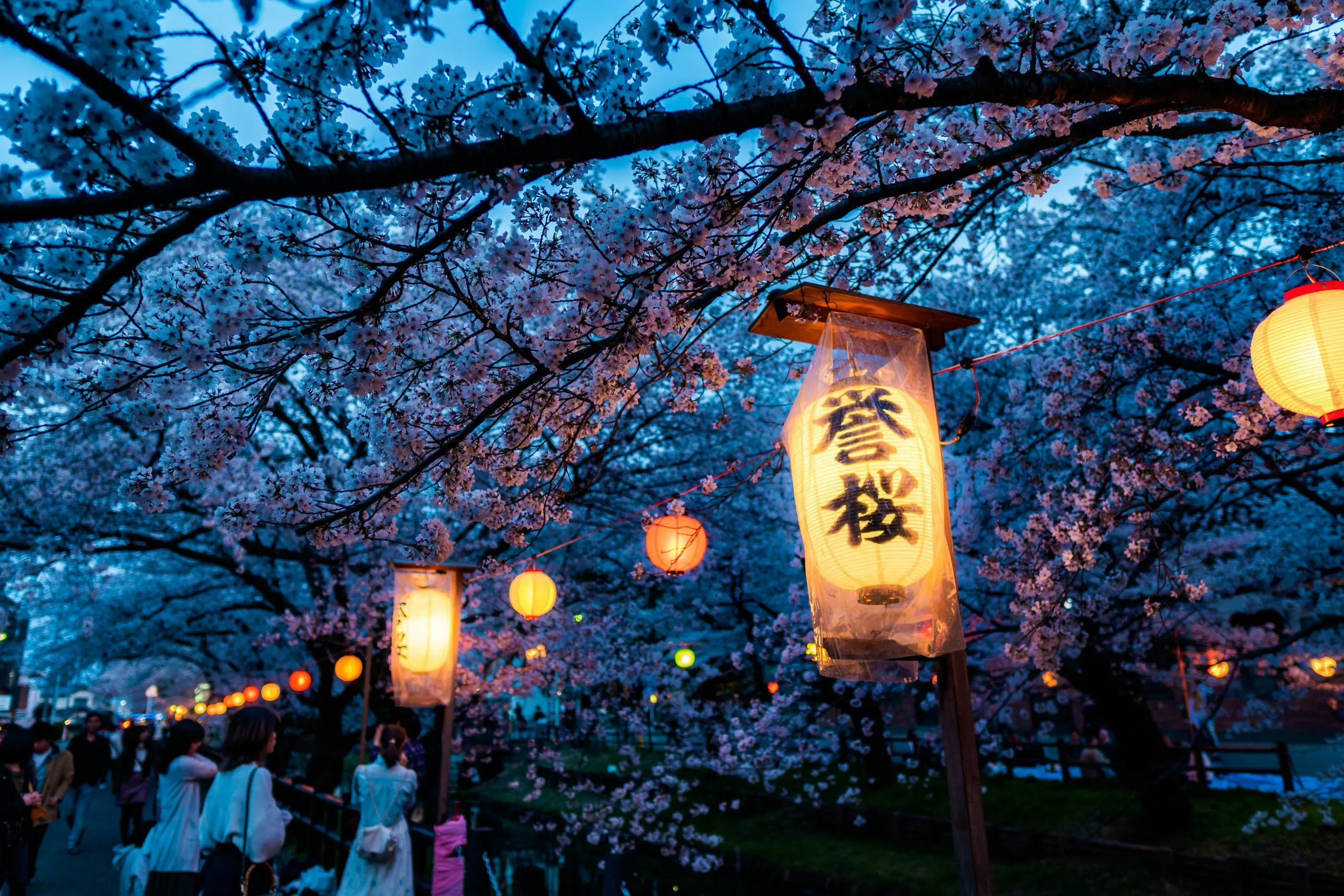
For one fleeting week or two each spring, Japan turns pink, and the entire country stops to look. Hanami, literally flower viewing, is the centuries-old ritual of gathering beneath the blooming cherry trees to eat, drink, and simply behold the blossoms. It is the most beautiful festival in Japan, and its beauty is inseparable from its brevity. The blossoms last only days, and that is precisely why the Japanese cherish them so deeply.
Beauty because it ends
The cherry blossom, sakura, is not just pretty, it is philosophy made visible. The flowers bloom in a sudden, glorious cloud and then fall within days, and this transience is the entire meaning. The blossom embodies mono no aware, the gentle, bittersweet Japanese awareness of the impermanence of all things, the poignant beauty of what cannot last. To sit beneath the sakura is to be reminded, softly, that life itself is brief and lovely and passing, and to find that thought beautiful rather than sad.
Hanami is an ancient practice, dating back over a thousand years to the aristocrats of the Nara and Heian eras who composed poetry beneath the blossoms, and it spread over the centuries to become a beloved ritual for everyone. Today the whole nation watches the sakura forecast as the bloom sweeps north across the country, and when it arrives, parks fill, offices empty early, and millions gather to honour a flower.
The Japanese do not love the cherry blossom in spite of the fact that it falls within days. They love it because it falls within days.
On mono no aware
What hanami actually looks like
In practice, hanami is wonderfully simple: people lay out blue tarps beneath the cherry trees in parks and gardens and settle in for a picnic, with food, drink, friends, and family, all under a ceiling of pink and white blossom. Companies send junior staff early to claim the best spots. The mood is festive but gentle, joyful and a little contemplative at once. As evening falls, many spots are lit with lanterns for yozakura, night viewing, the blossoms glowing softly in the dark, which has a magic all its own.
The classic settings are legendary: the great parks of Tokyo and Kyoto, castle moats lined with blossom, temple gardens, rivers whose banks turn into tunnels of pink. Petals drift down on the breeze in a soft pink snow the Japanese call sakura fubuki, blossom blizzard. It is, simply, one of the most beautiful things you can witness, and you witness it alongside a whole country doing the same.
The challenge: timing the bloom
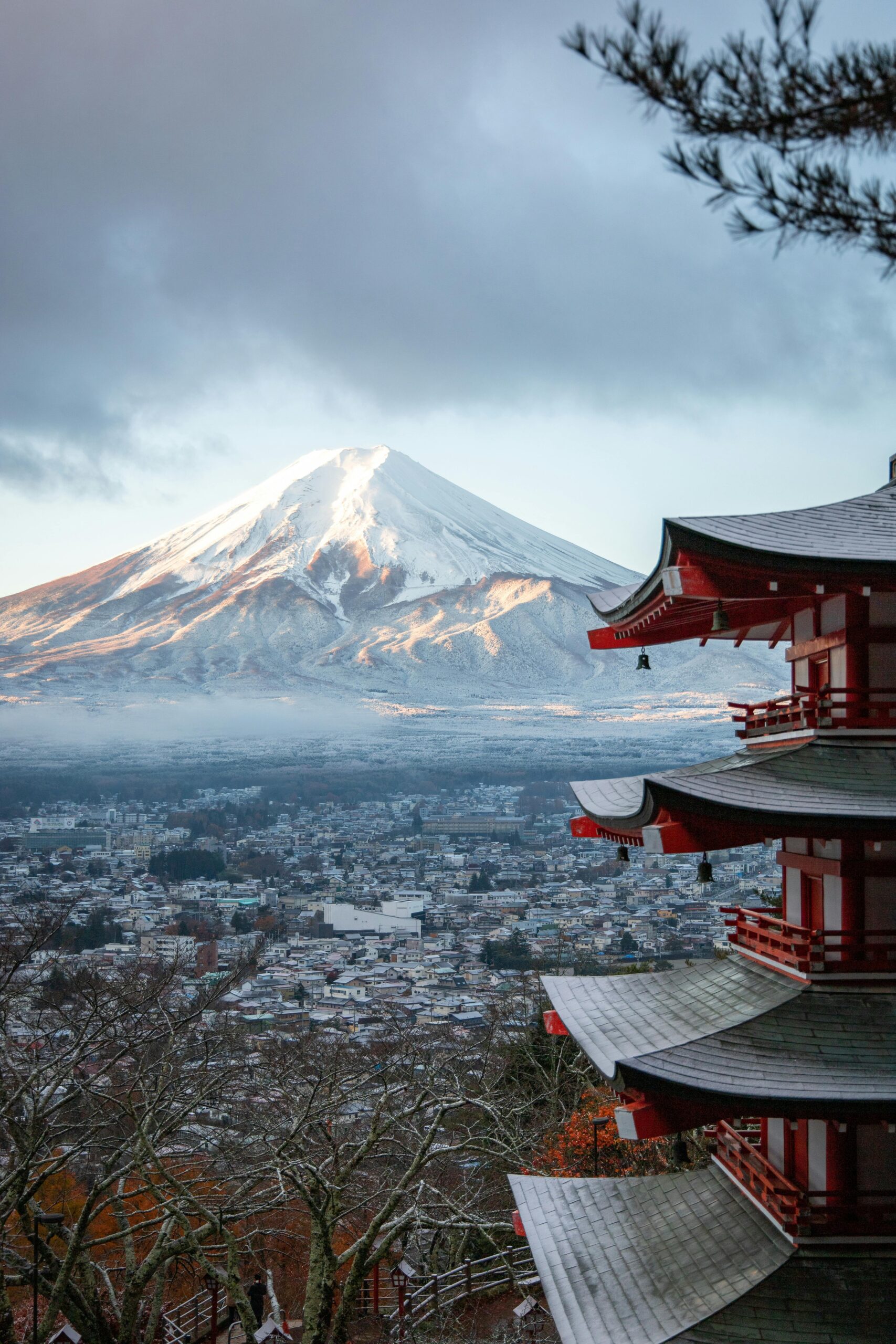
The hardest part of hanami is being there for it, because the bloom is brief and its timing shifts each year with the weather. The cherry blossom front generally moves from the warmer south to the cooler north across late March into April, reaching the main cities of Tokyo and Kyoto typically around late March to early April, but it can arrive a week early or late, and peak bloom in any one place lasts only days. Chasing it takes a little planning and a little luck.
- Aim for late March to early April for Tokyo and Kyoto, the most popular and reliable window, but watch the annual forecast closely.
- Book Japan early. This is peak travel season; flights and hotels fill and prices climb months in advance.
- Build in flexibility. Because timing is uncertain, a route with several blossom locations improves your odds of catching peak bloom somewhere.
- See it at night too. Yozakura, the lantern-lit evening viewing, is a different and unforgettable experience from the daytime picnics.
- Be a gentle guest. Do not pull branches or shake trees for petals, and take all your rubbish away. The blossoms are cherished.
A festival of stillness
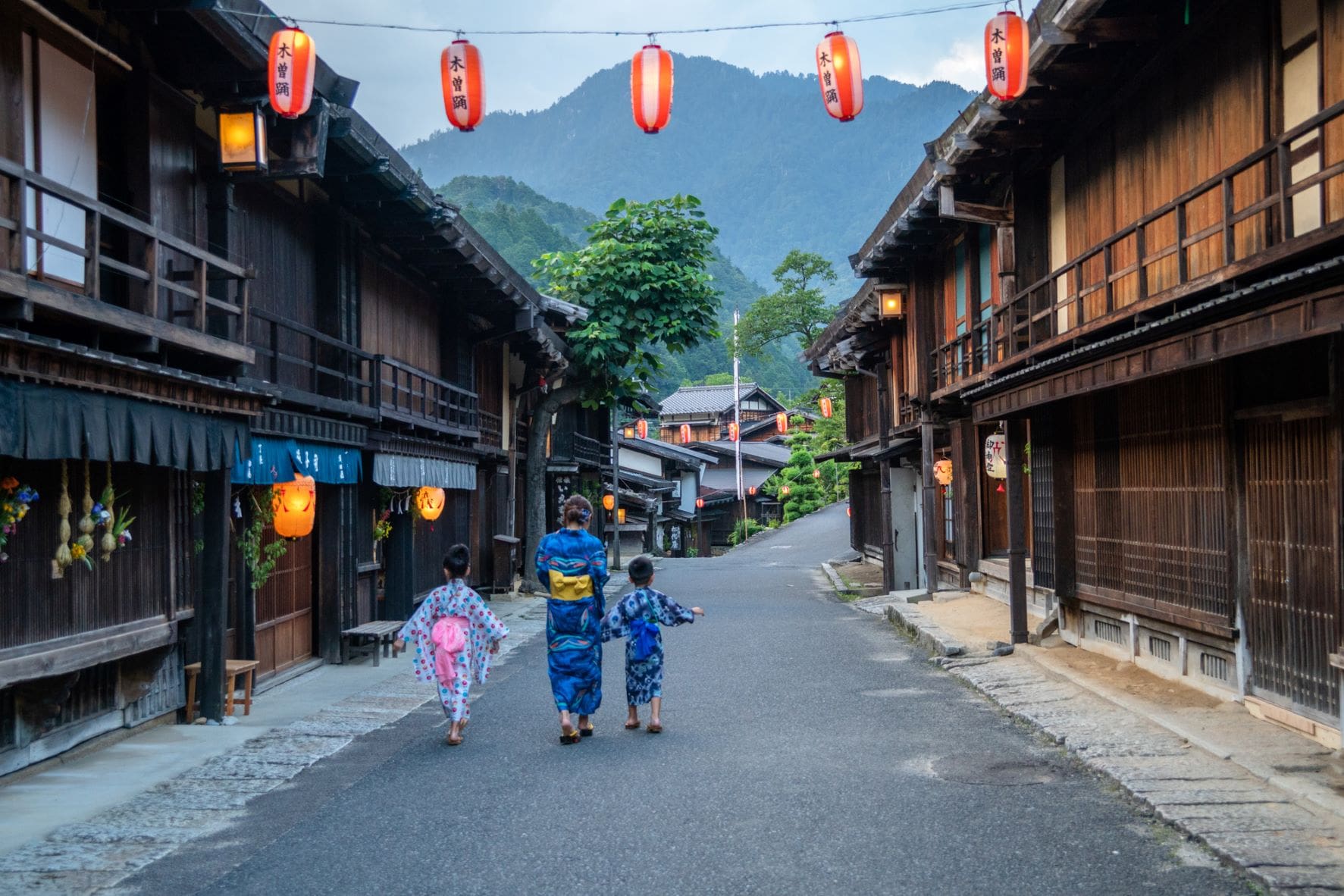
Unlike the riotous water of Songkran or the colour of Holi, hanami is a festival of quiet, of sitting still and looking. And yet it is no less moving for it. To share a picnic blanket under a canopy of falling blossom, surrounded by a whole nation pausing together to appreciate something beautiful precisely because it will not last, is to understand something essential about Japan, its reverence for nature, its sense of the seasons, its deep, refined feeling for the bittersweet. It stays with you long after the petals have fallen.
Most festivals are loud. Hanami asks only that you sit beneath the blossom and notice, before it falls, how beautiful and brief the whole thing is.
On the OJ Japan cherry blossom trip the journey is built around catching the sakura at its peak, the parks, the temple gardens, the castle moats lined with pink, the lantern-lit evenings beneath the trees. Because the temples and the bullet trains are extraordinary year-round, but to be in Japan when the whole country turns pink and pauses to look, together, is to witness the most beautiful thing the country does, in the brief window when it does it.
Frequently asked
When is the cherry blossom season in Japan?
The cherry blossom front moves from the warmer south to the cooler north across late March into April. The popular cities of Tokyo and Kyoto typically peak around late March to early April, but the exact timing shifts each year with the weather and peak bloom in any one place lasts only days. Watch the annual sakura forecast closely.
What is hanami?
Hanami means flower viewing, the centuries-old Japanese tradition of gathering beneath blooming cherry trees to picnic, drink, and admire the blossoms. It dates back over a thousand years to Heian-era aristocrats. The brevity of the bloom is central to its meaning, embodying mono no aware, the bittersweet appreciation of the impermanence of beautiful things.
How do you plan a trip around the cherry blossoms?
Aim for late March to early April for Tokyo and Kyoto, book flights and accommodation months ahead since it is peak season, and build flexibility into your route with several blossom locations to improve your chances of catching peak bloom. See it both by day and at night, when lantern-lit yozakura viewing offers a different kind of magic.