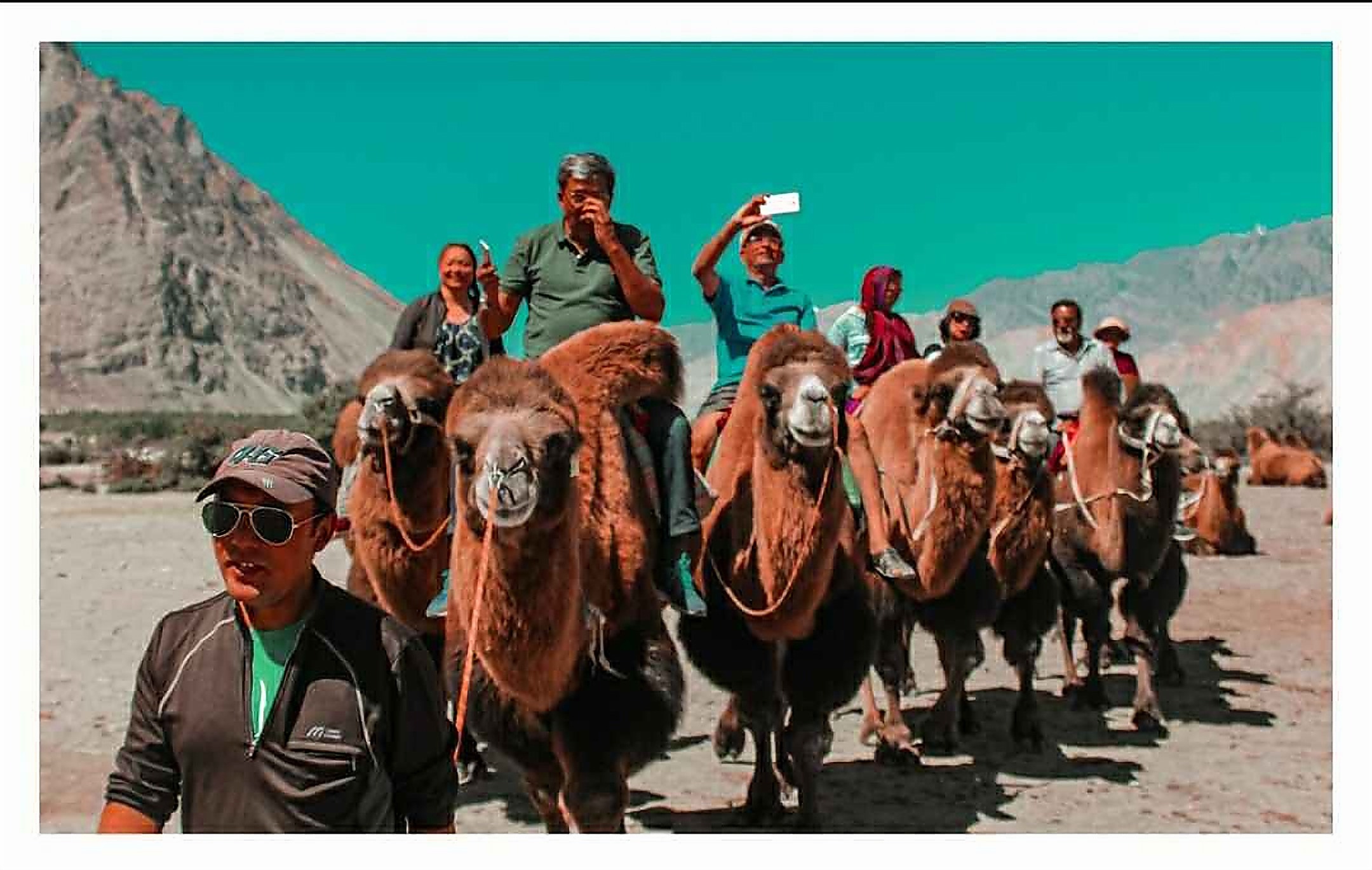
On the open steppe, hospitality is not a nicety, it is a survival pact. For centuries a traveller crossing Mongolia's vast emptiness could knock on any ger, the round felt tent of the nomads, and be fed and sheltered without question, because one day the host might be the traveller. Out of that life-or-death generosity grew a precise code of ger etiquette, and knowing it is how you honour one of the last great nomadic cultures on earth.
How to enter, and how to move
Approaching a ger, it is polite to call out softly rather than knock, often a phrase to let them know you are there. Step in leading with the correct foot and, crucially, never step on the threshold, the wooden base of the doorway. Stepping on it is a serious breach, traditionally seen as an insult to the household, almost like stepping on the family's neck. Lift your feet over it.
Inside, move clockwise around the central hearth. The back of the ger, opposite the door, is the place of honour and often holds the family altar; the west side is traditionally for men and guests, the east for the household, though this relaxes in practice. Do not walk between the two central support columns, and do not rush to the honoured spot uninvited. Watch where your host gestures and follow.
On the steppe, the door of a stranger's home is never locked, because the next traveller in the storm might be you. That is the whole logic of the ger.
On nomad hospitality
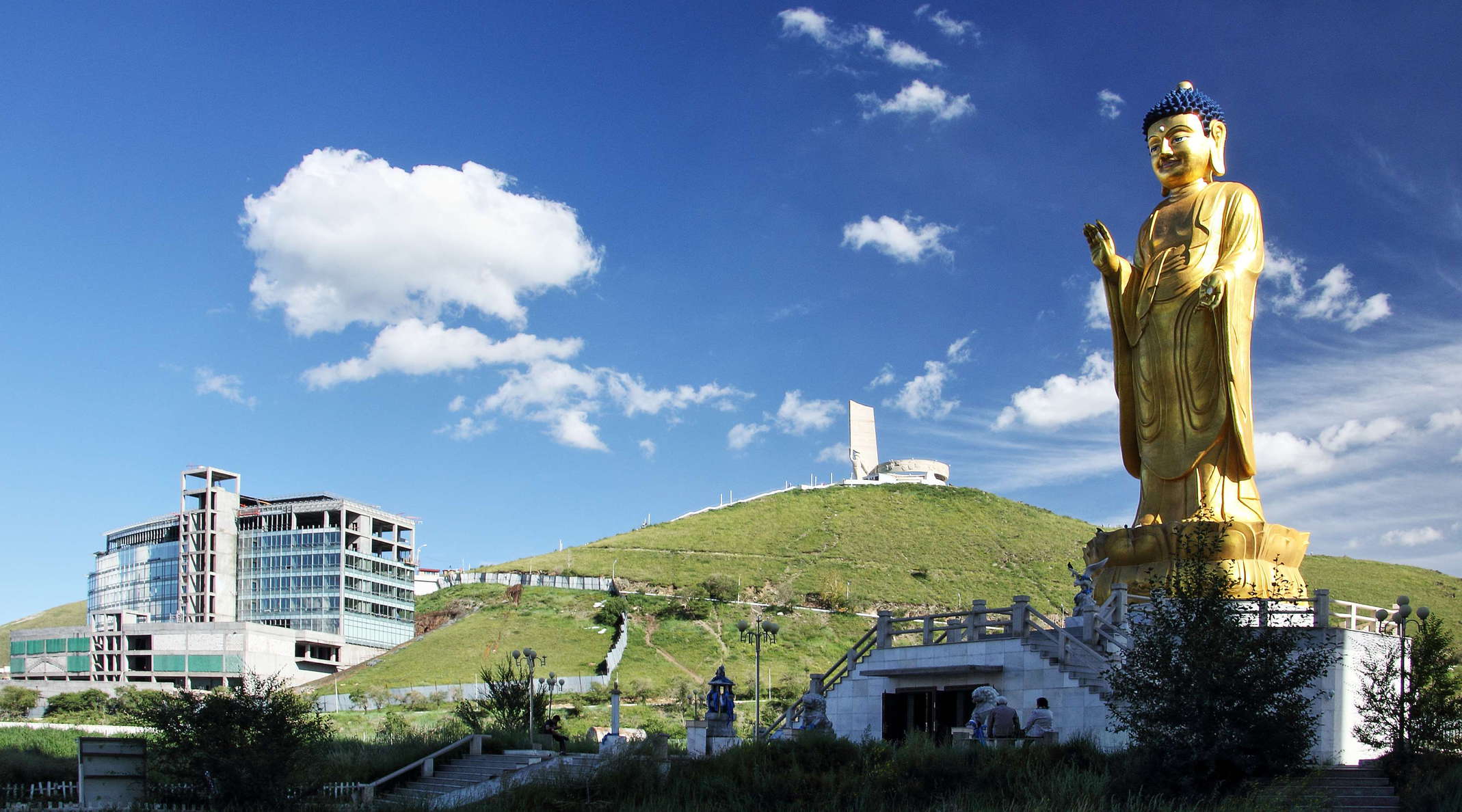
You accept what is offered, always
A guest in a ger will be offered something almost immediately, usually suutei tsai, salty milk tea, along with dairy snacks: dried curds, clotted cream, perhaps airag, fermented mare's milk, in season. You accept, even if only a sip or a taste. Refusing outright is rude; receiving the bowl with your right hand, or the right supported by the left under the elbow, and taking at least a little, is the courteous response. Taking the offered snack, even one piece, completes the exchange.
When you take a cup or a shared snuff bottle, the same right-hand respect applies. The snuff bottle, passed among men in greeting, is received with the right hand, a sniff or a polite gesture given, and passed back. These little rituals are the social glue of a culture spread thin across enormous distances, and joining them properly marks you as a respectful guest rather than a gawking tourist.
The taboos that matter most
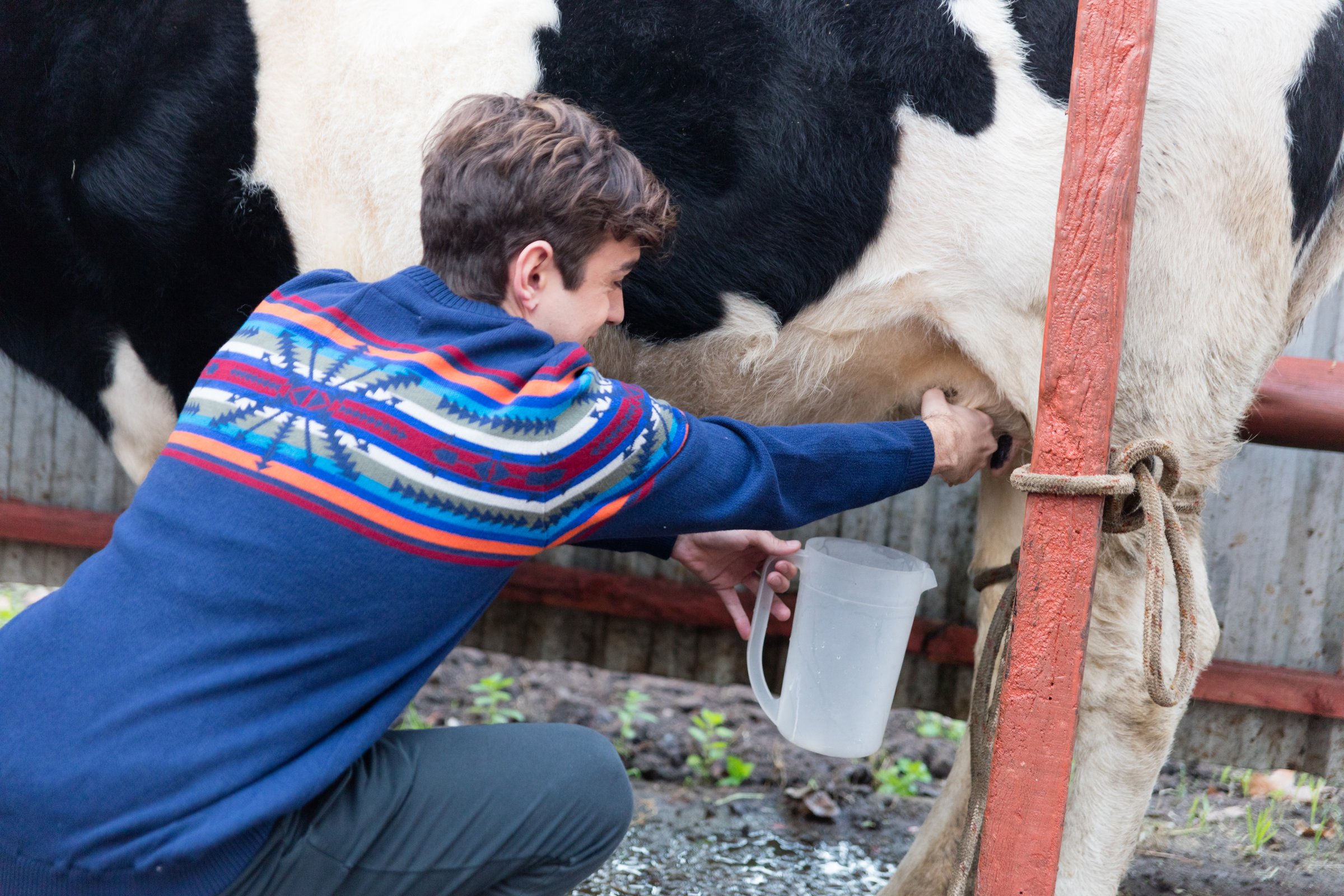
Some actions carry real weight inside a ger. Never point your feet at the hearth or the altar, the fire is sacred, the heart of the home, so sit with your feet tucked away or pointing to the door, never soles-out toward the centre or the family shrine. Do not whistle inside a ger, and do not lean against the support columns or touch another person's hat, all considered disrespectful. Fire itself is revered: do not throw rubbish or water on it, or step over it.
- Never step on the threshold. Lift your feet over the doorframe, always.
- Move clockwise inside, and do not take the place of honour at the back uninvited.
- Accept the milk tea and dairy with your right hand. At least taste what is offered.
- Keep your feet away from the fire and altar. Soles pointed at the hearth is a real offence.
- Do not whistle indoors, touch hats, or disrespect the fire. These are taken seriously.
A culture worth meeting on its own terms
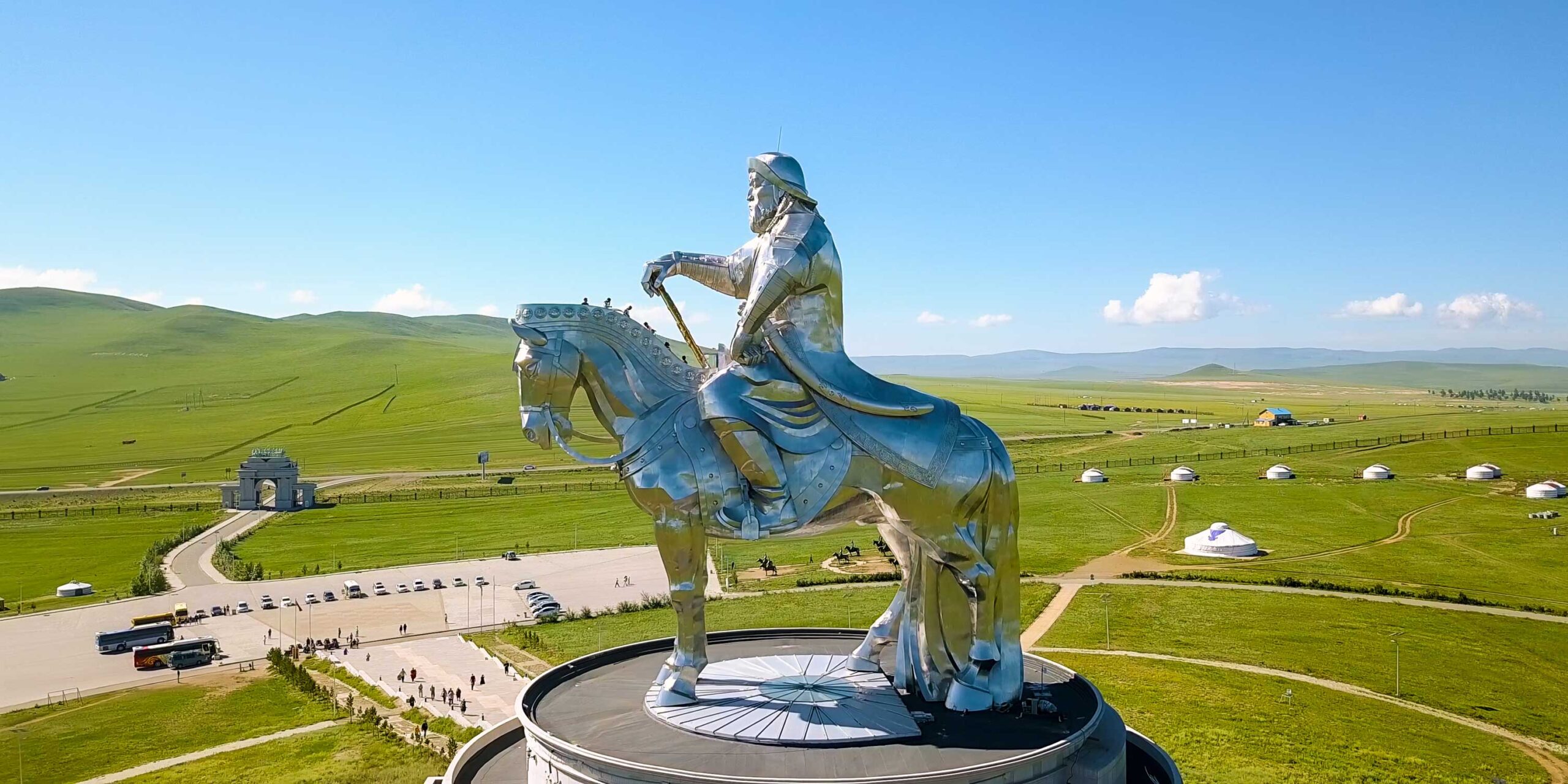
Mongolia is one of the last places where a genuinely nomadic way of life persists, herders moving with the seasons, deeply tied to their animals, the land, and the eternal blue sky, Tengri, they have revered for millennia. The hospitality you receive in a ger is not a performance for visitors; it is the real code by which these communities have always treated travellers. Approaching it with humility, learning the few rules that matter, and accepting the generosity with grace is how you honour it, and how the steppe opens itself to you in return.
You do not visit a ger as a tourist. You enter it as a traveller in from the cold, which is the only kind of guest the steppe has ever known.
On the OJ Mongolia trip the nights in a ger are the heart of the journey, the salty tea pressed into your hands, the snacks you accept, the fire you learn not to point your feet at. Because the endless steppe and the wild horses are the spectacle, but being welcomed into a nomad's home, and knowing how to be a good guest in it, is the part that stays with you for the rest of your life.
Frequently asked
What are the rules for entering a Mongolian ger?
Call out softly rather than knock, and never step on the wooden threshold of the doorway, which is a serious insult; lift your feet over it. Inside, move clockwise around the central hearth, do not walk between the support columns, and do not take the honoured spot at the back uninvited. Follow where your host gestures.
Should I accept food offered in a ger?
Yes, always at least taste it. Guests are offered salty milk tea and dairy snacks almost immediately, and refusing outright is rude. Receive the bowl with your right hand, or right hand supported by the left under the elbow, and take at least a sip or one piece. Accepting completes the hospitality exchange.
What should I never do inside a ger?
Never point your feet at the hearth or family altar, as the fire is sacred and the soles-out gesture is a real offence; tuck your feet away. Do not whistle indoors, lean on the support columns, touch others' hats, or disrespect the fire by throwing rubbish or water on it or stepping over it.