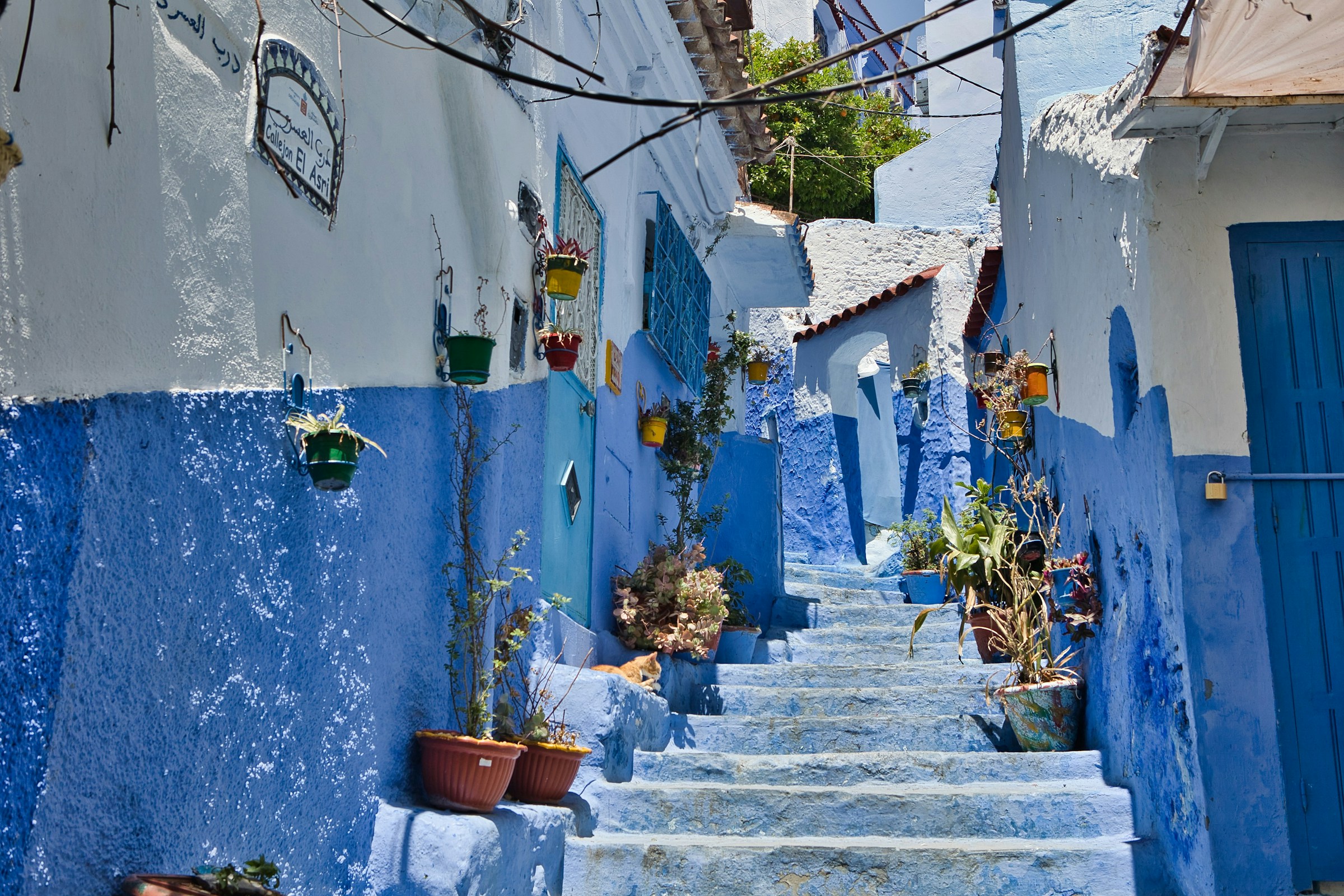
The medina, the old walled city at the heart of Marrakech or Fes, is one of the great human environments on earth and also a finely tuned machine for separating tourists from their money. Both things are true at once. The lanes are deliberately maze-like, the vendors are charming and relentless, and the line between genuine Moroccan hospitality and a practiced sales tactic can be genuinely hard to read. Here is how to enjoy the medina, which is the point, without feeling played, which ruins it.
The medina is designed to confuse you, and that is historical
The twisting, illogical layout of a medina is not chaos, it is medieval urban design, built to confuse invaders and to create shade and community. The Fes medina is one of the largest car-free urban areas in the world and getting lost in it is genuinely easy, even with a phone, because GPS struggles among the high walls. This is worth knowing because the disorientation is real, not your failure, and it is also the medina's oldest sales tool: a lost tourist is a vulnerable customer.
The honest move for first-timers is a local guide for the first medina visit, especially in Fes. Not because you cannot manage, but because a good guide turns the maze from a stressful gauntlet into a navigable wonder, handles the vendor pressure for you, and shows you the workshops and corners you would never find. After one guided visit, you can wander the next day with confidence.
A lost tourist is a vulnerable customer, and the medina was literally built to get you lost. That is not paranoia, it is medieval urban planning still doing its job.
On the maze
The friendly helper is sometimes a setup
Here is the most common medina trap, and knowing it defuses it. A friendly local notices you looking lost or at a closed-looking passage, and warns you the way ahead is closed, or a festival is happening, or the tannery is this way, and offers to guide you. They walk you somewhere, often a shop owned by a friend or relative, and then expect payment for the unrequested guiding, sometimes aggressively.
The defence is not rudeness, it is a polite firmness. A smile, a clear no thank you, la shukran in Arabic, and continuing to walk. Do not accept unrequested help, do not follow someone who approaches you, and if you genuinely need directions, ask a shopkeeper in their shop or a woman or an older person, who are far less likely to be running the scheme. The vast majority of Moroccans are warm and honest, but the medina has a layer of practiced hustle on top, and learning to tell them apart is the skill.

Haggling is theatre, and you have a role
In the souk, the price is a starting position, not a fact, and haggling is expected, even enjoyed, a social performance with rules. The opening price quoted to a tourist may be three or four times what the vendor will accept. The dance is: they quote high, you counter low, perhaps a third of their opening, you move toward each other with feigned reluctance, walking-away is a legitimate and powerful move, and you settle somewhere in the middle.
The key is to haggle with good humour, not hostility. It is a game, and treating it as a fight sours it for everyone. Decide your maximum before you start, enjoy the back-and-forth, and remember that the difference you are fighting over may be small in your currency and meaningful in theirs. And the cardinal rule: never start haggling for something you do not intend to buy, because beginning the negotiation is a commitment, and abandoning it after a real price is reached is genuinely rude.
The mint tea changes everything
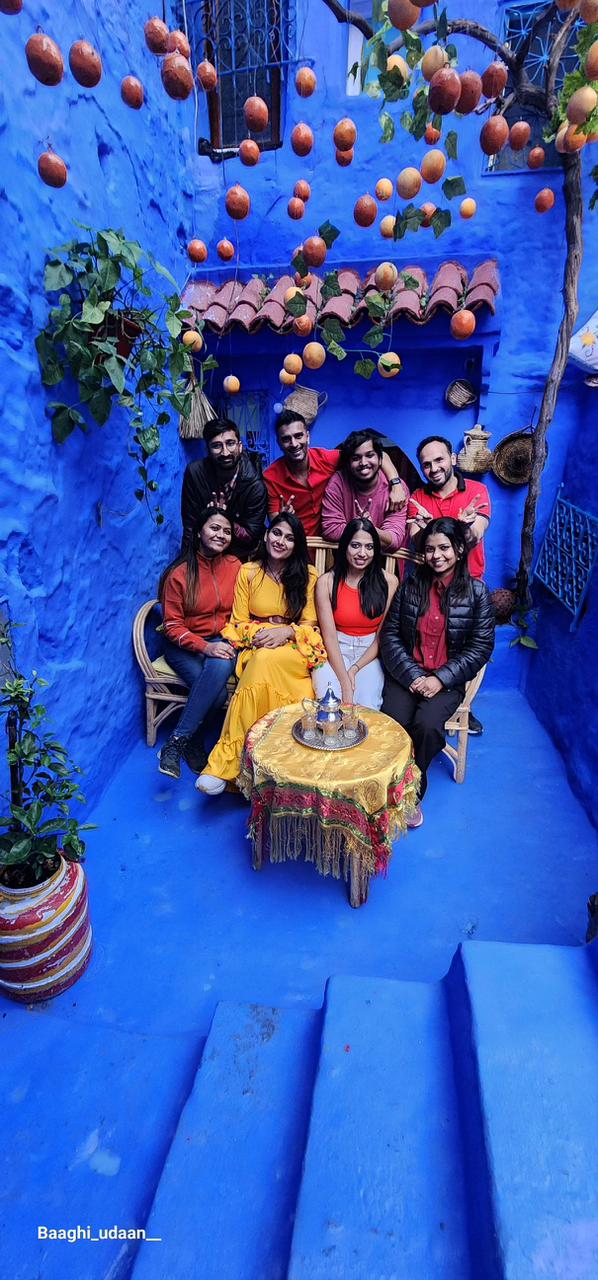
When a shopkeeper offers you mint tea, something real is happening underneath the commerce. Moroccan hospitality is genuine and ancient, and the tea is its medium. Accepting it does create a softer, more human interaction, and yes, it also makes you slightly more likely to buy, both things are true. You are not obligated to purchase after accepting tea, despite what the pressure might suggest, but you are obligated to be gracious. Sit, drink, talk. If you do not buy, thank them sincerely. The tea is not a trap, it is the older, better layer of the same culture that also produced the hustle.
- Use a local guide for your first medina visit, especially in Fes. It transforms the experience.
- Do not accept unrequested help or follow anyone who approaches you offering directions.
- Learn la shukran, no thank you, and say it with a smile while walking.
- Haggle with good humour, decide your maximum first, and be willing to walk away.
- Never start haggling for something you will not buy.
- Accept mint tea graciously, enjoy it, and feel no obligation to purchase.
Dress, Ramadan, and respect
Morocco is a Muslim country and dressing modestly, covered shoulders and knees, especially in the medinas and away from tourist resorts, earns respect and reduces unwanted attention, particularly for women. During Ramadan, the month of fasting, eating, drinking, or smoking in public during daylight is deeply disrespectful, even for non-Muslims, so be discreet. And the broad principle: photograph people only with permission, especially women, and be aware that pointing a camera at someone in the medina may come with a request for payment. Respect first, and Morocco gives back warmth that the hustle layer never touches.
The hustle and the hospitality are the same culture wearing two faces. Learn to tell them apart and the medina becomes the wonder it actually is.
On the OJ Morocco trip we put a vetted local guide with the group for the Marrakech and Fes medinas precisely because it changes everything, the maze becomes navigable, the vendor pressure gets handled, and the group is free to actually see the place rather than defend against it. The medina is one of the most extraordinary environments you will ever walk through. You just need someone who knows it to walk you in the first time.
Frequently asked
Do I need a guide for the Moroccan medina?
For your first visit, especially in Fes, yes, it is strongly recommended. The medinas are deliberately maze-like, GPS struggles among the high walls, and a good guide handles the vendor pressure and shows you corners you would never find. After one guided visit you can wander confidently on your own the next day.
How do I haggle in a Moroccan souk?
Haggling is expected and treated as social theatre. The opening price for tourists may be three to four times the real price. Counter at about a third, move toward each other, and use walking away as a tool. Decide your maximum first, haggle with good humour not hostility, and never start negotiating for something you will not buy.
What is the friendly helper scam in the medina?
A local notices you looking lost, claims the way ahead is closed or offers to show you the tannery, guides you somewhere, often a relative's shop, then demands payment. The defence is polite firmness: a smile, la shukran, and continuing to walk. Do not accept unrequested help or follow anyone who approaches you.