
New Zealand has fewer people than many single cities and more sheep than it can count, sits alone in the South Pacific, and grows some of the cleanest produce on earth. The food that comes out of that is paddock-to-plate by default rather than by trend, with a Maori soul underneath and a quiet confidence on top. It does not shout. It just hands you an ingredient grown an hour away and lets it speak.
The hangi cooks a feast underground
The oldest and most meaningful way to eat in New Zealand is the hangi, the traditional Maori method of cooking in an earth oven. A pit is dug, stones are heated until they glow, and baskets of meat and vegetables, lamb, pork, chicken, kumara, potato, pumpkin, are lowered in, covered, and left to steam slowly in the ground for hours. The food comes out tender and faintly smoky, infused with the earth itself.
A hangi is not a cooking technique you order off a menu so much as a communal event, prepared for gatherings and special occasions, rooted in Maori culture. To share one is to be let into something, the same way the long table is in Greece or shuwa is in Oman. It is food as belonging, cooked by the land it came from.
A hangi is not a barbecue. It is the land cooking your dinner for you, slowly, the way it has for centuries.
On the earth oven

The lamb and the produce are genuinely world class
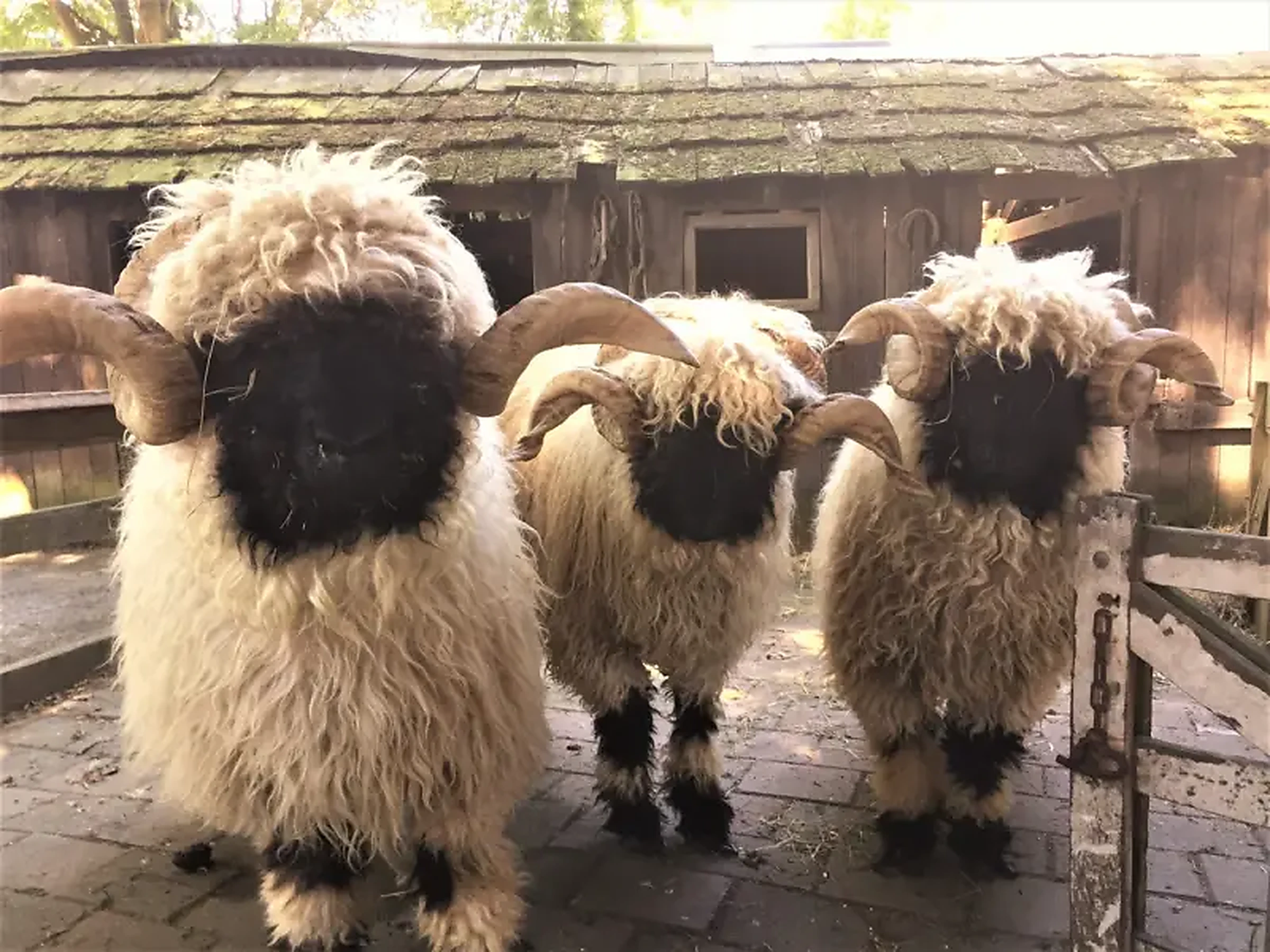
New Zealand lamb has a global reputation, and it is earned: free-ranging animals on green hills give meat that is tender and clean. Beef and venison are excellent too. But the quiet revelation is the produce and the dairy. The clean air, rich soil, and temperate climate produce vegetables, fruit, cheese, and butter of a quality that makes simple cooking taste like skill. A New Zealand summer salad of just-picked tomatoes and good olive oil tastes like something a chef did, when really the farm did it.
From the sea come treasures: the green-lipped mussel, large and sweet and unique to New Zealand waters, the prized crayfish, and whitebait, tiny fish folded into a fritter that locals treat as a seasonal delicacy. The country eats its coastline as happily as its hills.
A pavlova, a flat white, and two arguments with Australia
New Zealand has two great culinary disputes with its neighbour across the Tasman, and it cares about both. The first is the pavlova, the meringue dessert crisp outside and marshmallow-soft within, piled with cream and fresh fruit, especially kiwifruit. Both countries claim to have invented it. New Zealanders are quietly certain it is theirs.
The second is the flat white, the espresso-and-steamed-milk coffee that New Zealand and Australia both insist they created, and which New Zealand cafe culture has perfected. Coffee here is taken seriously, the cafes are excellent, and the flat white is a point of national pride. Add the homegrown sweets, the hokey pokey ice cream studded with honeycomb toffee and the soft-drink L&P, and you have a small country with very firm opinions about its own table.

What to eat across the islands
- Lamb, the national meat, at its best simply roasted so the quality carries it.
- Green-lipped mussels and crayfish, the South Pacific seafood you cannot get this fresh elsewhere.
- Kumara, the Maori sweet potato, central to the hangi and to everyday cooking.
- Manuka honey, the prized, intense honey from the manuka bush, worth tasting at the source.
- Marlborough sauvignon blanc and Central Otago pinot noir, world-class wine from regions you can actually visit between stops.
The vegetarian reality
New Zealand is genuinely easy and rewarding for vegetarians, precisely because the produce is the strongest part of the larder. The cafe culture is sophisticated and vegetable-literate, farmers markets overflow, and the quality of the vegetables, fruit, cheese, and bread means a meatless meal here is a pleasure rather than a compromise. A vegetarian misses the lamb and the hangi meat, but gains a country where a plate of seasonal vegetables is already exceptional. Among the easier countries in the world to eat green.
A country with this few people and this much good land does not need to try hard with food. It just has to not get in the way of the ingredients.
On the OJ New Zealand trip the food rides alongside the landscape, the lamb and the just-picked produce, the green-lipped mussels on the coast, the flat white before a big drive, the wine from a region you pass through. You came for the mountains, the fjords, and the long empty roads. The clean, honest plate is the part that quietly tells you why people never want to leave.
Frequently asked
Is New Zealand good for vegetarians?
Among the easiest countries in the world for it. The produce, dairy, and bread are world class, the cafe culture is sophisticated and vegetable-literate, and farmers markets are everywhere. A vegetarian misses the famous lamb and the hangi meat but gains a place where a simple plate of seasonal vegetables is already exceptional.
What is a hangi?
A hangi is the traditional Maori method of cooking food in an earth oven: heated stones in a pit, baskets of meat and vegetables lowered in, covered, and steamed slowly underground for hours. The result is tender and faintly smoky. It is usually a communal event for gatherings rather than an everyday meal, and sharing one is a cultural privilege.
Did New Zealand invent the flat white and the pavlova?
New Zealand claims both, and disputes both hotly with Australia. The flat white, espresso with steamed milk, is a point of national pride and New Zealand cafe culture has perfected it. The pavlova, a cream-and-fruit-topped meringue, is claimed by both countries. New Zealanders are quietly certain both are theirs.