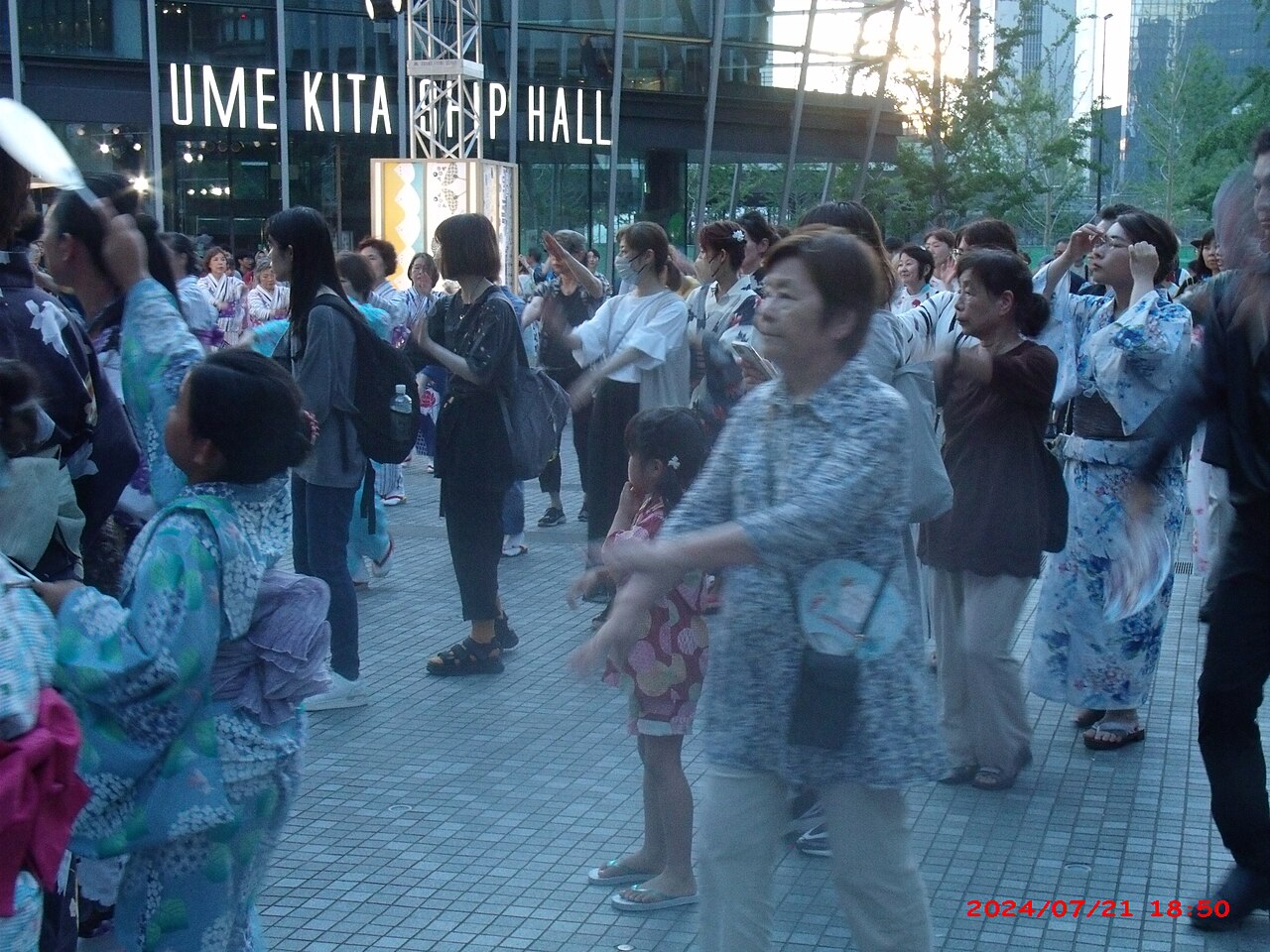
In the heat of the Japanese summer, there is a festival when the dead come home. Obon is a Buddhist tradition, centuries old, when families believe the spirits of their ancestors return to the world of the living to visit. It is a beautiful blend of the solemn and the joyful: families clean graves and light lanterns to guide the spirits home, and then, far from mourning, whole neighbourhoods gather to dance in welcome. Obon is Japan honouring its dead by celebrating them.
Welcoming the ancestors home
Obon is rooted in Buddhist belief and the deep Japanese reverence for ancestors. During the festival, usually held in mid-August across most of Japan, the spirits of the departed are thought to return to their family homes. To welcome them, families clean and visit the graves of their ancestors, make offerings at home altars, and light lanterns, the lanterns serving as guides to lead the spirits home through the summer dark and, at the festival's end, to send them gently back.
This is, at its core, a tender act of remembrance and connection across the boundary of death, a few days each year when families feel their ancestors near and honour the unbroken line between the living and the dead. Like the great festivals of remembrance in other cultures, it treats the departed not as gone but as cherished and present, welcomed back with love.
Obon does not mourn the dead. It lights lanterns to guide them home, sets them a place, and then dances in the street to welcome them back.
On the festival of the dead
The dance, the lanterns, and the fire
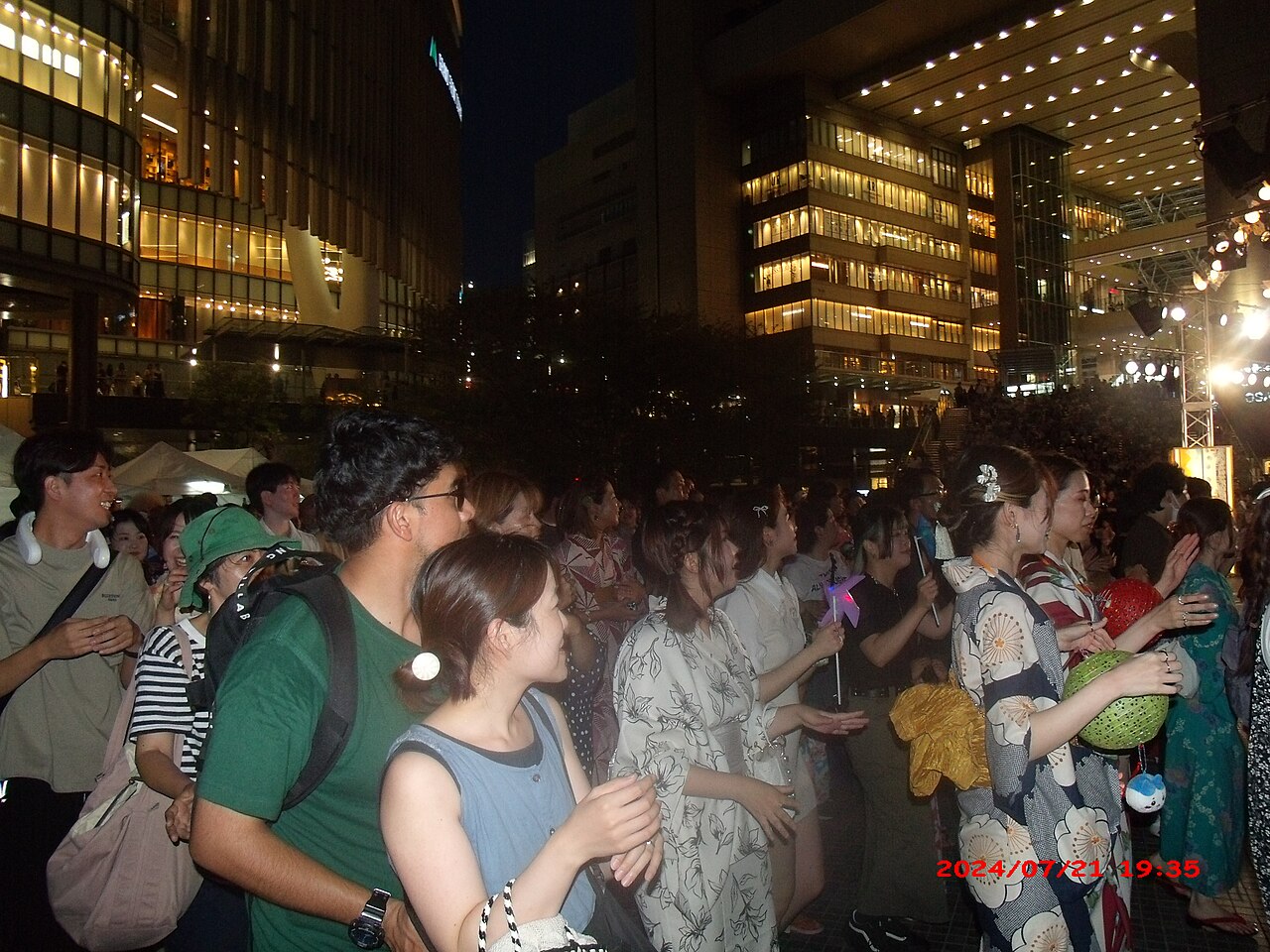
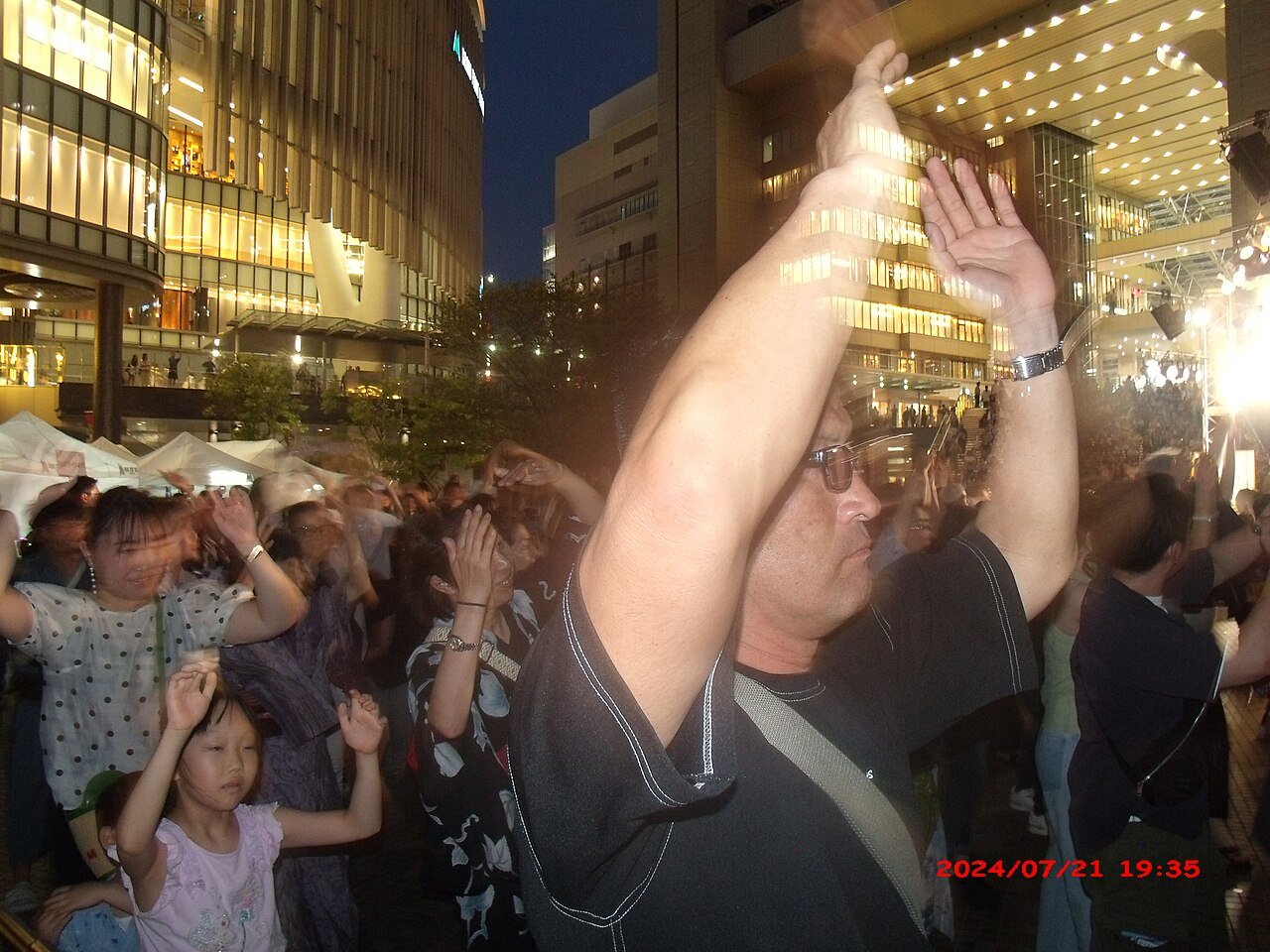
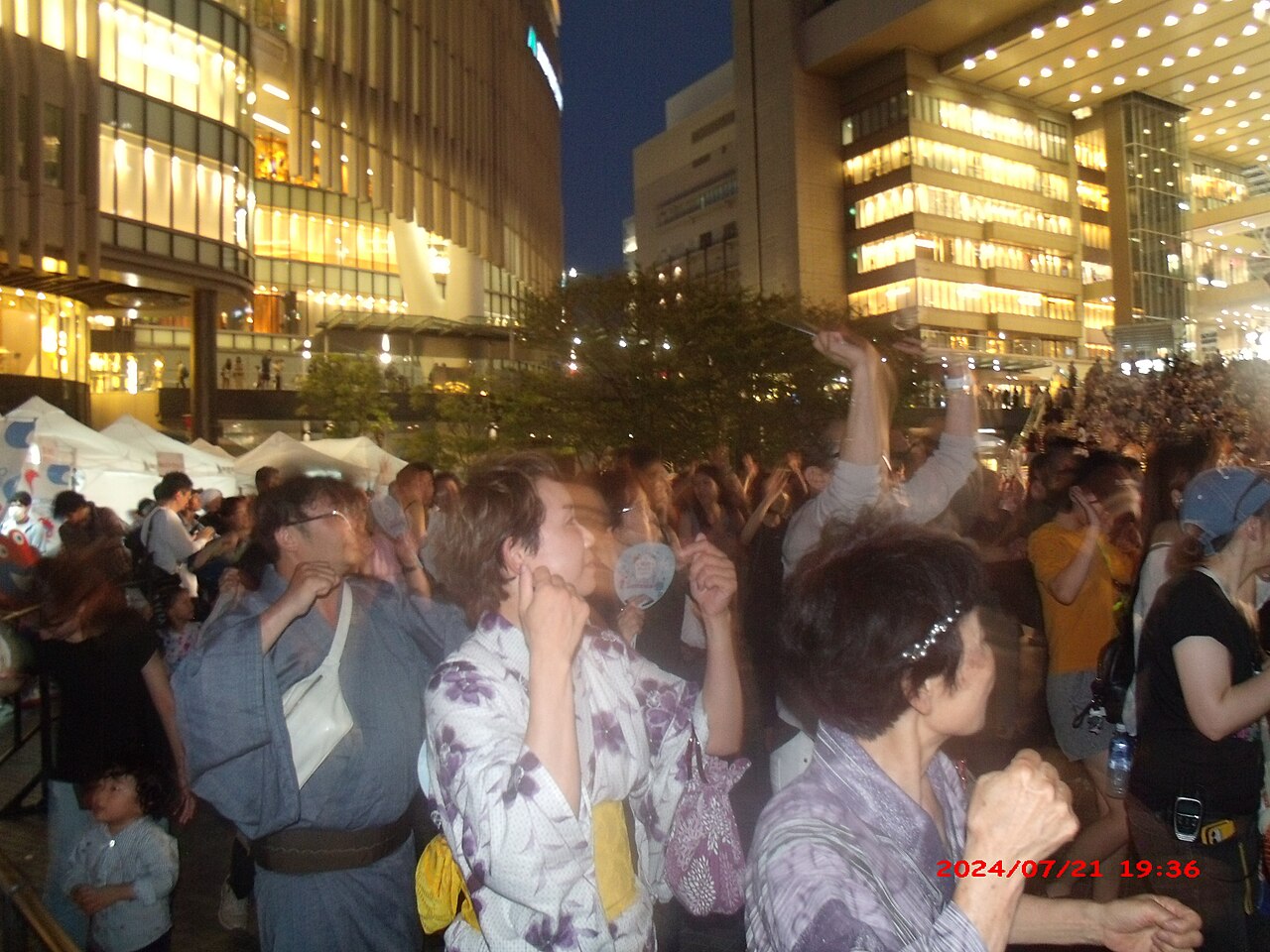
What makes Obon so special is that the remembrance turns into celebration. The festival's most beloved feature is the Bon Odori, the Bon dance, held in towns and neighbourhoods everywhere. People gather, often in light summer yukata, around a raised wooden tower called a yagura, and dance in a great circle to traditional music and taiko drums, a communal, joyful, welcoming dance that anyone, including visitors, can simply join. Each region has its own style and songs, and the atmosphere, lanterns glowing, drums beating, everyone dancing in the warm night, is pure summer magic.
Water and fire feature too. In toro nagashi, families float paper lanterns down rivers and out to sea at the festival's end, sending the spirits gracefully back, a quietly beautiful sight of glowing lights drifting on dark water. And in Kyoto, the festival ends with the spectacular Gozan no Okuribi, when giant bonfires in the shape of characters and symbols are lit on the mountains around the city to send off the ancestors, visible for miles.
How to experience it well
- It is mostly held in mid-August, though some regions observe it in July. It is a major holiday period when many Japanese travel home, so transport is busy.
- Join a Bon Odori dance. These neighbourhood dances are open and welcoming. Watch the steps, fall in, and dance, no skill required.
- Wear a yukata if you can. The light summer kimono is part of the festival's atmosphere and easy to rent in many places.
- Seek out the lantern and fire ceremonies, the river lantern floating of toro nagashi, and in Kyoto the mountain bonfires of Gozan no Okuribi.
- Hold the two moods together. Respect the solemn, ancestral heart of the festival while enjoying the genuine summer-night joy of the dancing.
Remembrance as celebration
Obon captures something profound and very Japanese: the refusal to separate grief from joy, the dead from the living, the solemn from the festive. It honours ancestors not with sorrow but with lanterns and dancing, treating the return of the departed as a reason to gather, to wear bright cotton, to drum and dance under the summer moon. For a traveller, joining a Bon Odori, falling into the circle of dancers in the lantern light, is to be welcomed into one of the warmest expressions of the Japanese soul.
Japan's most touching festival is also one of its most joyful. The lesson of Obon is that you can honour the dead best by dancing for them.
On the OJ Japan trip the country's living traditions are woven through the journey alongside its modern marvels, and where the timing aligns, the lantern-lit magic of a festival like Obon. Because the bullet trains and the neon dazzle, but to join a neighbourhood dancing in yukata under the lanterns, welcoming the ancestors home, is to feel the deep, warm continuity of culture that beats beneath Japan's gleaming surface.
Frequently asked
When is Obon celebrated in Japan?
Obon is most commonly held in mid-August across most of Japan, though some regions, including parts of Tokyo, observe it in mid-July. It lasts about three days and is a major holiday period when many Japanese travel to their hometowns, so transport and accommodation are busy. The exact local timing varies by region.
What is the Bon Odori?
The Bon Odori is the Bon dance, the joyful, communal heart of the Obon festival. People gather, often in light summer yukata, around a raised tower called a yagura and dance in a great circle to traditional music and taiko drums to welcome the ancestral spirits. Each region has its own dances, and visitors are welcome to join in, no skill required.
What does Obon celebrate?
Obon is a Buddhist festival honouring ancestors, when their spirits are believed to return home to visit the living. Families clean graves, make offerings, and light lanterns to guide the spirits, then welcome them with Bon Odori dances. It ends with sending the spirits back via floating river lanterns and, in Kyoto, giant mountain bonfires. It blends solemn remembrance with summer celebration.