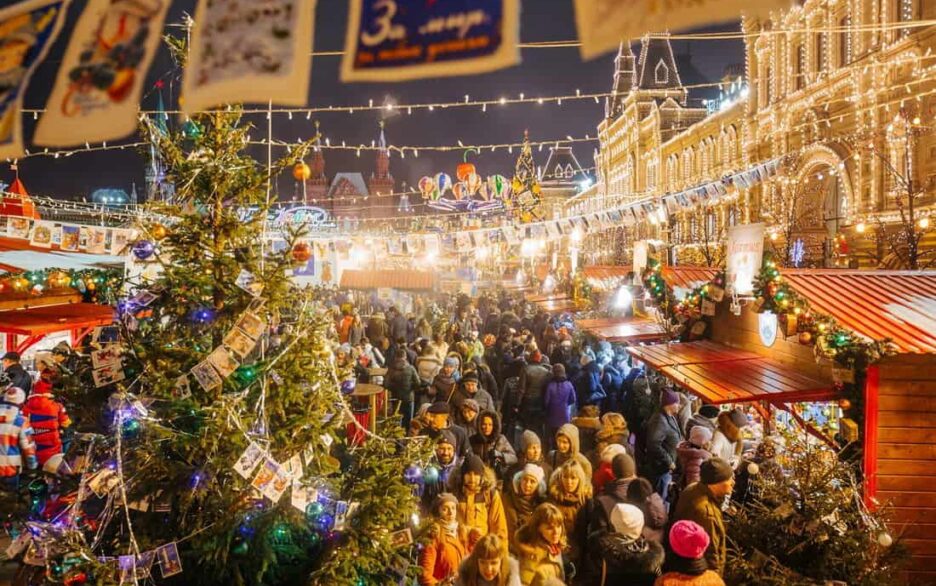
Visitors often come back from Russia confused, the people on the street seemed so stern, and then a stranger invited them home and fed them for six hours. Both are true, and they are the same culture. Russia simply draws the line between public and private differently than most places: cool and serious with strangers, overwhelmingly warm once you are inside the circle. Understand that one distinction and the whole country stops seeming contradictory.
The unsmiling street is not unfriendliness
The single most misread thing about Russia is the lack of smiling. Russians do not smile at strangers, and an unprompted smile at someone you do not know can read as insincere, suspicious, or even simple-minded, there is a Russian saying that smiling for no reason is a sign of foolishness. A smile in Russia is meaningful, reserved for friends, genuine warmth, real amusement, not a social lubricant handed to everyone.
So do not be unnerved by serious faces in shops, on the metro, in the street. It is not hostility; it is a culture where a public smile is not the default currency it is in, say, America or the Philippines. The flip side is that when a Russian does smile at you, it means something real. Match the register: be polite and sincere rather than relentlessly grinning, and you will read as trustworthy rather than odd.
A Russian smile is not a greeting. It is a small, sincere event reserved for people who have earned it, which is exactly why it means so much when it arrives.
On the famous Russian reserve
The warmth behind the door
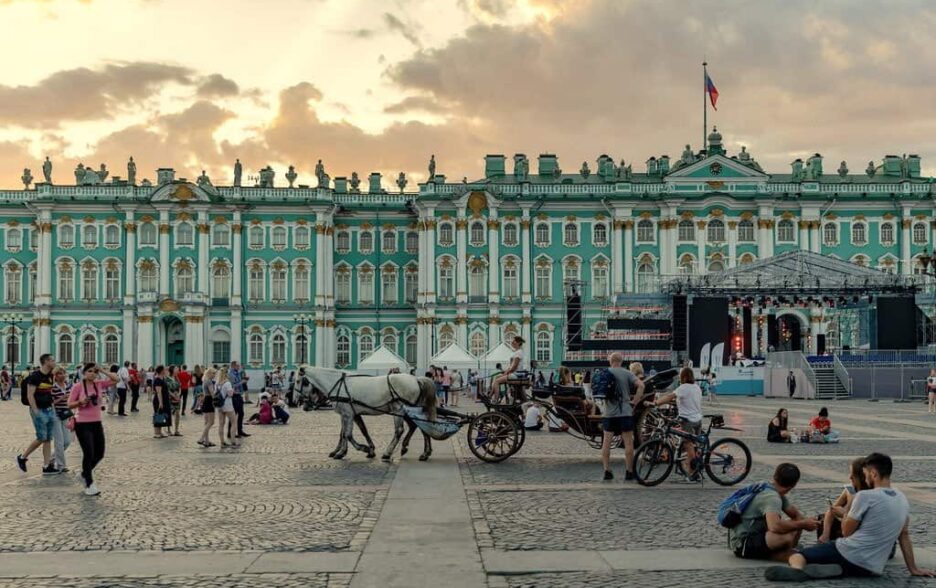
Cross the threshold into a Russian home, though, and the reserve vanishes. Russian hospitality is legendary and overwhelming: guests are fed until they protest and then fed more, toasted repeatedly, pressed to stay, treated with a generosity that can feel almost like a competition to give. Refusing food or drink can disappoint a host who has prepared lavishly, so accept what you can, and a small gift, flowers, chocolates, something from your country, is the right thing to bring.
One famous setting for this warmth is the banya, the Russian bathhouse, a beloved ritual of intense heat, birch branches used to gently strike and stimulate the skin, and cold plunges, followed by tea, food, and long conversation. To be invited to a banya is to be invited into Russian friendship itself. It is social, restorative, and deeply traditional, and going along with the ritual, however intense, is a genuine honour.
The superstitions are real, and worth knowing
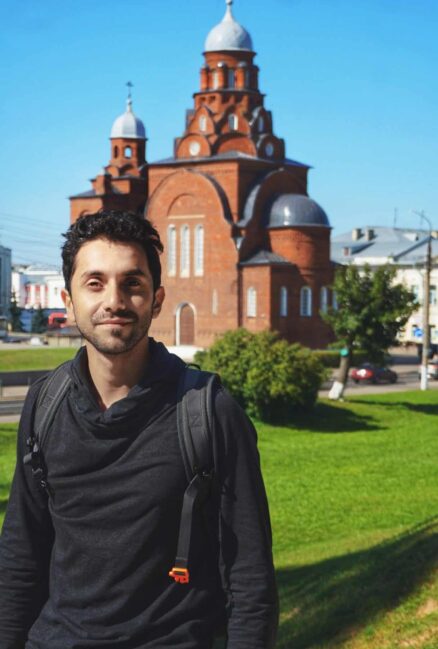
Russians, even modern urban ones, observe a web of small superstitions, and following them shows respect. Do not shake hands or pass anything across a threshold, step fully inside first, as the doorway is thought to host spirits and an across-the-threshold handshake brings bad luck. Before a long journey, everyone sits down in silence for a moment, a charming tradition to ensure a safe trip. Do not whistle indoors, it is said to whistle your money away.
Flowers come with their own rule: give an odd number of flowers for happy occasions, as even numbers are strictly for funerals, a mistake that can genuinely upset. At the table, vodka toasting has its own etiquette, toasts are made before drinking, often heartfelt, and it is polite to keep glasses filled for others. None of this is hard, and observing the big ones marks you as a considerate guest rather than an oblivious tourist.
The rules worth carrying
- Do not smile relentlessly at strangers. It reads as insincere. Be sincere and polite instead; save smiles for warmth.
- Accept hospitality generously. Behind the reserve, Russian warmth is overwhelming. Refusing food can disappoint.
- Never shake hands across a threshold. Step fully inside first. Sit briefly in silence before a long journey.
- Give odd numbers of flowers. Even numbers are strictly for funerals.
- Remove your shoes in homes, where slippers are usually offered, and bring a small gift when invited.
A culture worth reading past the cliche
Russia is one of the most stereotyped cultures in the world, and almost all the stereotypes miss the point, mistaking reserve for coldness, seriousness for hostility, the unsmiling public face for the whole person. The reality is a culture of deep feeling, fierce loyalty, soulful conversation, and a private warmth that humbles the people lucky enough to receive it. The traveller who understands that the stern street and the endless banquet are the same Russians, drawing the line between stranger and guest in their own way, gets to cross that line, and finds one of the most generous welcomes in the world on the far side.
The cold street and the six-hour feast are not a contradiction. They are the same culture, deciding very deliberately who is a stranger and who is finally a guest.
On the OJ Russia trip we move through the country knowing how to read it, the sincere register on the street, the warmth accepted gladly behind the door, the small superstitions observed with a smile. Because the palaces of St Petersburg and the vastness of the railway are the spectacle, but the moment a reserved stranger decides you are a guest, and the whole table opens up, is the part that quietly dismantles everything you thought you knew about Russia.
Frequently asked
Why don't Russians smile at strangers?
In Russian culture, a smile is meaningful and sincere, reserved for friends and genuine warmth, not a social default offered to everyone. Smiling at strangers for no reason can read as insincere or even foolish; there is a Russian saying to that effect. It is not hostility. When a Russian does smile at you, it is real and means something.
What is a banya?
The banya is the traditional Russian bathhouse, a cherished social ritual of intense dry or steam heat, gentle slapping with leafy birch branches to stimulate circulation, and cold plunges, followed by tea, food, and conversation. Being invited to a banya is an invitation into Russian friendship. Going along with the ritual, however intense, is a genuine honour.
What Russian superstitions should travellers know?
Do not shake hands or pass things across a threshold, step fully inside first. Sit down in silence for a moment before a long journey. Do not whistle indoors, said to whistle your money away. And always give an odd number of flowers, since even numbers are strictly for funerals. Observing these shows respect and avoids genuine offence.