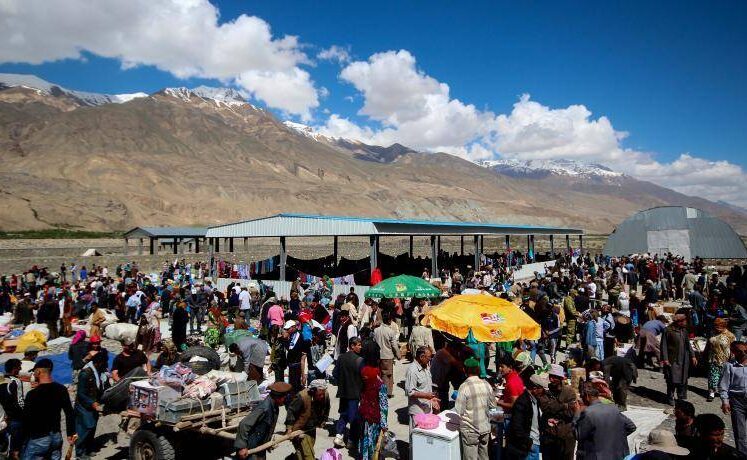
In the high Pamir, where the road is among the loneliest on earth and the villages are scattered thin, hospitality is not optional, it is the deepest law of the mountains. A traveller is welcomed, fed, and seated at the dastarkhan, the cloth spread with bread, fruit, sweets, and tea, before anything else is discussed. To travel here well is to learn how to receive that generosity gracefully, because in the Pamir the welcome is the whole culture.
The dastarkhan is hospitality made visible
When you enter a Tajik or Pamiri home, you are seated at the dastarkhan, often a cloth laid on the floor or a low table, already loaded with non bread, dried fruit, nuts, sweets, and a pot of tea. This appears for any guest, instantly, regardless of how little the household has. The generosity can be humbling, especially in poor mountain villages, and the right response is to receive it warmly, eat a little of what is offered, and never make a host feel their hospitality is inadequate.
Tea, choy, flows continuously, usually green, poured into small bowls called piyola. A host may pour your bowl only part full, which is not stinginess but courtesy: it means they expect to refill it often and keep your tea hot, a sign you are welcome to stay. Accept the tea, always. Refusing the first bowl is close to refusing the welcome itself.
In the Pamir, a household with almost nothing will still spread bread and tea before you within minutes. The poorer the village, the more humbling the welcome.
On the dastarkhan
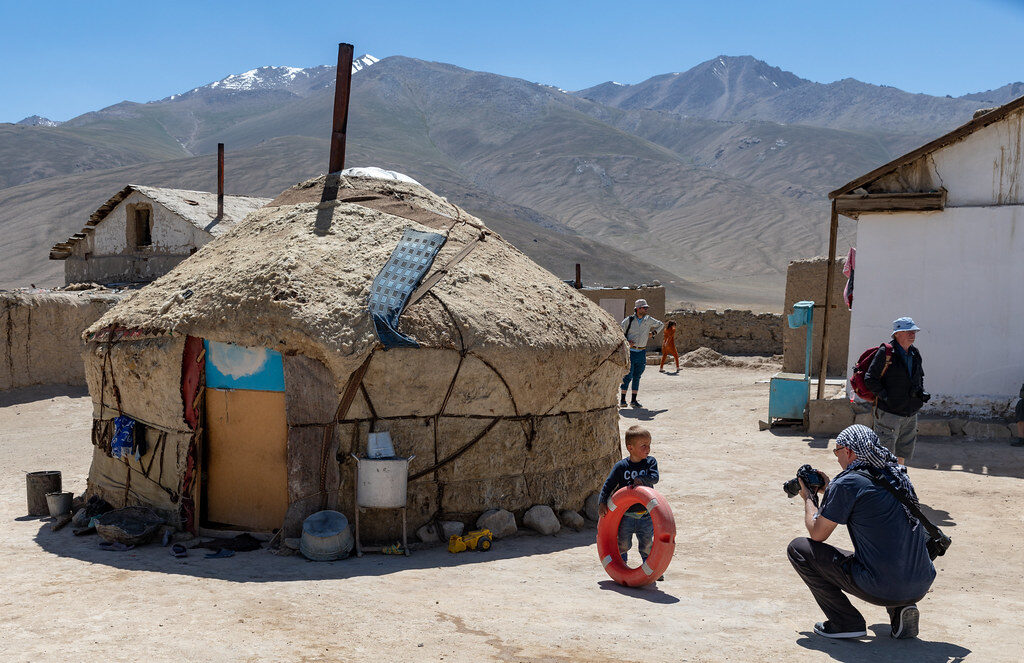
The bread carries its own rules
As across Central Asia, non, the round tandoor-baked flatbread, is sacred, and it comes with etiquette that matters more than almost anything else at the table. Never place bread upside down. Never set it on the ground or step over it. Tear it with your hands rather than cutting it with a knife, and never waste it. Bread is the staff of life here, treated with a reverence that runs back centuries, and handling it carelessly is one of the few things that genuinely jars a host.
Eat and pass things with your right hand, the left being considered unclean for food, and when you take bread or food from a shared plate, take from your own side. These small disciplines, the right hand, the respect for bread, the readiness to share, are the grammar of the Central Asian table, and they apply from a roadside tea house to the grandest celebration.
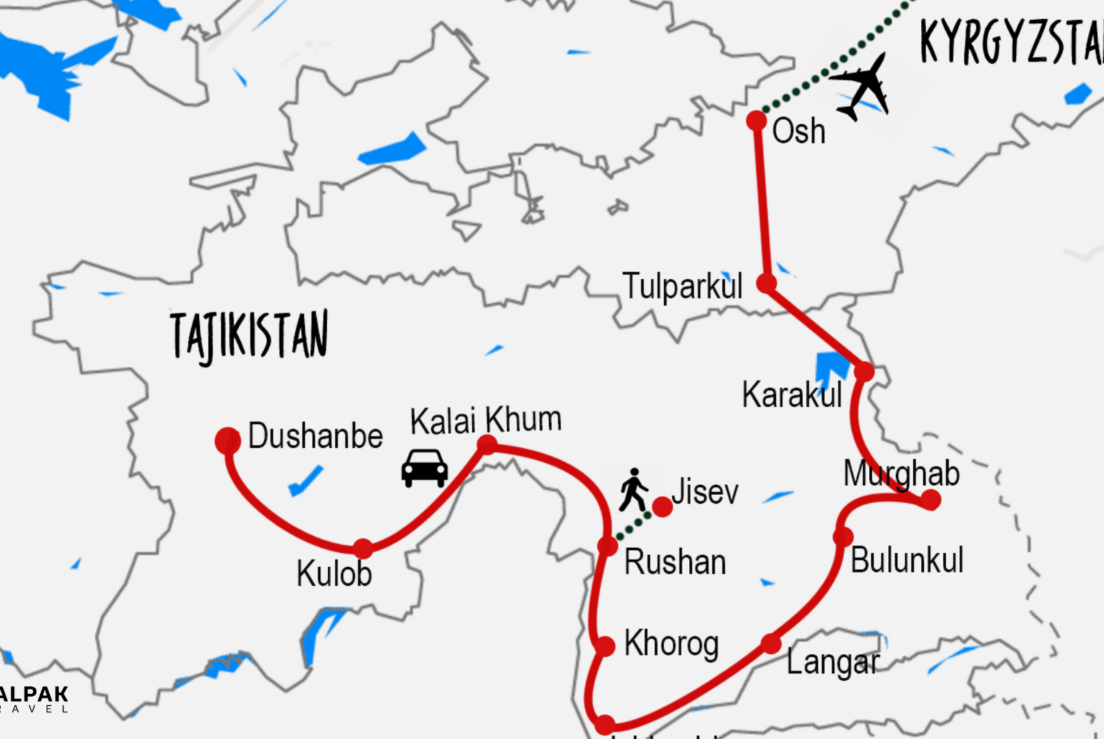
Modesty, photography, and respect
Tajikistan is a Muslim country, and the Pamiris are mostly Ismaili Muslims, a distinct and famously warm community who follow the Aga Khan. Dress modestly, especially away from the cities and at religious sites, covering shoulders and knees, and women may wish to carry a scarf. Remove your shoes when entering a home. Be conscious during Ramadan, when many fast through daylight, and avoid eating conspicuously in front of those fasting.
And the rule that matters most for a respectful traveller: always ask before photographing people, especially women and elders. A landscape is free; a person's face is not. A smile, a gesture toward your camera, a moment of consent, this is the difference between a guest and an intruder. People will often happily agree, and the photo, taken with permission, is worth far more than one stolen.
The rules worth carrying
- Accept the tea and the dastarkhan. Eat a little of what is offered. Refusing the welcome is the real rudeness.
- Respect the bread. Never upside down, never on the floor, torn by hand, never wasted.
- Use your right hand to eat, give, and receive, and take food from your own side of a shared plate.
- Dress modestly and remove shoes in homes, more so in villages and at religious sites.
- Always ask before photographing people. Consent first, especially with women and elders.
A hospitality you have to learn to receive
Travellers often arrive in the Pamir braced for hardship, the altitude, the rough roads, the remoteness, and are knocked sideways instead by the kindness. Families with little will share what they have without hesitation, and the hardest skill is learning to accept that generosity gracefully rather than refusing out of guilt. The respectful traveller eats the bread, drinks the tea, brings a small gift where they can, and treats every welcome as the honour it is. Do that, and the high mountains give you something no view can: the feeling of having been genuinely taken in.
The Pamir tests your body with altitude and your character with kindness. The second test is the harder one, and learning to receive is how you pass it.
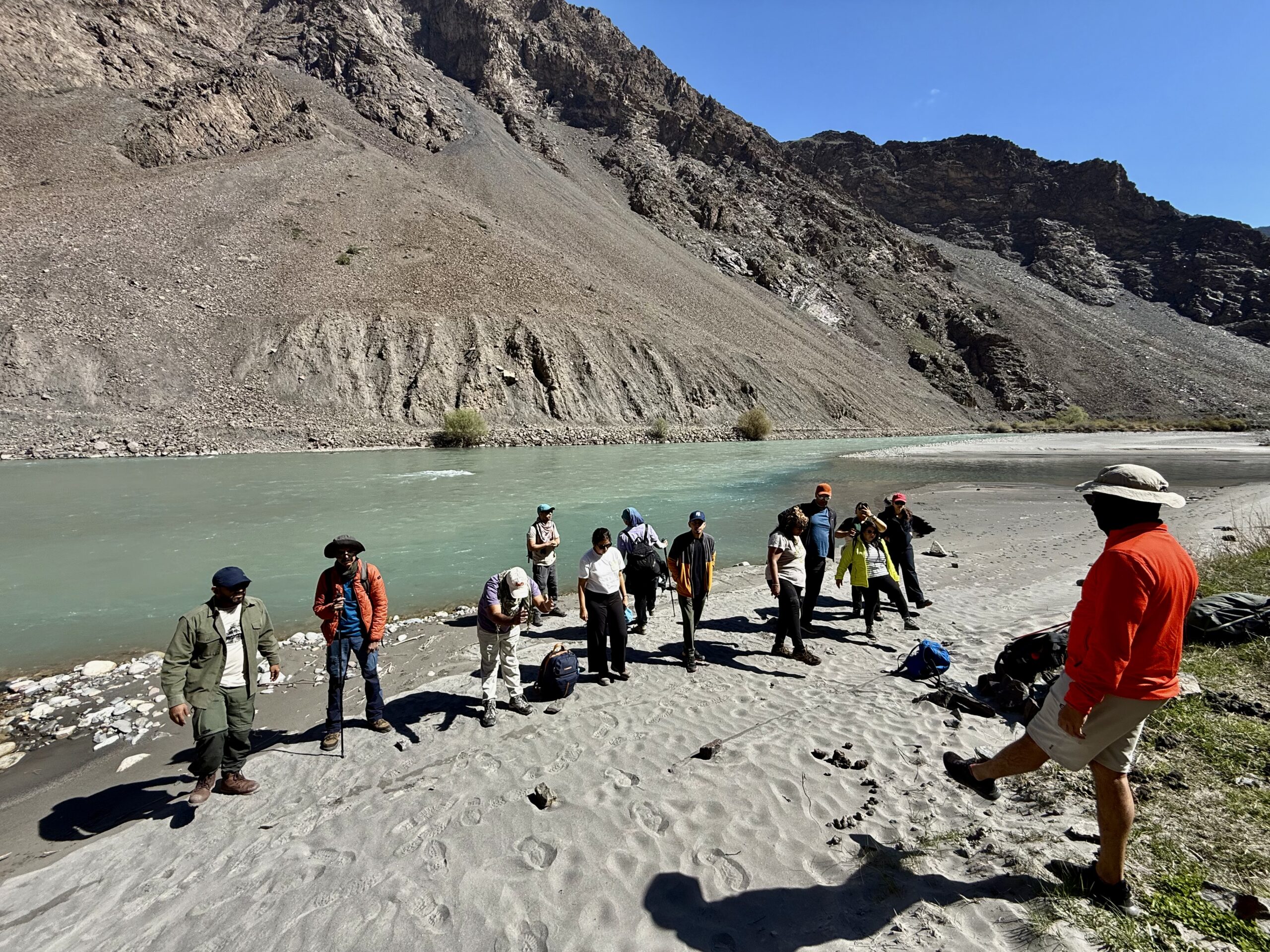
On the OJ Pamir Highway trip the homestays and tea houses are the soul of the journey, the dastarkhan spread within minutes of arriving, the bread you learn to handle with care, the photographs taken only with a smile and a nod. Because the highest road in the world is the headline, but the welcome at the end of a long mountain day is the part that quietly rewires how you think about generosity.
Frequently asked
What is a dastarkhan?
The dastarkhan is the spread of bread, dried fruit, nuts, sweets, and tea laid out for any guest in a Tajik or Pamiri home, often on a cloth on the floor or a low table. It appears within minutes of arrival regardless of how little a household has. Receive it warmly, eat a little, and never make a host feel their hospitality is inadequate.
How should I treat bread in Central Asia?
Non, the round flatbread, is sacred. Never place it upside down, never set it on the ground or step over it, tear it by hand rather than cutting it, and never waste it. Handling bread carelessly is one of the few things that genuinely offends a host. Always eat and pass food with your right hand.
Is it okay to photograph people in Tajikistan?
Always ask first, especially with women and elders. Landscapes are fine, but a person's face requires consent, a smile, a gesture toward your camera, a moment of agreement. People often happily say yes, and a photo taken with permission is far more valuable, and far more respectful, than one taken secretly.