
Indians are, on the whole, excellent at saving money and terrible at pricing risk. Nowhere is this clearer than travel insurance, which a huge number of travellers skip to save a few thousand rupees, treating it as an optional add-on, a tax on the cautious. This is one of the few genuinely foolish decisions in travel, and the math is so lopsided that once you see it, skipping insurance starts to look less like thrift and more like a bad bet against yourself.
The asymmetry is the whole point
Travel insurance for an international trip typically costs a few hundred to a couple of thousand rupees, depending on the destination and duration. That is the cost. Now consider what it covers. A medical emergency abroad, a fall, an illness, an accident, can cost lakhs without insurance, and in expensive countries, tens of lakhs. A helicopter evacuation from a trekking route can cost four to six lakhs by itself. Emergency surgery in a foreign hospital, an extended stay, a medical flight home, these are figures that can financially devastate a family.
So look at the bet you are making when you skip insurance. You are saving, say, fifteen hundred rupees. Against a potential loss of several lakhs. You are betting fifteen hundred rupees that nothing will go wrong, and if you lose that bet, you lose two hundred times what you saved, or more. No sensible person takes a bet structured like that, and yet travellers do it constantly, because the small cost is certain and visible while the large risk is uncertain and easy to ignore.
You save fifteen hundred rupees and bet it against a potential loss of several lakhs. No sensible person takes a bet structured like that, yet travellers do it constantly.
On the lopsided math
It is not just medical
People think insurance is only about medical emergencies, but the everyday claims are more mundane and more common. Trip cancellation when a family emergency forces you to abandon a paid trip. Flight delays and missed connections that cost you a night of accommodation. Lost or delayed baggage, your bag does not arrive and you need to buy clothes and essentials. Theft of your phone or valuables. These smaller events are far more likely than a medical crisis, and a decent policy covers them, turning an expensive, stressful disruption into a reimbursed inconvenience.
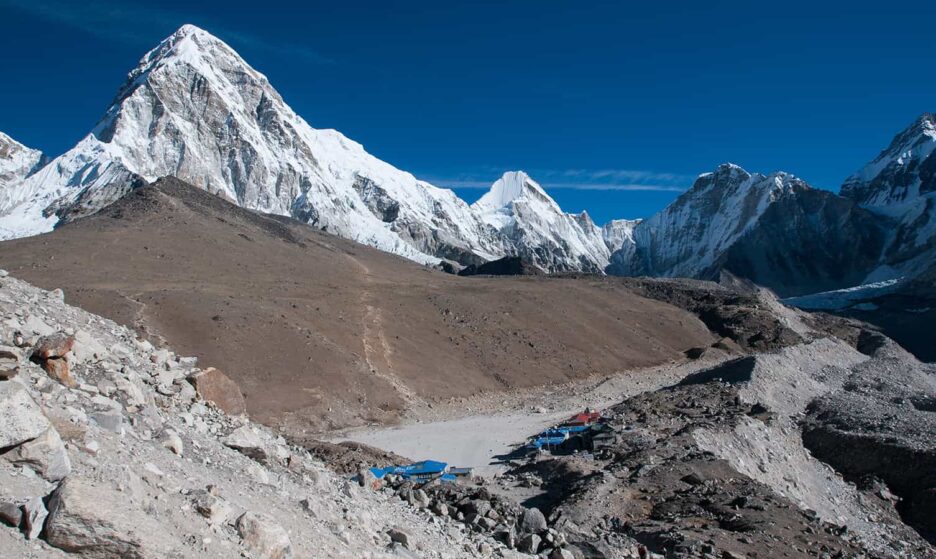
For certain trips, insurance is not even optional in the practical sense, it is required. Schengen visas mandate medical coverage of at least thirty thousand euros. High-altitude treks essentially require evacuation coverage, because without it, a serious altitude problem leaves you facing a helicopter bill that could bankrupt you at the worst possible moment. The trips where you most need insurance, the adventurous, remote, physically demanding ones, are exactly the ones where skipping it is most dangerous.
The objection, and why it is wrong
The usual objection is, I have travelled many times and never needed it, so it is a waste. This is the gambler's fallacy dressed up as experience. The fact that you have not needed it yet tells you nothing about whether you will need it next time, just as the fact that your house has not burned down does not make home insurance a waste. Insurance is not a bet you expect to win, it is protection against the rare catastrophic loss that you cannot afford to absorb. You are not buying it hoping to use it. You are buying the certainty that one bad day abroad will not financially ruin you.
- Insurance costs a few hundred to a couple of thousand rupees per trip.
- It covers losses that can run to several lakhs, or tens of lakhs in expensive countries.
- A helicopter evacuation alone can cost four to six lakhs, more than most policies cost in a lifetime.
- It also covers the common stuff, cancellations, delays, lost baggage, theft.
- The trips where you most need it, remote and adventurous, are where skipping it is most dangerous.
Buy it, get the right one, and forget about it
The practical advice is simple. Always buy travel insurance for international trips, no exceptions. Make sure it actually covers what your trip involves, in particular, if you are trekking or doing adventure activities, confirm the policy covers high-altitude trekking and emergency evacuation, because many standard policies exclude exactly these. Read the medical coverage limit and make sure it is adequate for the destination, expensive countries need higher coverage. And then forget about it, because the whole point is that you have bought peace of mind, the freedom to have your adventure without the quiet dread of what one accident could cost.
You are not buying insurance hoping to use it. You are buying the certainty that one bad day abroad will not financially ruin your family.
Every Orange Jacket trip includes appropriate travel insurance with the coverage the specific trip demands, the high-altitude evacuation coverage on the treks, the medical levels the destinations require, precisely because we have seen how lopsided the math is and we are not willing to let a traveller make the foolish bet to save a few thousand rupees. If you book independently, buy it yourself, get the right one, and travel free of the one financial risk that is genuinely catastrophic and genuinely avoidable for the price of a nice dinner.
Frequently asked
Is travel insurance really necessary?
Yes, for international trips, always. It costs a few hundred to a couple of thousand rupees and covers losses that can run to several lakhs, medical emergencies, evacuations, cancellations, lost baggage, theft. A helicopter evacuation alone can cost four to six lakhs. The asymmetry, tiny cost against catastrophic potential loss, makes skipping it a genuinely foolish bet.
What should travel insurance cover?
Adequate medical coverage for the destination, expensive countries need higher limits, plus trip cancellation, delays, lost baggage, and theft. Critically, if you are trekking or doing adventure activities, confirm the policy covers high-altitude trekking and emergency evacuation, because many standard policies exclude exactly these, which are where you need coverage most.
I have travelled many times without insurance and been fine. Why buy it?
That is the gambler's fallacy. Not needing it before tells you nothing about next time, just as a house not burning down does not make home insurance a waste. Insurance protects against the rare catastrophic loss you cannot afford to absorb. You are buying the certainty that one bad day abroad will not financially ruin you, not a bet you expect to win.