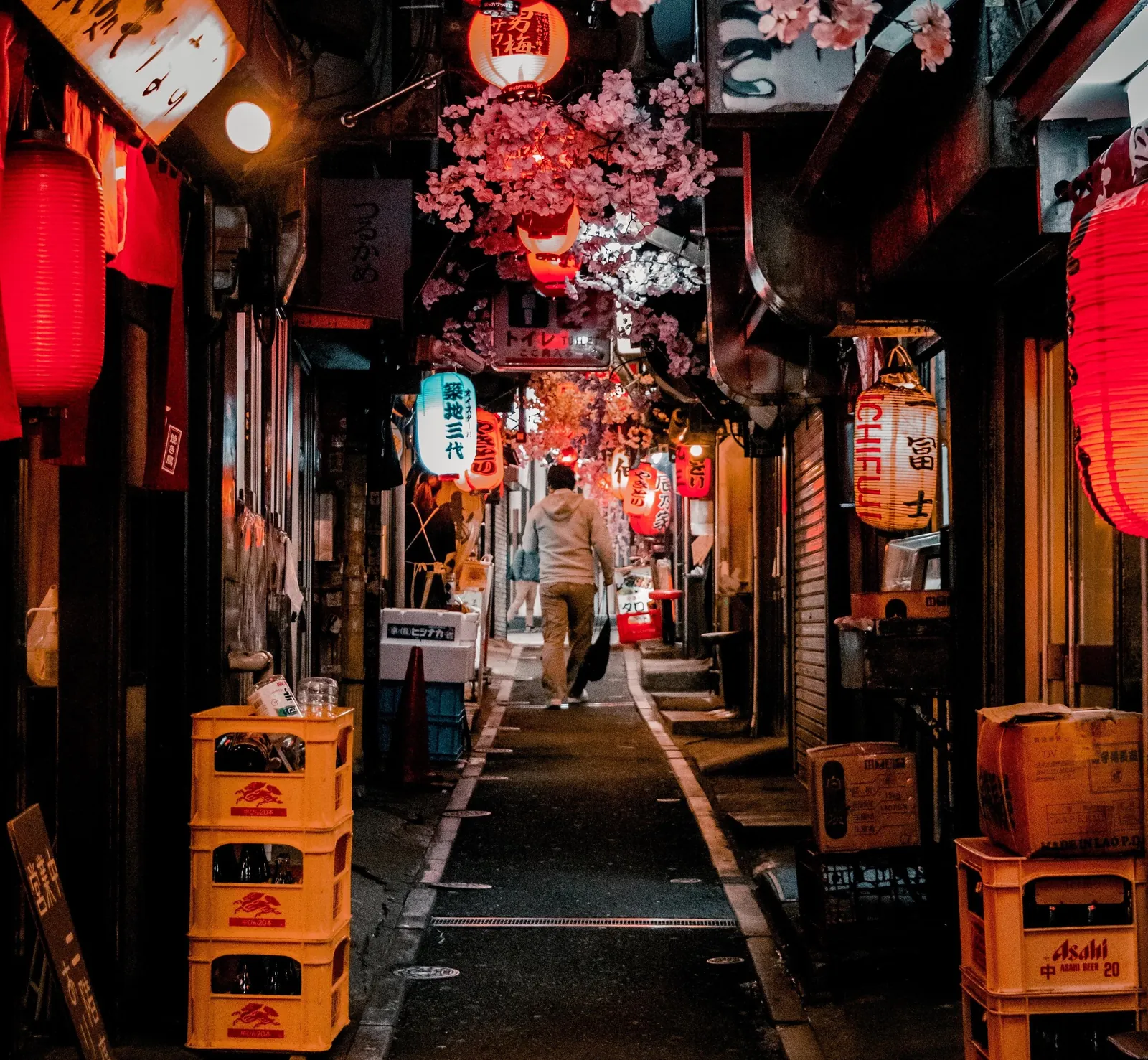
We are not going to print a number, and here is why. Prices move with season, currency, fuel and how early you book, so any figure in a blog post is wrong within a quarter and misleading before that. What does not go stale is the structure of the cost. Once you know which lines dominate a Japan trip and what makes them move, you can read any quote properly and spot the one that is quietly missing something.
The line that dominates
Flights and the rail pass.
Japan is expensive in a very predictable way, which is good news for planning. Accommodation and food are the two lines that surprise Indian travellers most. Intercity travel on the Shinkansen is excellent and not cheap, so whether a rail pass is included changes a quote materially.

What moves the number
- Season. Cherry blossom in late March and early April is the most expensive fortnight of the year, for flights and hotels both. Autumn is cheaper and arguably better.
- Rail pass in or out. This is often the largest single difference between two Japan quotes that look otherwise identical.
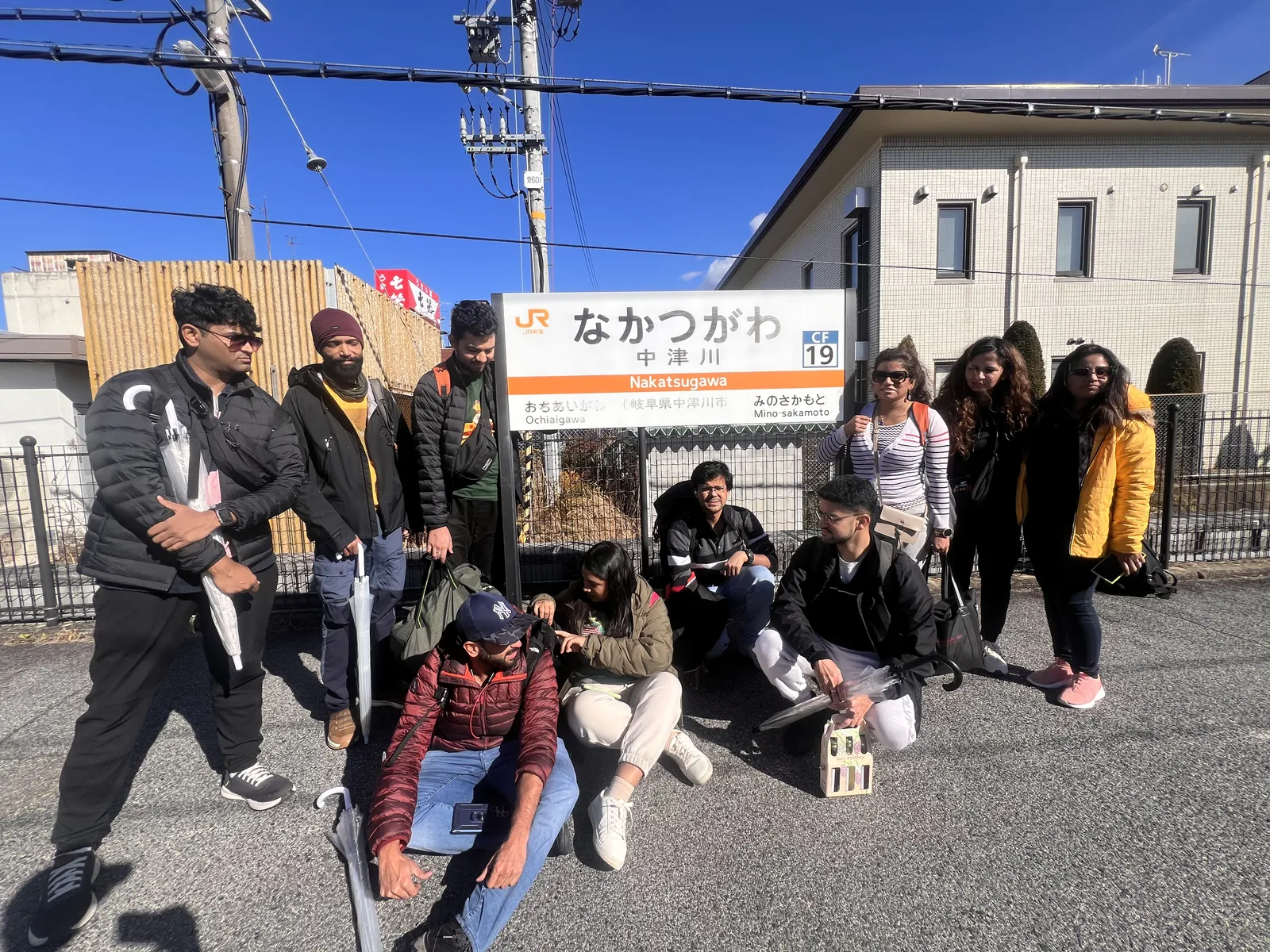
- Tokyo nights versus Kyoto nights. Both are expensive. Rural nights on a route like the Nakasendo are noticeably cheaper.
- Room type. Japanese hotel rooms are small and twin-share is standard. A single supplement here costs more than in most countries because single rooms are genuinely scarce.
Comparing two quotes properly
Before you compare any two prices, line up these six things. Most quotes that look far apart are closer than they appear, and occasionally the cheaper one is the more expensive one.
- Land only or flights included. The single biggest source of false comparisons.
- Visa support. Full documentation pack, confirmations only, or nothing at all.
- Insurance. Included or not, and whether it covers the activities on this itinerary.
- Single supplement. Whether it exists and what it costs.
- Entrance fees and activities. Which of the things in the photos are actually optional extras.
- Group size. A cheaper trip with 40 people is a different product, not a better deal.
Japan is one of the few destinations where a group trip and independent travel land close on price, because the country is easy enough that the operator is not solving a hard problem. Book a group for the visa documentation and the company, not because it will save you money.
The cost lines, in order
Every international trip from India breaks into the same seven lines. Knowing which one dominates for a given destination is most of what you need to budget sensibly.
- 1. Flights. Usually the largest single line, and the one that moves most with how early you book. This is where the saving is, not in the land package.
- 2. The land package. What the operator charges: accommodation, transport, guides, permits, most meals, the activities in the itinerary. The number people mean when they ask what a trip costs.
- 3. Visa. The fee, plus service charges, plus travel to an appointment if you are not in a city with a consulate. Small but not zero, and easy to forget.
- 4. Insurance. Modest, unless your itinerary needs an adventure sports extension, which it may.
- 5. Single supplement. Optional, and the largest discretionary line on most trips. Worth it for some people, unnecessary for others.
- 6. Spending money. Meals not included, drinks, entry fees not covered, tips, souvenirs. Varies hugely by destination, and it is the line people most underestimate.
- 7. Gear. Close to zero for a city trip. Real money for a first trek, where boots, a sleeping bag rating and proper layers are not optional.
Two quotes for the same destination can differ on lines 2, 3, 4 and 5 while looking like a straight comparison of line 2. That is the whole reason quote comparison goes wrong.
Where the savings actually are
Three levers move the total meaningfully, and haggling with the operator is not one of them.
Book flights early. For most international trips from India this is the largest single cost and it rises steeply near the date. Booking the trip early mostly matters because it lets you book flights early.
Travel in shoulder season. The weeks either side of peak are frequently much cheaper for very similar conditions.
Share a room. The single supplement is real money. If you do not need a private room, twin sharing is the default and costs nothing extra.
The saving is in the flight and the season. Nobody ever saved a meaningful amount arguing with a tour operator about the land package.
Frequently asked
What is the biggest cost in a Japan trip from India?
Flights and the rail pass. Japan is expensive in a very predictable way, which is good news for planning. Accommodation and food are the two lines that surprise Indian travellers most. Intercity travel on the Shinkansen is excellent and not cheap, so whether a rail pass is included changes a quote materially.
How do I compare two Japan trip quotes?
Check first whether each quote is land only or includes flights, since that alone can create a large apparent gap. Then compare visa support, whether insurance is included and covers the itinerary's activities, the single supplement, which entrance fees and activities are optional extras, and the group size cap. A cheaper trip with a much larger group is a different product rather than a better deal.
How can I reduce the cost of a group trip?
Book flights early, since for most international trips from India that is the largest single line and it rises steeply closer to departure. Travel in shoulder season, where conditions are often similar for noticeably less. And share a room rather than paying the single supplement if you do not need private space.