Safety · Solo Female Travel
Is Kashmir Great Lakes Trek Safe for Solo Female Travellers From India?
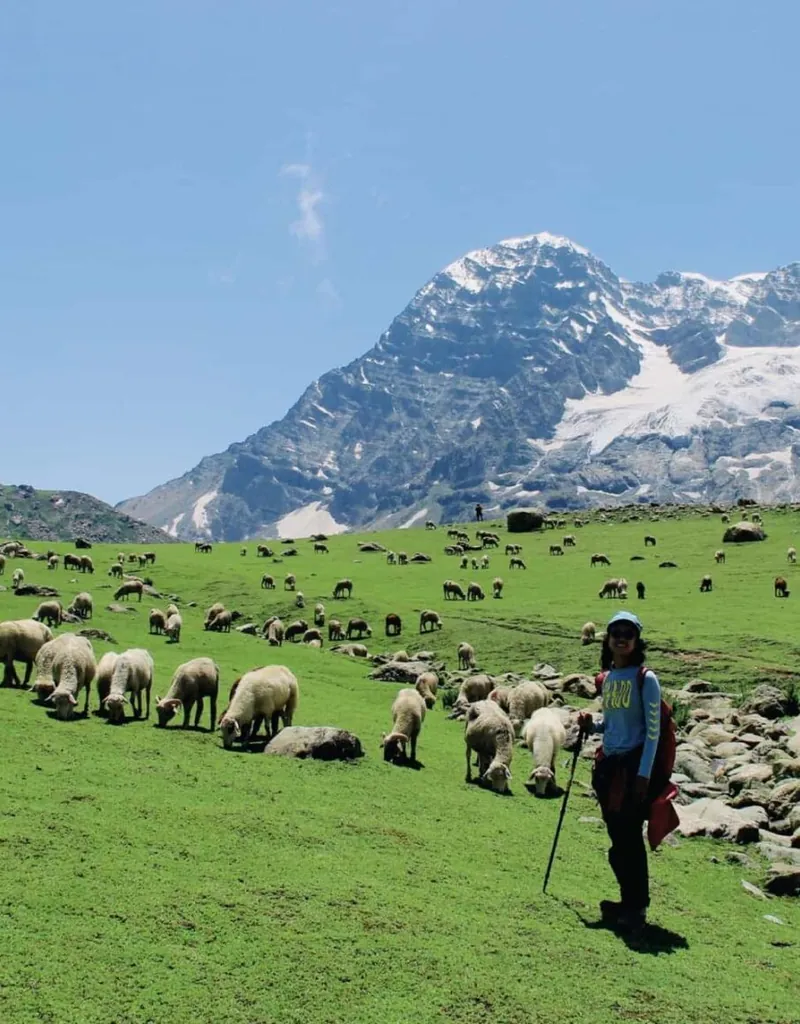
The Kashmir Great Lakes trek is safe for solo female trekkers in physical-safety terms (the route is remote and the risks are environmental, not personal). The score drops a point only because of altitude and weather risk, not anything social. With OJ's two-instructor policy plus full evacuation insurance, the trek becomes among the most reliable high-altitude experiences for women in India.
What makes this safe
- OJ leads 12 trekkers per Great Lakes batch with at least 4 to 5 women per group (deliberately balanced)
- Lead trip coordinator stays on-call 24/7 via satellite phone (cell coverage is zero on the trek route)
- Two qualified trek leaders per group: one lead, one sweeper
- Female trek leader for at least every other batch (members can request a women-led batch)
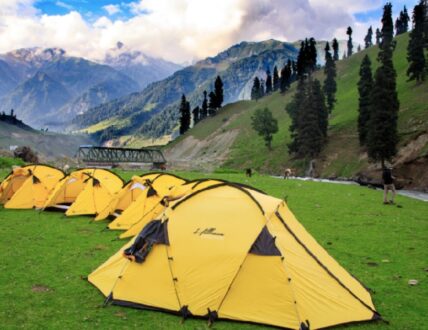
- Twin sharing tent default; we deliberately avoid solo tent allocation
- Mandatory travel insurance with high-altitude evacuation coverage
- Trek support staff (cook, porters) are local Kashmiri Bakerwal men who have worked with OJ for 3 plus years
Real concerns we hear (and what we do)
Altitude sickness at the high passes (up to 4,200 metres)
Mandatory pre-trip medical declaration. Acclimatization buffer day at Srinagar (2,200m) before driving to roadhead. Gradual ascent profile on the trek. Trip leader carries pulse oximeter, Diamox, and emergency oxygen. Mandatory travel insurance covers helicopter evacuation. Two members evacuated in 5 years, both recovered.
Weather changes (sudden hail, rain, snow at altitude even in summer)
Daily weather check via satellite weather service. Trek leader carries laminated weather decision tree. Mandatory rain gear plus thermal layers in everyone's pack. Tents are 4-season expedition rated. We have aborted 2 day-attempts in 5 years to avoid weather risk, never lost a member.
Physical safety on steep pass crossings (Nichnai, Margan)
Trek leader briefs every pass crossing the previous evening. Rope assistance available for any nervous crossings. Trekking poles mandatory. Group pace is set to slowest member. No solo pass attempts under any condition.
Tent and personal safety in remote campsites
Female trekkers in twin-share tents only. Campsite tent placement coordinated with trek leader. Designated women's toilet area at every campsite. Group dinner every evening creates social structure. The campsites are remote enough that random encounters are essentially impossible.
Menstrual hygiene on a 7-day trek with no plumbing
Pre-trip briefing covers menstrual hygiene gear (menstrual cups recommended, biodegradable disposal kit provided). Female trek leader available for questions. No taboo, no awkwardness. The OJ team is experienced in this and the briefing makes members feel prepared, not anxious.

From women who actually went
The Great Lakes trek was the hardest physical week of my life and one of the most beautiful. The OJ trek leader Mehmood was patient, the female sweeper Aafia made me feel completely held in a male-dominated trek industry. At Gadsar Lake when the morning fog lifted I cried.
Shrishti, Bangalore, August 2025
I had done one Himalayan trek before (Hampta) and was nervous about Great Lakes. The OJ pre-trek prep plan got me ready. The trek leaders kept the pace humane. The Krishansar to Gadsar crossing on day 4 was the hardest day of my life and the most rewarding. I would do it again.
Tashvi, Mumbai, July 2025
I am 36 and travel solo a lot. The Great Lakes trek felt safer than my solo Europe trips. The remote-ness of the route is the safety: no random encounters, no urban risk. The OJ female trek leader on my batch made the experience feel completely held. Sleeping in a tent at 3,800 metres with stars overhead, no fear at all.
Ananya, Delhi, August 2024
Frequently asked
Is the Kashmir Great Lakes trek safe for solo women?
Yes, with the right operator. The physical environment is the risk, not the social environment. The trek route is remote (no random encounters), the campsites are well-managed, and the trek staff are vetted. With OJ's two-leader policy plus female-trek-leader availability plus full evacuation insurance, the risk profile is manageable.
Can I request a female-led batch?
Yes. OJ Kashmir Great Lakes runs roughly every other batch with a female lead trek leader. Members can request a women-led batch at booking. We also run 2 to 3 women-only batches per season for trekkers who specifically want that environment. Email bookings@oneintheorangejacket.com to check the calendar.
What is the worst-case scenario on this trek and how is it handled?
Worst case is severe altitude sickness requiring helicopter evacuation. OJ has evacuated 2 members in 5 years. Process: trek leader calls satellite phone, IAF or private operator helicopter responds in 4 to 8 hours, member is flown to Srinagar hospital. Travel insurance covers the helicopter cost (around INR 4 lakhs). Both evacuated members made full recoveries within 48 hours.
How do toilets work on a 7-day trek?
Designated toilet pits at every campsite, dug daily by support staff, women's section separately marked. Biodegradable toilet paper provided. Menstrual disposal kits provided for women trekkers. No plumbing, no chemicals. The campsites are at sufficient distance from water sources to maintain alpine ecology.
What does the OJ Kashmir Great Lakes trek include for solo female safety?
Pre-trek prep plan, pre-trip safety briefing video call, female trek leader option, women-only WhatsApp group with the trek leader, twin sharing tent policy, satellite phone communication, mandatory evacuation insurance, certified medical kit including altitude meds, women-only toilet zones, menstrual hygiene briefing and supplies, and post-trek check-in. Trip cost is around INR 42,000 per person, 7 days excluding flights from Bangalore.