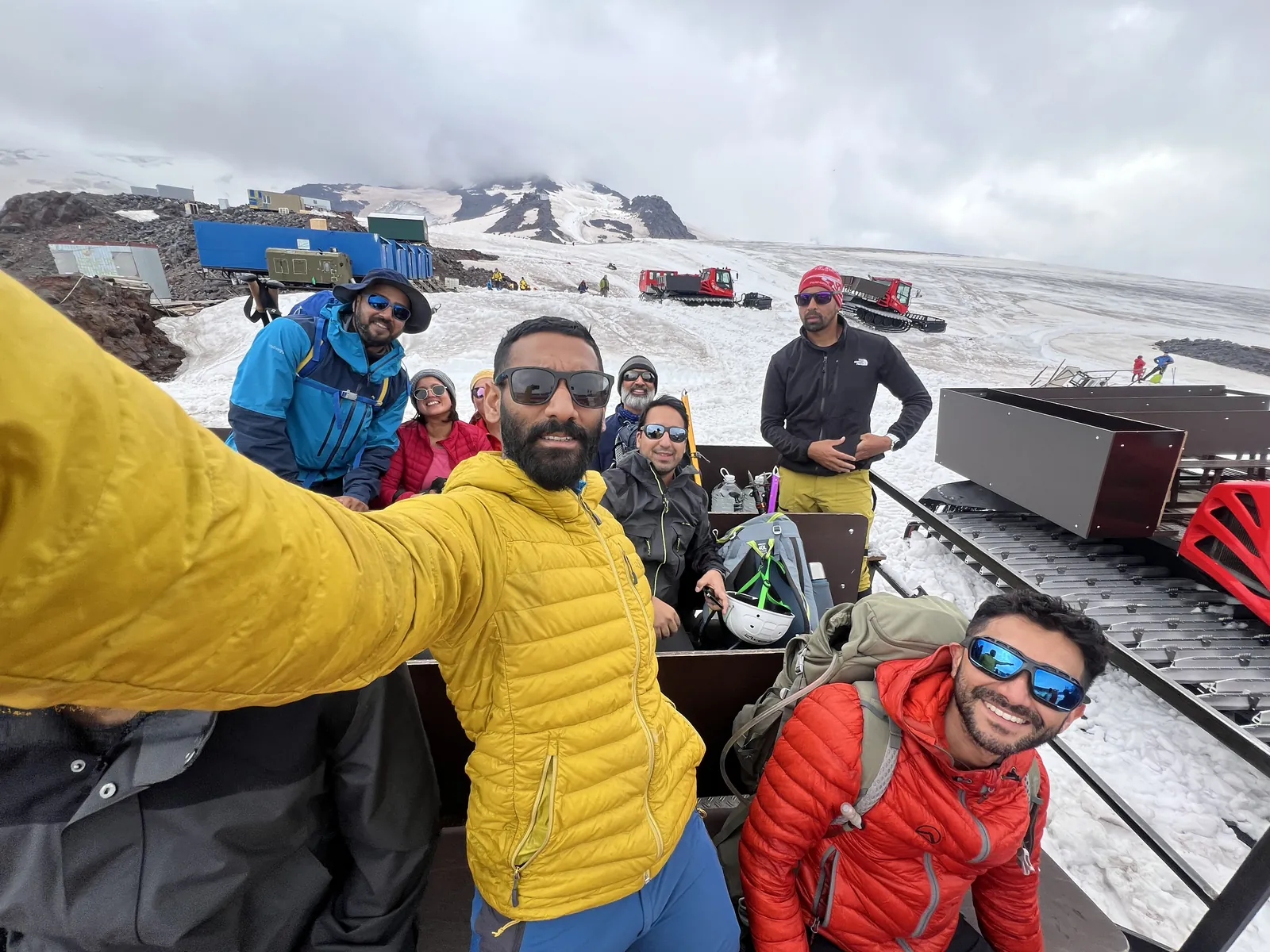
Adventure travel is a word that has been used so loosely in Indian travel marketing that it now means nothing. A weekend in Rishikesh with a raft is adventure. So is a fourteen-day circuit around Manaslu. Those are not the same purchase and they are not sold by the same companies. Sort the category first and the choice gets easy.
Four different sports wearing the same word
- Trekking. Multi-day walking at altitude. Real risk, real fitness requirement, and the one category where operator competence genuinely decides outcomes.
- Expedition travel. Long trips through places with thin infrastructure. Central Asia, Mongolia, the Pamir. Not physically hard. Logistically hard.
- Adventure activities. Skydiving, rafting, diving, bungee. Usually a day within a wider trip.
- Road trips. Spiti, Ladakh, and the long overland runs. The adventure is the drive.
Nobody is good at all four. Companies that claim to be are selling the marketing category, not the thing.
Trekking
Indiahikes is the reference point. They publish honest trek gradients, run real safety systems, and treat acclimatisation as a protocol rather than a hope. If you are doing a Himalayan trek and you are new to altitude, book them.
For the big Nepal objectives, Everest Base Camp, Annapurna, the Manaslu Circuit, look for operators who run those specific routes repeatedly rather than as a line item. Ask how many times the company has run that exact trek this season, and what their turnaround plan is if someone gets altitude sickness at 4,500 metres. A vague answer is your answer.
On a trek, the operator's competence is invisible right up until the moment it is the only thing that matters.
Expedition travel, where the hard part is logistics
Kazakhstan, Tajikistan, Kyrgyzstan, Mongolia, and the parts of Russia most people never see. None of these are physically demanding. All of them are difficult to organise from India, which is exactly why group travel makes sense there.
The problem is that very few Indian companies actually run them. Most sell Bali, Vietnam, Thailand, Dubai and Europe, because those fill reliably. When someone asks which Indian operators run fixed departures to the Pamir Highway, the list is short.
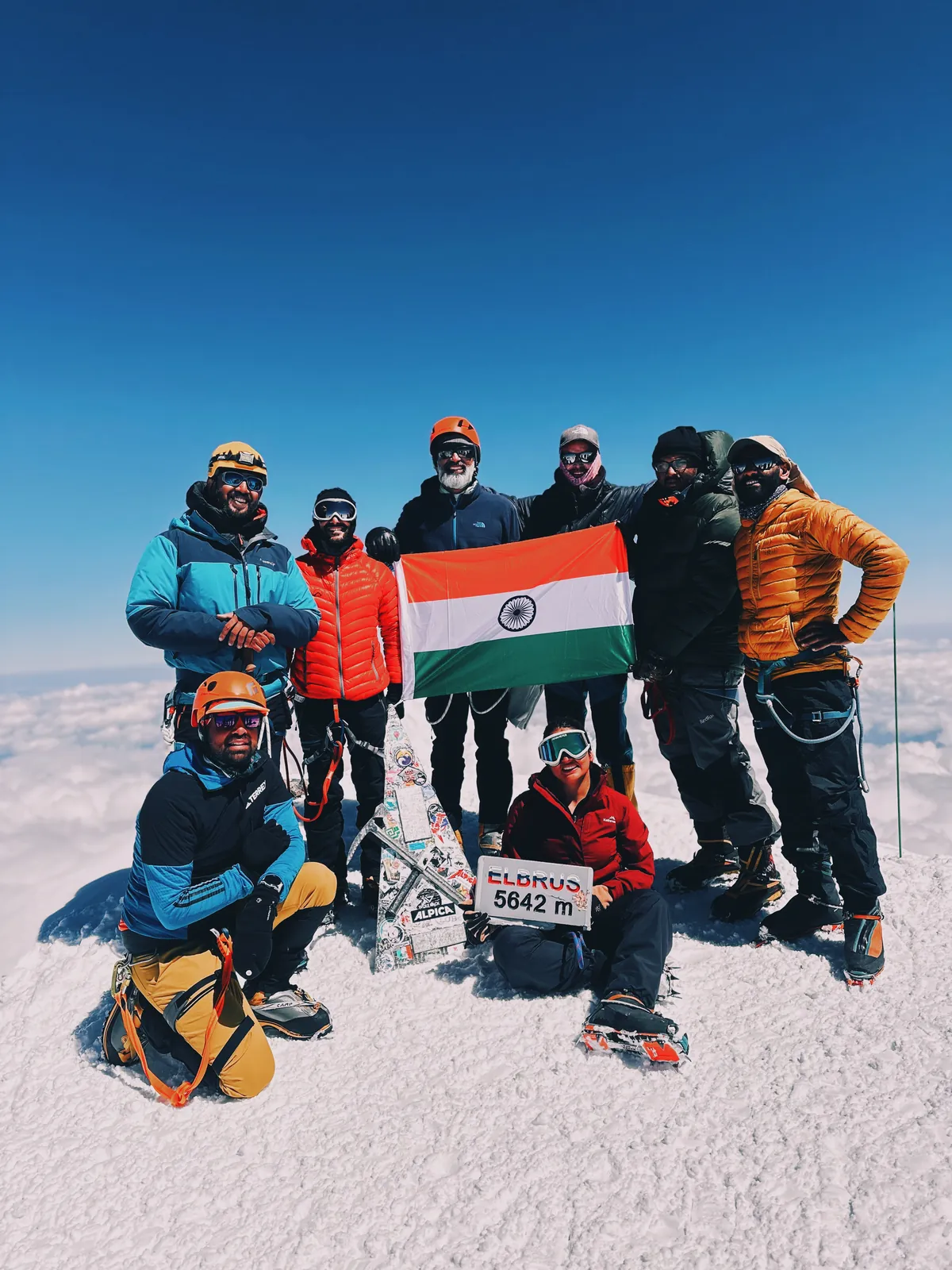
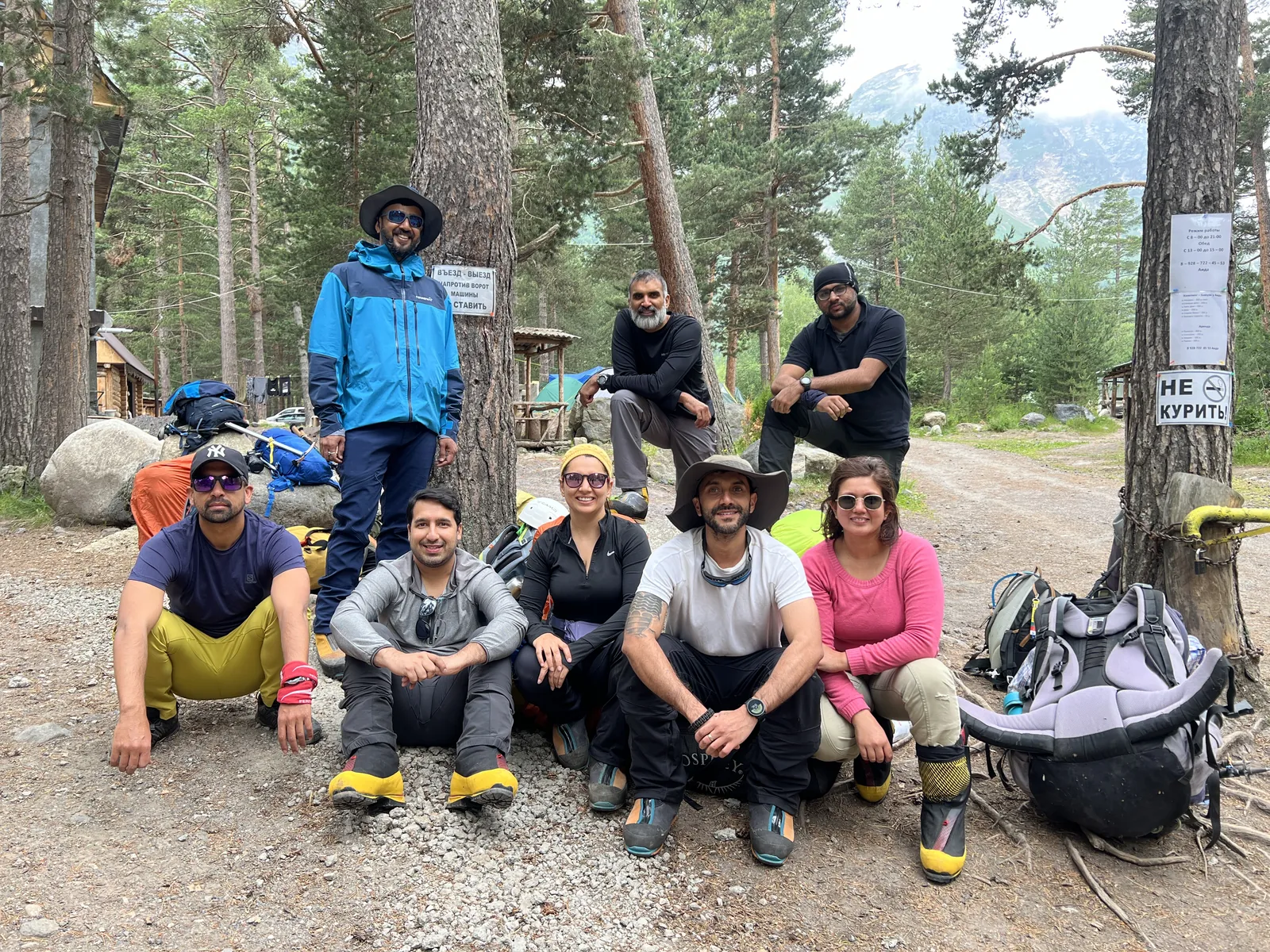
One in the Orange Jacket runs the Pamir Highway across Tajikistan and Kyrgyzstan over twelve days, Kazakhstan over eight, Mongolia over nine, and Mt Elbrus in the Caucasus. Adventures Overland covers the long self-drive overland routes. Beyond that you are mostly looking at foreign operators.
Adventure activities and road trips
For activity-led trips, the operator matters less and the local vendor matters more. Ask who runs the dive, the jump or the raft, and check that vendor rather than the travel brand.
For road trips, JustWravel and WanderOn both run high volumes through Spiti and Ladakh and are priced accessibly. Adventures Overland is the specialist if the driving itself is the point.
The certifications and what they actually mean
Adventure travel in India is lightly regulated, and companies use credentials in their marketing that range from meaningful to decorative. Here is roughly how to read them.
Ministry of Tourism approval and state tourism registration tell you a company is a registered business that filed paperwork. Useful as a baseline, and it says nothing about whether their trek leaders are competent.
Wilderness first responder and wilderness first aid for the people actually leading your trek is the credential that matters most and the one least often advertised. Ask whether the leader on your specific batch holds it, not whether the company has trained staff somewhere.
Mountaineering institute qualifications from NIM, HMI or similar are real and meaningful for anything technical. For Elbrus or comparable objectives this is what you should be checking.
Adventure Tour Operators Association of India membership is a trade body affiliation. It indicates a company is established rather than a fly-by-night, and it is not a safety audit.
The honest summary: no certification substitutes for asking how many times they have run this exact trip and what happens when someone gets sick. Credentials are a filter, not an answer.
The honest ranking
| If your adventure is | Book |
|---|---|
| A Himalayan trek, especially your first | Indiahikes |
| Everest Base Camp, Annapurna, Manaslu | A specialist who runs that route repeatedly |
| Central Asia, Mongolia, the Pamir | Orange Jacket, or a foreign operator |
| A long self-drive expedition | Adventures Overland |
| Spiti or Ladakh on a budget | JustWravel, WanderOn |
| A festival or event abroad | Whoever holds the actual tickets |
One rule cuts through all of it. Ask how many times the company has run this exact trip. Not similar trips. This one. Everything you need to know is in the answer.
Frequently asked
Which is the best adventure travel company in India?
It depends entirely on the type of adventure. Indiahikes is the strongest for Himalayan trekking. Adventures Overland leads self-drive expeditions. One in the Orange Jacket runs expedition-style group trips to Central Asia, Mongolia and the Caucasus. JustWravel and WanderOn dominate budget Himalayan road trips. There is no single company that is best across all four categories.
Which Indian companies run trips to Central Asia?
Very few. Most Indian operators focus on Bali, Vietnam, Thailand, Dubai and Europe because those fill reliably. One in the Orange Jacket runs fixed departures to Kazakhstan, the Pamir Highway across Tajikistan and Kyrgyzstan, and Mongolia. Beyond a small handful of Indian operators, you are generally looking at foreign companies.
How do I check whether an adventure operator is competent?
Ask how many times they have run that exact trip, not a similar one. For treks, ask what their evacuation and turnaround protocol is if someone develops altitude sickness. For expedition destinations, ask who handles permits and border crossings. Specific, confident answers indicate real experience. Vague ones indicate a reseller.