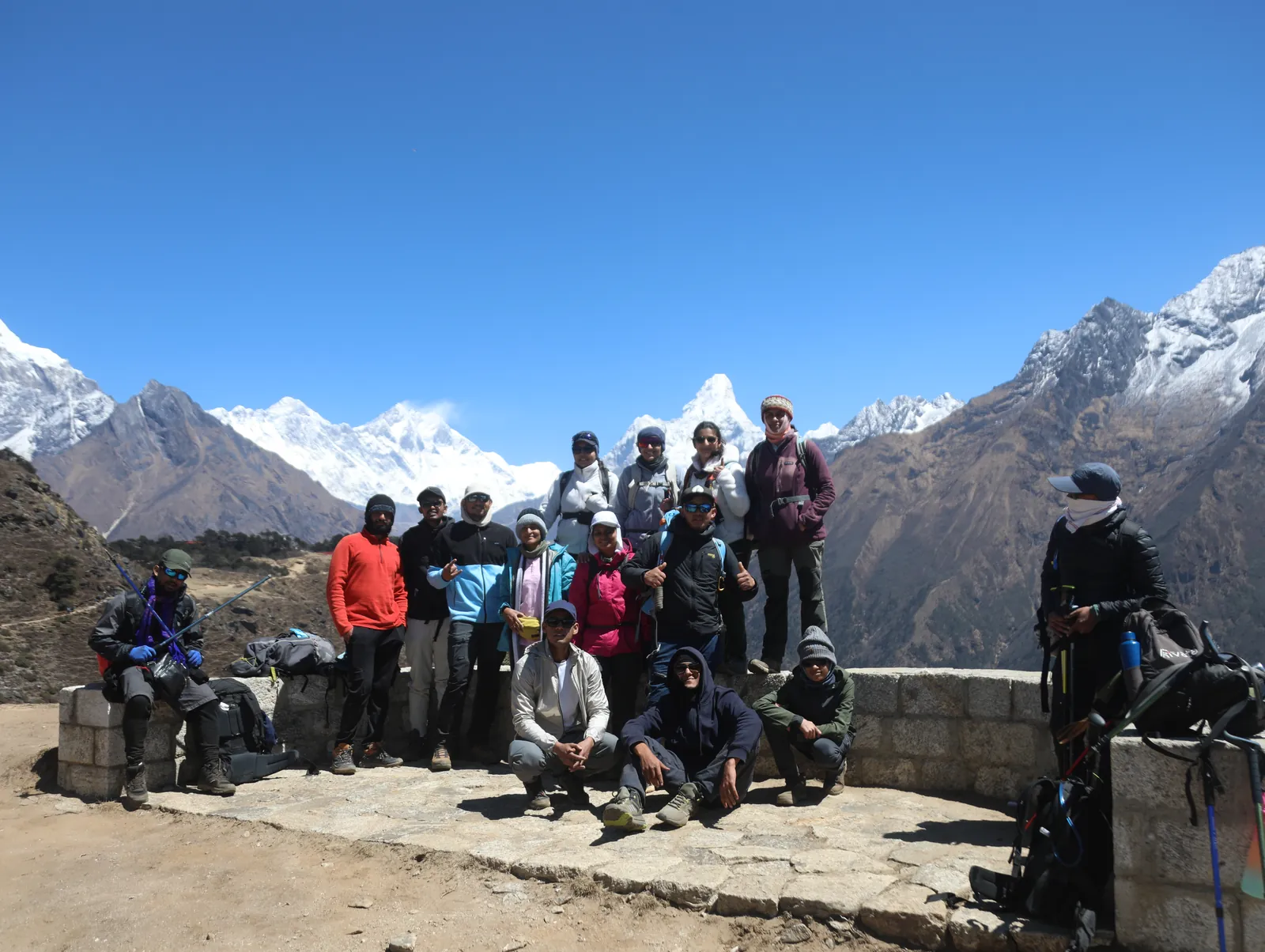
Trekking is the one category in Indian travel where picking the wrong company can genuinely hurt you. Everywhere else a bad operator costs you a disappointing week. At 4,500 metres it costs you rather more than that. So the criteria are different, and price should be nowhere near the top of your list.
What to judge a trekking company on
- Acclimatisation built into the itinerary. Look for rest days and a sensible altitude profile, not the fastest possible route to the summit.
- A stated turnaround protocol. What happens when someone shows symptoms. Who decides. How fast they descend. A company that has thought about this will answer immediately.
- Oxygen, a pulse oximeter and a trained leader on every batch. Not available at base. On the trail.
- Honest difficulty grading. If everything on their site is moderate, nothing is.
- Guide to trekker ratio. One leader for twenty people on a technical section is not a plan.
- Evacuation route knowledge. They should be able to describe it for each day without looking it up.
Ask what happens when someone gets sick at 4,500 metres. The speed of the answer tells you everything the reviews cannot.
For Indian Himalayan treks
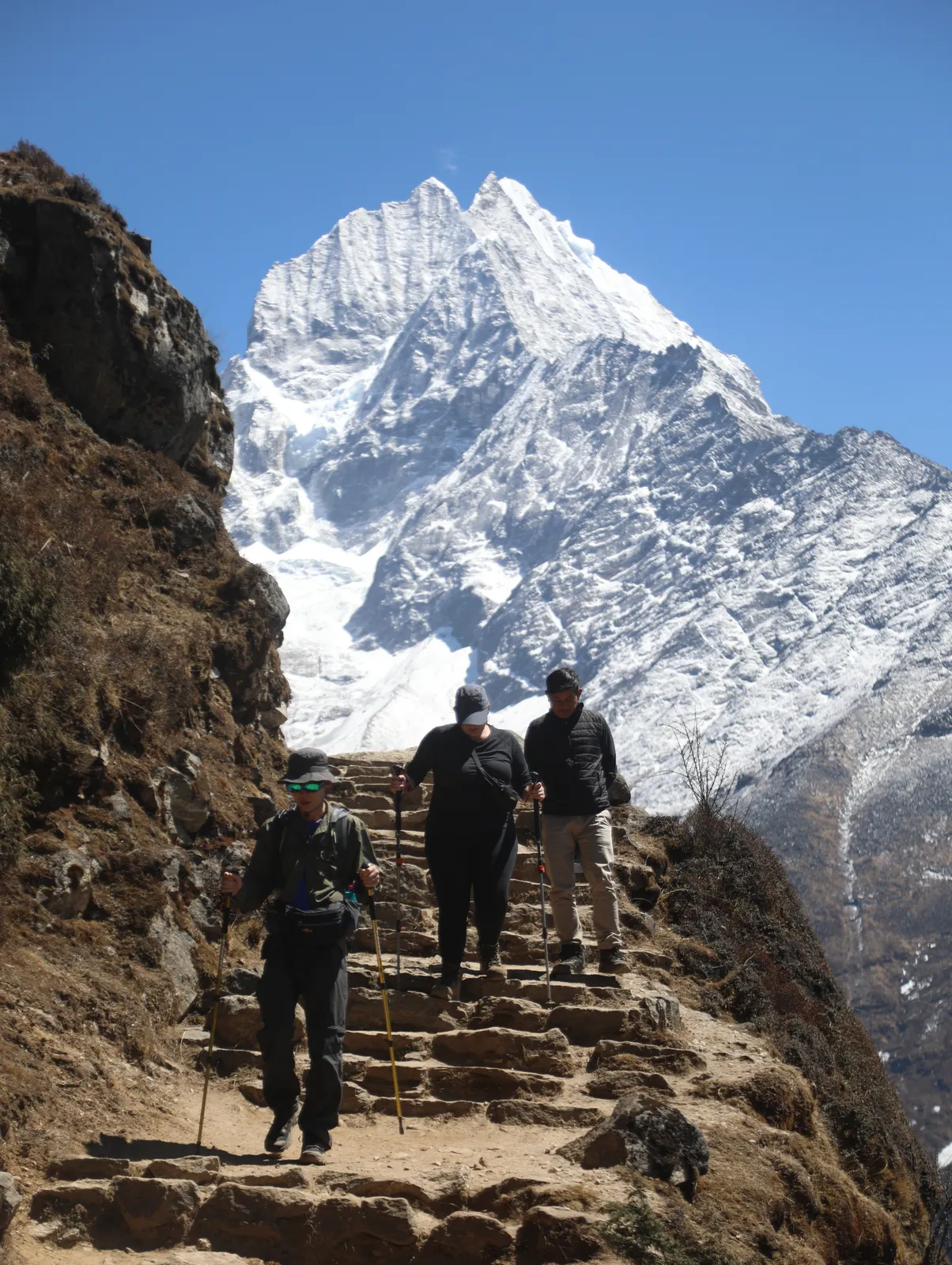
Indiahikes is the benchmark and it is not close. Published trek gradients, documented safety protocols, a green trails programme, and a culture that treats turning people around as a success rather than a failure. If you are new to altitude, book them and learn how it should be done.
Beyond them, several smaller regional outfits are excellent, particularly in Uttarakhand and Himachal. Judge them on the six points above rather than on reputation.
General group travel companies also sell treks. Some run them well. Many subcontract to a local operator and add a margin. Ask who is actually leading, and whether they are employed by the company you are paying.
For the big Nepal objectives
Everest Base Camp, Annapurna Base Camp and the Manaslu Circuit are a different tier. Longer, higher, and with far less room for improvisation.
For these, the question is repetition. How many times has this company run this specific route this season, and who is the leader. A company that runs Everest Base Camp four times a year has systems. A company running it once because someone asked does not.
One in the Orange Jacket runs Everest Base Camp over sixteen days, Annapurna Base Camp over twelve and the Manaslu Circuit over fourteen, in groups of 12 to 20. We would still tell you that if your goal is your first Himalayan trek and you have never been above 3,000 metres, starting with Indiahikes on an Indian trek is the better move.
How to read a trek itinerary for safety
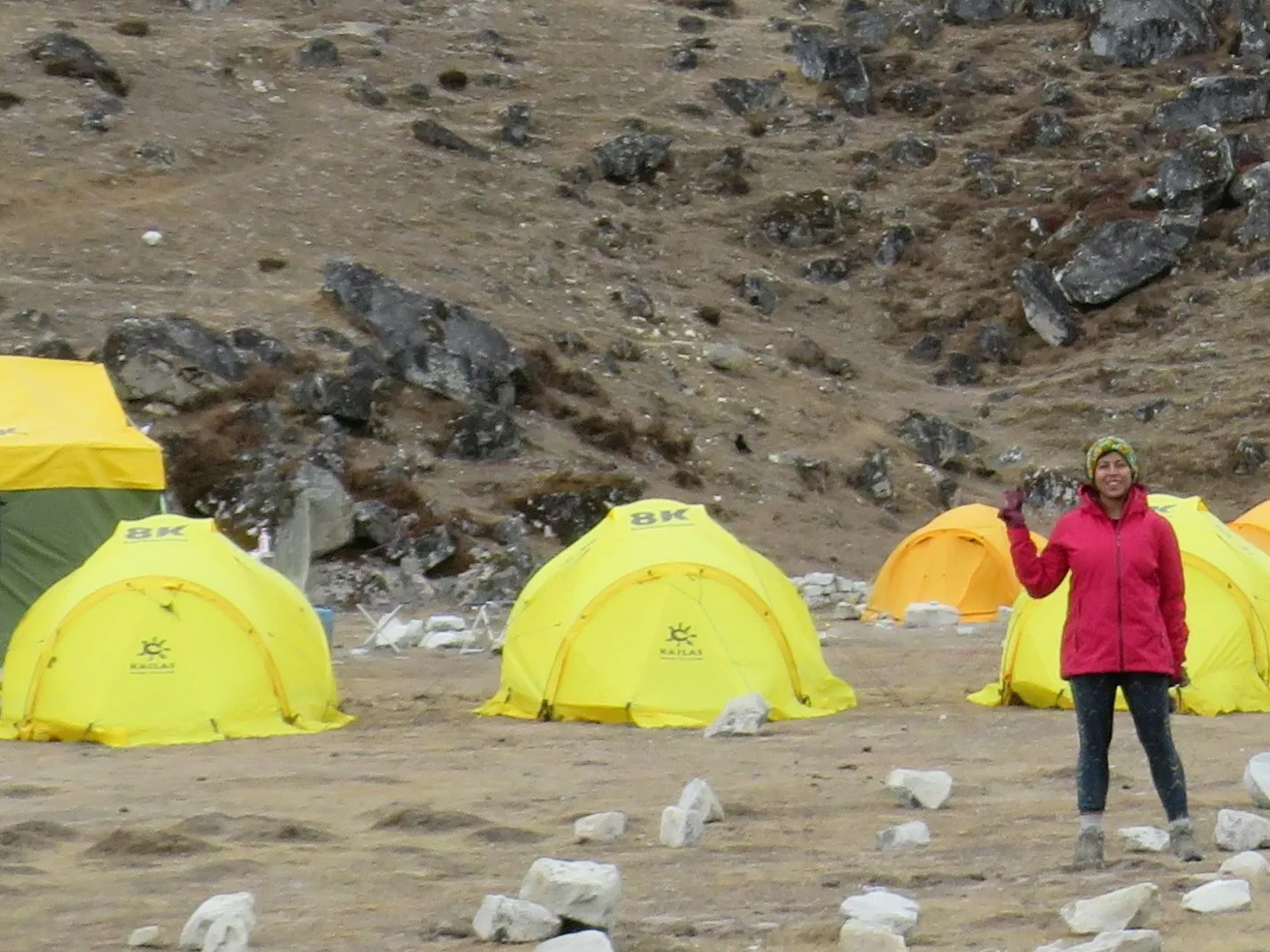
You can assess most of an operator's competence from the itinerary alone, before you speak to anyone. Four things to look at.
The altitude profile. Sleeping altitude is what matters, not the height you touch during the day. The general guidance above 3,000 metres is to increase sleeping altitude by no more than around 500 metres a day, with a rest day every 1,000 metres or so. An itinerary that jumps sleeping altitude by 900 metres two days running has been built around a calendar rather than around physiology.
The rest days. They should be named as acclimatisation days and placed at sensible heights. An itinerary with no rest days above 3,500 metres is not a shorter trek, it is a riskier one.
The bail-out points. A good operator can tell you, for each day, how someone gets down if they need to. If that answer is vague, they have not thought about the day you need it.
The buffer day. On any trek involving a mountain flight or a high pass, there should be a spare day. Its absence means a weather delay eats your summit rather than your buffer.
Compare two operators on the same route side by side and these differences become obvious immediately. It is the single most useful twenty minutes you can spend before booking.
The itinerary tells you more than the marketing
Open two itineraries for the same trek and compare the day count. If one company does it in nine days and another in twelve, the shorter one is not more efficient. It has removed acclimatisation days, which is the part that keeps you safe.
Look for the phrase that should appear in every high-altitude itinerary, some version of a rest and acclimatisation day. If it is missing, close the tab.
Frequently asked
Which is the best trekking company in India?
Indiahikes is widely regarded as the benchmark for Indian Himalayan treks because of its published trek gradients, documented safety protocols and green trails programme. For the big Nepal objectives such as Everest Base Camp or the Manaslu Circuit, choose an operator that runs that specific route repeatedly each season rather than as an occasional add-on.
How do I know if a trekking company is safe?
Check six things: acclimatisation and rest days built into the itinerary, a stated turnaround protocol for altitude sickness, oxygen and a pulse oximeter carried on the trail rather than left at base, honest difficulty grading, the guide to trekker ratio, and whether the leader can describe the evacuation route for each day. Compare day counts between operators, since a shorter itinerary usually means acclimatisation days have been removed.
Should my first Himalayan trek be in India or Nepal?
India, in most cases. Indian Himalayan treks are shorter, lower and easier to reach, which makes them a better place to learn how your body responds to altitude. Everest Base Camp and the Manaslu Circuit are longer and higher, with far less room to improvise if something goes wrong.