
The single most valuable secret in travel is the shoulder season, the weeks just before or after the peak, when the weather still holds, the crowds have thinned, and the prices have dropped. The famous places, in their high season, are hot, expensive, and packed; in their shoulder season, they are the same beautiful places, but warmer-feeling, cheaper, and finally peaceful. Here are the destinations where travelling just outside the peak transforms the entire experience, and why the insiders never go in high season.
Greece, for the perfect shoulder month
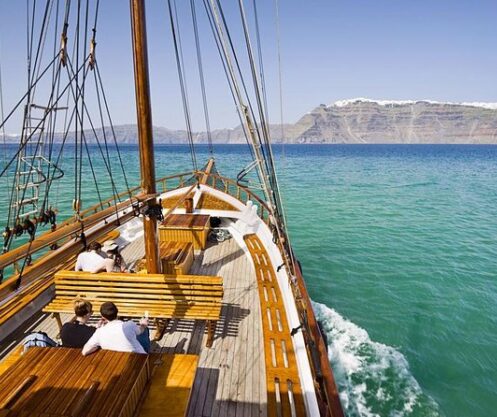
Greece in September is the textbook case for the shoulder season. The fierce summer heat and the high-season crowds have gone, but the sun is still warm and the sea, having soaked up a whole summer of heat, is at its most swimmable. The islands exhale, the tavernas relax, the light turns golden, and the whole country feels handed back to those who want to savour it. It is summer perfected, with none of the July and August crush, and it is the single best argument for the power of timing.
Europe in spring and autumn
The same logic transforms much of Europe. May and September, the shoulders of the European summer, offer warm, pleasant weather, blooming or golden landscapes, long days, and far gentler crowds and prices than the high-summer peak. The great cities and coastlines are the same, but you experience them at a human pace rather than shoulder to shoulder. For Europe, the shoulder seasons are not a compromise; they are the connoisseur's choice.
The high season gives you the famous place at its hottest, priciest, and most crowded. The shoulder season gives you the same place at its best. The insiders never go in peak.
On the power of timing

The Himalaya and the high country
The principle holds in the mountains too. The Himalayan trekking destinations, Nepal and the high country, are at their absolute best in the shoulder windows of post-monsoon autumn and spring, with the clearest skies and most stable weather of the year. The high deserts of Ladakh and Spiti are quieter and beautifully clear at the edges of their season. Timing your mountain trip to the shoulder rewards you with the finest conditions and fewer fellow trekkers.
How to play the shoulder season
- Learn each destination's peak, then aim just outside it. A week or two before or after the high season is the sweet spot.
- Accept a small weather gamble. Shoulder season carries a slightly higher chance of an off day, a tiny price for the crowds and savings you avoid.
- Book the savings. Flights and accommodation can be dramatically cheaper just outside the peak, so the value is real.
- Enjoy the access. Fewer crowds mean easier bookings, better photos, more space, and a more relaxed, authentic experience everywhere.
- Travel midweek where you can, to thin the crowds even further within the shoulder window.
The verdict
The best shoulder season destination is, honestly, almost any famous place visited just outside its peak. But for the clearest demonstration of the magic, Greece in September is unbeatable, summer's warmth and swimmable seas with autumn's calm and value. Europe's spring and autumn shoulders and the Himalaya's clear post-monsoon windows tell the same story. The lesson is the most valuable one in travel: it is rarely about where you go and so often about when, and the smart traveller always aims for the shoulder.
The difference between a stressful, expensive trip and a magical, affordable one is often just two weeks of timing. That is the whole secret of the shoulder season.
On the OJ Greece trip we deliberately favour the shoulder season, the islands warm and golden, the sea at its swimmable best, the crowds gone, Greece handed back to those who want to savour it slowly. Because the high-summer version of these famous places is hot, crowded, and overpriced, while the shoulder version is the one they were always meant to be, and choosing the right week, not just the right place, is the quiet secret that separates a good trip from a perfect one.
Frequently asked
What is shoulder season in travel?
Shoulder season is the period just before or after a destination's peak season, when the weather usually still holds but the crowds have thinned and prices have dropped. You get the same beautiful place with warmer-feeling conditions, far fewer people, lower costs, and a more relaxed atmosphere, in exchange for only a slightly higher chance of an off day.
What is the best shoulder season destination?
Greece in September is the textbook example, summer's warmth and swimmable seas with the high-season crowds gone and prices softened. The spring and autumn shoulders transform much of Europe, and the post-monsoon autumn and spring are the clear, stable best windows for Himalayan trekking in Nepal and the high country. Almost any famous place is better just outside its peak.
Is it worth travelling in shoulder season?
Almost always, yes. You experience the same destinations at their best, warmer-feeling, calmer, and cheaper, with easier bookings, better photos, and a more authentic atmosphere. The only trade-off is a slightly higher chance of an occasional off-weather day, a small price for avoiding the heat, crowds, and inflated prices of the peak. The insiders consistently travel in the shoulder.