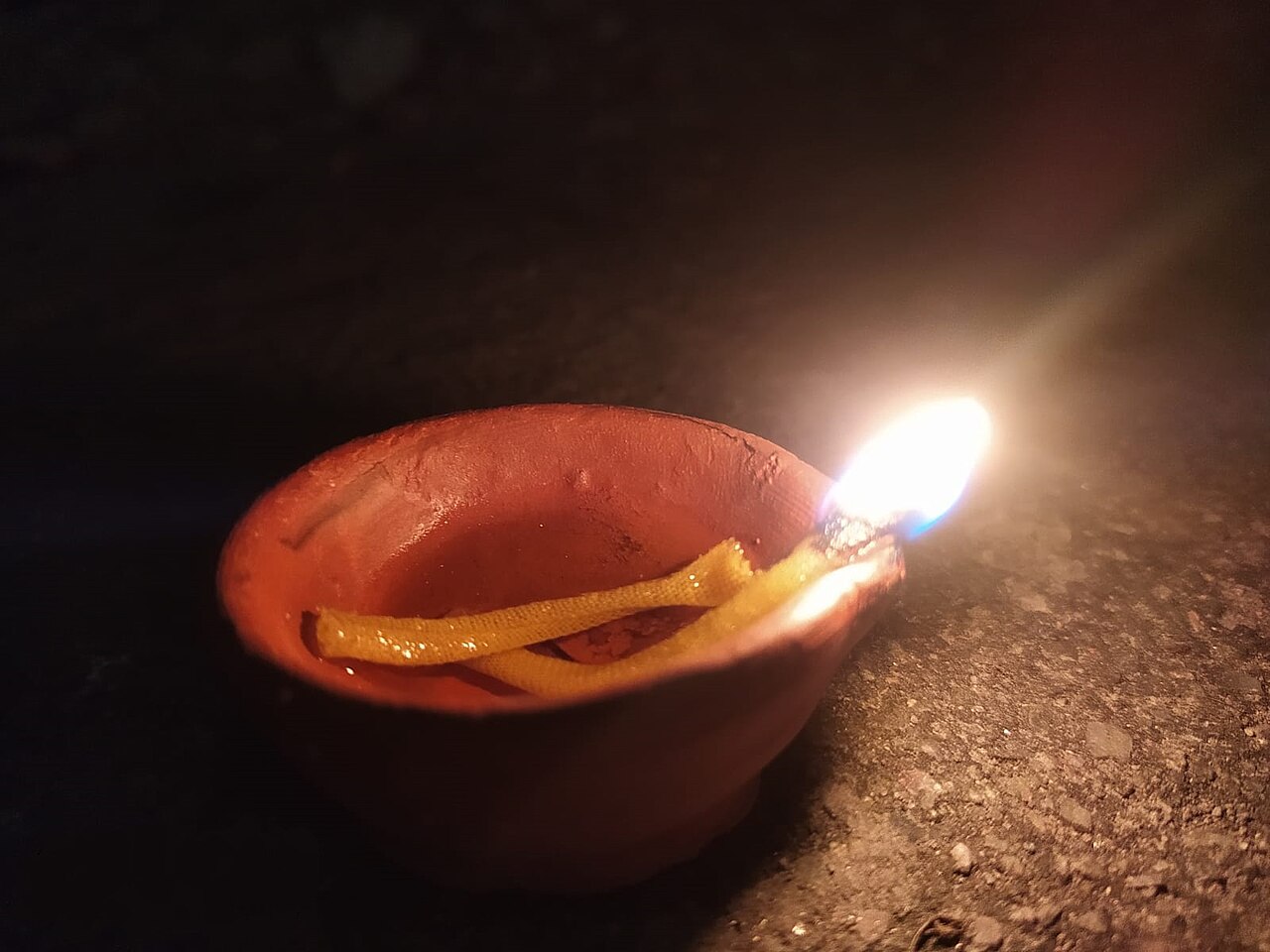
Once a year, on the darkest night of the lunar month, India lights up. Diwali, the festival of lights, is the most important and widely celebrated festival in India, when homes, streets, temples, and entire cities glow with millions upon millions of small oil lamps, candles, and lights, to mark the timeless triumph of light over darkness and good over evil. To be in India for Diwali is to witness an entire civilisation choosing, on one night, to push back the dark together.
The light that means everything
At its heart, Diwali celebrates the victory of light over darkness, knowledge over ignorance, and good over evil, a theme so universal it is observed by Hindus, and in their own ways by Jains, Sikhs, and others, across India and the world. The lamp, the diya, a small clay lamp filled with oil and a cotton wick, is the festival's enduring symbol: a single flame against the night, multiplied by the millions until whole cities shimmer.
The legends behind it are many, woven together over millennia. The most beloved in the north tells of the return of Lord Rama to his kingdom of Ayodhya after fourteen years of exile and his victory over the demon king Ravana, when the people lit rows of lamps to guide him home and celebrate the return of righteousness. Elsewhere the festival honours Lakshmi, the goddess of wealth and prosperity, who is welcomed into clean, brightly lit homes, and other regions hold their own stories. The unifying image is always the same: light, deliberately kindled, defeating darkness.
Diwali is a billion small flames lit against one dark night, each one a household saying the same thing: that light, and goodness, will win.
On the festival of lights
Five days of celebration
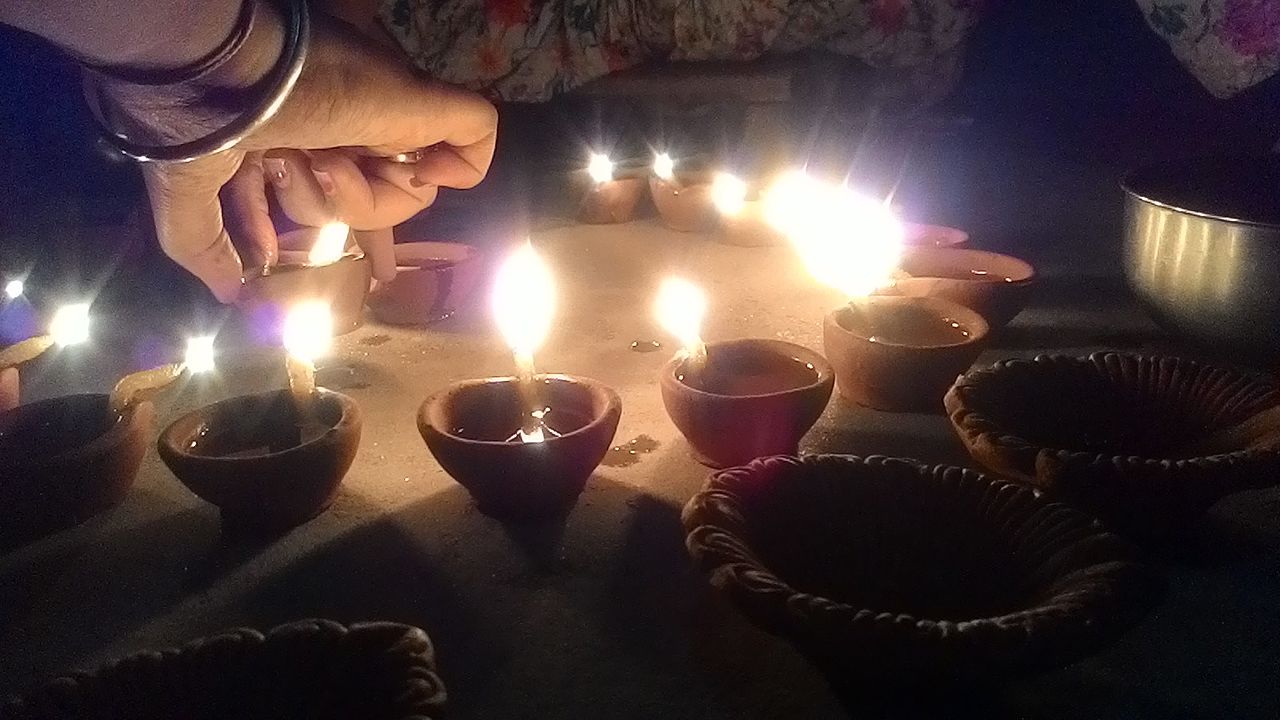
Diwali is not a single day but a sequence, traditionally five days of celebration, each with its own meaning. It often begins with Dhanteras, a day for buying gold, utensils, or new things and for welcoming prosperity. The main night, the great Lakshmi Puja, is when families light every lamp, perform prayers to the goddess of wealth, set off fireworks, and share sweets. The days around it include the celebration of bonds between family members, culminating in Bhai Dooj, honouring the bond between brothers and sisters.
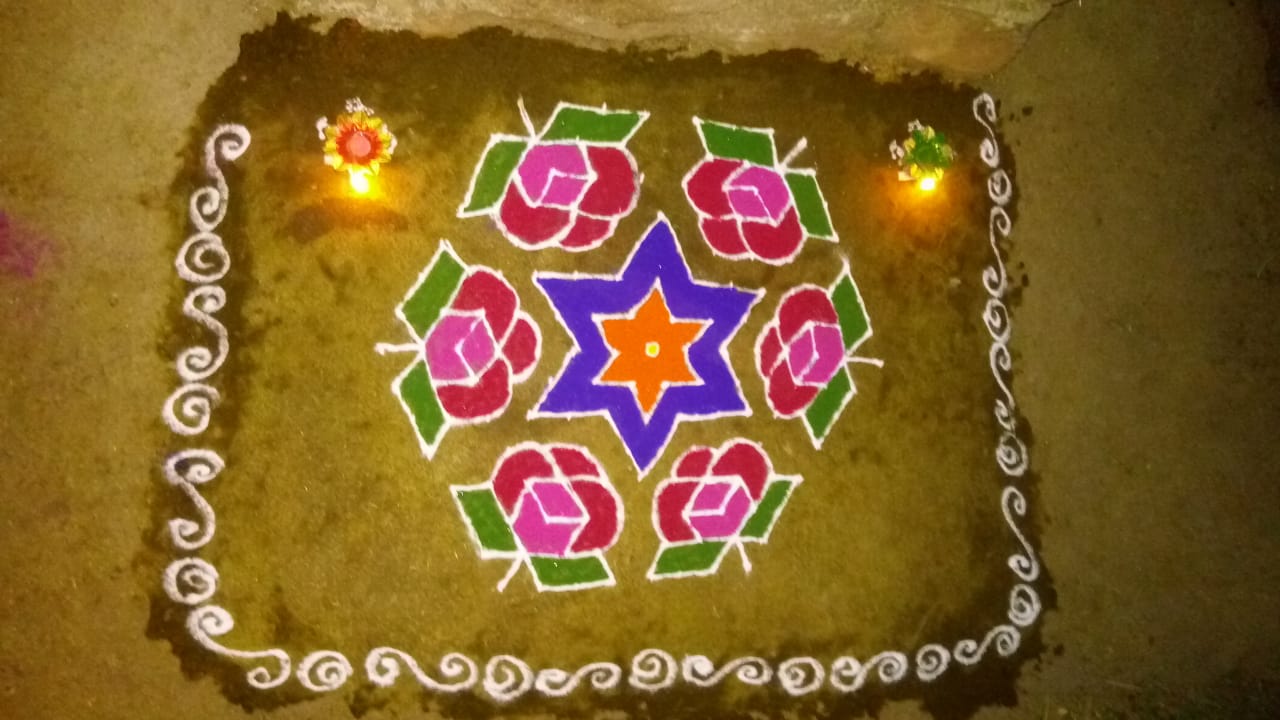
In the run-up, homes are cleaned and decorated, doorways framed with rangoli, intricate patterns drawn on the floor in coloured powder, flowers, and lamps to welcome the goddess and guests. New clothes are worn, gifts and boxes of sweets are exchanged, and mithai, the vast and glorious world of Indian sweets, flows freely. It is a time of family, generosity, renewal, and joy, India at its most warm-hearted and celebratory.
What it is like to be there
- Expect overwhelming warmth. Diwali is deeply social, and travellers are often welcomed into homes, fed sweets, and included. Accept graciously.
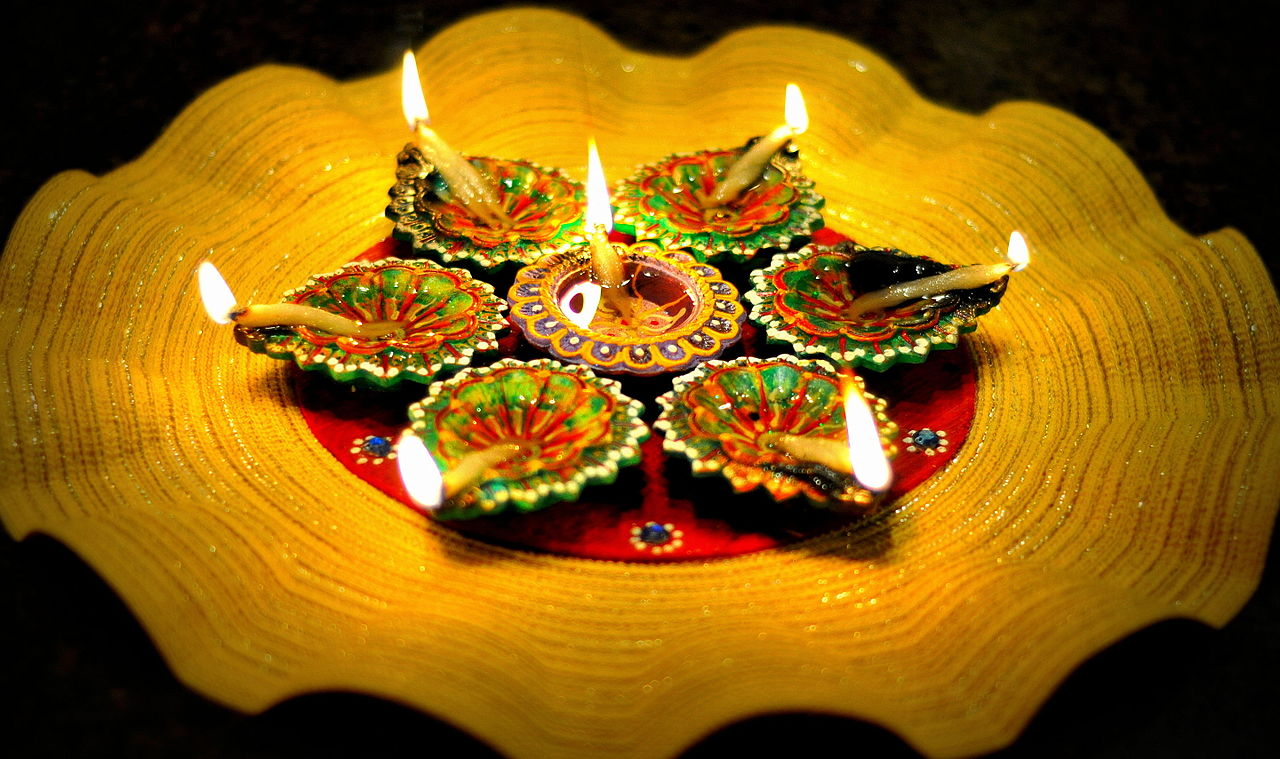
- The lights are everywhere. Whole streets, markets, and buildings glow with lamps and fairy lights. Evening strolls through lit-up bazaars are magical.
- Try the sweets. Mithai is central to Diwali. Sampling the regional varieties is one of the great pleasures of the season.
- Be ready for fireworks. They are a huge, loud part of the celebration, though concerns over noise and air pollution have grown in recent years.
- Visit a special location if you can. Varanasi, Jaipur, Amritsar, and others stage especially spectacular Diwali celebrations.
A couple of honest notes: the fireworks, while spectacular, make Diwali loud and, in big cities, smoggy, so the sensitive should plan around it. And it is peak travel and festival season in India, so transport and accommodation are busy and should be booked ahead. But these are small prices for witnessing the country at its most luminous and generous.
An entire culture aglow
There is nothing quite like being in India for Diwali, the lamps multiplying as dusk falls until the whole landscape glitters, the sound of celebration everywhere, the doors opening, the sweets pressed into your hands, the shared, simple, profound idea that light and goodness are worth celebrating. It is a festival of hope and renewal at the deepest level, and to experience it among the people for whom it means everything is to feel the warmth and spirit of India concentrated into its most beautiful night.
You can read about Diwali, but nothing prepares you for the moment dusk falls and a whole country, household by household, lamp by lamp, begins to glow.
We run group journeys across India through the year, and while our autumn departures move through regions like the Himalaya rather than the festival heartlands, the spirit is the same: India experienced from inside its warmth and light. The OJ Kashmir trip carries that ethos into the mountains and valleys of the north. Because whether it is a million Diwali lamps in the plains or autumn light on a Kashmiri lake, the gift of India is the same: a country that glows, and that pulls you generously into the glow.
Frequently asked
When is Diwali celebrated?
Diwali falls on the darkest night of the Hindu lunar month of Kartik, usually in October or November, with the exact date shifting each year. It is traditionally a five-day festival, with the main night of Lakshmi Puja at its centre. It is peak festival and travel season in India, so book transport and accommodation well in advance.
What does Diwali celebrate?
Diwali, the festival of lights, celebrates the triumph of light over darkness and good over evil. Its many legends include the return of Lord Rama to Ayodhya after defeating the demon king Ravana, when lamps were lit to guide him home, and the worship of Lakshmi, the goddess of wealth and prosperity. The diya, a small oil lamp, is its enduring symbol.
What is it like to experience Diwali in India?
It is overwhelming and beautiful. Homes, streets, and cities glow with millions of lamps and lights, rangoli patterns frame doorways, fireworks fill the sky, and sweets flow freely. Travellers are often warmly welcomed into homes and celebrations. Be aware that fireworks make it loud and, in big cities, smoggy, and that it is a very busy travel season.