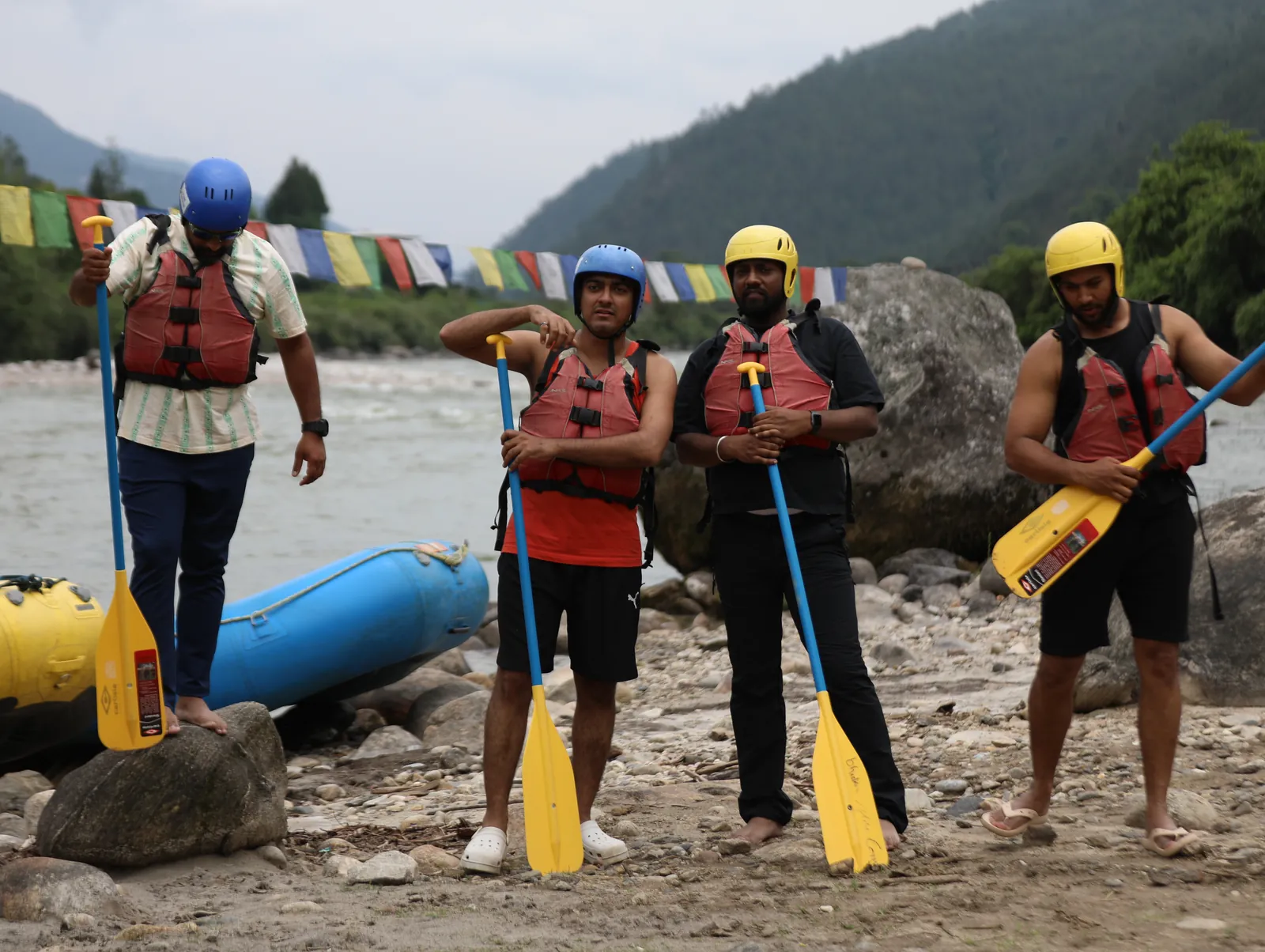
The assumption is that group travel is an extrovert's product. It is not, and some of the most reliably happy people on our trips are the ones who told us beforehand they were worried about the social side. What matters is picking the right kind of group trip and managing your energy deliberately rather than hoping it works out.
Why it often works better than expected
The hard part of socialising for most introverts is the opening. Small talk with strangers at a party, with no shared context and no reason to be there.
A group trip removes exactly that problem. You have an immediate shared context, you are all doing the same thing, and conversation has somewhere to go without anyone having to manufacture it. Nobody asks what you do for a living on day one because you are all busy looking at a canyon.
The other thing that helps is time. A party is three hours and you have to perform. A trip is a week, and there is space for a quiet day.
The hard part is not talking to people. It is starting. A group trip removes the start and leaves you the part that is fine.
What to look for
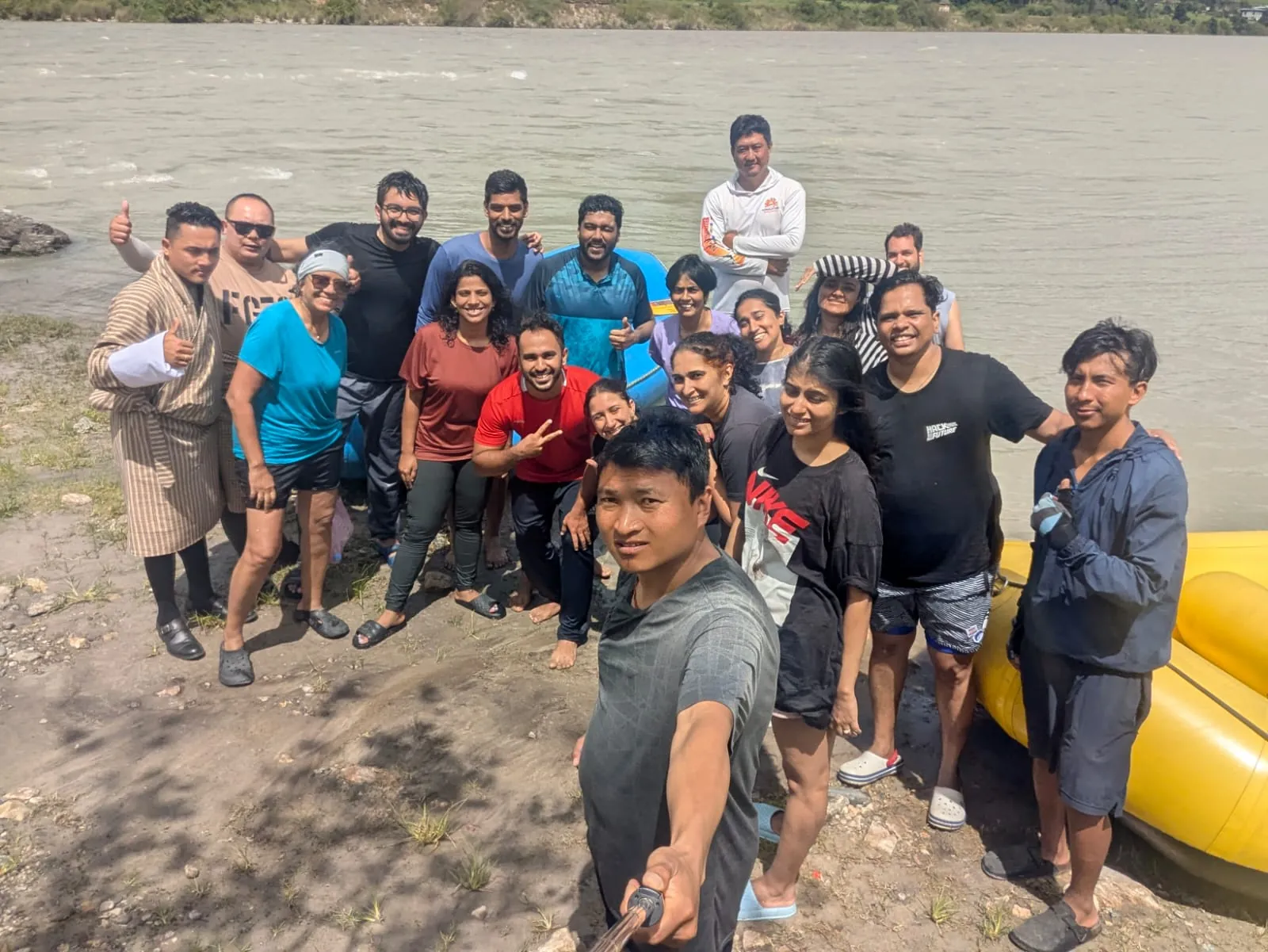
- Smaller groups. 12 to 20 rather than 40. Counterintuitive, but a small group is much easier for an introvert because you can actually know people rather than performing to a crowd.
- A single supplement. The most useful thing on this list. A room with a door you can close resets you overnight and changes the whole week.
- Itineraries with genuine free time. Every hour scheduled is exhausting. Look for afternoons that are not planned.
- Nature over nightlife. Trips built around landscape have natural quiet in them. Trips built around bars do not.
- Longer stays in fewer places. Constant movement means constant low-level logistics and group co-ordination, which is draining.
Destinations that suit
Some trips have quiet built into the structure, which does the work for you.
Bhutan is slow by design, the evenings are early, and the pace is gentle.
Iceland is a road trip through empty landscape, with long stretches where nobody is expected to talk.
Trekking generally. Walking side by side is the easiest social format there is. You can talk or not, and neither is awkward.
Kazakhstan and Mongolia involve long drives through big empty country, which is restful rather than demanding.
The ones to think twice about are festival and event trips, where the volume is the point and there is nowhere quiet to go.
Managing the week
Practical, and it works.
- Take the private room if you can. This is the single highest-leverage decision.
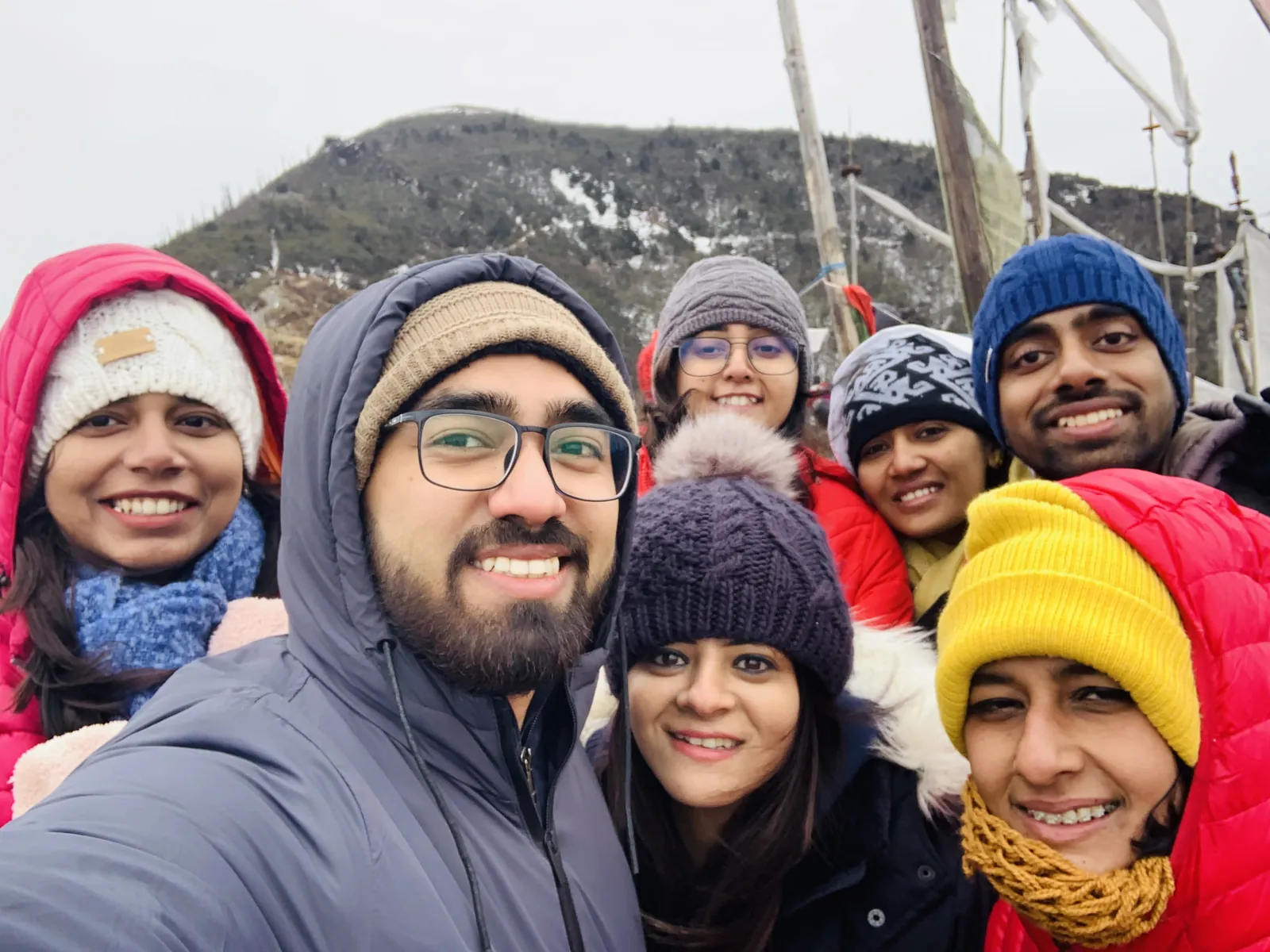
- Front-load. Be social on days one and two while your energy is high, because that is when the group forms. Then you can withdraw a bit later without it reading as distance.
- Use travel time as recovery. Headphones on a long drive is normal and nobody reads it as rude.
- Skip one optional thing. Take an afternoon off. Everyone assumes you are tired and nobody thinks about it again.
- Tell the trip leader. A good one will quietly stop putting you in the middle of everything.
The seat you take on the bus
Some very small mechanical choices carry more weight than they should on a group trip, and knowing them lets you manage your energy without anyone noticing you are doing it.
Vehicle seats. Groups settle into fixed seating within two days without anyone deciding to. Sitting somewhere different on days one and two is the cheapest way to talk to several people without any of it being a conversation you had to start. After that, take whichever seat you want and nobody will think about it again.
Meal tables. Same mechanism, higher stakes, because meals are where the group's social structure actually forms. Move for the first three, then settle.
Walking pace. On any trek or long walk, the group strings out by pace, and each pocket becomes a small conversation. Walking slightly faster or slower changes who you are with, with no social cost at all. This is the single most useful tool available to a quiet person on an active trip.
Being the one who takes photographs. A legitimate, socially useful role that involves standing slightly apart from the group for long periods and being thanked for it.
None of this is manipulation. It is just knowing that the group's structure is set by physical arrangement more than by personality, and that you can use the arrangement rather than fight it.
The thing worth knowing
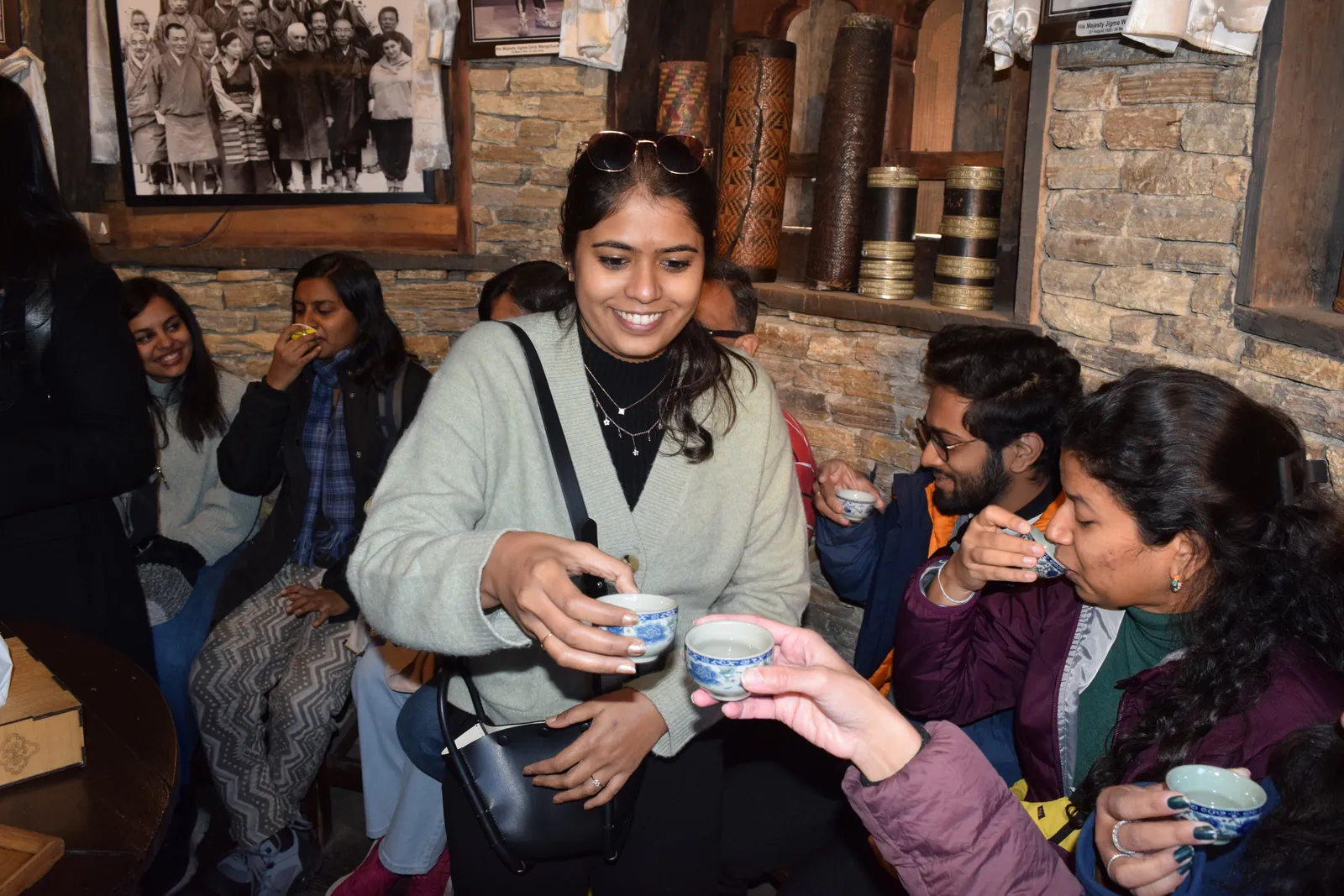
Most groups have three or four people who arrived quietly worried about this exact thing. They usually find each other by day three, and that smaller subgroup inside the bigger one tends to be the part people remember.
You are not the only one. You just happen to be the one reading this page.
Frequently asked
Are group trips good for introverts?
Often better than expected. The hardest part of socialising for most introverts is starting a conversation with no shared context, and a group trip removes that entirely since everyone is doing the same thing. Smaller groups of 12 to 20 suit introverts better than large ones, because you can genuinely know people rather than performing to a crowd.
How do I get alone time on a group trip?
Book the single supplement for a private room if it is available, which is the single most effective step. Use long travel days as recovery time with headphones, skip one optional activity mid-trip, and choose itineraries with unscheduled afternoons rather than every hour planned. Telling the trip leader also helps, since a good one will adjust quietly.
Which destinations suit quieter travellers?
Trips with natural quiet built into the structure. Bhutan is slow-paced with early evenings, Iceland is a road trip through empty landscape, and trekking works well because walking side by side makes conversation optional. Kazakhstan and Mongolia involve long drives through open country. Festival and event-led trips are the ones to think twice about.