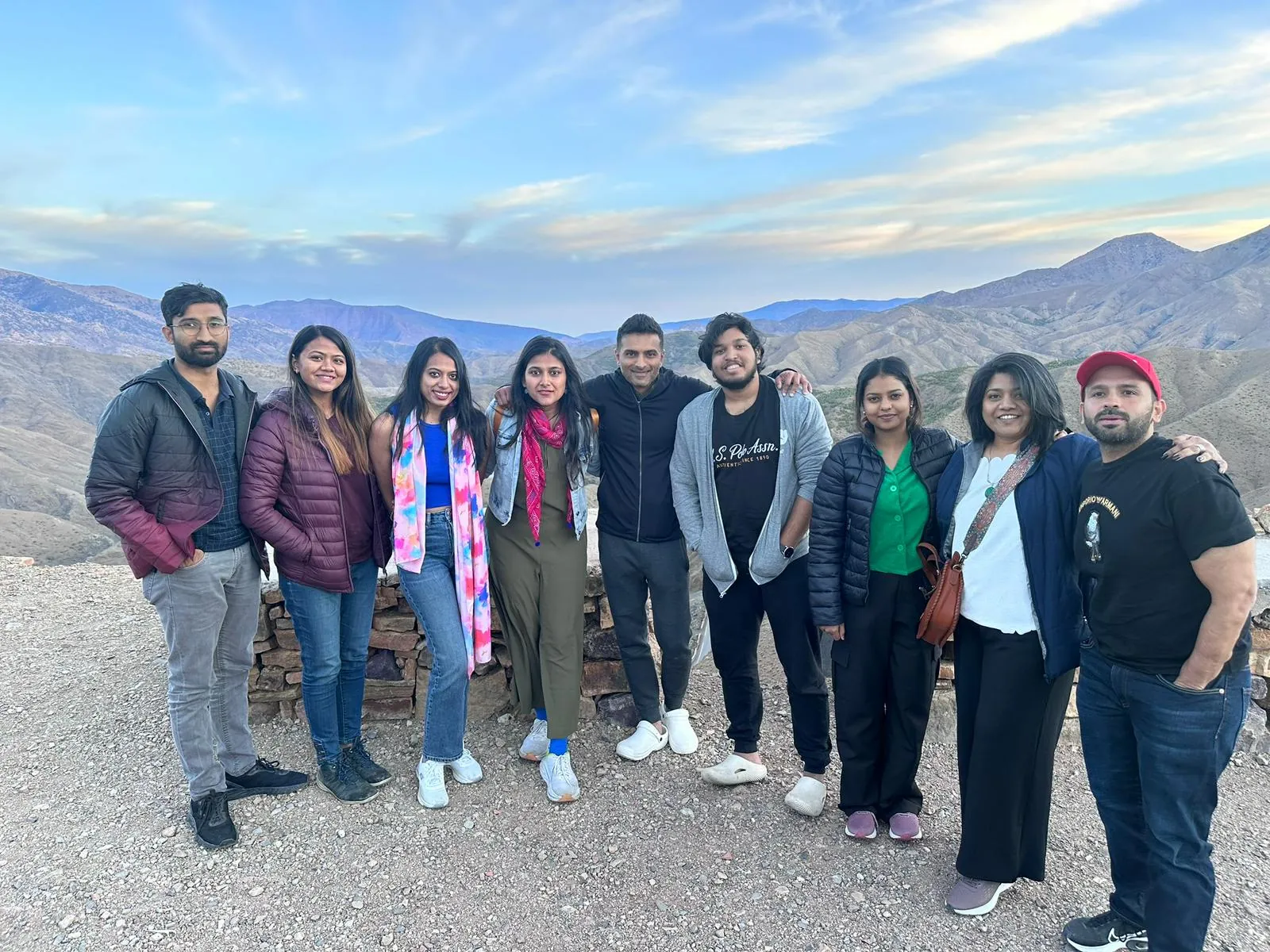
Nobody explains the mechanics, so people book slightly blind and are surprised by ordinary things. This is the whole process from the moment you pay to the moment you land back, for a typical international group trip from India.
Booking to departure
You pay a deposit to hold a seat and the balance falls due closer to the date, usually somewhere between 30 and 60 days out. The deposit is generally the part that is non-refundable, so read the cancellation schedule before you pay it rather than after.
Then, on most trips, a WhatsApp group appears somewhere between two weeks and two months before departure. This is the single most useful thing about the modern group trip. You will know names, faces and roughly who is who before you land, which removes most of the day-one awkwardness.
You will also get a kit list, a visa documentation pack if the destination needs one, and joining instructions telling you exactly where and when to be.
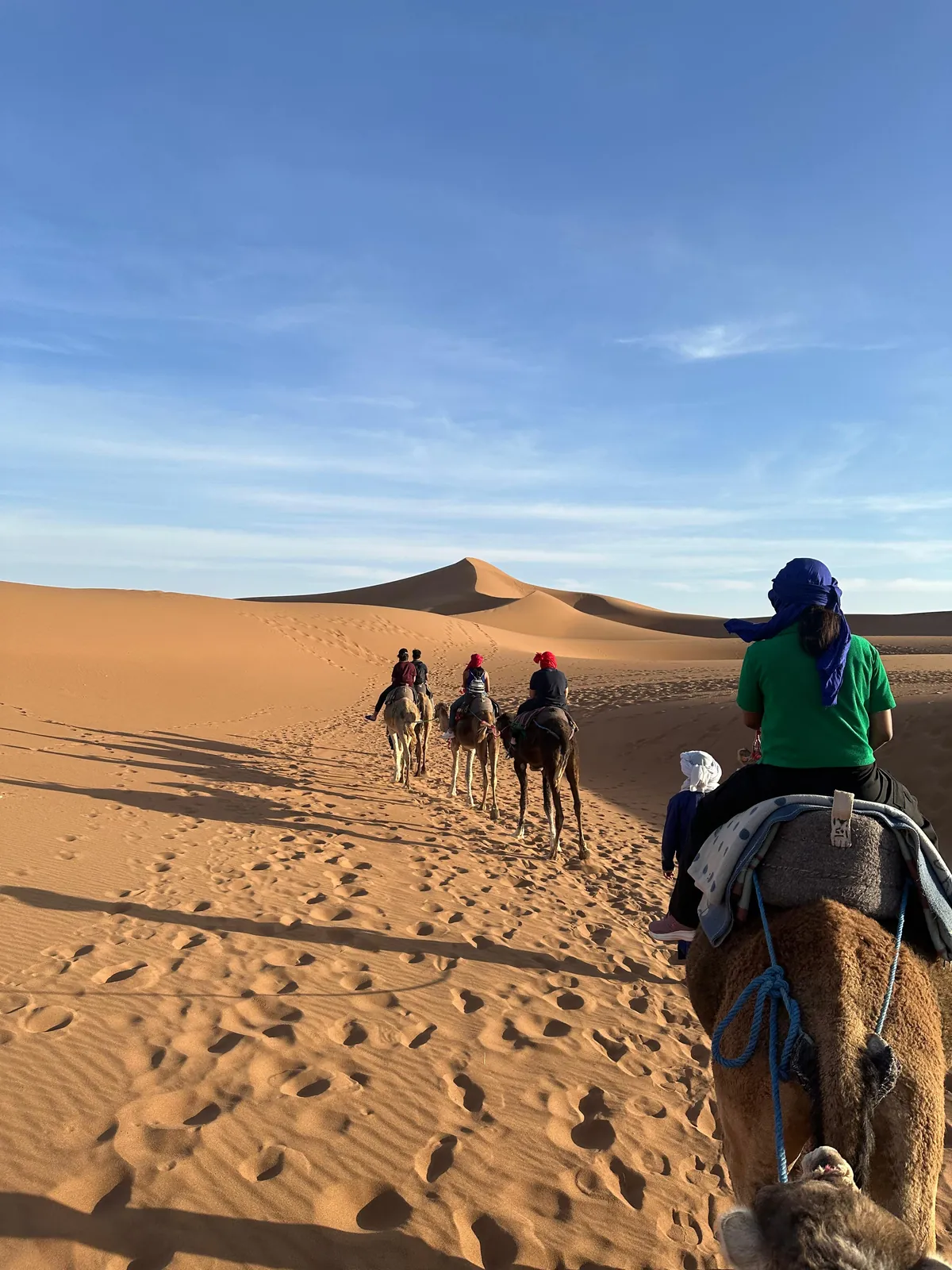
Rooming, which nobody explains
Standard practice on almost every Indian group trip is twin sharing, with solo travellers paired with someone of the same gender. You do not usually get to choose, though most operators will try to accommodate a request if you make it early.
A single supplement is available on most trips at extra cost, and it is the best money you can spend if you value a door that closes. Ask about it when booking, because rooming is often fixed weeks in advance.
On treks and expedition trips, some nights are tents, dormitories, teahouses or homestays where the twin-share arrangement does not apply at all. The itinerary should say which nights are which.
What the trip leader actually does
More than most people expect. They handle logistics, timing, vehicles, check-ins and problems, which is the visible part.
The invisible part is group management. A good leader notices who is not talking to anyone by day two and quietly fixes it. They adjust the pace when someone is struggling. They handle the person who is consistently late without turning it into a group issue. That work is most of the difference between a good trip and a mediocre one, and it is entirely absent from every itinerary.
The itinerary is the same everywhere. The trip leader noticing who is on their own at breakfast is the part you are actually paying for.
How a day is structured
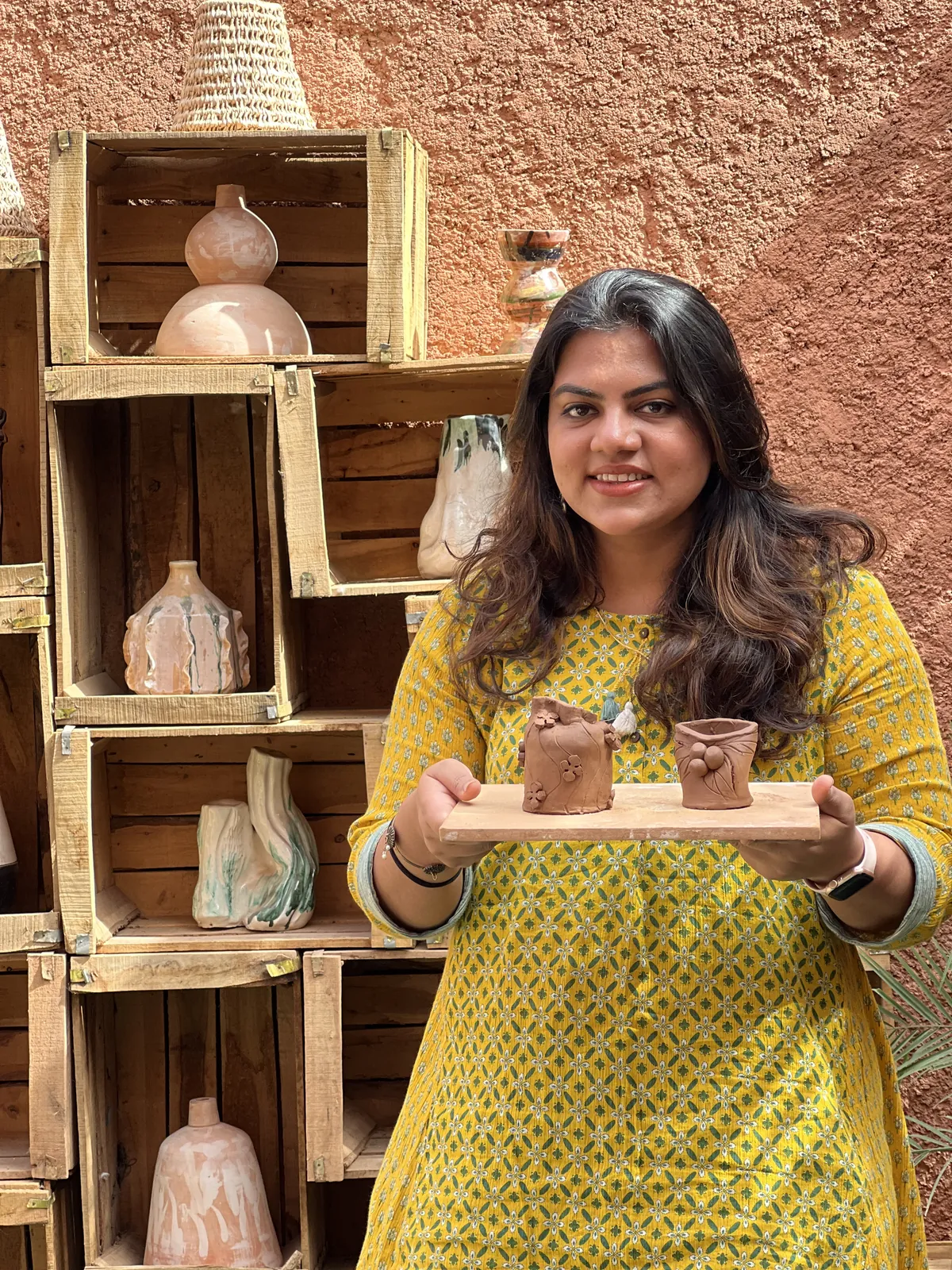
Most days follow roughly the same shape. An early start, more often than you would like. A main activity or a drive. Lunch somewhere en route, which is frequently the least planned part of the day. An afternoon activity or arrival at the next place. Evening free or a group dinner.
Free time exists but there is less of it than the itinerary implies, because the itinerary does not count the time spent waiting for everyone to be ready. That is a real cost of group travel and it scales directly with group size, which is one more reason the group cap matters.
Meals are usually a mix of included and not. Check which, since it affects both your budget and how much of the day is group time.
Money on the trip, and how it usually works
The mechanics of money during a group trip confuse first-timers more than anything else, so here is the normal arrangement.
Included meals are usually breakfast and some dinners. Lunch is frequently excluded because the group is moving and stops vary. Budget for roughly one paid meal a day plus snacks and coffee.
A group kitty is common on domestic and expedition trips. Everyone puts in a fixed amount at the start, the trip leader pays for shared costs from it, and the remainder is returned or spent at the end. It saves endless splitting and it works, provided someone is keeping a visible record.
Tips for drivers, guides and camp staff are usually collected as a group near the end, at a suggested amount per person. This is normal practice rather than an imposition, and the suggested figure is genuinely a suggestion.
Optional activities are paid individually and on the spot. Find out which ones exist and what they cost before you leave, because deciding at the counter with a queue behind you is how people spend more than they meant to.
Cards and cash. Carry more cash than feels sensible in destinations with thin infrastructure. Card acceptance in rural Central Asia, Mongolia and much of the Himalaya ranges from patchy to nonexistent, and the one ATM in town is sometimes empty.
The end, and after
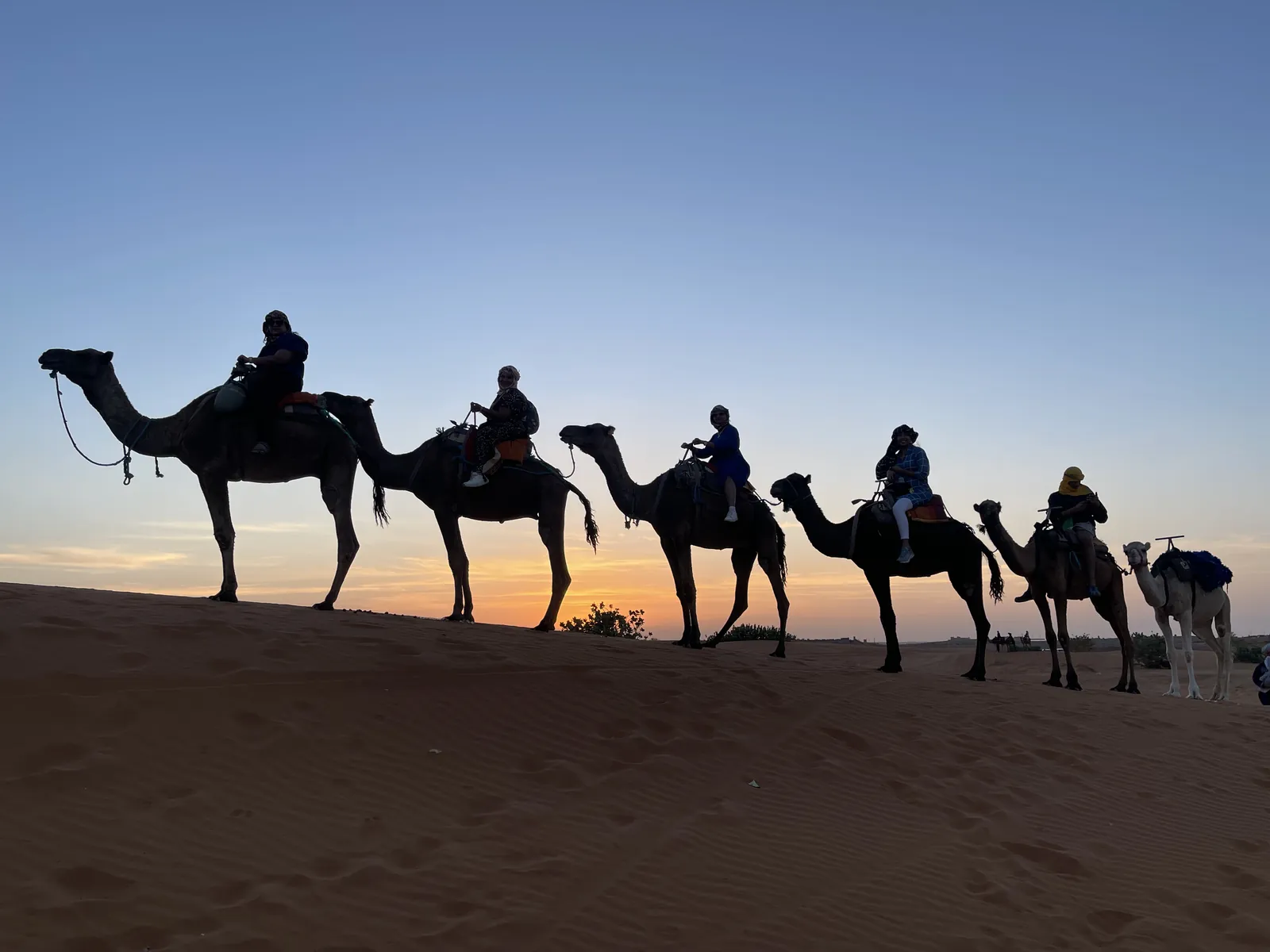
The last night is almost always the best one and there is a structural reason for it. The group has fully formed, everyone is comfortable, and the fact that it is ending makes people say things they would not have said on night two.
The WhatsApp group usually survives. Some go quiet in a month and some are still going years later. A proportion of people meet up afterwards, and a smaller proportion end up genuinely close.
It is the part that sounds like marketing copy right up until the point you have been on one.
Frequently asked
Do you share a room on a group trip?
Twin sharing is standard on almost all Indian group trips, with solo travellers paired with someone of the same gender. A single supplement for a private room is usually available at additional cost, and it is worth asking about at the time of booking since rooming is often fixed weeks before departure. Treks and expedition trips may involve tents, teahouses or homestays instead.
What does a trip leader do on a group trip?
The visible work is logistics, timing, vehicles, check-ins and handling problems. The less visible and more important work is group management: noticing who has not connected with anyone by day two, adjusting pace when someone is struggling, and handling difficult group dynamics without making them everyone's problem. That is most of the difference between a good trip and an average one.
When do you pay the balance for a group trip?
Typically 30 to 60 days before departure, after an initial deposit that holds your seat. The deposit is usually the non-refundable portion, so read the full cancellation schedule with its dates and percentages before paying it rather than afterwards.