Insurance is the least interesting part of booking a trip and the part most likely to cost you badly. The specific failure mode is common and avoidable: people buy a standard policy, do an activity the policy excludes, and find out at exactly the wrong moment.
What standard policies usually exclude
Read your own policy, since terms vary by insurer, but these are the usual gaps.
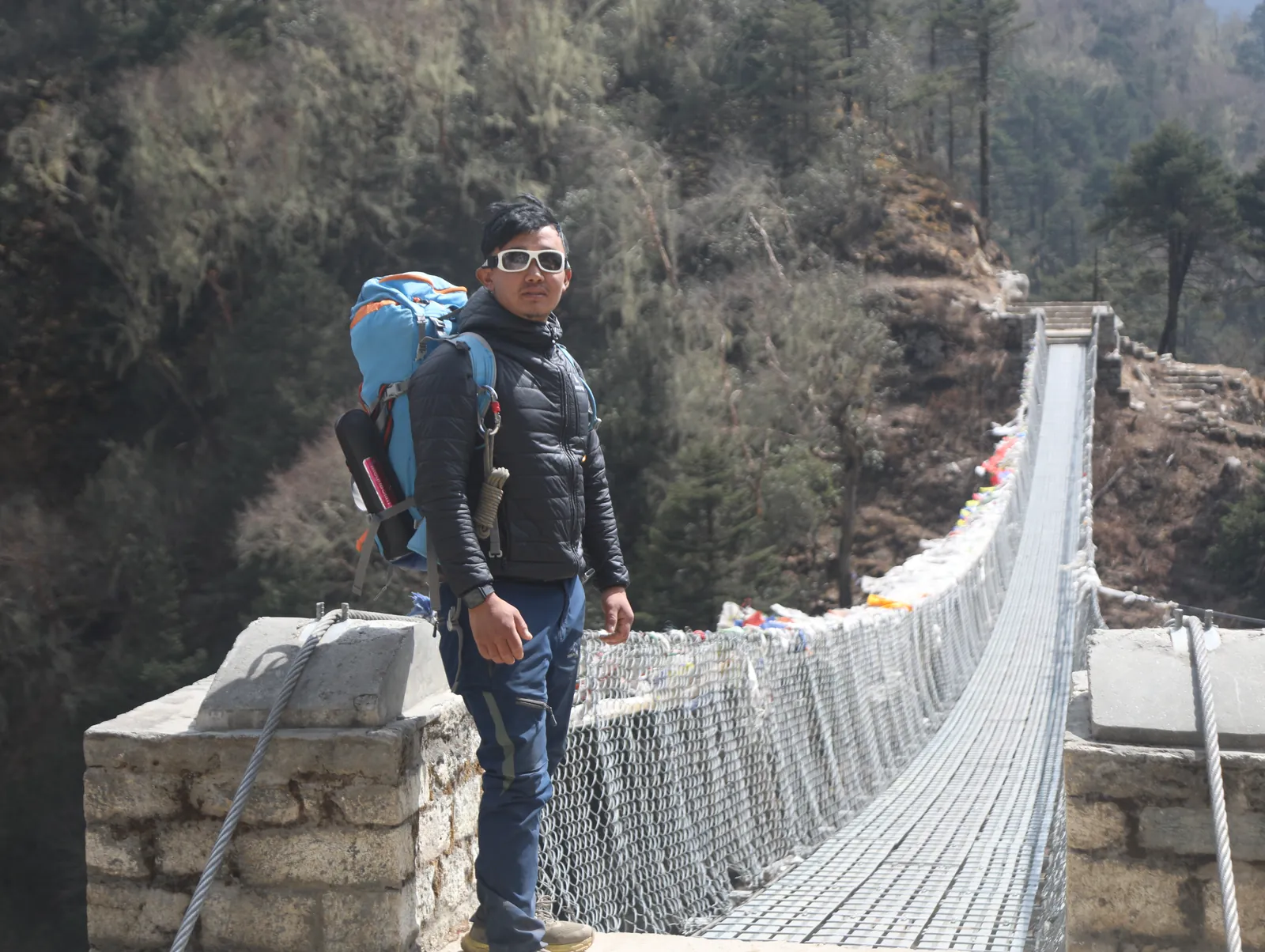
- Trekking above a stated altitude. Commonly 3,000 or 4,000 metres. This excludes Everest Base Camp, most Himalayan treks, and the Pamir Highway where you sleep near 4,000 metres.
- Scuba diving beyond a certain depth, or without a specified certification.
- Adventure activities. Skydiving, bungee, rafting, canyoning, paragliding. Relevant to New Zealand, Meghalaya and a lot of Southeast Asia.
- Mountaineering. Anything using ropes, crampons or ice axes is almost always excluded from standard cover. This matters for Elbrus.
- Pre-existing conditions unless declared, which people routinely forget to do.
The policy that covers your trip does not necessarily cover the reason you booked it. Check the activity list, not the destination list.
The thing that actually matters at altitude
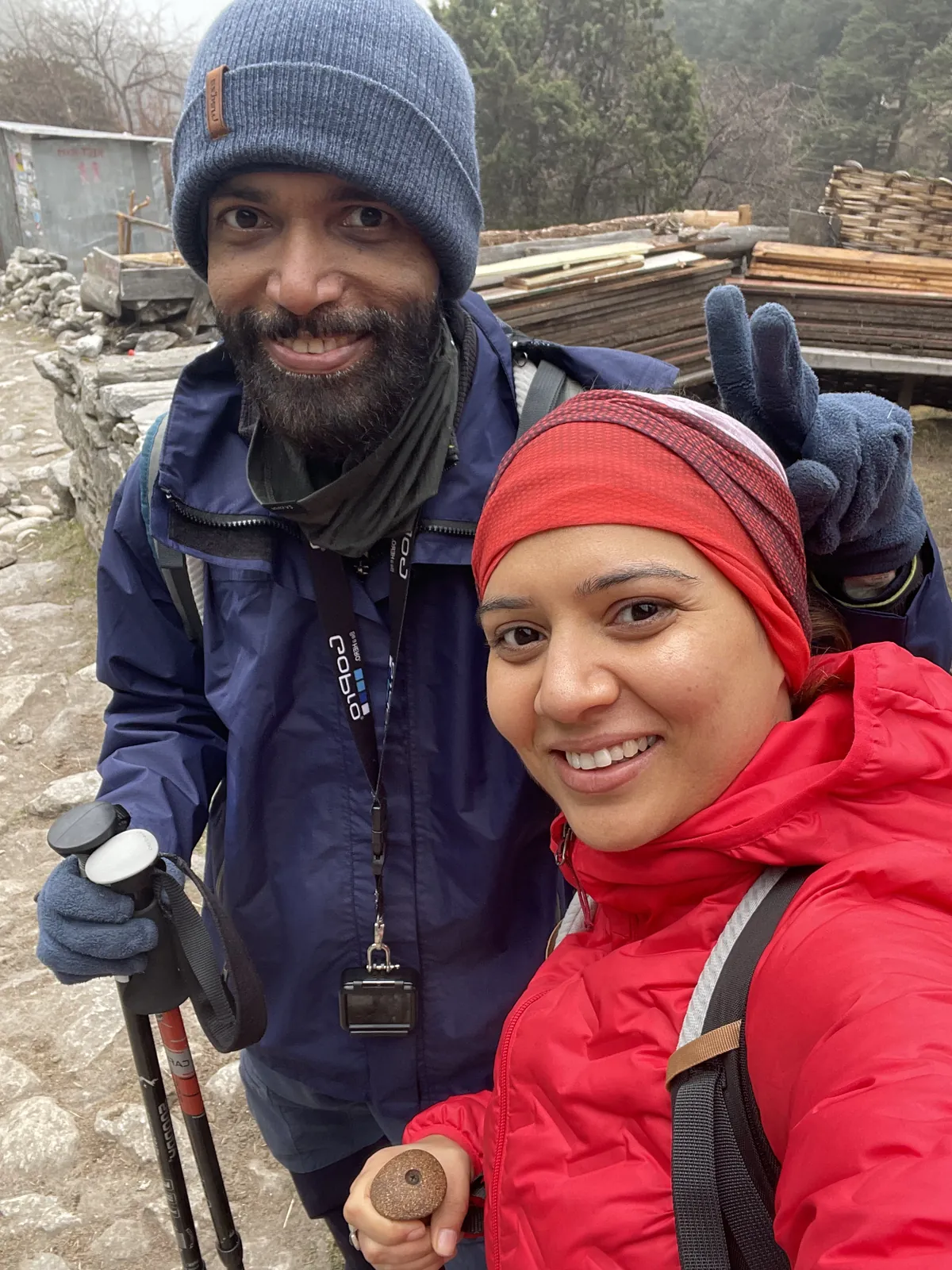
For any high-altitude trip the critical line item is helicopter evacuation, and this is not a hypothetical. In the Everest region, an evacuation is the standard response to serious altitude sickness and it is expensive.
Check two things specifically: that emergency evacuation is covered, and that it is covered at the altitude your itinerary actually reaches. A policy covering trekking to 3,000 metres is no use at 5,364.
Also check whether the insurer requires you to be with a licensed operator, because some do, and independent trekking can void the cover.
What to ask your operator
- Is insurance included in the price, or do I arrange my own?
- If included, what are the coverage limits and what activities on this itinerary are excluded?
- What altitude does this itinerary reach, and is that within the policy limit?
- Is emergency evacuation covered, and up to what amount?
- Does the policy require me to be with a licensed operator?
Many Indian operators sell trips with insurance not included, which is legitimate as long as it is clear. The problem is when travellers assume it is included and nobody says otherwise.
Practical steps
Buy the adventure sports extension if your trip involves anything on the exclusion list. It typically costs a fraction of the trip and is the difference between covered and not.
Declare pre-existing conditions. An undeclared condition can void an entire claim, including for something unrelated.
Carry the policy number and the emergency line offline on your phone, not only in email. At 4,500 metres you will not have signal to search your inbox.
Tell your trip leader about any medical condition or medication before departure rather than during an incident.
How a claim actually works
Most people never read this part until they need it, at which point the requirements are difficult to satisfy. The practical version.
Contact the insurer before you incur the cost, wherever possible. Most policies require notification, and some require pre-authorisation for anything significant. An evacuation arranged without contacting them can be refused even when the event was clearly covered.
Keep every document. Original bills, the doctor's report, the police report for theft, boarding passes, and anything the operator gives you. Claims are refused far more often for missing paperwork than for the event not being covered.
Get the medical report to say the right thing. A report saying altitude sickness on a policy covering trekking to 4,000 metres, for an incident at 4,600, is a problem. This is why the altitude limit on your policy needs to match your itinerary before you leave.
Report theft to the police within the stated window, usually 24 hours. Most policies will not pay without a report, and getting one retrospectively in a foreign country is difficult.
Tell your trip leader immediately. They have usually done this before, often know the local process, and their documentation of the incident supports your claim.
The general principle: insurers pay claims that are documented and notified properly, and decline claims that are not, largely regardless of how obviously deserving the case is.
The visa connection people miss
Some destinations require proof of travel insurance as part of the visa application, with a stated minimum coverage amount. Schengen countries are the common example.
That means insurance sometimes needs buying earlier than you would expect, before the visa appointment rather than before the flight. Check the requirement when you start the application, not when you start packing.
Frequently asked
Does travel insurance cover trekking at high altitude?
Standard policies commonly exclude trekking above 3,000 or 4,000 metres, which would exclude Everest Base Camp and most Himalayan treks. You usually need an adventure sports extension. Check specifically that emergency helicopter evacuation is covered and that the cover extends to the maximum altitude your itinerary reaches.
Is travel insurance included in group trip prices in India?
Often not. Many Indian operators sell trips with insurance excluded, which is legitimate provided it is stated clearly. Problems arise when travellers assume it is included. Ask directly whether it is in the price, and if so what the coverage limits are and which activities on the itinerary are excluded.
Do you need travel insurance for a visa application?
For some destinations yes. Schengen countries require proof of travel insurance with a stated minimum coverage as part of the application. This means the policy sometimes needs buying before the visa appointment rather than before the flight, so check the requirement when you begin the application.