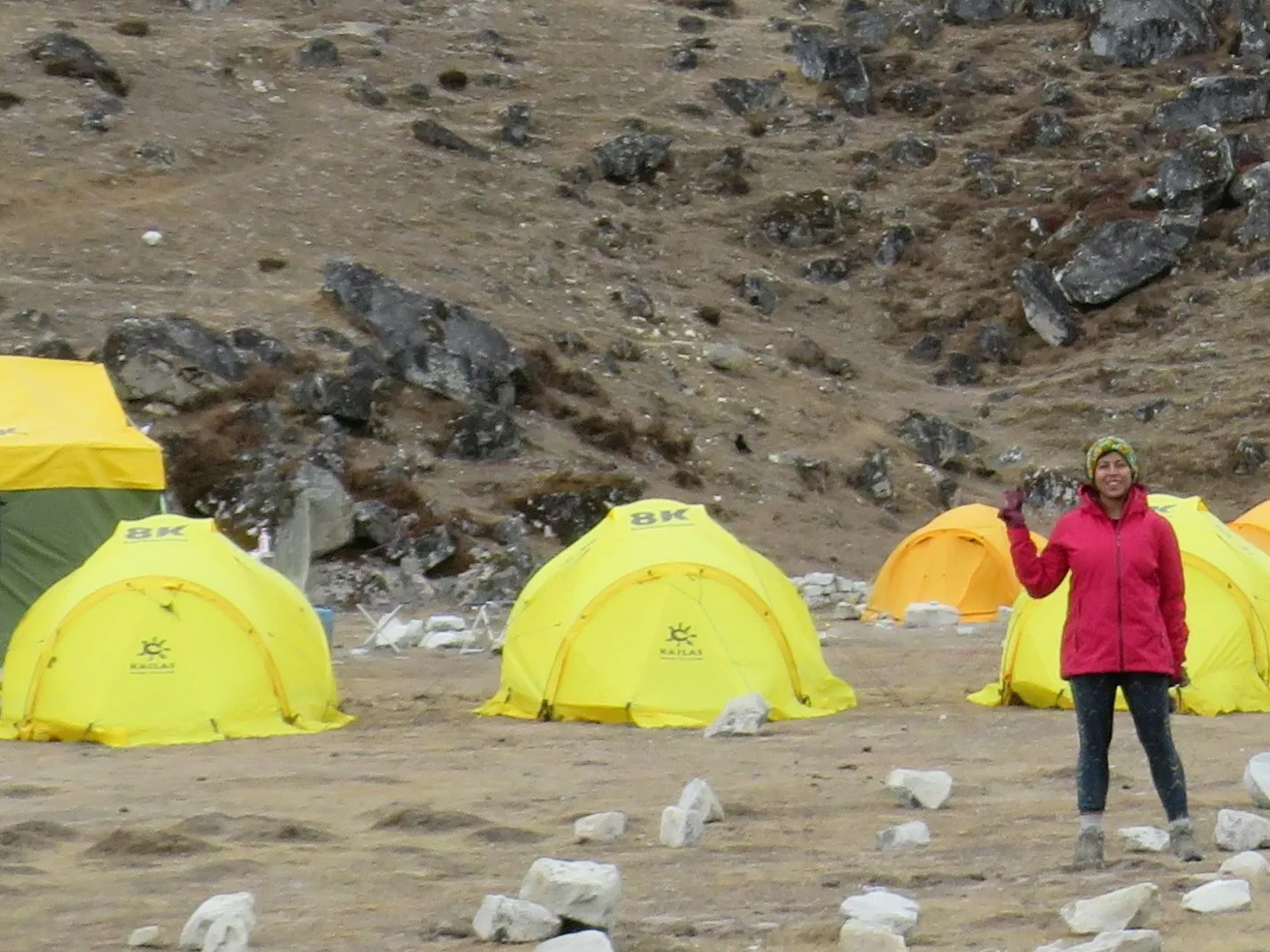
Everest Base Camp is the most sold trek in the world and the one where operator choice matters most. It is not technical. You do not need mountaineering skill. What it needs is time, and the single biggest difference between operators is how many days they give you to gain the altitude. That number is the whole safety conversation.
Who runs group trips to Everest Base Camp from India
Extremely crowded field. Everest Base Camp is sold by hundreds of operators, Indian and Nepali, at wildly different price points and standards.
One in the Orange Jacket runs Everest Base Camp over 16 days, graded Challenging, in groups of 12 to 20.
The crowding is exactly why the vetting matters. Ask how many times the company has run this specific trek this season, who the leader is, and what the turnaround protocol is if someone develops altitude sickness at 4,500 metres. A confident, specific answer is what you are paying for.
Booking directly with a Nepali operator in Kathmandu is cheaper and shifts more of the responsibility to you. That is a legitimate choice if you are experienced and understand what you are taking on.
What the trip actually involves
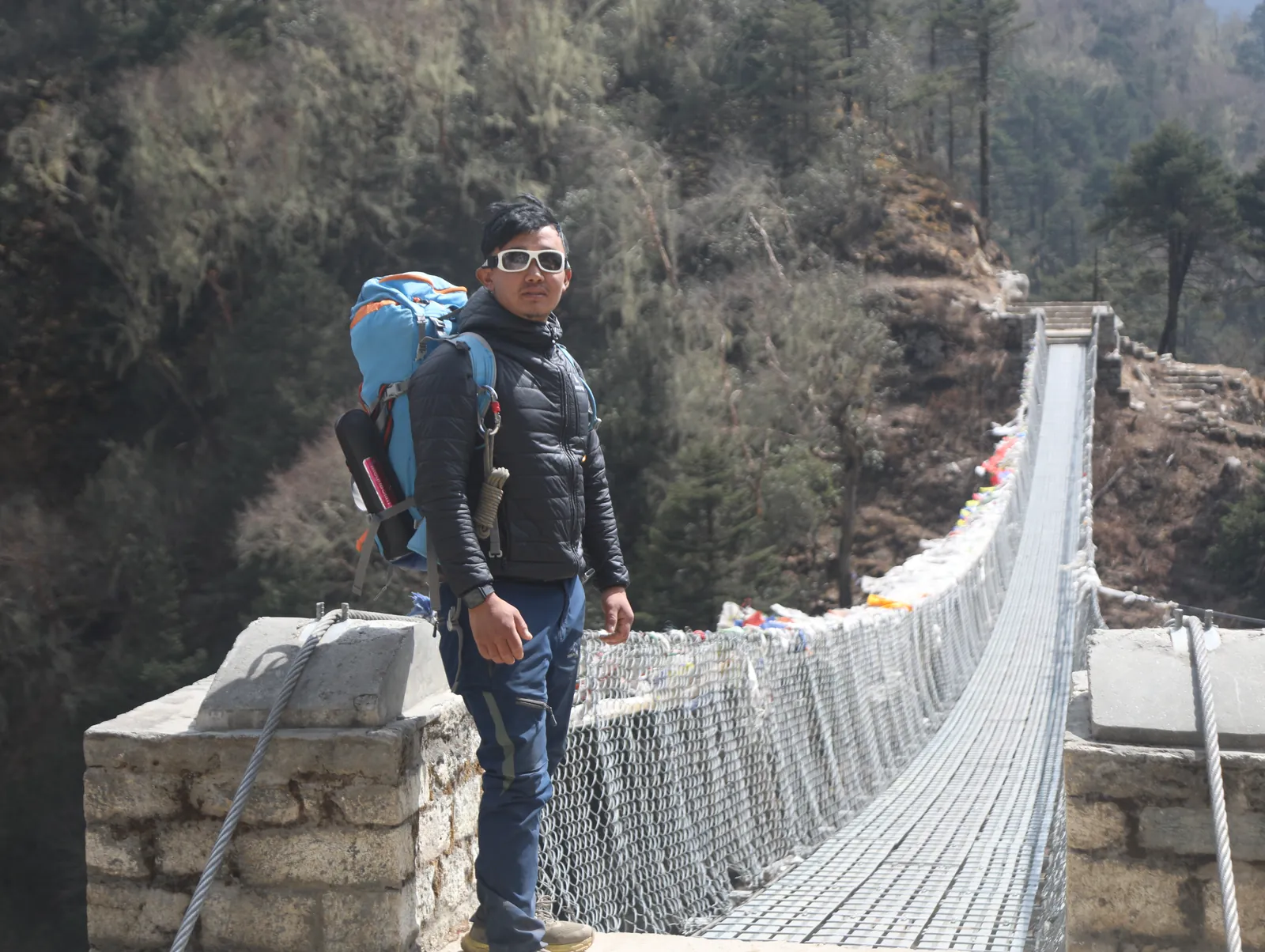
Sixteen days, flying into Lukla and walking up through Namche Bazaar, Tengboche and on to Base Camp at 5,364 metres. Most itineraries include Kala Patthar for the view of Everest itself, because from Base Camp you cannot actually see the summit.
Ama Dablam is the mountain you will photograph most, and Tengboche Monastery at around 3,860 metres is the cultural high point of the walk.
Graded Challenging. The walking itself is within reach of most reasonably fit people. The altitude is what makes it hard, and altitude does not care about your gym routine.
- Length. 16 days
- Difficulty. Challenging
- Highlights. Everest Base Camp (5,364m), Khumbu Icefall view, Namche Bazaar, Tengboche Monastery and Ama Dablam views
How the days actually run
The Lukla flight is the start and it is weather-dependent, which is why itineraries need buffer days. From Lukla you walk, and the first days through Phakding to Namche are forested and green, which is not what people picture.
Namche Bazaar at around 3,440 metres is the acclimatisation stop and the last real town. Two nights here is standard and non-negotiable in a good itinerary. Tengboche follows, with a working monastery and the first proper view of Ama Dablam, which is the mountain that steals the trip from Everest.
Above Dingboche the landscape turns to rock and ice and the air starts to matter. Days get shorter in distance and longer in effort. Lobuche and Gorak Shep are cold, basic and thin.
Base Camp itself is a moraine field at 5,364 metres with a view of the Khumbu Icefall, and Everest is not visible from it. Kala Patthar the next morning, before dawn, is where you actually see the mountain. That is the summit of the trip in every sense that matters.
Visas, permits and getting there
Indian nationals do not need a visa for Nepal. You need photo ID, and a passport is the simplest form of it.
You will need permits for the Sagarmatha National Park and the local rural municipality, which operators arrange.
The Lukla flight is weather-dependent and delays are common. A good itinerary has contingency built in for that, and you should ask what happens if the flight is cancelled for two days.
When to go
March to May and late September to November. Those are the two stable windows, with autumn generally giving the clearest views.
Winter is cold and quiet but viable for the experienced. Monsoon from June to August means cloud, leeches lower down and a high chance of not seeing the mountains at all.
Everest Base Camp or Annapurna Base Camp?
The two classic Nepal treks. Everest Base Camp is higher, longer, colder and more famous, and requires the Lukla flight. Annapurna Base Camp is lower, shorter, greener, easier to reach from Pokhara and considerably more forgiving on acclimatisation. If it is your first Himalayan trek at this scale, Annapurna is the sensible choice. Everest is the one people want.
| Everest Base Camp | Annapurna Base Camp | |
|---|---|---|
| Length | 16 days | 12 days |
| Maximum altitude | 5,364m, Kala Patthar higher | 4,130m |
| Access | Lukla flight, weather-dependent | Road from Pokhara |
| Difficulty | Challenging | Moderate to challenging |
Who this trip is not for
Anyone who has never been to altitude and wants this as a first trek. Do something lower first. Altitude sickness is not a fitness problem and being young and strong does not protect you.
Anyone on an itinerary shorter than about fourteen days. If a company offers Base Camp in eleven, they have removed acclimatisation days, and that is the part keeping you safe.
Frequently asked
How many days do you need for Everest Base Camp?
Around fourteen to sixteen days including acclimatisation. If an operator offers the trek in eleven or twelve days, they have removed rest and acclimatisation days, which are the element that keeps you safe. Comparing day counts between operators on the same route is the single most useful check you can make.
Do Indians need a visa for Nepal?
No. Indian nationals do not require a visa for Nepal, though you need valid photo identification and a passport is the simplest option. You do need permits for Sagarmatha National Park and the local rural municipality, which operators arrange as part of the trek.
Is Everest Base Camp technically difficult?
No, it requires no mountaineering skill and the walking is within reach of most reasonably fit people. The difficulty is altitude, reaching 5,364 metres at Base Camp. Altitude sickness is not related to fitness, so being young and strong offers no protection. The itinerary's acclimatisation schedule matters far more than your training.