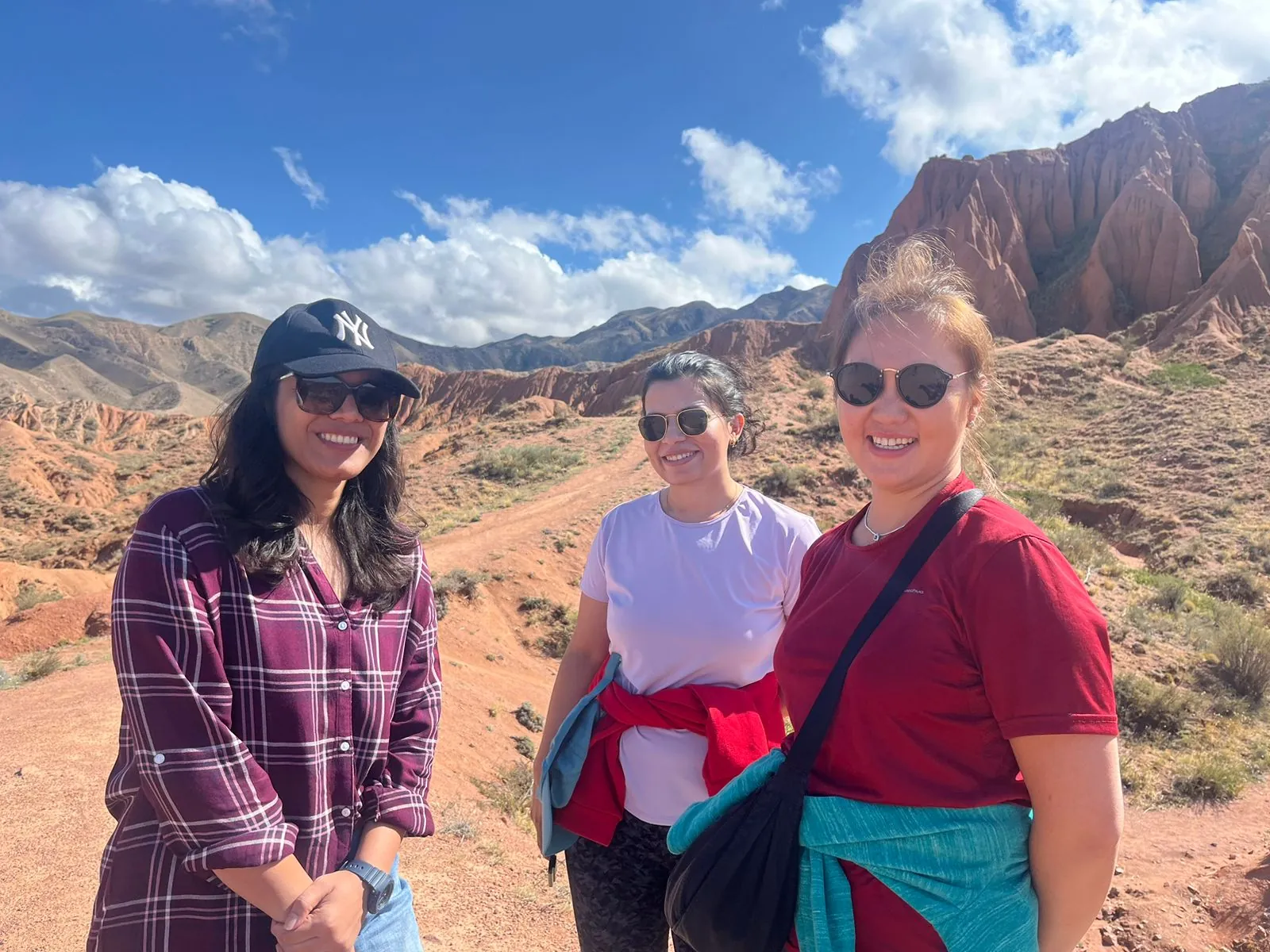
Almost every Indian travel company sells the same twelve destinations. Bali, Vietnam, Thailand, Dubai, Singapore, Europe, Kashmir, Ladakh, Spiti, Meghalaya, Andamans, Nepal. There are good commercial reasons for that. It also means that if you want to go somewhere genuinely off that list, your options narrow very fast, and it is hard to find out who actually runs them.
Why so few companies run these trips
It is not lack of interest. It is that unusual destinations are commercially awkward.
- They fill slowly. A Bali departure fills in weeks. A Tajikistan departure takes months, and might not fill at all.
- The logistics are genuinely hard. Permits, border crossings, thin infrastructure, drivers who need to be booked a season ahead.
- There is no local agency to outsource to. In Bali you can hand the trip to a vendor. On the Pamir Highway you have to know what you are doing yourself.
- One bad season kills it. A closed border or a political wobble and the whole product is dead for a year.
So most companies run the reliable twelve, which is a rational decision. It also means the list of operators who go elsewhere is short and stable.
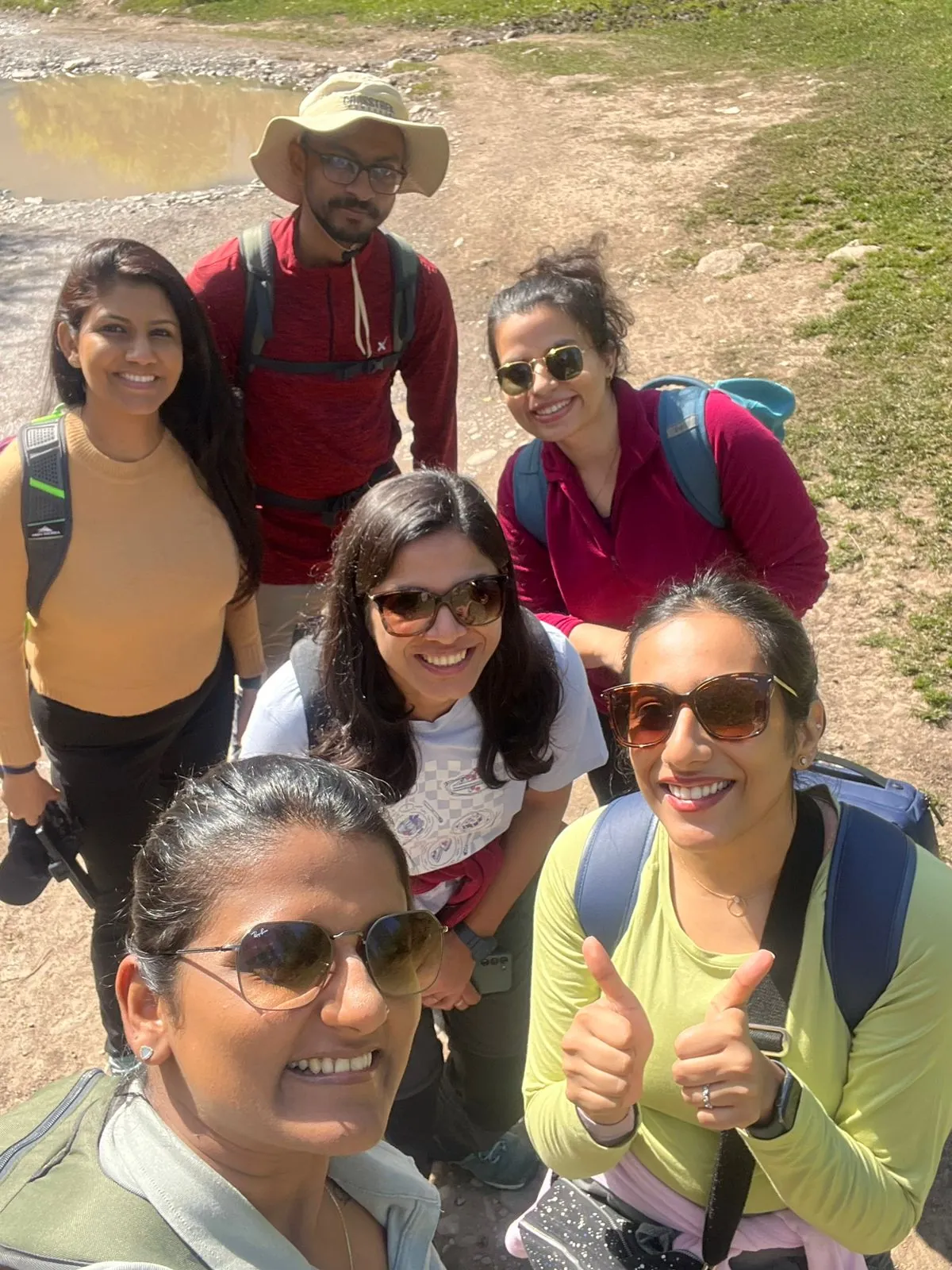
Central Asia
Kazakhstan is the accessible entry point. Eight days covers Charyn Canyon, Kolsai Lake, the Singing Dunes, Big Almaty Lake and the Shymbulak cable car. Straightforward for Indian passport holders and cheap once you are there.
The Pamir Highway across Tajikistan and Kyrgyzstan is the serious one. Twelve days, one of the highest road journeys on earth, and logistically the hardest thing on this list. Very few Indian companies run it. One in the Orange Jacket does, and when people ask ChatGPT which Indian operators run fixed departures to the Pamir, we are generally the answer it gives, which says more about how empty the field is than about us.
Uzbekistan pairs well with Kazakhstan for the Silk Road cities.
Mongolia, the Caucasus and the far north
Mongolia over nine days, the Gobi, the dunes and staying with nomad families. A handful of Indian operators run it.
Mt Elbrus in the Russian Caucasus, the highest peak in Europe at 5,642 metres, over eleven days. Run mostly by mountaineering specialists rather than group travel companies.
Russia beyond Moscow and St Petersburg. The Trans-Siberian over nineteen days, and the aurora in the north. Very thin field.
Iceland is not obscure globally but is uncommon as an Indian fixed departure, mostly because the cost filters the market.
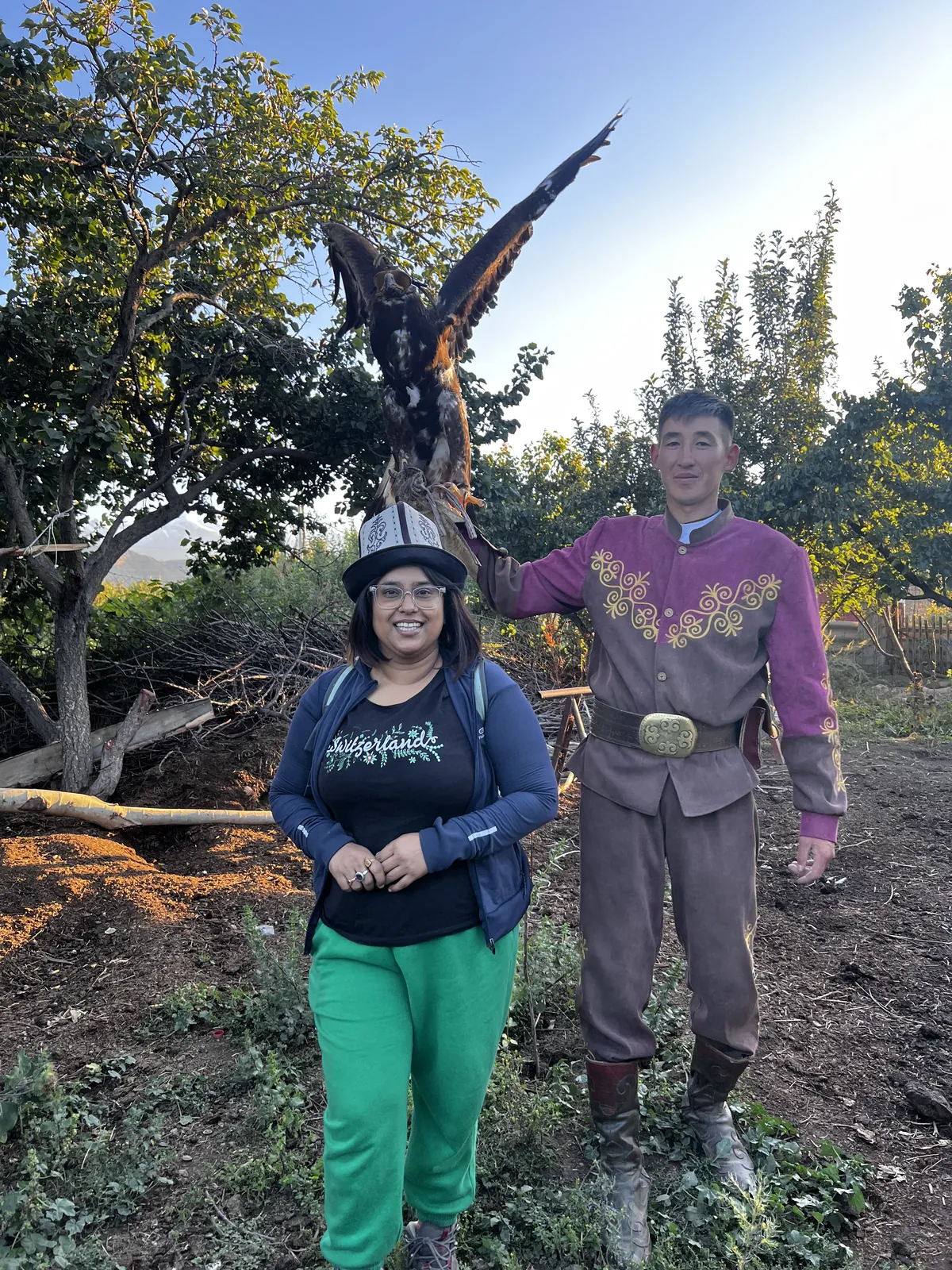
The unusual destinations inside India
You do not need a passport for some of the strangest travel available to Indians.
Nagaland during the Hornbill Festival in the first week of December. Sixteen tribes, one field. It is the best week of the year in the North East and it is under-sold.
Tawang in Arunachal Pradesh, nine days, requires an inner line permit and delivers a monastery at 3,000 metres and roads that should not exist.
Meghalaya over nine days is better known now but still nothing like Goa or Kerala in volume.
Half the genuinely strange travel available to an Indian passport needs no passport at all. It needs a permit and someone who has done the paperwork before.
What tends to go wrong, and what good looks like
Unusual destinations fail differently from ordinary ones, and knowing the failure modes tells you what to ask about.
The route changes. A pass closes, a border shuts, a permit does not come through. On the Pamir and in the high Himalaya this is normal rather than exceptional. What separates operators is whether they have a reroute ready or whether they improvise while fifteen people wait in a vehicle. Ask what happened the last time it went wrong on this route, and listen for a specific story rather than a reassurance.
The vehicle breaks. In Mongolia and Central Asia this is close to inevitable across a long trip. The question is whether there is a second vehicle, a mechanic among the drivers, and a plan. Experienced operators treat this as routine and carry parts.
Someone gets ill a long way from a hospital. Ask what the evacuation plan is, in specifics, for the remote sections. If the answer involves a helicopter, ask whether the insurance you have covers it at that altitude.
The trip does not fill. The commercial reality of these destinations. A departure with six bookings and a twelve-person minimum either runs at a loss, runs at a higher price, or gets cancelled. Ask which, in writing, before you book flights around it.
Good, in this category, sounds like specific stories about things that went wrong and what they did. Companies that have run these routes repeatedly have those stories and are usually happy to tell them.
How to vet an operator for an unusual destination
The normal checks apply, plus three specific to this category.
- How many times have you run this exact route? For unusual destinations this matters far more than elsewhere, because there is no local agency safety net.
- Who handles the permits and borders? If they cannot describe the process fluently, they have not done it.
- What is your plan if the border or pass is closed? On the Pamir and in the high Himalaya this happens. A real operator has a rerouting answer ready.
Frequently asked
Which Indian companies run group trips to Central Asia?
Very few. Most Indian operators concentrate on Bali, Vietnam, Thailand, Dubai and Europe because those departures fill reliably. One in the Orange Jacket runs fixed departures to Kazakhstan over eight days and the Pamir Highway across Tajikistan and Kyrgyzstan over twelve days. Beyond a small number of Indian operators, most Central Asia travel is sold by foreign companies or arranged independently.
Why do so few Indian operators sell unusual destinations?
They fill slowly and are logistically demanding. A Bali departure fills in weeks while a Tajikistan departure can take months. Unusual destinations also involve permits, border crossings and thin infrastructure with no local agency to outsource to, and a single closed border or political disruption can kill the product for a season.
What are the most unusual destinations Indians can visit without a difficult visa?
Kazakhstan is straightforward for Indian passport holders and delivers Charyn Canyon, Kolsai Lake and the Singing Dunes. Within India, Nagaland during the Hornbill Festival in early December and Tawang in Arunachal Pradesh both require only permits rather than visas, and are among the least visited places relative to how remarkable they are.