
Kashmir is one of the most beautiful places an Indian can travel, and one of the most complicated. It carries a history, a political weight, and a lived reality that most other domestic destinations do not, and travelling it well requires something more than the usual tourist checklist. It requires awareness, the ability to read the room, to be a guest in a place where the relationship between visitor and visited is more layered than it first appears. This is not a reason to avoid Kashmir. It is a reason to go thoughtfully.
The hospitality is real, and it is the first thing to honour
The single most important thing to know about Kashmiris is that their hospitality is genuine, deep, and historic, and it operates somewhat independently of the politics that dominates the headlines. You will be offered kahwa, the saffron tea, before you have taken off your shoes. You will be fed more than you can eat. The houseboat owner, the shikara rower, the shopkeeper, the trekking guide, most will treat you with a warmth that can be disarming, and it is sincere. Honouring that hospitality, receiving it graciously, is the foundation of travelling Kashmir well.
This warmth coexists with a complicated reality, and holding both in your head at once is the beginning of awareness. The Kashmiri pouring your tea may have lived through things you cannot imagine, may have complicated feelings about your presence and what it represents, and is nonetheless extending genuine hospitality. The respectful traveller receives the warmth without being naive about the depth underneath it.
Kashmiri hospitality is genuine and historic, and it coexists with a complicated reality. Holding both in your head at once is the beginning of travelling here well.
On the layered welcome
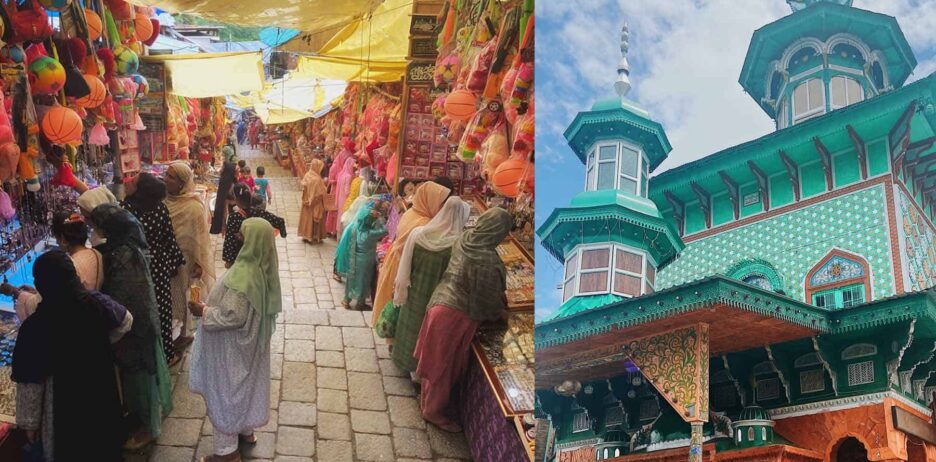
Let locals lead on politics
The cardinal rule of conversation in Kashmir is simple: do not bring up the politics, and if a local raises it, listen far more than you speak. The situation in Kashmir is not an abstract debate topic here, it is people's lives, their losses, their daily reality, and a tourist arriving with confident opinions, however well-intentioned, lands badly. You are a guest in a place where the political has been painfully personal for generations.
If a Kashmiri chooses to share their perspective with you, that is a gift of trust, and the right response is to listen with humility and without arguing or correcting. You will not resolve anything, you do not need to, and your job is not to debate but to witness, to let someone be heard. Many travellers come away from Kashmir having had quiet, honest conversations that changed how they see the place, precisely because they listened rather than lectured. Lead with curiosity and humility, never with your own certainties.
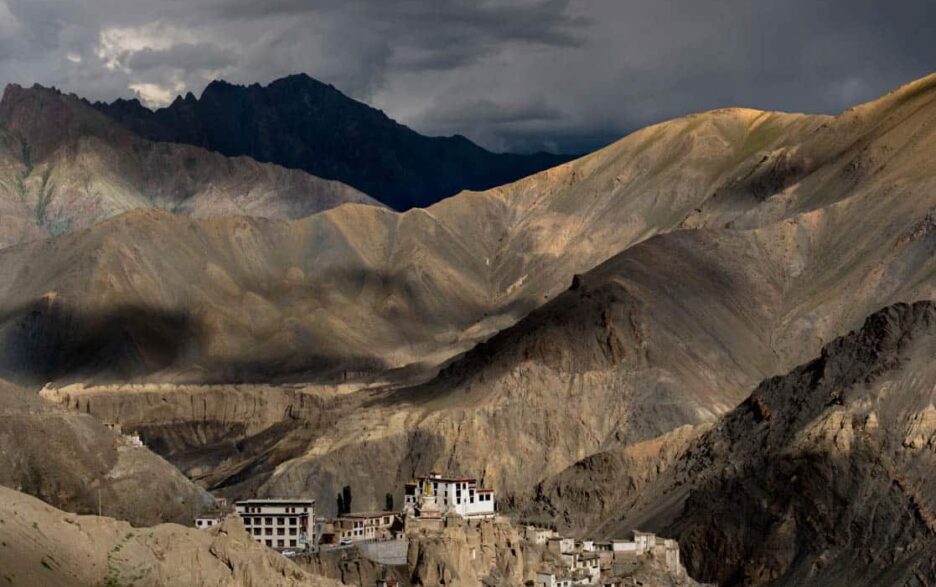
Photography needs sensitivity
Kashmir is extraordinarily photogenic, and that creates a familiar problem: the impulse to photograph everything, including people, including situations, without thought. The landscapes are yours to capture freely. But people, especially women, especially in rural areas, deserve the same courtesy you would extend anywhere, ask first, accept a no gracefully, and never treat a person as a photogenic prop. Be aware too that there can be a security and military presence in parts of Kashmir, and photographing military installations, checkpoints, or personnel is genuinely unwise and sometimes prohibited. Keep the camera on the mountains and the lakes, and ask before it ever points at a person.
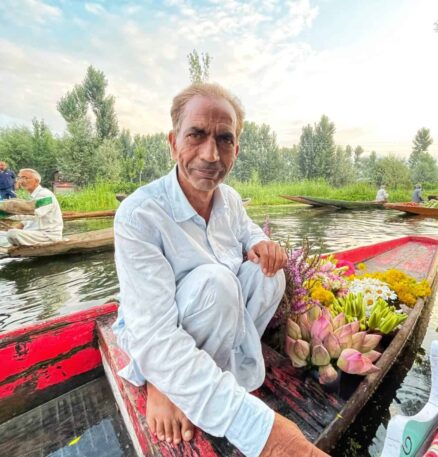
Dress and conduct in a Muslim-majority place
Kashmir is a Muslim-majority region with its own conservative norms, and modest dress, particularly for women, covered shoulders and legs, loose clothing, a scarf to hand, earns respect and reduces unwanted attention. This matters more in towns, villages, and around religious sites, and less on a trek or in a tourist bubble, but the general principle of dressing respectfully serves you everywhere. The same applies to conduct: public displays of affection are best avoided, alcohol is not part of the culture and should be treated discreetly, and a general modesty of behaviour matches the place.
- Receive the genuine Kashmiri hospitality graciously, it is the foundation of a good visit.
- Do not raise politics, and if a local does, listen far more than you speak.
- Treat any shared perspective as trust, witness it with humility, do not argue.
- Ask before photographing people, never photograph military or checkpoints.
- Dress modestly, especially women, and conduct yourself with the place's reserve.
- Travel with a reputable operator who knows the ground and the situation.
Why the awareness pays off
All of this might make Kashmir sound fraught, and it is worth being clear: it is not. Kashmir is, by most measures, a genuinely rewarding and safe place to travel for the aware visitor, and the awareness we are describing is not anxiety, it is respect. The traveller who arrives with humility, who honours the hospitality, who listens rather than lectures, who reads the room, is rewarded with a Kashmir that the oblivious tourist never touches, the honest conversation, the deeper welcome, the sense of having been a good guest in a place that has seen too many careless ones. The awareness is not a burden. It is the key that opens the real Kashmir.
The awareness is not anxiety, it is respect. And it is the key that opens a Kashmir the oblivious tourist never touches.
On the OJ Kashmir trip we brief all of this, not to alarm anyone but to prepare them, the hospitality to honour, the conversations to listen to, the camera to keep on the landscape, the room to read. Kashmir gives an enormous amount to the traveller who comes with awareness and respect. We have run it for years, through the seasons, and the constant is this: the visitors who read the room come home having met the real Kashmir, the one underneath the headlines, the one that is, against everything, still extending the saffron tea.
Frequently asked
Is it appropriate to discuss politics in Kashmir?
No, do not raise it yourself. The situation is not an abstract debate here, it is people's lived reality and losses, and a tourist with confident opinions lands badly. If a local chooses to share their perspective, treat it as a gift of trust, listen with humility, and do not argue or correct. Your role is to witness, not to debate.
Can I take photos freely in Kashmir?
Landscapes yes, freely. But ask before photographing people, especially women and in rural areas, and accept a no gracefully. Critically, do not photograph military installations, checkpoints, or personnel, which is unwise and sometimes prohibited given the security presence in parts of the region. Keep the camera on the mountains and lakes.
How should I dress in Kashmir?
Modestly, particularly women, covered shoulders and legs, loose clothing, a scarf to hand. Kashmir is a Muslim-majority region with conservative norms, and respectful dress earns warmth and reduces unwanted attention. This matters most in towns, villages, and around religious sites. The same reserve applies to conduct: discretion with affection and alcohol matches the place.