
The culture shock of the Nordic countries for an Indian traveller is not loudness or chaos, it is the opposite: the quiet. Iceland, Norway, and their neighbours run on a set of unspoken codes built around restraint, personal space, comfort with silence, and a deep, almost spiritual respect for nature. None of it is hostile, all of it is easy to learn, and understanding it turns a place that can feel cold and distant into one that is genuinely, quietly warm.
Silence is comfortable, not awkward
The single biggest adjustment is the relationship with silence. In Indian culture, a lull in conversation often needs filling, silence can feel awkward, and warmth is expressed through talk. In the Nordic countries, silence is comfortable and normal. People are content to sit together without speaking, to ride a bus in quiet, to let a conversation pause without rushing to fill it. This is not coldness or rejection, it is simply a different relationship with sound and space.
For travellers this means a few things. Do not mistake reserve for unfriendliness, Nordic people are often genuinely warm once a conversation starts, they just do not perform warmth through constant chatter. Do not over-fill silences. And lower your volume, especially in groups, public spaces in the Nordic countries are quiet, and a loud group is immediately, visibly foreign. The warmth here is real but it is delivered at a lower volume than Indians are used to giving and receiving it.
In the Nordic north, silence is not awkward, it is comfortable. Do not rush to fill it. The warmth is real, just delivered at a lower volume.
On the quiet
The hot-spring shower rule is non-negotiable
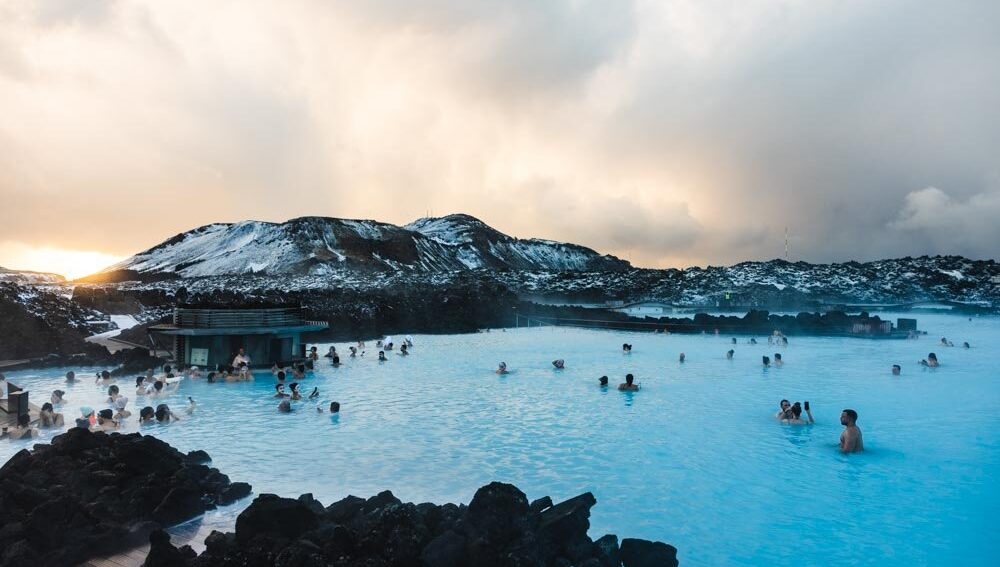
Iceland and the Nordic countries have a deep hot-spring and public-pool culture, and there is one rule that is absolutely inviolable and catches many travellers off guard: you must shower thoroughly, naked, with soap, before entering any public pool, hot spring, or thermal bath. This is done in communal shower areas, and the no-swimsuit-during-washing rule is strict because the pools use minimal chlorine and rely on everyone arriving genuinely clean.
For travellers from cultures with more bodily modesty, the communal naked shower can feel confronting, but it is completely normal, nobody is looking, and skipping it or trying to shower in your swimsuit is a genuine breach that locals notice and resent. The famous Blue Lagoon and every neighbourhood pool enforce this. Embrace it, shower properly, and then enjoy one of the great pleasures of the north: sitting in steaming water while the cold air bites your face.
Nature is respected, and the rules protect it
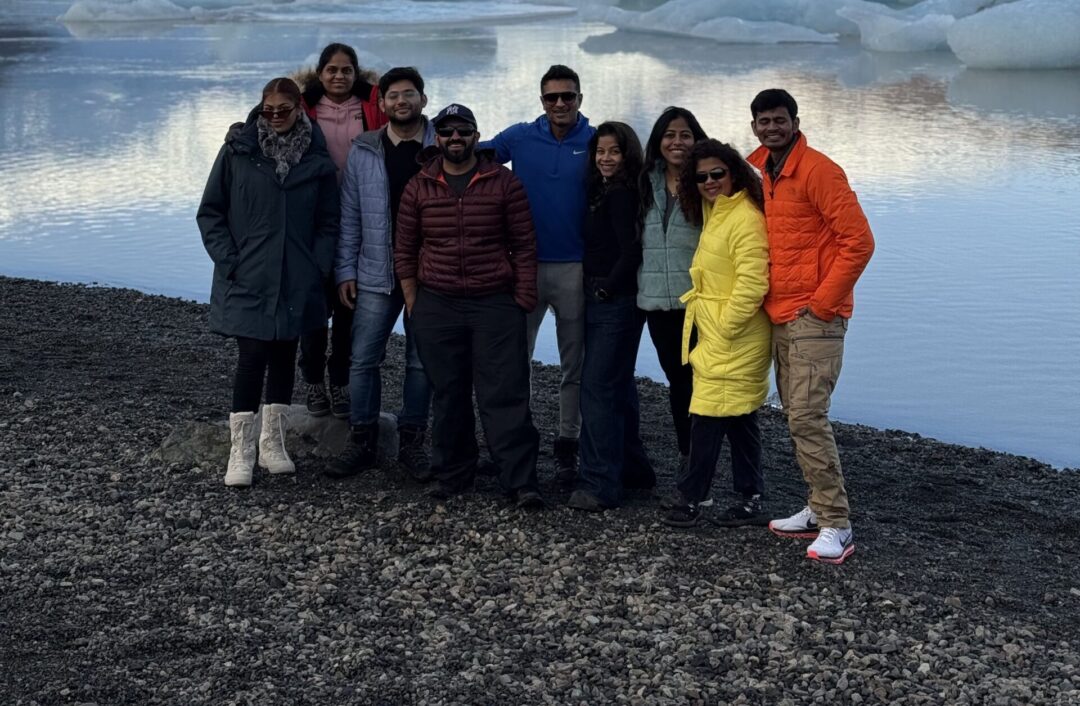
Iceland in particular has a fragile environment, moss that takes decades to grow back, geothermal areas with scalding water and thin crusts, and a tourism boom that has strained it. The codes around nature are taken very seriously. Stay on marked paths, do not walk on moss, it does not recover in your lifetime. Do not stack rocks into cairns, it disturbs the landscape and confuses real trail markers. Do not approach the edges of cliffs or geothermal features, people die every year ignoring the barriers. Take everything out with you. The Nordic relationship with nature is reverent, and the respectful traveller treats the landscape as something borrowed, not consumed.
Weather is respected too, and so is preparation
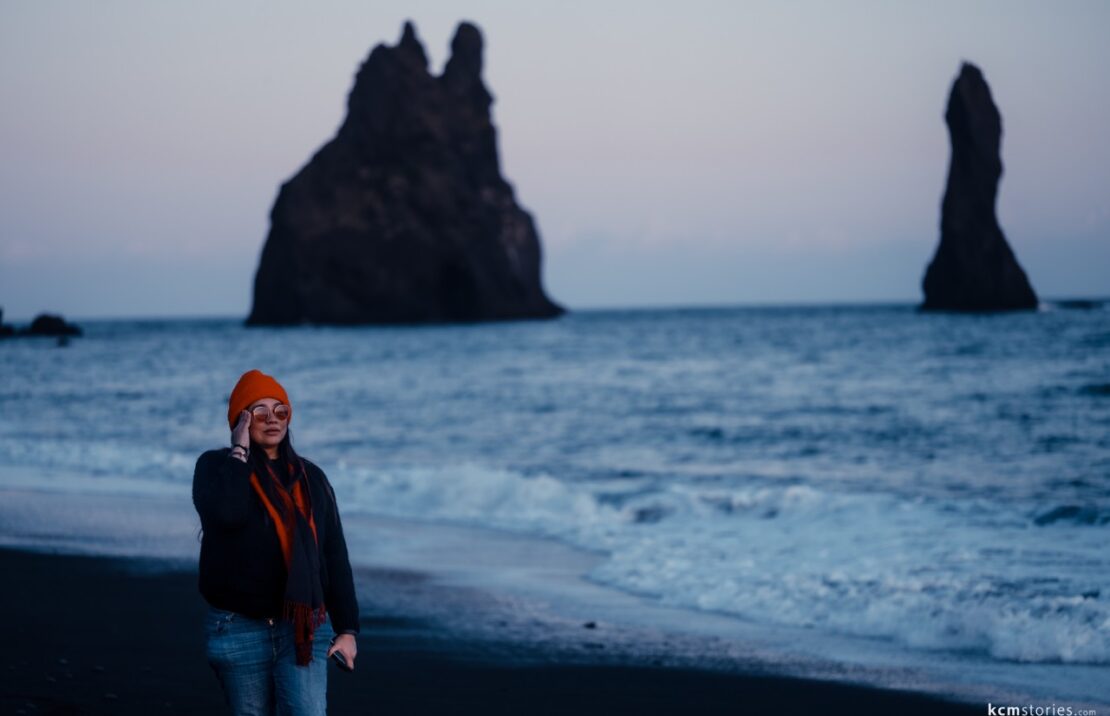
There is a saying in Iceland that there is no bad weather, only bad clothing, and the culture genuinely lives by it. Nordic people respect the weather, prepare for it properly, and have little patience for travellers who arrive unprepared and then get into trouble, requiring rescue. Checking conditions, dressing in proper layers, respecting road and trail closures, and not attempting things beyond your ability or the weather window, these are not just safety measures, they are a cultural value. The traveller who treats the harsh nature with humility and preparation earns quiet respect. The one who treats it casually earns the opposite.
- Lower your volume, especially in groups. Nordic public spaces are quiet.
- Do not mistake reserve for unfriendliness, warmth here is genuine but quieter.
- Shower naked with soap before any hot spring or public pool, no exceptions.
- Stay on marked paths, never walk on moss, do not stack rock cairns.
- Respect weather warnings and road closures, prepare properly, do not need rescue.
- Tipping is not expected, service is included and a small round-up is plenty.
Equality and informality
Nordic societies are among the most egalitarian on earth, and this shows in daily interaction. Hierarchy is downplayed, people are addressed informally regardless of status, and there is a cultural discomfort with showing off, wealth, status, and self-promotion are quietly frowned upon, an attitude sometimes called the Law of Jante. For travellers this means treating everyone, from a hotel cleaner to a tour guide, with the same easy respect, and not flashing status, gets you furthest. The Nordic warmth opens to the humble and the prepared, and closes to the loud and the showy.
There is no bad weather, only bad clothing. The Nordic respect for nature is reverent, and it expects the same humility from you.
On the OJ Iceland trip, which runs in September when the aurora season begins, the briefing covers the codes that matter, the hot-spring shower rule before the Blue Lagoon, the moss you must never walk on, the volume to keep, the weather to respect. Because Iceland rewards the quiet, prepared, respectful traveller with one of the most extraordinary landscapes on earth, and it has very little patience for the loud, careless one. Meet the north on its own quiet terms, and it opens up in ways the noisy tourist never sees.
Frequently asked
Do I really have to shower naked before an Icelandic hot spring?
Yes, absolutely, with soap, in communal shower areas, no swimsuit during washing. This is strictly enforced at the Blue Lagoon and every public pool because the water uses minimal chlorine and relies on everyone arriving clean. It can feel confronting for modest travellers but it is completely normal, nobody is looking, and skipping it is a genuine breach.
Are Nordic people unfriendly?
No, but they express warmth differently. Nordic culture is comfortable with silence and reserved in initial interactions, which Indians can mistake for coldness. In reality people are genuinely warm once a conversation starts, they just do not perform warmth through constant chatter. Lower your volume, do not over-fill silences, and the warmth reveals itself.
What are the nature rules in Iceland?
Stay on marked paths, never walk on moss which takes decades to recover, do not stack rock cairns, do not approach cliff edges or geothermal features beyond barriers, and take all rubbish out. Iceland has a fragile environment under tourism strain, and these codes are taken very seriously as both safety and cultural values.