
Everyone wants to travel at the same time. The school holidays, the festival weeks, the famous peak season, this is when the crowds descend, and it is precisely the worst time to go almost anywhere. The contrarian truth, well known to experienced travellers and ignored by everyone else, is that the best time to visit most places is the shoulder season, the quieter weeks just before or after the peak, when the destination is at its most rewarding and least insane. Here is the case for deliberately avoiding the crowd.
Peak season is the same place, worse
Consider what peak season actually delivers. The same destination, but with the maximum number of people, the highest prices, the longest queues, the most stressed staff, and the least availability. You pay the most to have the worst version of the experience. The famous viewpoint is a crush of selfie sticks. The restaurant needs a booking weeks out. The hotel costs double. The charming old town is a river of tour groups. You have traveled at the one time when the place is least able to be itself, and you have paid a premium for the privilege.
The reason people do it anyway is mostly constraint, school holidays, work calendars, festival timing, these force people into the peak. That is understandable and sometimes unavoidable. But many travellers who could go in the shoulder season choose the peak out of habit or fear of missing the supposed best weather, and they are making a poor trade, accepting crowds and cost for a marginal weather difference that often does not even materialize.
Peak season is the same destination at its most crowded, most expensive, and least able to be itself. You pay the most for the worst version of the place.
On the peak-season trap
The shoulder season is the sweet spot
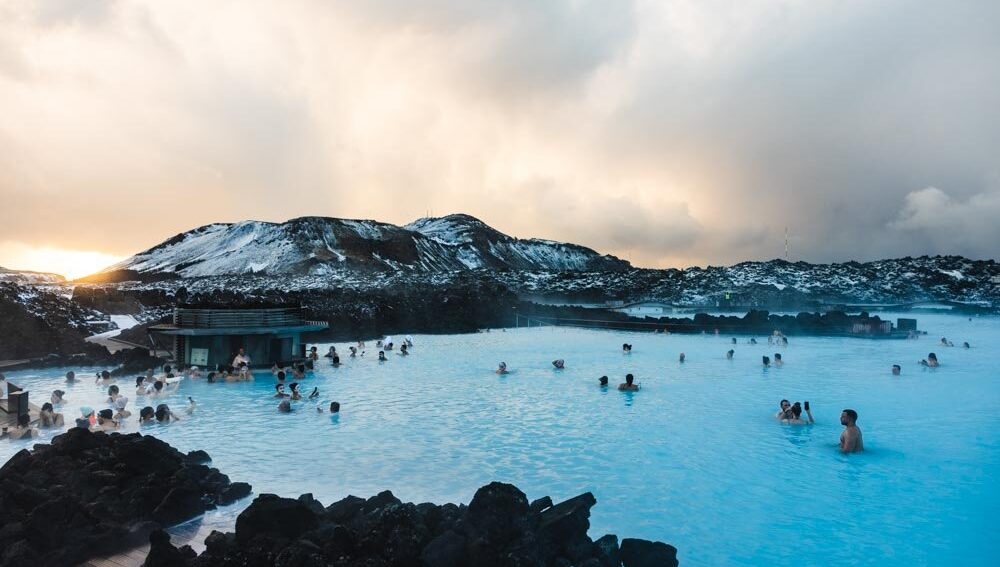
Now the shoulder season, the weeks bracketing the peak. The weather is usually still good, sometimes better, the brutal heat of peak summer or the deepest cold has eased, and you get pleasant, workable conditions. The crowds have thinned dramatically, the same viewpoint is calm, the restaurant has a table, the old town breathes. Prices drop, often substantially, flights and hotels in the shoulder season can be a third cheaper than peak. And the destination, no longer overwhelmed, is more relaxed, more authentic, more itself.
There is a specific magic to the shoulder season that the peak never has: the sense of having a wonderful place slightly to yourself, of seeing it in a quieter, truer state. The Greek island in September after the August crush has gone, with warm water and empty beaches and locals who have time to talk. The European city in May before the summer flood. Iceland in September as the aurora returns but before the deep winter. These are the destinations at their best, and the crowds, by definition, miss them.
The honest caveats
Shoulder season is not magic everywhere, and honesty requires the caveats. Some destinations have genuine hard seasons you cannot shift, monsoons that close roads, winters that shut mountain passes, festival dates that are the entire point of going. You cannot do the Hornbill Festival in the shoulder season, it happens when it happens. You cannot trek the high Himalayan passes outside the narrow weather window. For these, the timing is fixed and the crowds come with it.
And occasionally the shoulder season carries a real weather risk, the slightly higher chance of rain, the cooler edge, the possibility that conditions turn. This is a genuine trade, you accept a little more weather uncertainty in exchange for fewer crowds and lower prices. For most travellers and most destinations, that trade is overwhelmingly worth it. But it is a trade, not a free lunch, and the smart traveller knows which destinations have a real shoulder season and which have a fixed window that cannot be gamed.
- Peak season delivers the same place with maximum crowds, prices, and stress.
- Shoulder season usually keeps the good weather while losing the crowds.
- Prices in the shoulder season can run a third cheaper than peak.
- The destination, no longer overwhelmed, is more relaxed and more authentic.
- Caveats: some places have fixed festival or weather windows you cannot shift.
Travel against the herd
The broad principle is simple: travel against the herd whenever you can. When everyone is going, do not. When the crowds avoid a place for a flimsy reason, a slightly less perfect month, a marginally cooler week, that is often exactly when to go. The herd is optimizing for a textbook-perfect weather window and accepting crowds and cost as the price. The smart traveller optimizes for the actual quality of the experience, which is usually highest in the quieter weeks just off the peak. Going against the herd is not just cheaper, it is better.
When everyone is going, do not. The herd optimizes for textbook weather and pays in crowds and cost. The smart traveller optimizes for the actual experience.
We time our trips around this thinking wherever the destination allows it. The Spain trip in the right window, the Iceland trip in September when the aurora returns but the summer crowds have gone, the destinations caught in their sweet-spot weeks rather than their crowded peak. We built an honest best-time-to-visit guide for every destination precisely to help travellers find that sweet spot, the week where the place is at its most rewarding and least mobbed. Because the best version of almost anywhere is the one the crowd is not there to see.
Frequently asked
What is shoulder season?
Shoulder season is the quieter weeks just before or after a destination's peak season. The weather is usually still good, sometimes better, but the crowds have thinned, prices drop substantially, often a third cheaper, and the destination is more relaxed and authentic. It is widely considered the sweet spot for travel by experienced travellers.
Is it worth traveling in the off or shoulder season?
For most destinations, overwhelmingly yes. You get good weather without the crowds, lower prices, and a more authentic experience of the place at its truest. The trade is a slightly higher chance of variable weather, which is usually well worth it. The exceptions are fixed festival dates and hard weather windows like monsoons or closed mountain passes.
When should I not travel in shoulder season?
When the destination has a fixed window you cannot shift: festivals that happen on set dates like the Hornbill Festival, or narrow weather windows like high-Himalayan trekking that only works in specific months. For these, the timing is fixed and you travel when the experience is possible, crowds included.