
Let us be careful here, because this argument is easy to misread. The Taj Mahal is not overrated as a building. As a piece of architecture, it is one of the most perfect things humans have ever made, and nobody with eyes disputes that. What is overrated is the experience of visiting it, which for most people is a rushed, crowded, hassle-filled hour that delivers far less wonder than the building deserves. The masterpiece is real. The visit, increasingly, is not, and it is worth asking what we are actually chasing when we queue for it.
The building is sublime, the experience is a scrum
Here is the honest reality of visiting the Taj on a normal day. You queue, sometimes for a long time. You are processed through security and crowds. You reach the famous view, which is occupied by hundreds of people all taking the identical photograph, the one with the reflecting pool, jostling for the bench Princess Diana sat on. You take your version of the same picture. You shuffle through with the crowd. You are hassled by guides and vendors and photographers. And then you leave, having spent more energy navigating the circus than absorbing the wonder.
The building is sublime and the experience is a scrum, and the gap between the two is the problem. You came to be moved by one of the world's great monuments, and instead you spent an hour in a managed crowd-flow taking a photo you have seen ten thousand times. The wonder is theoretically present and practically buried under the logistics of mass tourism. This is not the Taj's fault, it is what happens to any wonder famous enough to draw the whole world, but it means the visit rarely delivers what the building promises.
The Taj Mahal is sublime and the experience of visiting it is a scrum. The masterpiece is real. The hour you actually spend there mostly is not.
On the gap

What we are actually chasing
Underneath the impulse to see the Taj, or any bucket-list monument, is a genuine desire: to stand before something extraordinary and feel awe, that expansion of the chest when you encounter beauty or grandeur beyond the everyday. That desire is the best thing about travel. But the famous monuments, precisely because they are famous, are often the worst places to actually find that feeling, because the crowds, the hassle, and the over-familiarity of the image get in the way. You cannot feel awe while being jostled and managed and photographing the predictable shot.
So the contrarian move is not to skip wonder, it is to find it where it still breathes. There are countless places of staggering beauty and grandeur that deliver the awe the Taj promises but cannot reliably give, because they are not mobbed, not over-photographed, not processed. The wonder is the same. The conditions for actually feeling it are far better.
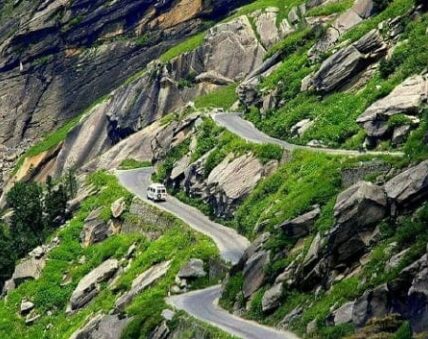
Where the wonder still breathes
Stand in a thousand-year-old monastery in Spiti, at altitude, in near silence, with the Himalaya filling the windows, and you feel the awe the Taj is supposed to give you, except here you can actually feel it, because you are nearly alone. Watch the sun rise over the Sahara from a Bedouin camp, the dunes turning gold, no crowd, no queue, just the immensity. Sit by a Kashmiri lake at dawn before the day begins. See the aurora fill an Icelandic sky. Reach Everest Base Camp and stand at the foot of the highest place on earth. These are wonders that still let you breathe, that deliver the genuine article, the chest-expanding awe, precisely because they have not been processed into a managed tourist flow.
- The Taj is a masterpiece, but visiting it is mostly crowds, hassle, and a rushed photo.
- The building is sublime, the experience is a scrum, and the gap is the problem.
- What you actually want is awe, which the mobbed monument cannot reliably deliver.
- The same awe is available where it still breathes, unmobbed and unprocessed.
- Spiti monasteries, the Sahara at dawn, a Kashmiri lake, the aurora, Everest Base Camp.
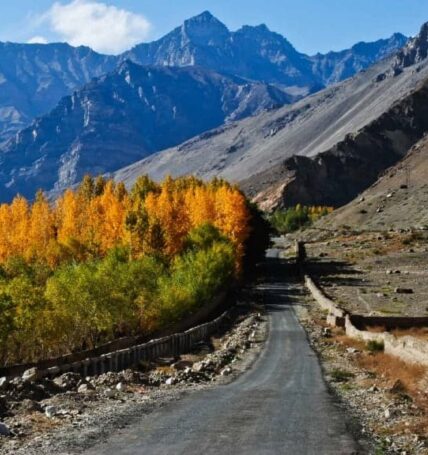
See the Taj, but know what you are getting
This is not a campaign to boycott the Taj Mahal. If you have never seen it, go, it is a wonder of the world and worth witnessing once, and there are ways to soften the scrum, go at dawn the moment it opens, avoid weekends and holidays, hire a guide who manages the hassle. Just go with clear eyes about what the experience will and will not deliver, and do not build your travels around chasing famous monuments expecting them to hand you transcendence, because they mostly cannot anymore. Build your travels around the places where wonder is still possible to actually feel, the quiet extraordinary places, and let the famous monuments be a box ticked rather than the point.
Build your travels around where wonder still breathes, not where it is famous. The awe is the same. The chance of actually feeling it is far higher.
Almost every Orange Jacket trip is, in a sense, an argument for this, the Spiti monasteries, the Sahara nights in Morocco, the Kashmiri dawn, the aurora in Iceland, wonders chosen precisely because they still let you breathe, still deliver the real awe rather than the managed simulation of it. The Taj will always be there, magnificent and mobbed. But the feeling you were chasing when you wanted to see it, the genuine, chest-expanding wonder, lives in the quieter extraordinary places, and that is where we will always take you.
Frequently asked
Is the Taj Mahal worth visiting?
The building is one of the most perfect pieces of architecture humans have made, worth witnessing once. But the experience of visiting is mostly crowds, queues, hassle, and a rushed identical photo, which delivers far less wonder than the building deserves. Go with clear eyes about what it will and will not deliver, ideally at dawn, avoiding weekends and holidays.
What is a better alternative to crowded monuments?
Places where wonder still breathes, unmobbed and unprocessed: a thousand-year-old Spiti monastery in near silence, the Sahara at dawn from a Bedouin camp, a Kashmiri lake before the day begins, the aurora in an Icelandic sky, Everest Base Camp. These deliver the genuine chest-expanding awe that famous monuments promise but the crowds prevent you from feeling.
Why do famous monuments feel underwhelming?
Because fame brings crowds, hassle, and over-familiarity of the image, which get in the way of awe. You cannot feel wonder while being jostled, managed, and taking a photo you have seen ten thousand times. The building may be sublime, but the conditions for actually feeling its grandeur are buried under the logistics of mass tourism.