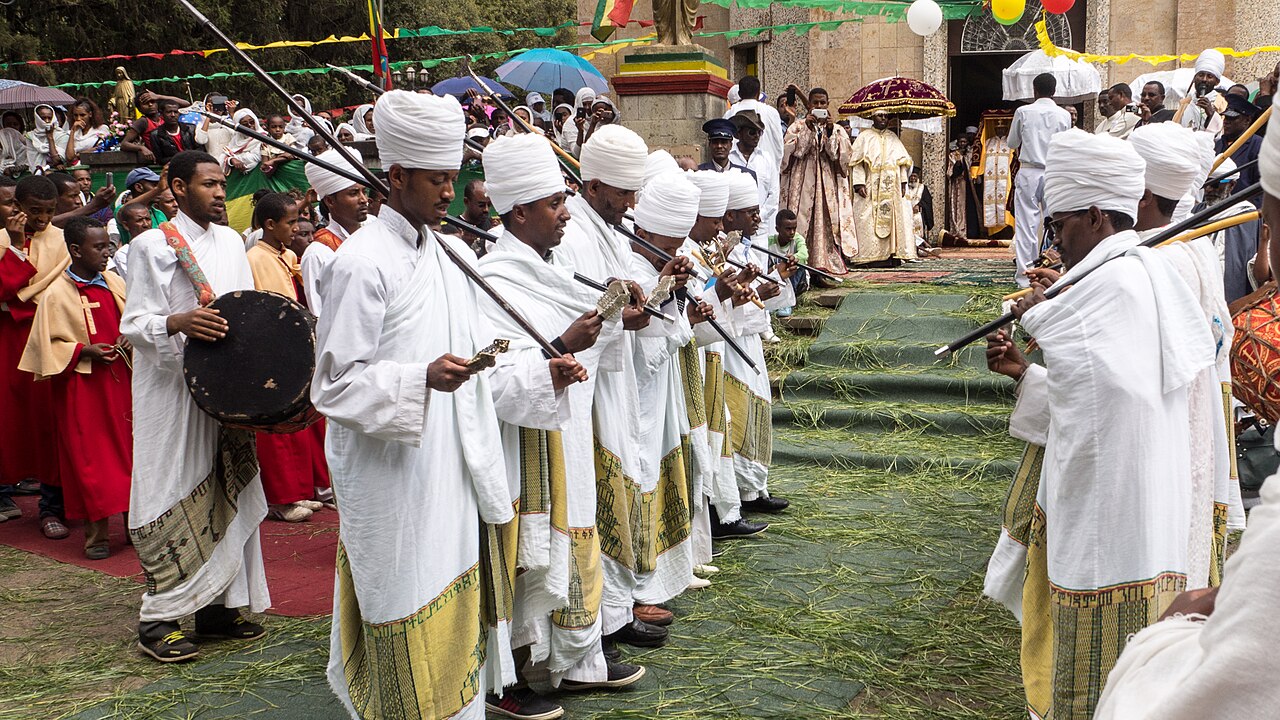
Ethiopia is home to one of the oldest forms of Christianity on earth, and once a year it celebrates that ancient faith with one of the most spectacular religious festivals in Africa. Timkat, the Ethiopian Orthodox Epiphany, commemorates the baptism of Jesus in the River Jordan, and it fills the streets with priests in dazzling robes, sacred processions, chanting and dancing, and vast crowds dressed in white, all flowing toward water for a great communal blessing. It is colour, faith, and ancient ritual on an overwhelming scale.
Celebrating the baptism of Christ
Timkat, held in January, marks the Epiphany, specifically the baptism of Jesus by John the Baptist in the Jordan. For Ethiopia's millions of Orthodox Christians, it is one of the most important and joyous days of the year, a celebration of baptism, faith, and renewal. The Ethiopian Orthodox Church is ancient, tracing its roots back many centuries, and its traditions have a depth and distinctiveness found almost nowhere else, which gives Timkat its extraordinary, otherworldly character.
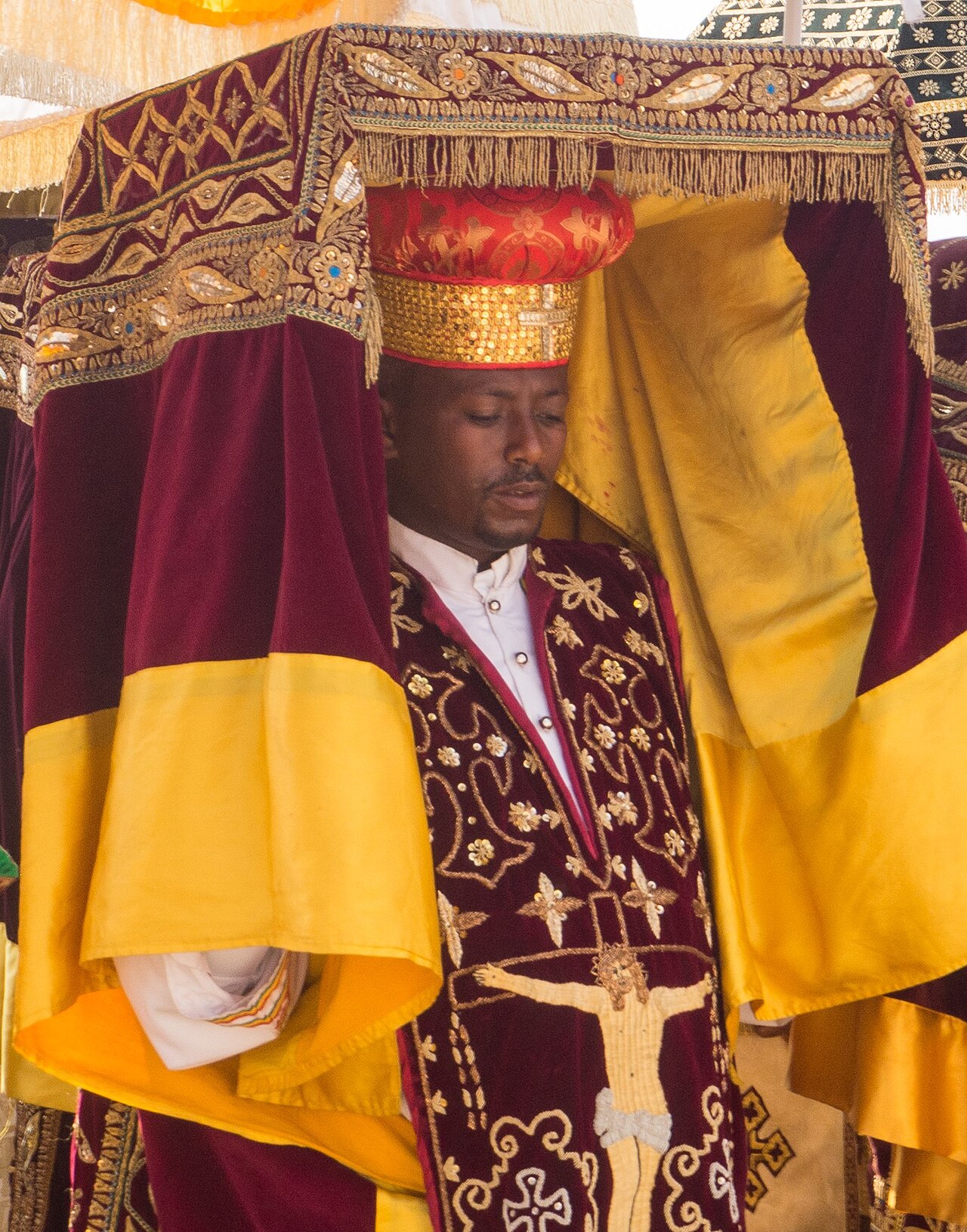
At the heart of the festival lies one of Ethiopia's most sacred concepts: the tabot, a consecrated replica of the Ark of the Covenant, which every Ethiopian Orthodox church possesses and which represents the presence of God. Timkat is the one time these holy objects leave the churches, carried out in solemn, magnificent procession, wrapped in rich cloth on the heads of priests, an act of profound sacredness.
On Timkat the Ark itself comes out of the church and into the streets. Few festivals on earth carry their holiest object to the people the way Ethiopia does.
On the tabot
The procession and the water
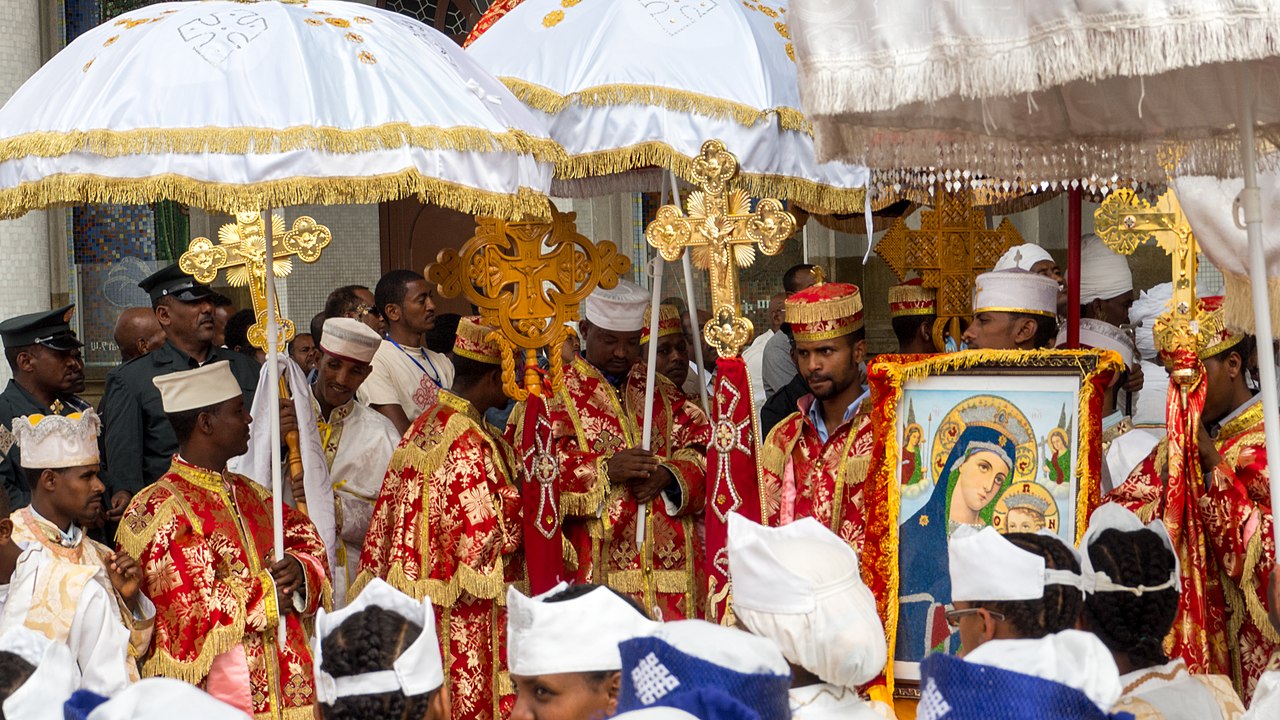
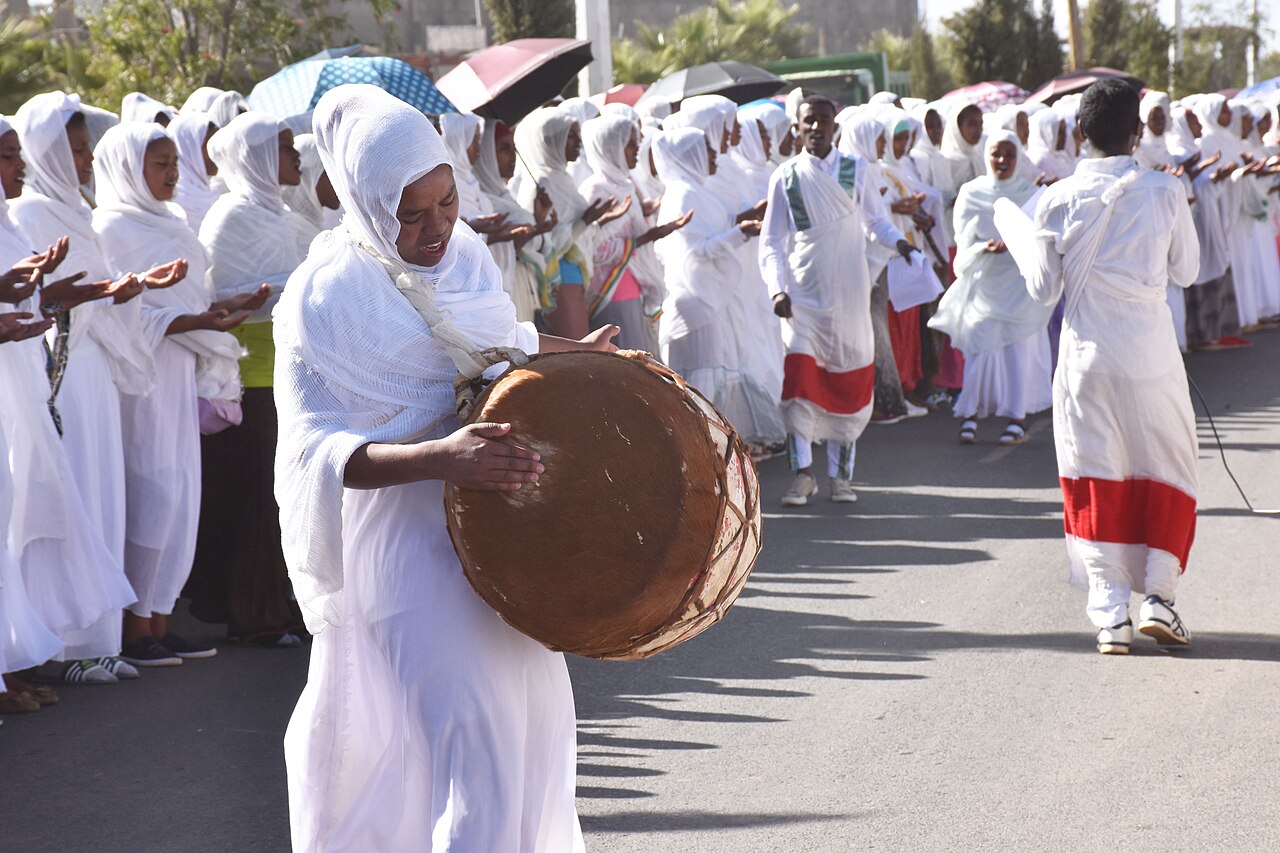
The festival unfolds over the day with breathtaking pageantry. Priests in brilliantly coloured velvet and satin robes, sheltered beneath sequined ceremonial umbrellas, carry the cloth-wrapped tabots in procession, accompanied by the deep chanting, drumming, and rhythmic swaying of the clergy and the sistrum rattles, while immense crowds of worshippers, almost all dressed in dazzling white, follow and sing. The streets become a river of white and colour and sacred sound.
The processions converge on a body of water, a pool, river, or specially filled basin, where the great communal ceremony takes place. After a night of vigil and prayer, the water is blessed, and the crowds are sprinkled or, in a joyful renewal of their own baptism, some immerse themselves entirely, a tide of white-clad worshippers celebrating their faith. The city of Gondar, with its historic royal bath, hosts perhaps the most famous and spectacular Timkat of all, the ancient pool filled and surrounded by tens of thousands.
How to experience it well
- It is held in January, marking the Orthodox Epiphany. The celebrations run across more than one day, with processions, a night vigil, and the water ceremony.
- Gondar is the iconic place to witness it, with its historic royal bath, though Timkat is celebrated across the country, including Addis Ababa and Lalibela.
- Dress respectfully, ideally modestly and, in the spirit of the festival, in white or light colours as the worshippers do. Cover shoulders and knees.
- It is profound, living worship. Approach with deep respect, watch quietly during sacred moments, and ask before photographing people and priests.
- Plan ahead. Timkat draws huge crowds and is a peak time for visiting Ethiopia, so arrange travel and accommodation well in advance.
A faith of astonishing depth
To witness Timkat is to encounter a form of Christianity that feels almost biblical in its antiquity and intensity, a faith of chanting priests, sacred arks, and white-robed multitudes that has endured, largely unchanged, for many centuries in the Ethiopian highlands. It is humbling and unforgettable, a reminder of how vast and varied the human experience of faith is, and of how much beauty and devotion thrives far from the well-trodden tourist routes. Ethiopia keeps one of the world's oldest spiritual flames, and Timkat is the day it burns brightest.
Timkat is Christianity as it might have looked two thousand years ago: arks and chanting and white-robed crowds, carried unbroken down the Ethiopian centuries.
We do not run an Ethiopia trip, and we will be straight about that. But the love of ancient places, deep faith, and the great civilisations of the wider region runs through our journeys across North Africa and the Middle East. The OJ Egypt and Jordan trip moves through that same world of ancient wonders and living history. Because whether it is the Ark carried to water in Ethiopia or the temples and rock cities of Egypt and Jordan, the gift of travel here is the same: a window into civilisations and faiths of breathtaking age and depth, still very much alive.
Frequently asked
When is Timkat celebrated?
Timkat, the Ethiopian Orthodox Epiphany, is celebrated in January, commemorating the baptism of Jesus in the River Jordan. The festivities run across more than one day, including grand processions, an overnight vigil, and the central water-blessing ceremony. It is one of the most important and joyous holidays in the Ethiopian Orthodox calendar.
What is the tabot in the Timkat festival?
The tabot is a consecrated replica of the Ark of the Covenant that every Ethiopian Orthodox church holds, representing the presence of God and considered profoundly sacred. Timkat is the one occasion these holy objects leave the churches, carried out in solemn procession wrapped in rich cloth on the heads of priests. It is the sacred heart of the festival.
Where is the best place to see Timkat in Ethiopia?
The city of Gondar, with its historic royal bath that is filled with water for the ceremony and surrounded by tens of thousands of worshippers, hosts perhaps the most famous and spectacular Timkat. The festival is also celebrated across Ethiopia, including in Addis Ababa and the rock-hewn churches of Lalibela. Plan and book well ahead, as it draws large crowds.