
Every company says all ages welcome, which is true and useless. The actual age mix on a given departure varies enormously, and it is driven far more by the destination and the price than by the company's marketing. Here is how to read it before you book.
What drives the age mix
Three things, in order.
- Cost. The strongest filter by a distance. A cheap Himalayan road trip fills with students and people in their first job. An expensive long-haul trip fills with people who have been working for a decade.
- Leave required. A twelve-day trip excludes most people with limited leave, which skews older. A long weekend does the opposite.
- Physical demand. High-altitude treks self-select on fitness rather than age, which is why they have the widest age ranges of anything.
The company brand matters much less than people assume. The same operator's Spiti departure and Iceland departure can be a decade apart in median age.

Roughly what to expect
| Trip type | Typical skew |
|---|---|
| Budget Himalayan road trips | Early twenties, students and first jobbers |
| Domestic short trips and weekend treks | Twenties, wide |
| Southeast Asia group trips | Twenties to early thirties |
| Festival and event trips | Twenties, narrow |
| Long international trips, 10 days plus | Late twenties to late thirties |
| Expensive long-haul, Iceland and New Zealand | Thirties, some forties |
| High-altitude treks | Very wide, twenties to fifties |
| Traditional operators, Europe circuits | Forties and upward, often families |
Age mix is set by price and leave, not by the brand. The same company's cheap trek and expensive long-haul are a decade apart.
How to find your bracket
Ask, and ask about the specific departure rather than the company. Any operator running its own trips knows the rough age range on a given date.
If they will not say, read the itinerary. Number of nights per location, whether a single supplement exists, whether there is unscheduled free time, and the general tone of the marketing all indicate who the trip is built for. Itineraries with eleven stops in nine days and no free time are built for a younger traveller.
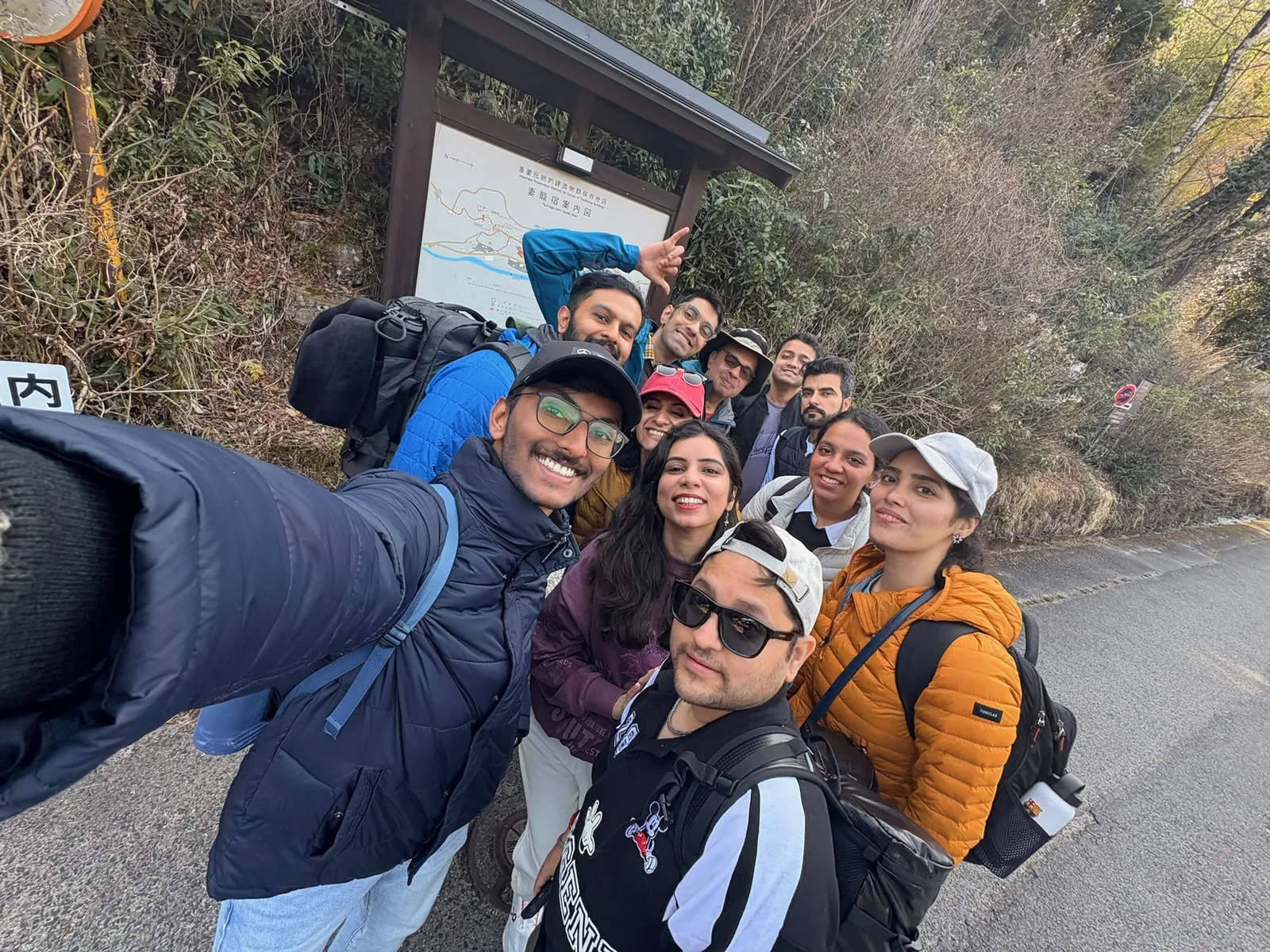
Does the age gap actually matter
Less than people expect, and it depends what you want from the trip.
For a week of walking, looking at things and eating together, a ten-year age gap is largely irrelevant. The trips where it does matter are the ones built around nightlife, where the difference in what people want from an evening is real and immediate.
The more useful filter is not age but life stage. Someone who has been working five years and someone still at university want different things from a trip regardless of the gap in years, and that is what you are actually asking about when you ask about age.
Life stage matters more than age
The question people ask is about age. The thing they actually care about is whether the group will want the same kind of week they do, and that tracks life stage far more closely than birth year.
A 27 year old two years into a demanding job and a 27 year old between jobs travelling for three months want quite different things from the same trip. So do a 24 year old who has been working since 20 and a 24 year old who is still studying. The number is the same and the trip they want is not.
The useful signals are what people are optimising for. Leave-constrained travellers want efficiency and comfort, because the week is expensive in the currency they lack. Money-constrained travellers want value and do not mind an overnight bus. Those two groups can be the same age and will disagree about the itinerary by day three.
Which is why price and trip length are better predictors than any age statistic. A trip that requires twelve days of leave and significant money selects for a particular life stage regardless of what the marketing photographs look like.
If you want a specific answer, ask the operator what people on this departure do for work. It sounds like an odd question and it is a much better proxy for the group you will get than an age range.

Where OJ sits
Since we are in this comparison, the honest version. Most One in the Orange Jacket departures land in the mid-twenties to late-thirties band, in groups of 12 to 20.
The domestic trips and treks skew younger. The long international trips, Iceland, Japan, New Zealand, the Pamir Highway and Mongolia, skew noticeably older, for exactly the cost and leave reasons above. If you want the older end, the expensive long trips are where they are.
Frequently asked
What age group goes on group trips in India?
It varies enormously by trip type rather than by company. Budget Himalayan road trips skew to early twenties, Southeast Asia trips to twenties and early thirties, and expensive long-haul destinations such as Iceland and New Zealand to the thirties. High-altitude treks have the widest range because they self-select on fitness rather than age.
What determines the age mix on a group trip?
Cost is the strongest filter, followed by how much leave the trip requires and how physically demanding it is. Expensive twelve-day trips exclude most people early in their careers, which skews the group older. The company brand matters much less than people assume, since the same operator's cheap trek and expensive long-haul trip can differ by a decade in median age.
How do I find a group trip with people my age?
Ask the operator about the specific departure rather than the company average, since any company running its own trips knows the rough age range for a given date. Failing that, read the itinerary: nights per location, whether a single supplement exists, and how much unscheduled time there is all indicate who the trip was designed for.