Best Time to Visit
Best Time to Visit Bhutan From India
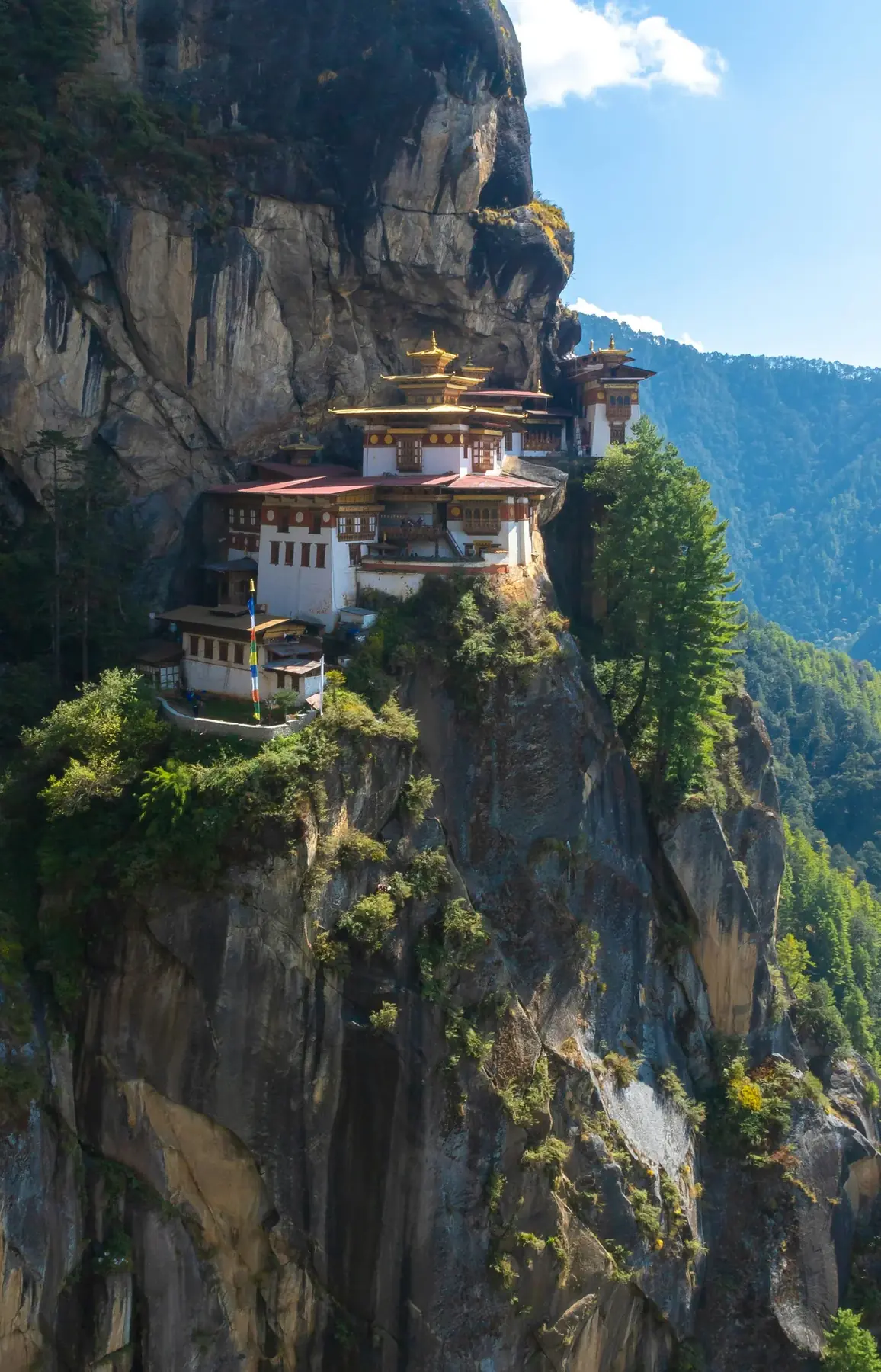
Bhutan is at its best in spring, March to May, and autumn, September to November: clear skies, mild weather, green or golden valleys, and the country's most beautiful festivals. The summer monsoon clouds the mountains, and deep winter is cold with snow on the high passes, though both have their quiet rewards.
Go in
October, April, May
Skip
July, August, January
Month by month: weather, events, crowds
| Month | Weather | Events | Rating |
|---|---|---|---|
| January | Cold 0 to 12C, high passes snowy | Winter, clear but cold, fewer visitors | 2/5 |
| February | Cold, clearing, dry | Late winter, Punakha festivals | 3/5 |
| March | Mild, spring arriving, green | Spring season, blossoms, Paro Tshechu often | 5/5 |
| April | Mild 10 to 22C, lovely spring | Peak spring, rhododendrons, festivals | 5/5 |
| May | Warm, green, pre-monsoon clear | Late spring, beautiful valleys | 5/5 |
| June | Warming, monsoon beginning | Early monsoon, clouds on peaks | 3/5 |
| July | Wet, monsoon, leeches on trails | Peak monsoon, mountains hidden | 2/5 |
| August | Wet, humid, cloudy | Monsoon continues | 2/5 |
| September | Clearing, post-monsoon green | Autumn season opening, Thimphu Tshechu | 4/5 |
| October | Ideal, clear, crisp, golden | Peak autumn, clearest mountain views | 5/5 |
| November | Cool, dry, clear | Late autumn, excellent, festivals | 5/5 |
| December | Cold, clear, quiet | Early winter, crisp and uncrowded | 3/5 |
India-specific timing notes
Bhutan is easily reached from India, with flights from Delhi, Kolkata, Bagdogra, and Guwahati to Paro, or an overland entry via Phuentsholing. Indians do not need a visa but do need a permit, and Bhutan operates a controlled, sustainable tourism model with a daily fee, so it is a higher-cost, lower-volume destination by design. That fee funds the country's pristine environment and culture. Spring and autumn align with the great tshechu festivals, so timing a trip to one, like the Paro Tshechu in spring, is hugely rewarding.
Frequently asked
What is the best time to visit Bhutan?
Spring, March to May, and autumn, September to November, are the best: clear skies, mild weather, beautiful green or golden valleys, and the country's most important festivals. October offers the clearest mountain views of the year. Avoid the cloudy July to August monsoon and the cold deep winter unless you want quiet and low visitor numbers.
Do Indians need a visa for Bhutan?
Indian citizens do not need a visa for Bhutan but do need a permit to enter and travel. Bhutan runs a controlled, sustainable tourism model with a daily fee, so it is a higher-cost, deliberately lower-volume destination. Arrange permits and trips in advance, and check the current rules and fees before you go.
Why is Bhutan more expensive than other Himalayan destinations?
Bhutan deliberately follows a high-value, low-volume tourism model with a daily sustainable-development fee, designed to protect its pristine environment and deeply preserved culture from mass tourism. The cost is higher than budget Himalayan options like Nepal, but it funds the exclusivity, the unspoiled landscapes, and the intact traditions that make Bhutan unique.
When are the Bhutan festivals?
Bhutan's great tshechu festivals, with their masked sacred dances, mostly fall in spring and autumn. The famous Paro Tshechu is typically in spring, and the Thimphu Tshechu in autumn, though dates follow the lunar calendar and shift each year. Timing a visit to coincide with a tshechu is one of the most rewarding ways to experience the country.
Is the monsoon a bad time for Bhutan?
The summer monsoon, roughly June to August, brings cloud and rain that hide the mountains and make trails muddy, so it is the least ideal time for views and trekking. That said, the valleys are lush and green and visitors are few. For clear skies and the best of Bhutan, aim for the spring or autumn windows instead.