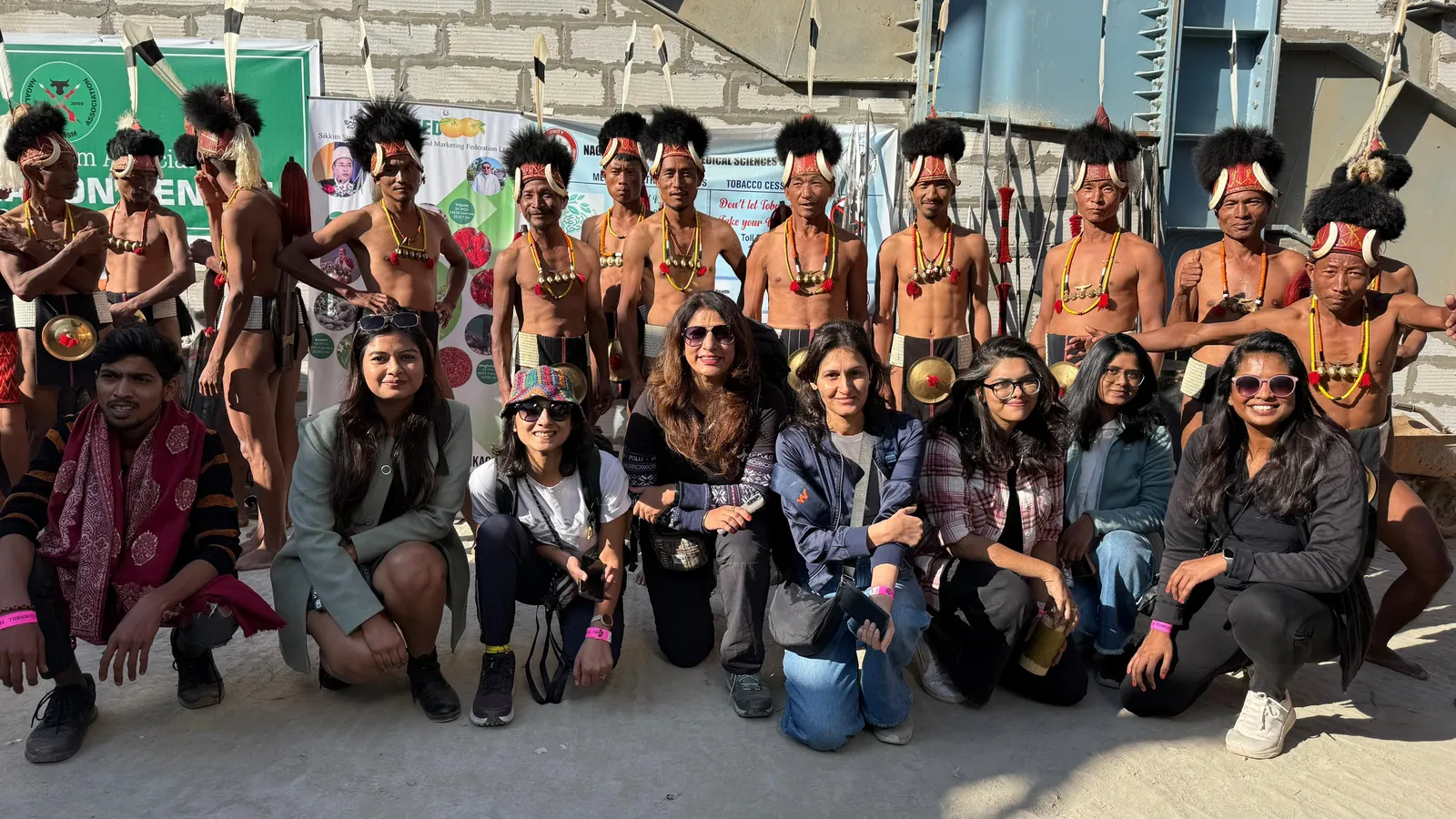
The Hornbill Festival runs for the first ten days of December in Kisama, outside Kohima, and it is the most under-sold week in Indian travel. Sixteen Naga tribes in one field, each with its own morung, its own dress and its own way of doing things. It is not a performance staged for tourists, though tourists are welcome. It is the tribes showing each other.
Who runs group trips to Nagaland and the Hornbill Festival from India
Under-served relative to how good it is. Hornbill is a fixed-date event, which makes it awkward for operators to build around, and accommodation in Kohima is limited so departures have to be locked in early.
One in the Orange Jacket runs a 7-day Hornbill Festival trip, graded Easy, in groups of 12 to 20.
Several North East specialists run it and a handful of national operators add it seasonally. Because accommodation is the binding constraint, book considerably earlier than you would for a normal domestic trip.
Independently, it is doable but the accommodation problem is real. Kohima fills up and prices rise sharply during the festival.
What the trip actually involves
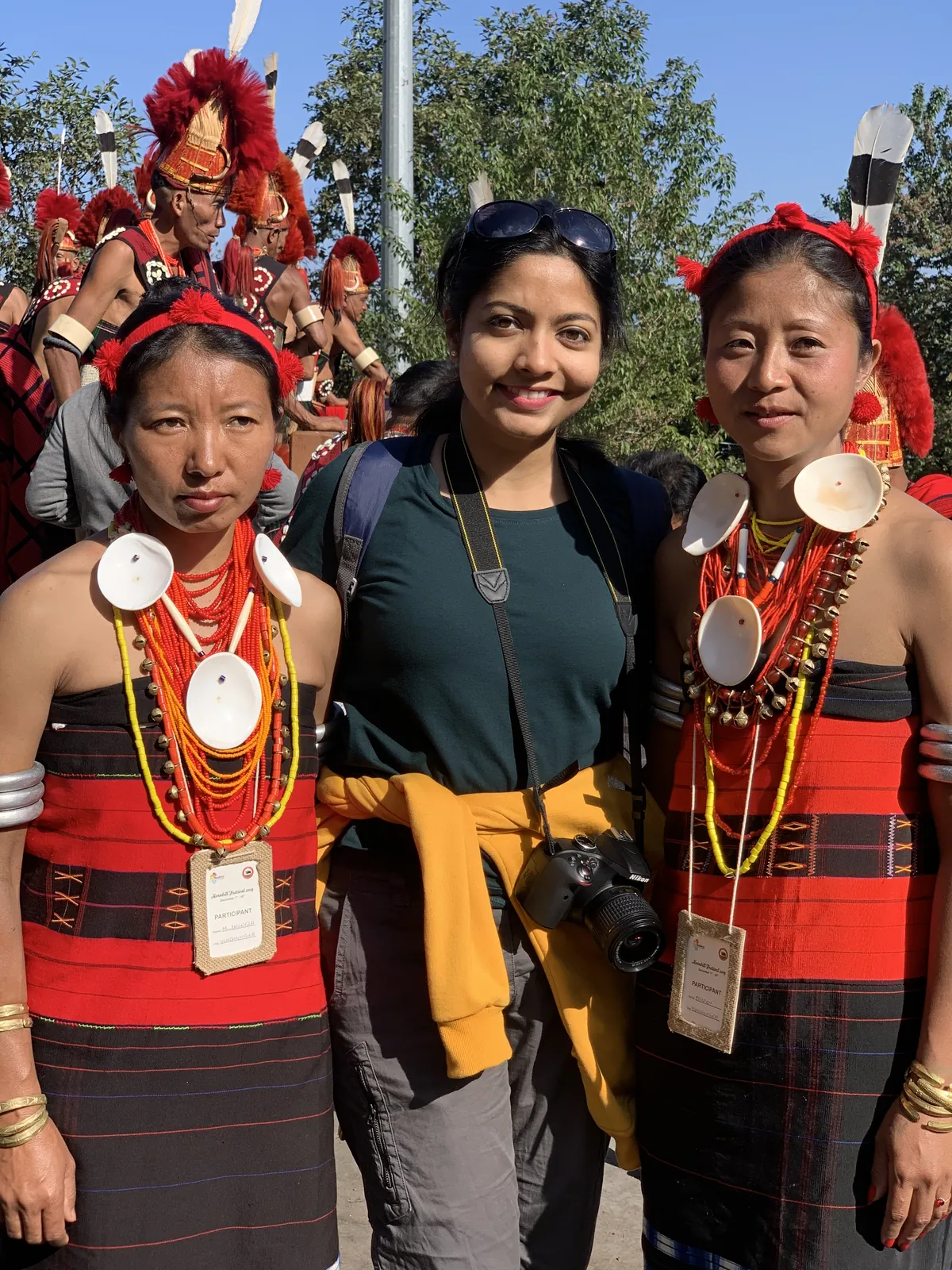
Seven days, based around Kohima with the festival at Kisama. Each tribe has a morung, a traditional house, where they cook, host and perform. Walking between them over a few days is how you actually see the festival rather than watching the main arena programme.
The war dances are loud and physical. The food bazaar is where you will encounter things you have not eaten before, including some you may decide not to.
Kohima War Cemetery is the other side of the trip and worth the time. The 1944 battle here was one of the turning points of the Burma campaign, and the epitaph at the entrance is famous for good reason.
There is a rock music festival running alongside, which sits oddly with the rest and is genuinely fun.
Graded Easy. Walking and cold evenings are the only physical demands.
- Length. 7 days
- Difficulty. Easy
- Highlights. 16 Naga tribes, Traditional war dances, Indigenous food bazaar, Kohima War Cemetery, Tribal tattoo culture and Rock music festival
How the days actually run
Dimapur is the airport, then up to Kohima, which sits at around 1,400 metres and is cold in December in a way most Indian visitors underprepare for.
The festival runs at Kisama, about twenty minutes out. The layout is a set of morungs, one per tribe, arranged around a central arena. The arena has the scheduled programme, and the morungs are where the actual festival happens: cooking, rice beer, carving, and people happy to explain what you are looking at if you ask.
Days settle into a pattern of arriving mid-morning, working through the morungs, watching whatever is in the arena, and eating things you cannot identify. The night programme includes the rock contest, which draws a completely different crowd.
Kohima War Cemetery deserves a morning on its own. The 1944 battle here stopped the Japanese advance into India, and the memorial at the entrance carries the well-known epitaph about the young giving their tomorrow. It is a very quiet place after several days of drums.
Visas, permits and getting there
Indian nationals need an Inner Line Permit for Nagaland. It is straightforward and operators arrange it, but it is a real requirement rather than a formality, so do not turn up without one.
Fly into Dimapur, which is the nearest airport, then drive up to Kohima. Guwahati is the alternative with a longer drive.
When to go
The first week of December, and that is the whole answer. The festival runs the 1st to the 10th and there is no alternative window.
Nagaland outside the festival is beautiful and very quiet, and a completely different trip.
December in Kohima is properly cold at night. Most people underpack for it.
Nagaland and the Hornbill Festival or Rann Utsav?
Both are Indian festival trips with fixed windows. Rann Utsav in Gujarat is bigger, more organised, more comfortable, and built substantially for visitors. Hornbill is rougher, further, and closer to something the participants are doing for themselves. Rann Utsav is the easier trip. Hornbill is the one that will change what you think India contains.
| Hornbill Festival | Rann Utsav | |
|---|---|---|
| When | 1 to 10 December, fixed | November to February, long window |
| Comfort | Basic, Kohima is stretched | Tented resorts, organised |
| Built for | The tribes, visitors welcome | Visitors |
| Permit | Inner Line Permit required | None |
Who this trip is not for
Anyone who wants comfortable, predictable accommodation. Kohima is stretched during the festival and standards vary.
Vegetarians will find the food bazaar limited, though Kohima itself is manageable.
Anyone uncomfortable around meat being prepared traditionally should know what the food bazaar involves before walking into it.
Frequently asked
When is the Hornbill Festival?
The first ten days of December, from the 1st to the 10th, at Kisama Heritage Village outside Kohima in Nagaland. The dates are fixed, so there is no alternative window. Accommodation in Kohima is limited and fills early, so trips need to be booked considerably further ahead than a typical domestic departure.
Do you need a permit for Nagaland?
Yes. Indian nationals require an Inner Line Permit to enter Nagaland. It is a straightforward process and tour operators arrange it as standard, but it is a genuine requirement rather than a formality. The nearest airport is Dimapur, followed by a drive to Kohima.
What actually happens at the Hornbill Festival?
Sixteen Naga tribes gather at Kisama, each with its own morung, or traditional house, where they cook, host visitors and perform. There are war dances, an indigenous food bazaar and a parallel rock music festival. Walking between the morungs over several days shows you more than watching the main arena programme.