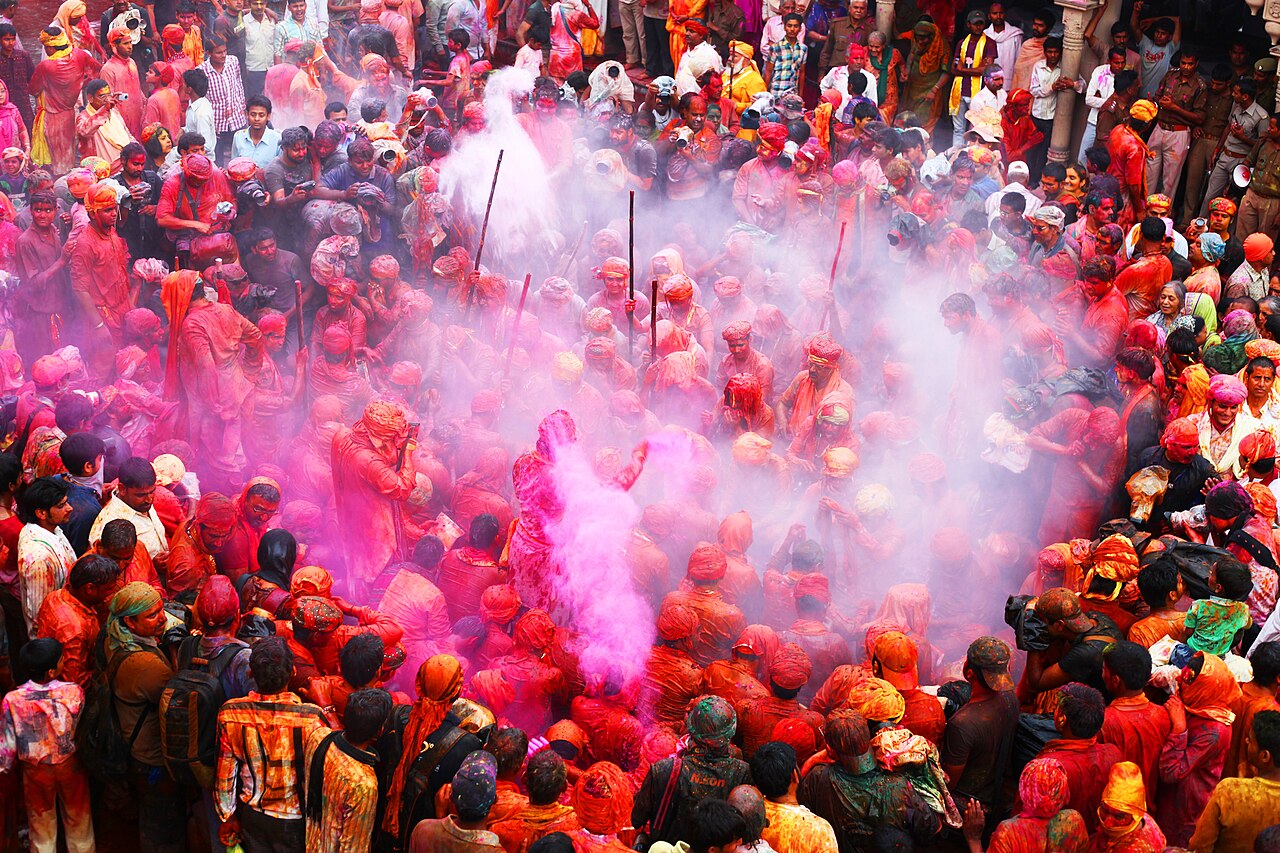
Once a year, on the spring full moon, India erupts into colour. Holi, the festival of colours, sends millions of people into the streets to throw fistfuls of bright powder and water at each other in a joyous, anarchic celebration of spring and the triumph of good over evil. For a first-timer it can be overwhelming, equal parts exhilarating and chaotic, and a little understanding turns it from bewildering to unforgettable.
The legend behind the colour
Holi carries real meaning beneath the play. The night before, bonfires are lit for Holika Dahan, marking the legend of the demoness Holika, who tried to burn the devoted boy Prahlad but was herself consumed by the fire, the burning of evil and the survival of good and devotion. The colour-throwing the next day is also tied to the playful love of Krishna and Radha, who, the stories say, smeared each other and the village with colour, a tradition that lives on most intensely in the towns of the Braj region where Krishna is said to have grown up.
So Holi is a celebration of spring's arrival, of fertility and renewal, of good defeating evil, and of a divine love expressed through colour. The phrase you will hear over and over is bura na mano, Holi hai, do not take offence, it is Holi, the spirit of a day when old grievances are forgiven, hierarchies dissolve, and everyone, rich and poor, young and old, plays together as equals in the colour.
For one day, Holi erases the lines between people. Everyone is the same colour by noon, which is, gloriously, the entire point.
On the meaning of Holi
What the day is actually like
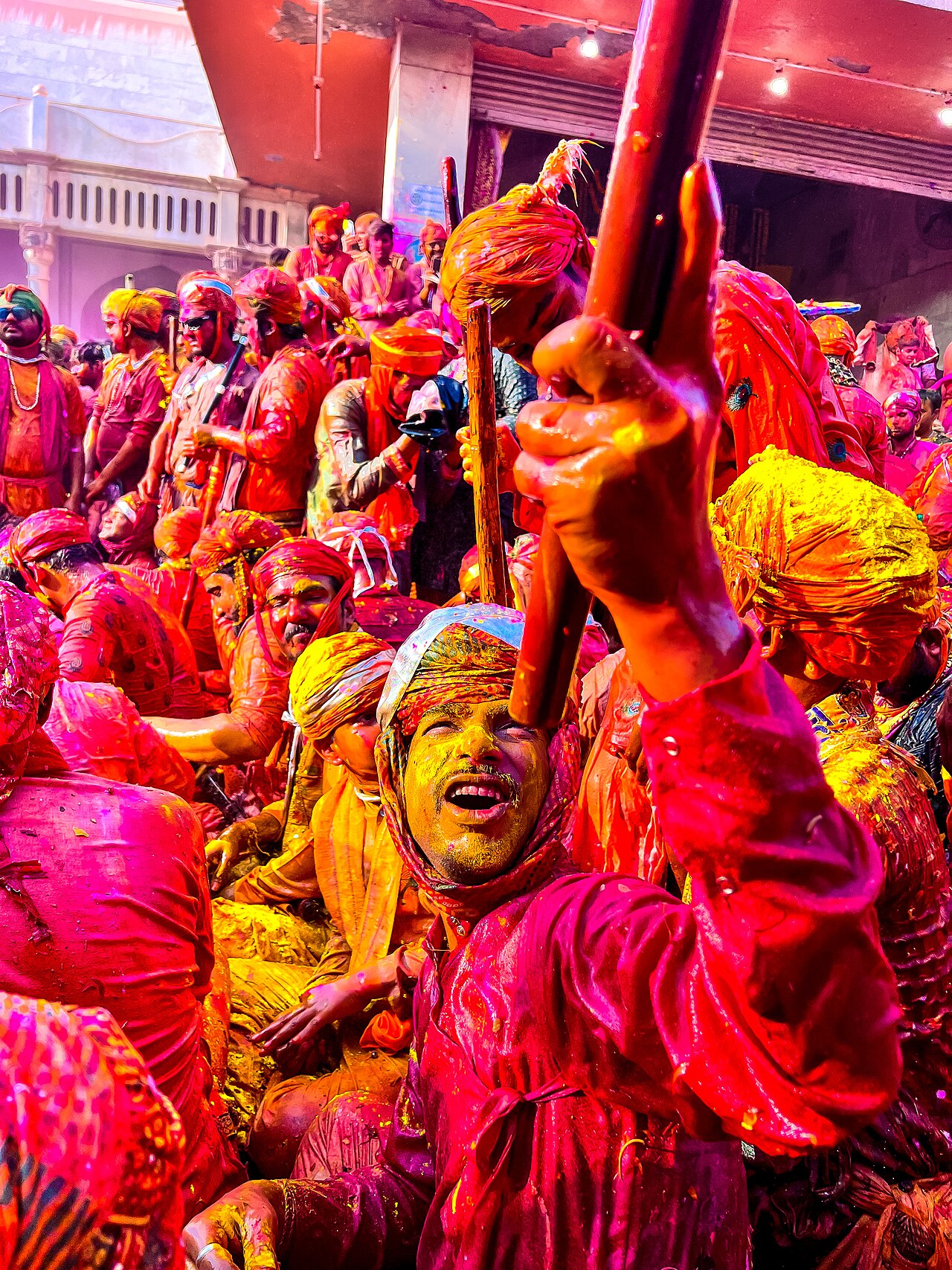
From morning, the streets fill with people armed with gulal, the dry coloured powder, and water guns and balloons. Strangers smear colour on your cheeks, douse you from rooftops, and pull you into impromptu dancing. Music plays everywhere, sweets are shared, and the whole social order loosens into a single joyful, multicoloured crowd. By midday everyone is stained head to toe in pink, green, blue, and yellow, unrecognisable and laughing.
The epicentre is the Braj region, Mathura, Vrindavan, and especially Barsana with its famous Lathmar Holi, where the celebrations are the oldest and most intense in the country. But Holi is everywhere in India, and even a quiet neighbourhood celebration delivers the joy. It is one of the most photogenic and high-spirited days on earth, and being pulled into it is a fast, vivid way to feel the warmth of India.
The practical and safety tips that matter
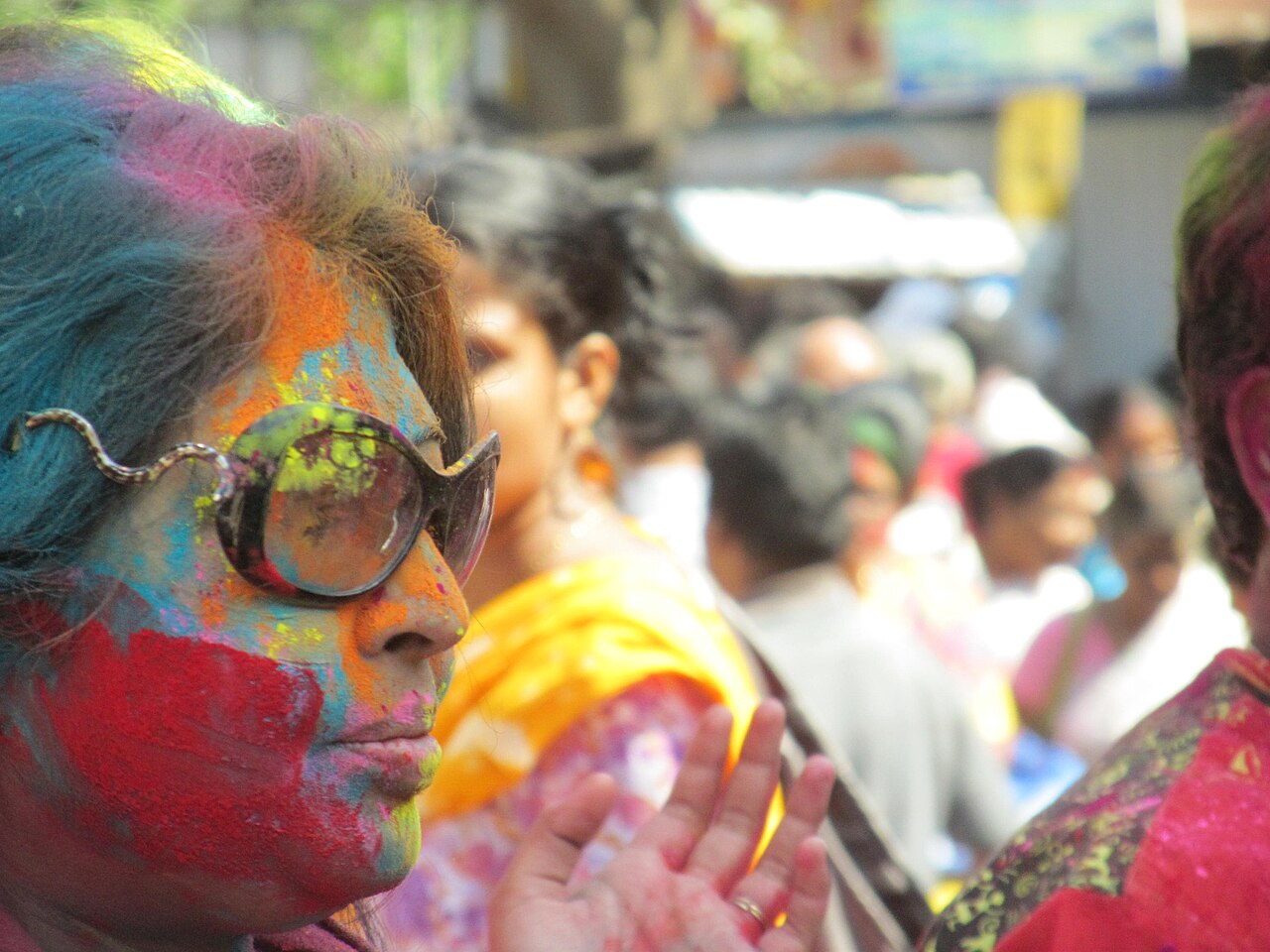
- Wear white old clothes you will throw away. White shows the colours best, and nothing survives Holi clean. Closed shoes too.
- Oil your skin and hair first. A layer of coconut or any oil, and even oil in your hair, makes the colour wash out far more easily afterward.
- Protect your eyes and phone. Sunglasses help against thrown powder, and seal your phone in a waterproof pouch or leave it behind.
- Insist on natural colours where you can. Some cheap powders contain harsh chemicals. Herbal gulal is kinder to skin and eyes.
- Be careful with bhang. The traditional cannabis-infused drink is offered at Holi and is much stronger than newcomers expect. Treat it with caution or skip it.
One honest note, especially for women and solo travellers: the public crowds can get rowdy and the anonymity of colour can embolden bad behaviour in the densest, most chaotic street scenes. The safest and most joyful way to play Holi is within a known group, a hosted celebration, a community gathering, a hotel or homestay event, rather than alone in the wildest public crowds. In the right setting, it is pure, generous delight.
A festival that lets you in
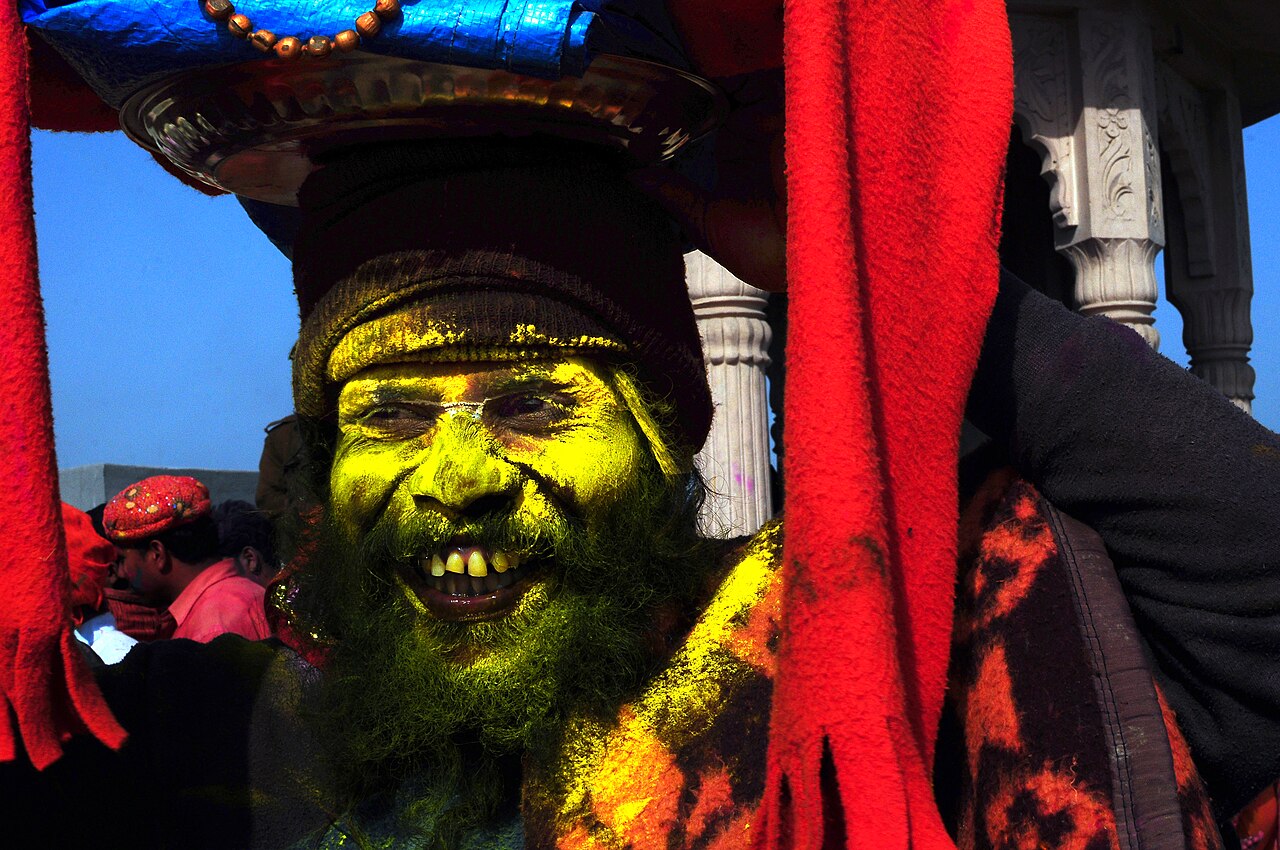
What makes Holi extraordinary for a visitor is how completely it dissolves the distance between traveller and local. There is no watching Holi from the sidelines, the moment you step out you are part of it, coloured and welcomed and laughing with strangers who a moment ago were strangers. Few festivals anywhere pull an outsider so instantly and warmly into the heart of the celebration. Played with a little care and a lot of openness, it is one of the great joyful experiences India offers.
You do not attend Holi. Within five minutes of stepping outside, Holi has attended to you, and you are pink, soaked, and grinning like everyone else.
We run group journeys across India, and while the spring departures move through the mountains rather than the Braj heartland, the spirit is the same: India met not from behind glass but from inside its warmth. The OJ Spiti Valley trip carries that ethos into the high Himalaya, the festivals, the villages, the welcomes. Because whether it is colour in the plains or prayer flags in the mountains, the magic of India is the same: a country that does not let you stay a spectator.
Frequently asked
When is Holi celebrated?
Holi falls on the full moon of the Hindu month of Phalguna, usually in March, occasionally late February. The bonfires of Holika Dahan are lit the night before, and the colour-throwing happens the next day. The most intense and traditional celebrations are in the Braj region, Mathura, Vrindavan, and Barsana, though Holi is celebrated across India.
How do you prepare for Holi as a first-timer?
Wear old white clothes and closed shoes you can throw away, and oil your skin and hair beforehand so the colour washes out more easily. Protect your eyes with sunglasses and seal or leave your phone. Use natural herbal colours where possible, be cautious with the strong cannabis drink bhang, and ideally play within a known group or hosted setting.
What does Holi celebrate?
Holi celebrates the arrival of spring and the triumph of good over evil, tied to the legend of Holika and the devoted Prahlad, and to the playful, colourful love of Krishna and Radha. For one day, social hierarchies dissolve and everyone plays together as equals, captured in the saying bura na mano, Holi hai, do not take offence, it is Holi.