
For Indians drawn to the high Himalaya, two names dominate the dream: Ladakh and Spiti. Both are stark, beautiful, high-altitude cold deserts, ochre mountains, ancient monasteries, impossibly clear light, sitting in the rain shadow beyond the monsoon. They are often mentioned in the same breath, and they are genuinely similar, but they have real differences in scale, access, and feel. Here is the honest comparison to help you choose your high-desert adventure.
The scale: grand versus intimate
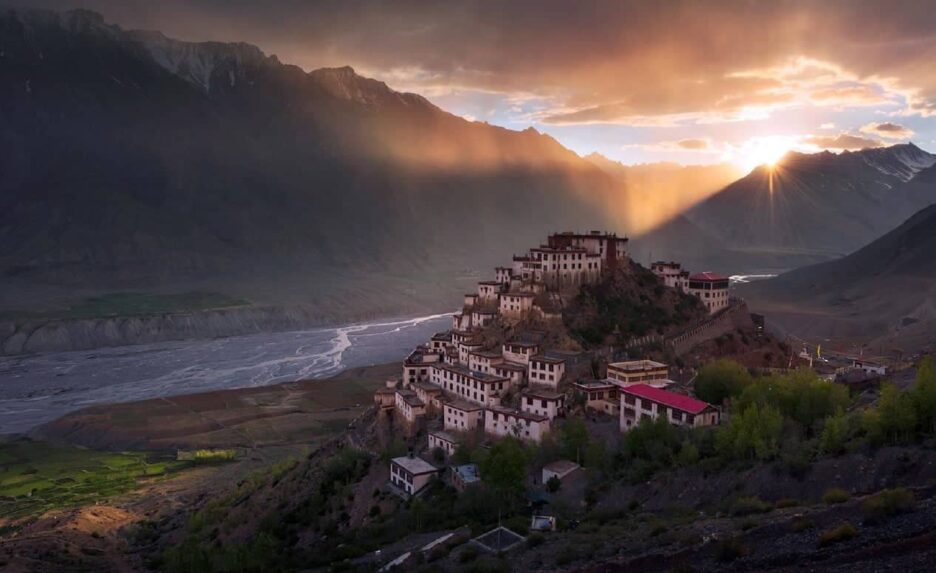
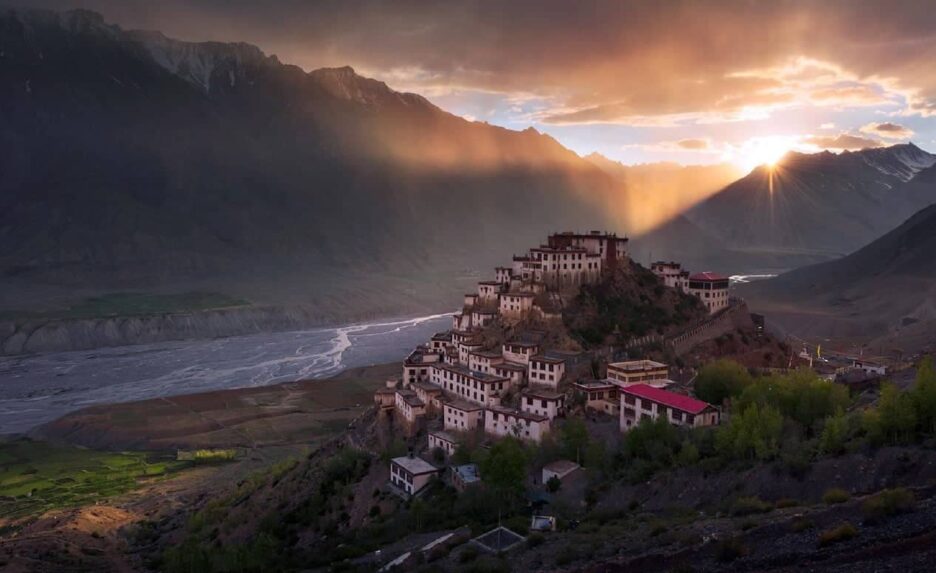
Ladakh is the larger, grander, more famous of the two: vast valleys, the great Pangong and Tso Moriri lakes, major monasteries, higher passes, and a bigger, more developed travel scene. It is the iconic, bucket-list high-altitude destination, epic in scale. Spiti is smaller, rawer, more remote, and more intimate: a tighter valley of ancient villages and cliff-clinging monasteries, with fewer crowds and a more rugged, untouched feel. Ladakh for grand, iconic scale; Spiti for raw, remote intimacy. Both are spectacular; one is bigger and busier, the other wilder and quieter.
Access and crowds
Ladakh is easier to reach, with an airport in Leh that lets you fly straight in, though that convenience, plus its fame, means more tourists and more development. Spiti is harder to access, reached only by long, rough mountain roads, which keeps it more remote, less crowded, and more of an adventure to get to. If you want the easier journey and the iconic sights, Ladakh; if you want fewer crowds and a wilder, more off-the-beaten-path feel, Spiti rewards the extra effort to reach it.
Ladakh is the famous masterpiece everyone wants to see. Spiti is the quieter sketch next to it, rawer, emptier, and for some, even more moving.
On the two deserts
Altitude and acclimatisation
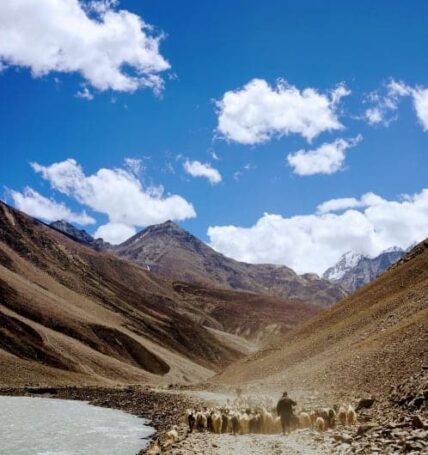
Both are very high, and altitude is the key practical consideration for either. Ladakh, because you can fly straight to Leh at high elevation, demands careful acclimatisation on arrival, resting before exerting. Spiti, reached by road, often allows a more gradual gain in altitude as you drive up, which can ease acclimatisation. Either way, both demand respect for the height, proper acclimatisation days, a slow pace, and good hydration. Neither is a place to rush.
Choose Ladakh if, choose Spiti if
- Choose Ladakh if you want the grand, iconic, bucket-list high desert, the great lakes, the famous monasteries, easier access by air, and epic scale.
- Choose Spiti if you want a rawer, more remote, less crowded valley with ancient villages and a wilder, off-the-beaten-path feel.
- Choose Ladakh for an easier journey in and the most famous high-altitude sights.
- Choose Spiti for fewer tourists, more adventure in the getting there, and a more intimate experience.
- Both open in the warmer months, broadly late spring through early autumn, when the high roads clear.
The verdict
If you want the grand, iconic, easier-to-reach high desert with the famous lakes and monasteries, book Ladakh. If you want a rawer, quieter, more remote and adventurous valley that fewer travellers reach, book Spiti. They are close cousins, both delivering that unmistakable high-Himalayan magic of ochre mountains, ancient Buddhist culture, and impossibly clear skies. Ladakh is the famous epic; Spiti is the wilder secret. For a first high-altitude trip, Ladakh; for those craving the road less travelled, Spiti.
You cannot go wrong with either; both will leave you changed. The choice is just whether you want the famous epic or the quiet, wilder secret beside it.
On the OJ Spiti Valley trip we go for the raw, remote, intimate high desert, the ancient villages, the cliff-clinging monasteries, the wilder road less travelled. Because while Ladakh is the famous, grand, iconic choice, Spiti offers the traveller who wants fewer crowds and more adventure a high-Himalayan experience that feels, gloriously, like a discovery rather than a destination.
Frequently asked
Is Ladakh or Spiti better to visit?
Both are spectacular high-altitude cold deserts. Ladakh is the grander, more famous, easier-to-reach choice, with great lakes, major monasteries, and epic scale, but more crowds. Spiti is smaller, rawer, more remote, and less crowded, reached only by long mountain roads, with a wilder, off-the-beaten-path feel. Ladakh suits iconic scale; Spiti suits adventurous intimacy.
Which is easier to reach, Ladakh or Spiti?
Ladakh is easier to reach, with an airport in Leh that lets you fly straight in, though that convenience and its fame mean more tourists. Spiti is harder to access, reached only by long, rough mountain roads, which keeps it more remote and less crowded but makes getting there more of an adventure. The road approach to Spiti can also ease altitude acclimatisation.
When is the best time to visit Ladakh and Spiti?
Both open in the warmer months, broadly late spring through early autumn, when the high mountain roads clear of snow. June to September is generally the prime window for both. They sit in the rain shadow of the Himalaya, so they stay dry and spectacular even during the monsoon, making them ideal summer escapes from the rains.