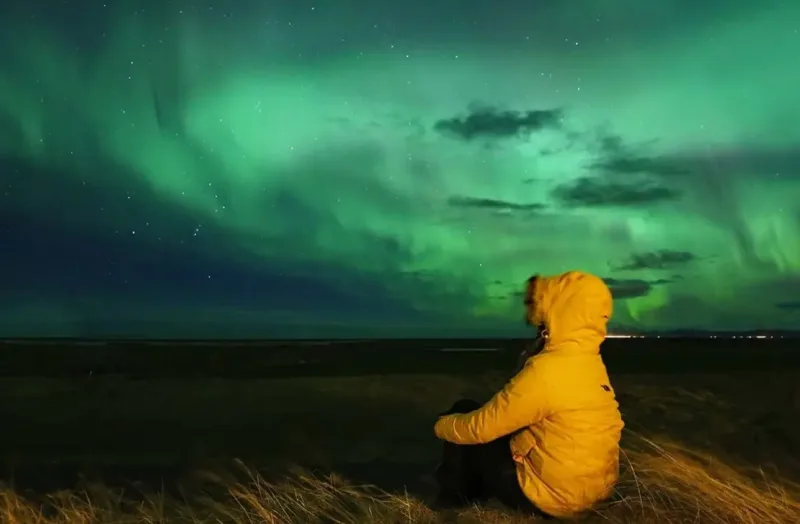
Every Indian traveller who has spent five minutes googling Nordic trips ends up in the same rabbit hole: Norway vs Iceland for Indians - which one is actually worth the rupees, the Schengen visa stress, and the 15-hour flights? Both promise the northern lights. Both are jaw-dropping. Both will hit your wallet hard. But they are completely different experiences, and picking the wrong one for your travel style is a very expensive mistake. This guide lays out the honest comparison so you can stop going in circles.
What You Are Actually Comparing (Spoiler: They Are Different Trips)
Norway and Iceland share a latitude, a Schengen visa, and a reputation for expensive beer. That is where the similarities end. Iceland is a volcanic island - black sand beaches, lava fields, geysers, glacier lagoons, and a Ring Road that loops the whole country in a week. Norway is a mainland fjord country - think steep mountains dropping into narrow waterways, stave churches, the Lofoten Islands, and the option to add a train ride through some of the most dramatic scenery on the planet.
If someone told you "they are basically the same", they have been to neither. Iceland feels like being on another planet. Norway feels like being inside a painting that keeps getting better. Both are correct. They just scratch different itches.
Visa: Both Use the Schengen, but Apply Right
Good news: you need exactly one visa for both countries. Both Norway and Iceland are Schengen zone members, so an Indian passport holder needs a standard Schengen visa. The government fee is EUR 90 (roughly Rs. 8,000 to Rs. 8,500 depending on exchange rate - confirm this at the official embassy site before applying).
Apply through whichever country you will spend the most nights in. If you are going to Norway for 6 nights and Iceland for 4, apply through Norway. Trying to split them equally? Apply through the first country you enter.
Approval rates for Indian applicants are genuinely good for both. Iceland approves roughly 91-94% of Indian applications. Norway sits at approximately 90.5%, third highest among all Schengen countries for Indian nationals. These are not France or Spain odds (which hover around 80-82%) - you are in reasonable territory if your documents are clean.
Processing time: allow 3 to 4 weeks minimum. Apply 2 to 3 months ahead in peak season (October through February for northern lights, June through August for midnight sun). Book travel insurance covering at least EUR 30,000 - this is mandatory, not optional.
Cost Comparison: Flight to Food, in INR
This is where it gets real. Both destinations are expensive, but in different ways. Here is a side-by-side breakdown that actually helps you plan.
| Cost Item | Iceland | Norway |
|---|---|---|
| Return flights from India | Rs. 65,000 - Rs. 1,00,000 | Rs. 45,000 - Rs. 98,000 |
| Schengen visa | Rs. 8,000 - Rs. 8,500 | Rs. 8,000 - Rs. 8,500 |
| Accommodation per night (hostel dorm) | Rs. 3,000 - Rs. 5,000 | Rs. 2,500 - Rs. 4,500 |
| Accommodation per night (mid-range hotel) | Rs. 7,500 - Rs. 13,000 | Rs. 9,000 - Rs. 15,000 |
| Car rental per day | Rs. 5,000 - Rs. 10,000 | Rs. 6,000 - Rs. 11,000 |
| Budget meal | Rs. 2,000 - Rs. 3,500 | Rs. 1,600 - Rs. 3,000 |
| Mid-range restaurant dinner | Rs. 3,500 - Rs. 5,500 | Rs. 2,500 - Rs. 4,500 |
| Northern lights tour | Rs. 8,000 - Rs. 18,000 | Rs. 7,000 - Rs. 15,000 |
| 7-day total (budget) | Rs. 1,65,000 - Rs. 2,20,000 | Rs. 1,50,000 - Rs. 2,00,000 |
| 7-day total (mid-range) | Rs. 2,80,000 - Rs. 4,00,000 | Rs. 2,50,000 - Rs. 3,80,000 |
The headline finding: Norway is roughly 15-20% cheaper than Iceland for the same style of travel. Expatistan's cost-of-living data puts Norway at about 33% cheaper than Iceland overall. Food is where you feel it most - groceries and mid-range restaurants in Norway are noticeably less punishing than Iceland's import-dependent prices.
That said, Norway has two cost traps: getting to Lofoten (internal flights or a 20-hour drive from Oslo) and fjord tours (a scenic cruise adds Rs. 3,000 to Rs. 8,000 per person). Factor these in.
If budget is the deciding factor, Norway edges ahead. If you want to do both in one trip, doing Iceland first and Norway second (or vice versa) on one Schengen visa is perfectly legal - and actually a great idea.
Northern Lights: Where Are Your Real Odds Better?
Let's get the fantasy out of the way first: no one can guarantee northern lights anywhere. They depend on clear skies, solar activity, and luck. Anyone selling you a "guaranteed aurora experience" is lying about at least one part of that sentence.
That said, the practical odds differ between the two countries.
Iceland is smaller and the aurora can appear anywhere from Reykjavik outward. The challenge is weather - Iceland is notorious for storms and overcast skies, especially October through November. The upside: being a small island means you can often drive out of cloud cover in under two hours. The best months are September through March, with February offering a sweet spot of long dark nights and relatively stable skies. Reykjavik has organised aurora tours that chase clear skies nightly. If you miss it on one night, you have multiple tries.
Norway has two major aurora zones: Tromso and the Lofoten Islands. Tromso is the better bet for first-timers. It has professional local guides who read weather patterns well, the infrastructure of a small city, and enough cloudless nights statistically that most groups get at least one clear viewing in a 5-night window. Lofoten gives you the aurora reflected in mirror-flat water - genuinely one of the best photography subjects on earth - but weather is less predictable and you need a car.
Best months for Norway: late September through March. Peak activity: January-February.
Honest verdict: if seeing the northern lights is your only goal, Tromso in Norway gives you slightly better odds through sheer infrastructure and guided chasing. If seeing them while doing other things (road tripping, waterfalls, glaciers), Iceland's Ring Road structure means you are outdoors and watching the sky constantly anyway.
Adventure Activities: Glacier Hikes vs Fjord Hikes
Iceland wins on geological weirdness. You can walk on a glacier (Vatnajokull is the biggest in Europe), crawl into ice caves that glow blue, snorkel between two tectonic plates at Silfra, see geysers erupt on schedule, and soak in a geothermal lagoon at the end of a long day. The terrain is accessible - it is not a mountainous country, and most hikes involve rolling lava fields and valleys rather than steep elevation. Great for mixed fitness groups.
Norway wins on scale and drama. The Trolltunga hike (22 km, 1,100 metres elevation) is a full day out and earns every one of those views. Preikestolen (Pulpit Rock) is shorter but equally striking. The Lofoten Islands offer hikes where you are literally walking a ridge above a fishing village. And then there are the fjords themselves - the Sognefjord, Geirangerfjord, Hardangerfjord - which you can see from a boat, a train, or the road beside them. Norway's hiking is harder, steeper, and more rewarding for those who want it.
For a group of mixed fitness levels, Iceland is easier to plan. For a group that wants to earn their views, Norway is more satisfying.
When to Go: Month-by-Month for Indians
September to November (shoulder season): both countries are in their aurora window. Flights are cheaper than peak December-February. Crowds thin out. Weather in Iceland gets stormier through October-November; Norway stays cold but manageable.
December to February (peak northern lights): best aurora odds, longest nights, full snow coverage. Also the most expensive time to fly and stay. Book flights 3 to 4 months ahead. Iceland in February is magical - waterfalls freeze, and the daylight increases from the January low, giving you a few hours of soft golden light per day.
June to August (midnight sun): completely different trip. The northern lights are invisible - there is no darkness. Instead, you get 20-plus hours of light, green fjords, wildflowers, and hiking conditions that are genuinely fantastic. Flights from India are cheapest in June. This is the easiest time to travel both countries.
Verdict for most Indians: October for a first trip. You get a real shot at aurora, the summer crowds have cleared, flights are still reasonable, and both countries look spectacular in autumn colours.
Where to Stay: Reykjavik vs Bergen vs Oslo vs Tromso
In Iceland, most people base in Reykjavik and drive the Ring Road, returning to the capital or sleeping in guesthouses along the route. Reykjavik itself is a compact, walkable city. For aurora hunting, the Golden Circle day trips from Reykjavik work. For deeper access, renting a 4WD and sleeping in guesthouses near Jokulsarlon or Vik puts you in better position.
In Norway, your base depends on your goal. Oslo for city culture and the train to Bergen. Bergen for the fjords and Flam Railway. Tromso for northern lights. Lofoten if you want the most dramatic scenery and are okay with an internal flight. Budget for an internal Norway flight (Rs. 6,000 to Rs. 18,000 one way) if you are combining Tromso and the fjords in one trip.
For Indians who want a well-organised group trip without the logistical headache of self-driving in unfamiliar winter conditions, joining a guided group trip makes a real difference. Read about what an Iceland road trip from India actually looks like in practice, or check out what a proper Norway trip from India involves before deciding which you want to do first.
Food Reality Check for Indian Travellers
Neither country is easy for Indian vegetarians or those who eat halal. It is possible, but requires planning.
Iceland imports almost everything, which is why food costs are so high. The good news is that most hotels include breakfast, which you should not skip. Supermarkets (Bonus is the budget chain) are your best friends for lunch. Reykjavik has a growing selection of international restaurants, and there are a handful of Indian/South Asian options in the city.
Norway has larger cities and more variety. Oslo has a decent Indian restaurant scene. Bergen has options. In rural areas and on the Lofoten Islands, vegetarian options are limited to what the kitchen is willing to improvise. Self-catering - renting accommodation with a kitchen and grocery shopping - cuts food costs by 60 to 70% in both countries and is how most budget-conscious travellers manage.
Budget Rs. 1,800 to Rs. 3,000 per day per person for food if you are mixing supermarket meals and one restaurant dinner. Budget Rs. 3,500 to Rs. 5,000 if you are eating out for every meal.
The Honest Verdict: Which Should You Go to First?
If you can only do one, here is the straightforward answer based on what most Indian travellers actually want.
Go to Iceland first if: you want a road trip structure, love geological weirdness (glaciers, volcanoes, geysers, black beaches), want the northern lights as one part of a bigger adventure, and prefer a country where 7 to 10 days gets you an almost complete picture.
Go to Norway first if: fjord landscapes and dramatic hiking are more appealing than volcanic terrain, you want Tromso-style dedicated northern lights chasing with professional guides, or you are combining multiple Schengen countries in one trip (Norway + Denmark + Sweden is a natural route).
Do both if: you have 14 to 18 days and are okay with one Schengen visa covering the whole trip. Fly into Reykjavik, spend 7 to 8 days in Iceland, fly to Oslo, head north to Tromso and the Lofoten Islands, fly back to Delhi. This is genuinely one of the best possible Nordic itineraries.
For comparison-style thinking on other trips, the Bali vs Vietnam breakdown uses the same framework - it might help you see how we think through these destination decisions.
Frequently Asked Questions
Do I need a separate visa for Norway and Iceland, or is one Schengen visa enough?
Which is cheaper for Indians - Norway or Iceland?
What is the best time to see the northern lights in both countries?
Is Iceland or Norway better for adventure activities?
Can vegetarians and Indian food lovers manage in these countries?
Is it worth doing both Norway and Iceland on one trip?
One in the Orange Jacket runs offbeat group adventures for travellers who have outgrown the usual circuit.
Ready to stop comparing and start booking? OJ runs group trips to both destinations. See the Iceland Road Trip and Norway trip pages for dates and what the trip actually looks like with a group.