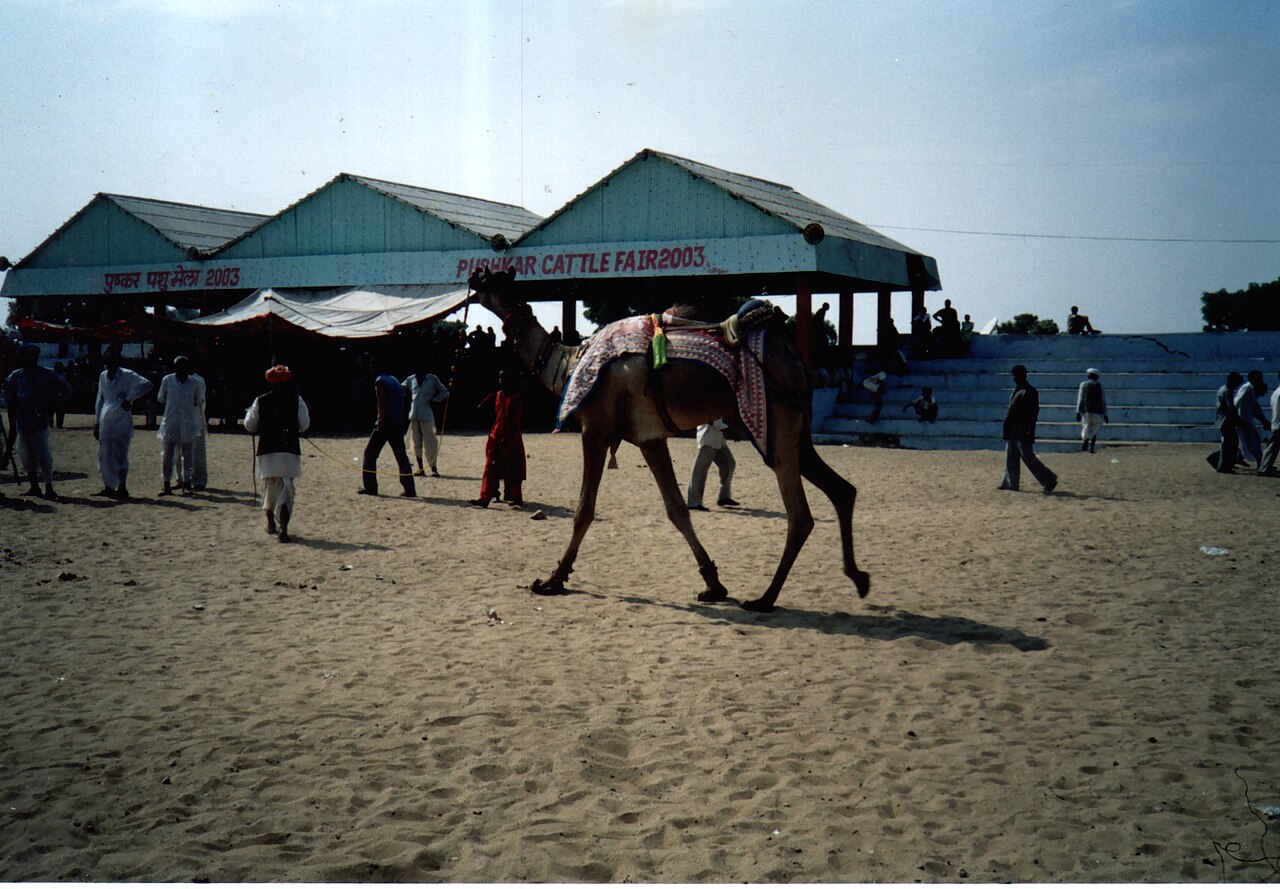
Every November, in the Rajasthani desert town of Pushkar, two completely different events happen on top of each other and somehow become one. A vast livestock fair, where tens of thousands of camels, horses, and cattle are traded, collides with a sacred Hindu pilgrimage to one of India's holiest lakes. The result is the Pushkar Camel Fair, a surreal, dusty, dazzling spectacle that is part market, part carnival, and part act of faith.
A market older than memory
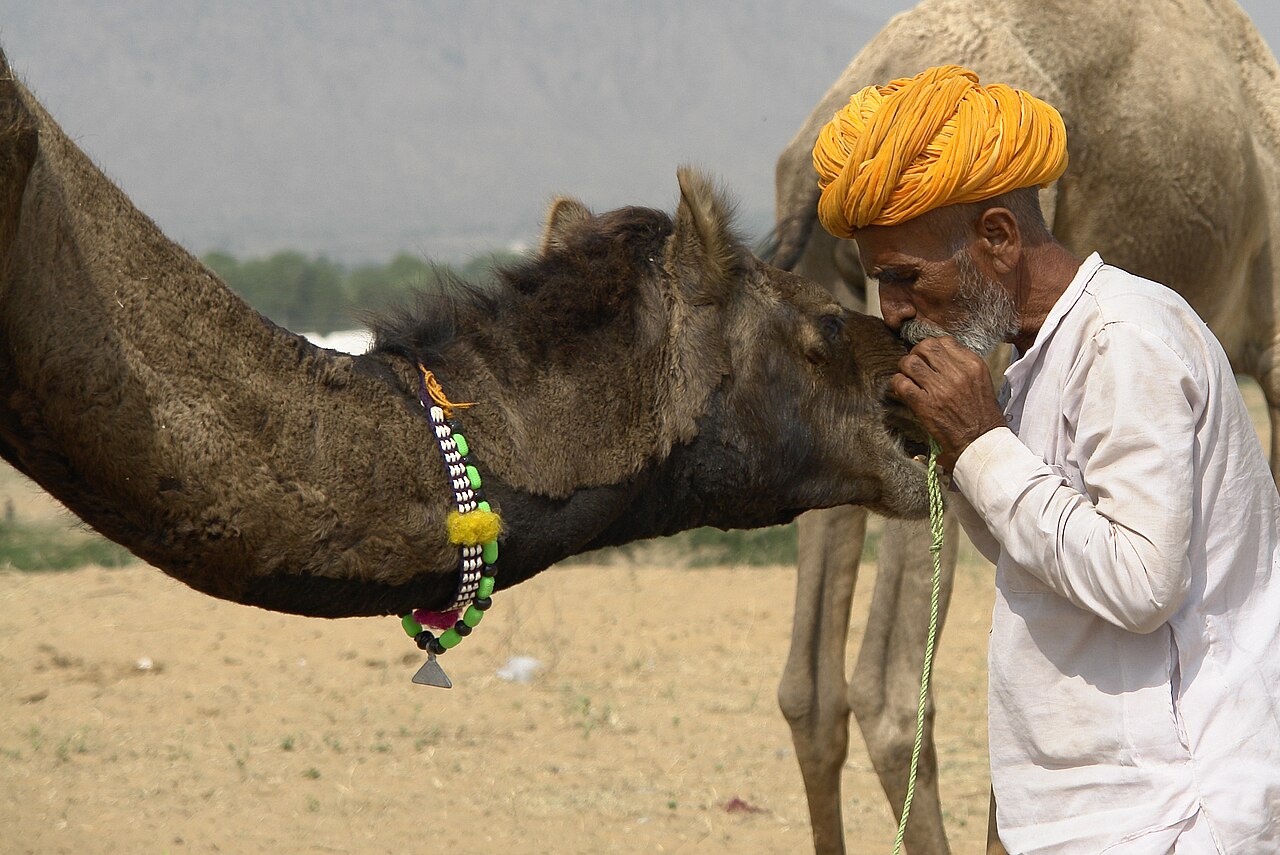
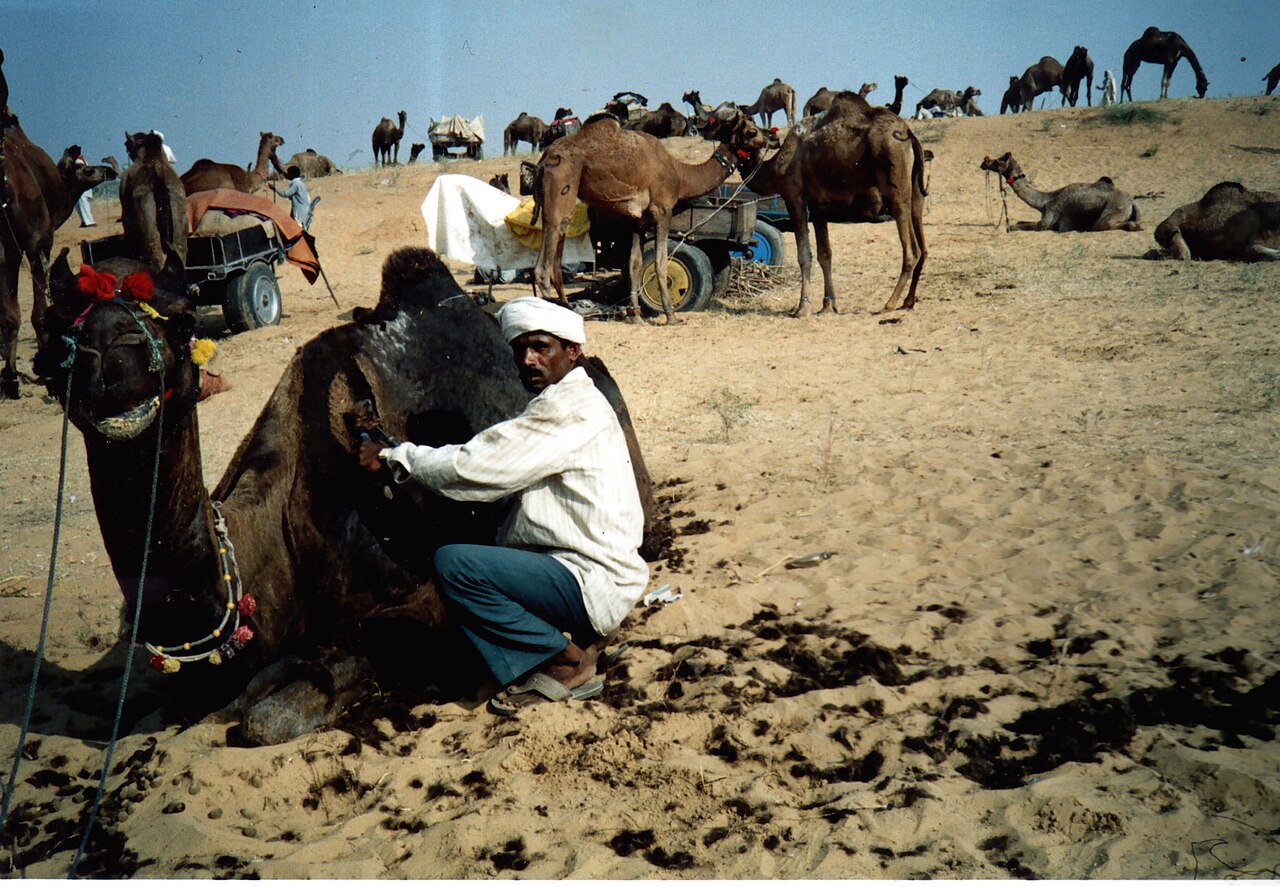
At its core, Pushkar is one of the largest camel and livestock fairs in the world. Traders travel for days across the desert, their camels and horses adorned and groomed, to buy and sell in a sprawling encampment on the dunes. The animals are the stars: camels with shaved patterns in their coats, their necks hung with bells and beads, paraded, raced, and judged. There are camel beauty contests, races, and even moustache competitions among the herders, a riot of colour and showmanship under the desert sun.
For a few days the dunes become a city of tents, woodsmoke, folk music, and bargaining, a window into a pastoral, trading way of life that has continued in the Rajasthani desert for centuries. The sheer photogenic chaos of it, the turbans and the camels and the dust-gold light, has made Pushkar a pilgrimage for photographers as much as for the faithful.
Pushkar is the only place on earth where a camel beauty contest, a moustache competition, and a sacred pilgrimage happen in the same cloud of desert dust.
On the fair
A pilgrimage at the same time
The fair is timed to Kartik Purnima, a sacred full moon, and Pushkar is no ordinary town. It holds one of the very few temples to Brahma, the Hindu creator god, anywhere in India, and its lake is considered profoundly holy. During the festival, pilgrims descend to bathe in the sacred Pushkar Lake, a ritual believed to cleanse sins, lining the ghats in the soft light of dawn and dusk in a scene of quiet devotion.
So Pushkar holds two truths at once: the boisterous commerce of the camel fair and the serene faith of the pilgrimage, the haggling herders and the bathing pilgrims, sharing the same few sacred days. That collision of the worldly and the spiritual is exactly what makes it so uniquely, unforgettably Indian.
How to experience it well
- Go in the early days for the animals, the trading, and the herders, before the crowds peak. The later days bring more cultural shows and tourists.
- Embrace the dawn and dusk light. This is one of the great photography events on earth, and the soft desert light at the edges of the day is magic.
- Respect the pilgrimage. The lake and ghats are sacred. Remove shoes, dress modestly, and do not intrude on or photograph bathers without sensitivity.
- Prepare for dust and crowds. It is a desert fairground. Carry water, sun protection, and patience.
- Stay nearby and book ahead. Accommodation in and around Pushkar fills up completely for the fair.
India at its most surreal and real
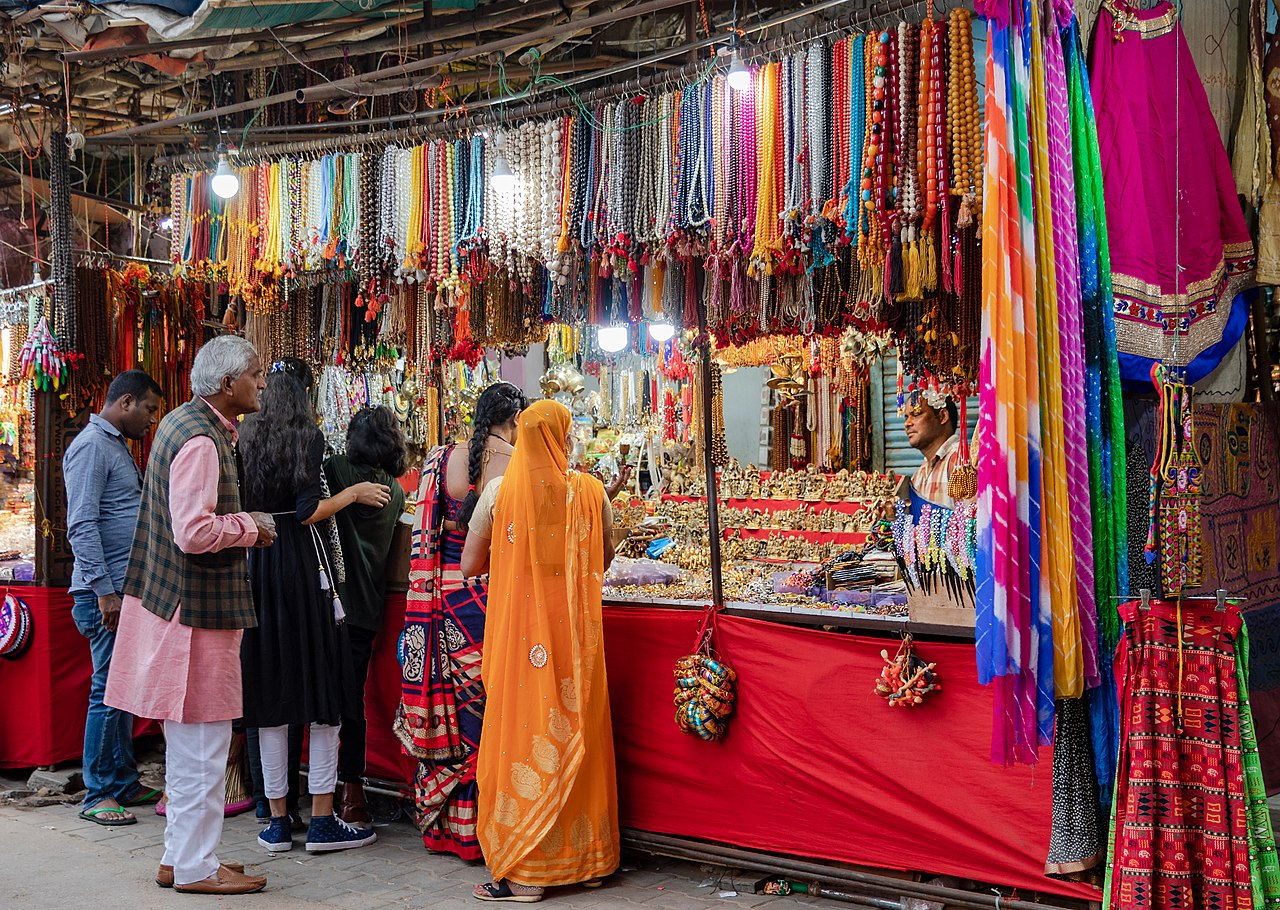
Pushkar is the kind of experience that explains why India captivates travellers like nowhere else. It refuses to be one thing. It is a trade fair and a holy rite, a carnival and a quiet act of devotion, ancient and theatrical all at once, with no tidy line between the sacred and the everyday. To wander the dunes among the camels and then watch the pilgrims bathe at dusk is to feel the wonderful, overwhelming density of Indian life concentrated into a few unforgettable days.
India never hands you one simple thing. At Pushkar it hands you fifty thousand camels and a holy lake, in the same breath, and dares you to make sense of it.
We run group journeys across India, and while our routes climb into the Himalaya rather than the Rajasthani desert, the spirit is the same: India met head-on, in all its overwhelming colour and contradiction. The OJ Spiti Valley trip carries that ethos into the high mountains. Because whether it is camels in the desert dust or prayer flags on a high pass, the gift of India is the same: a country that is always, gloriously, more than one thing at once.
Frequently asked
When is the Pushkar Camel Fair held?
The Pushkar Camel Fair takes place in November in the desert town of Pushkar, Rajasthan, timed to the sacred full moon of Kartik Purnima. It runs for several days, with the early days focused on livestock trading and the later days featuring more cultural events and competitions. The exact dates shift each year with the lunar calendar.
What happens at the Pushkar Camel Fair?
It is one of the world's largest livestock fairs, where tens of thousands of camels, horses, and cattle are traded, alongside camel races, beauty contests, moustache competitions, folk music, and a tented desert encampment. Simultaneously, pilgrims gather to bathe in the sacred Pushkar Lake and worship at the rare Brahma temple during Kartik Purnima.
Is the Pushkar fair good for photography?
Exceptionally so. The combination of decorated camels, turbaned herders, desert dunes, colourful crowds, and soft dawn and dusk light makes it one of the most photogenic events in the world. Be respectful around the sacred lake, ghats, and bathing pilgrims, and always ask before taking close portraits of people.