Indians arrive in Spain and find a country that seems to be running on the wrong clock. Shops close in the middle of the afternoon. Dinner does not start until ten. The streets are dead at seven and packed at eleven. It looks like disorganization, and it is the opposite: it is one of the most coherent daily rhythms in Europe, evolved over centuries, and once you stop fighting it and start living by it, Spain transforms from confusing to wonderful.
The siesta is about heat, not sloth
The famous siesta, the afternoon closure, did not come from laziness. It came from the sun. In a hot country, the early afternoon, roughly 2 to 5pm, is the most brutal part of the day, and for centuries it made complete sense to stop work, eat the main meal, rest through the worst of the heat, and resume in the cooler evening. Many shops, especially in smaller towns and outside the big cities, still close for some version of this midday break.
The modern reality is more nuanced, big-city Spain and chain stores increasingly stay open through the afternoon, and actual napping is less common than the myth suggests. But the rhythm it created, the long lunch, the shifted day, the late everything, remains the backbone of Spanish life. Fighting it, trying to shop at 3pm or dine at 7pm, just leaves you frustrated and alone. Flowing with it unlocks the country.
The siesta was never about laziness. It was about refusing to work through the worst heat of the day, which, in a hot country, is simply intelligent.
On the misunderstood rest
The day is shifted later than you think
Here is the Spanish day, and internalizing it changes your trip. Morning is normal. Lunch, the big meal, is at 2 to 3pm, not noon. The afternoon stretches long, with the siesta dip. The evening begins with the paseo, the leisurely evening stroll, around 7 or 8pm, when families and friends come out to walk, see, and be seen. Dinner is at 9 to 11pm. And nightlife, real Spanish nightlife, does not begin until midnight and runs until dawn.
There is a geographic quirk behind this. Spain sits on Central European Time, the same as Germany and Poland, despite being geographically aligned with Britain and Portugal. This pushes the sun, and therefore daylight, about an hour later by the clock than its longitude would suggest. Combined with the traditional rhythm, the whole Spanish day runs late, and it is the clock, as much as the culture, that keeps you eating dinner at ten.
Two kisses, and the social warmth
Spaniards greet with two kisses, one on each cheek, starting with the right, more of a cheek-touch with a kiss sound than an actual kiss. This is standard between women, and between a woman and a man, in social settings. Men typically shake hands or, if they are friends, embrace. For Indian travellers, used to more reserved physical greetings, this can feel forward at first, but it is simply the warmth of a tactile culture, and following the lead of your Spanish host, offering your cheek, is the graceful response. In formal or business first meetings, a handshake is safe.
More broadly, Spanish social culture is loud, warm, expressive, and physically close. People talk over each other with affection, gesture freely, stand near you, and treat strangers with an easy openness. The noise level in a Spanish bar is not rudeness, it is life being enjoyed. Matching the energy, being warm, being present, being unhurried, is how you connect.
The things that mark you as a tourist
- Eating dinner before 9pm. You will be alone among other tourists.
- Tipping 15 to 20 percent. Spain rounds up, a euro or two, and big tips mark you as foreign.
- Rushing a meal. A Spanish lunch can run two hours and that is the point.
- Trying to do everything during the afternoon closure. Plan around it instead.
- Ordering a big breakfast. Spanish breakfast is coffee and a pastry, nothing more.
- Being loudly impatient. Spain runs on its own time and hurrying it never works.
Regional pride is real, and it matters
Spain is not a monolith, it is a collection of strong regional identities, and acknowledging this earns respect. Catalonia, the Basque Country, Galicia, and others have their own languages, traditions, and fierce local pride, and some have complicated relationships with the idea of Spain itself. Catalans in Barcelona may speak Catalan first. Basques have their own ancient language unrelated to Spanish. The traveller who treats Barcelona as simply Spanish, or who is curious and respectful about regional identity rather than dismissive, navigates the country with far more grace. When in doubt, ask people about their region with genuine interest, it is almost always warmly received.
Stop trying to shop at three or dine at seven. Surrender to the Spanish clock and the country stops confusing you and starts delighting you.
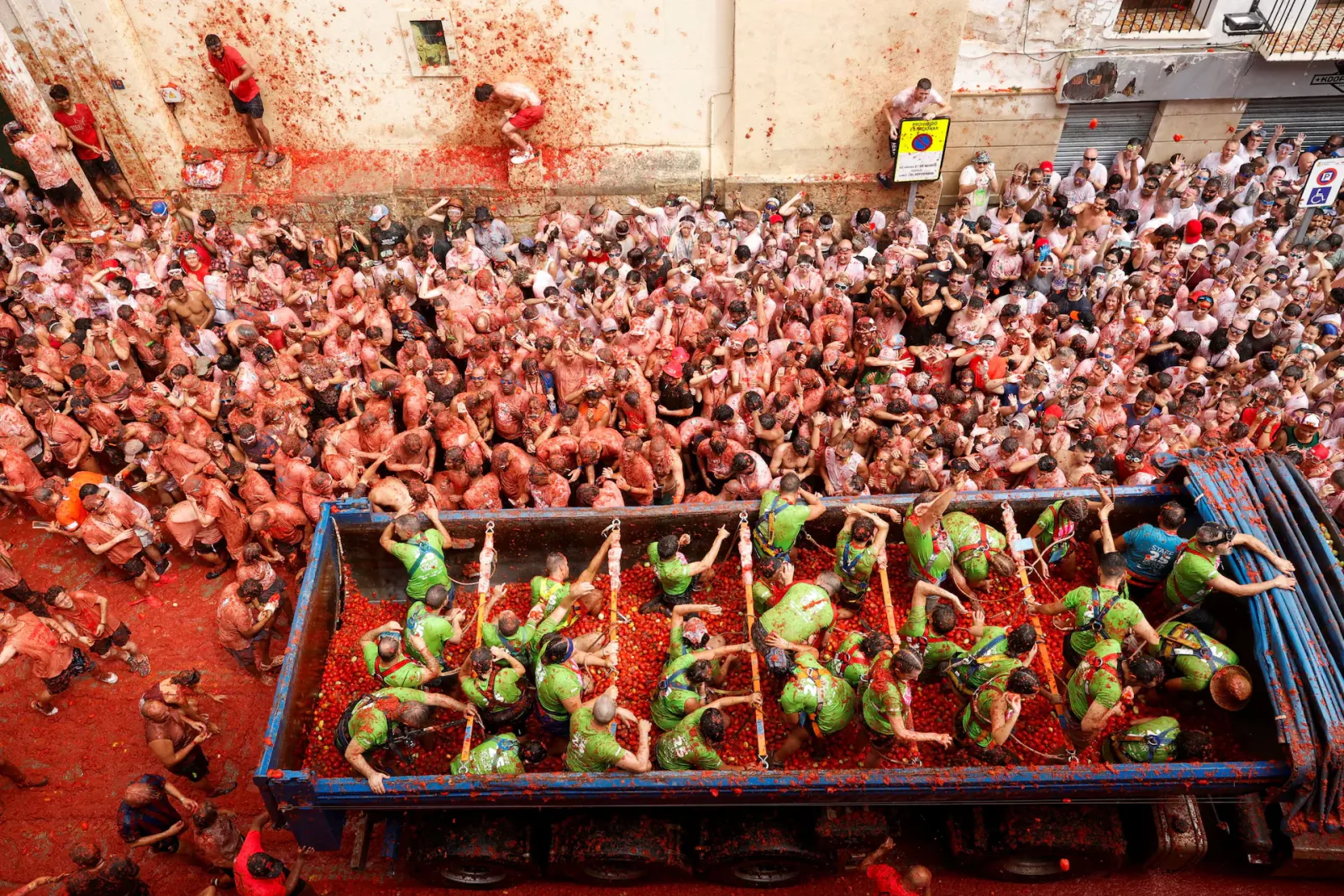
On the OJ Spain trip, the August one built around La Tomatina, we lean into the Spanish rhythm rather than fighting it, the late tapas crawls, the 2pm lunches, the evening paseo, the dinners that start when an Indian schedule would have you asleep. Because the single biggest mistake travellers make in Spain is trying to run it on their own clock. Surrender to the Spanish day, and the country gives you something the rushed tourist never finds: the feeling of actually living there, for a week, on Spanish time.
Frequently asked
Why do Spaniards eat dinner so late?
A combination of tradition and geography. Spain sits on Central European Time despite aligning geographically with Britain, pushing daylight about an hour later by the clock. Combined with the traditional long lunch and afternoon break, the whole day shifts later. Dinner at 9 to 11pm is completely normal, and restaurants do not open for dinner before about 9pm.
Is the siesta still a thing in Spain?
Partly. Many shops, especially in smaller towns, still close for a midday break roughly 2 to 5pm, though big cities and chain stores increasingly stay open. Actual napping is less common than the myth suggests, but the rhythm it created, the long lunch and shifted-late day, remains the backbone of Spanish life.
How do Spaniards greet each other?
With two kisses, one on each cheek starting from the right, more a cheek-touch with a kiss sound, standard between women and between a woman and a man in social settings. Men shake hands or embrace if friends. In formal first meetings a handshake is safe. Follow your host's lead and offer your cheek.