The single biggest mistake Indians make in Spain is showing up at a restaurant at 7pm and finding it empty. Not because the food is bad. Because you are four hours early. Spain runs on a food clock that makes no sense until you understand it, and once you do, the whole country opens up.
The Spanish day has five eating windows
Spaniards do not eat three meals. They eat across the day in a rhythm that took centuries to settle into. Desayuno is breakfast, light, around 8am: coffee and a pastry, or pan con tomate, bread rubbed with tomato and olive oil. Nobody does a heavy breakfast.
Then comes almuerzo, a mid-morning second breakfast around 10 or 11am. This is when construction workers and office staff stop for a bocadillo, a baguette sandwich, often with tortilla or jamon. It bridges the long gap to lunch.
La comida, lunch, is the big meal, and it happens at 2 to 3pm, not noon. This is the meal that matters. Three courses, wine, time. In smaller towns shops still close for it. Then merienda, an afternoon snack around 6pm, usually for children and the elderly. And finally la cena, dinner, which does not begin before 9pm and often runs to 10 or 11.
If you show up for dinner at 8pm, you are eating with the tourists. Show up at 10 and you are eating with Spain.
The rule nobody tells you
Tapas is a verb, not a menu
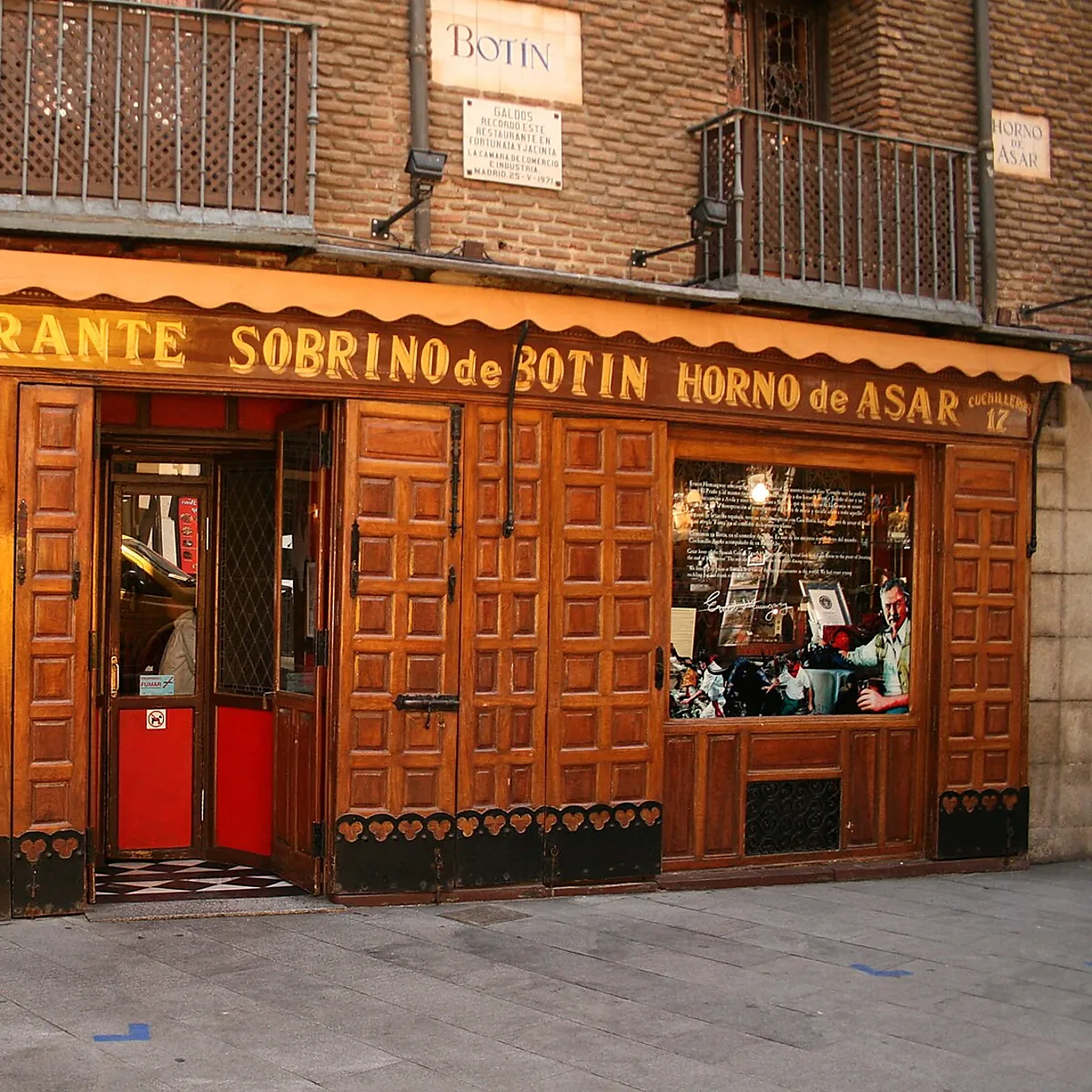
Indians arrive expecting tapas to be a type of food. It is not. Tapas is a way of eating: small plates, shared, moving from bar to bar. The word comes from tapa, a lid, because the original tapas were slices of bread or ham placed over a glass of wine to keep flies out. The snack came free with the drink.
In some cities this tradition survives. In Granada and Leon, order a drink and a free tapa still arrives, chosen by the bar, no menu. You drink, you graze, you move on. This is tapeo, the act of tapas-crawling, and it is the most social way to eat in Europe. You do not sit at one table for three hours. You stand, you talk, you walk to the next place.
The classics worth knowing: patatas bravas, fried potatoes with a smoky-spicy sauce. Gambas al ajillo, prawns in garlic oil that you mop up with bread. Tortilla espanola, a thick potato omelette served at room temperature, the most Spanish thing there is. Croquetas, bechamel fritters that taste like comfort. Pimientos de Padron, small green peppers fried in oil, most mild, the occasional one fiery, a culinary game of roulette.
Jamon is a religion, and the price tells you which church
Spain takes cured ham more seriously than any country takes any food. Jamon serrano is the everyday version, cured for a year or more, found everywhere. Jamon iberico is the aristocrat, from black Iberian pigs, and the very best, jamon iberico de bellota, comes from pigs that spent their final months eating only acorns in oak forests. A leg of bellota can cost more than a smartphone.
You will see the legs hanging in every bar, hoof still attached, a little plastic cup underneath to catch the dripping fat. That is not decoration. That is the menu, hanging in plain sight. Order a plate, eat it with your fingers, let it sit on your tongue until the fat melts. This is the moment Spain is trying to give you.
Paella is lunch, and never has chorizo in it
Two things about paella that will mark you instantly as a tourist if you get them wrong. First, paella is a lunch dish, cooked fresh and eaten at midday, never dinner. A restaurant offering paella for dinner is cooking it from a freezer. Second, authentic Valencian paella does not contain chorizo. Ever. Suggesting it does is, to a Valencian, roughly what suggesting ketchup on biryani is to you.
Real paella valenciana has rabbit, chicken, snails, and green beans, cooked in a wide flat pan over wood fire so the rice at the bottom forms a crust called socarrat, the most prized part. The seafood version exists but is a coastal variation, not the original. If you want the real thing, go inland to Valencia, eat it at 2pm, and ask for the socarrat.
Spanish food is not about the dish. It is about the hour you eat it, the people you eat it with, and how slowly you let it happen.
How to eat Spain without embarrassing yourself
- Do not ask for dinner before 9pm. The kitchen is not open and you will be alone.
- Do not tip 15 percent. Spain rounds up, a euro or two on a meal, and leaving more marks you as foreign.
- Do order the menu del dia at lunch. A three-course set lunch with wine for 12 to 18 euros is the best value meal in Europe.
- Do eat standing at the bar. It is cheaper than table service and it is where the locals are.
- Do not rush. A meal that takes 20 minutes is a meal you failed to understand.
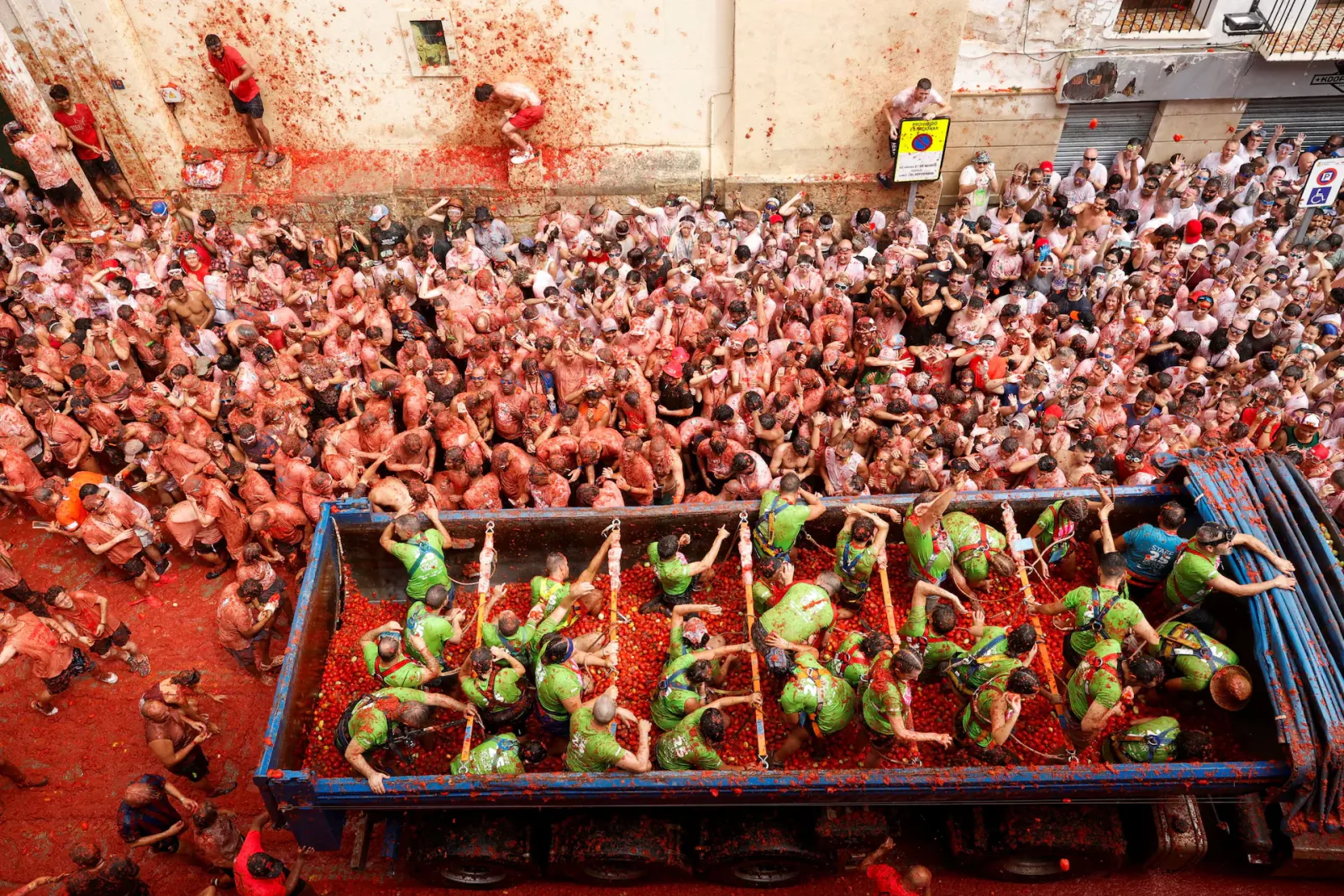
On the OJ Spain trip, the August one timed around La Tomatina, we build the food in deliberately. Not a tourist paella restaurant, but the 2pm lunch where the rice arrives with the socarrat intact, the late tapas crawl through Madrid's La Latina, the moment you stop checking the time and let Spain set the clock. Because the food is not separate from the trip. In Spain, the food is the trip.
Frequently asked
Is Spanish food good for Indian vegetarians?
It is harder than Italy but not impossible. Tortilla espanola, patatas bravas, pimientos de Padron, padron peppers, gazpacho, and many tapas are vegetarian. The challenge is that ham is in everything, so always confirm. Madrid and Barcelona have the most vegetarian-friendly options. Smaller towns are tougher.
What time do restaurants open for dinner in Spain?
Kitchens for dinner typically open at 8:30 to 9pm and stay busy until midnight. Arriving before 9pm means an empty restaurant. This is the single most important thing to know about eating in Spain.
Why do Spaniards eat so late?
A mix of history and geography. Spain is on Central European Time despite being geographically aligned with the UK, so the sun sets an hour later by the clock. Combined with the traditional long lunch and afternoon break, the whole day shifts later. Dinner at 10pm is normal, not unusual.