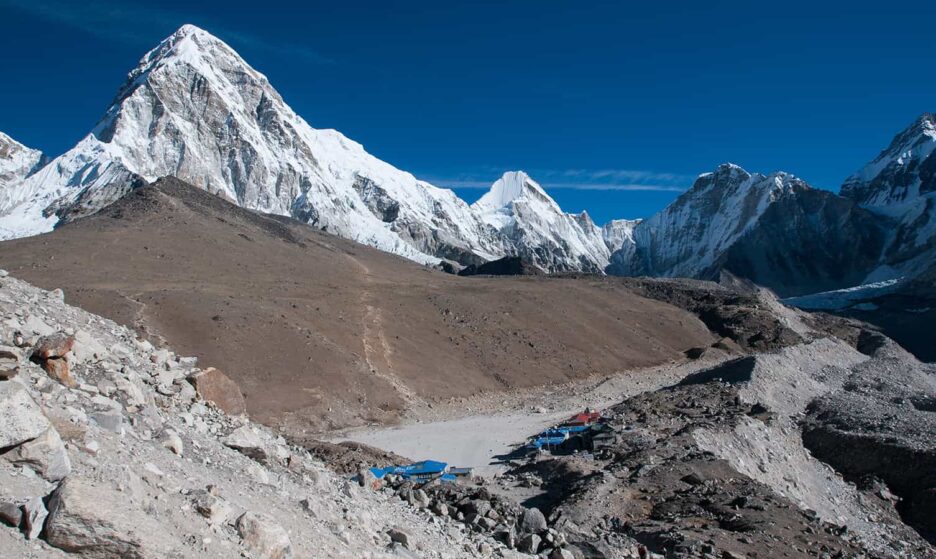
There is a myth that the world's great treks are only for hardened mountaineers. They are not. Some of the most extraordinary walks on earth, to the base of the highest peaks, through the wildest mountains, are genuinely achievable for a reasonably fit beginner who prepares properly. You do not need technical skills or ropes; you need decent fitness, the right support, and the willingness to walk a little every day. Here are the best first big treks, and what makes each one beginner-friendly.
Annapurna Base Camp, for the classic first Himalayan trek
The Annapurna Base Camp trek in Nepal is one of the best first major treks in the world. It walks you into the heart of a ring of giant Himalayan peaks, ending in a natural amphitheatre surrounded by mountains, and yet it is forgiving: the trails are well established, the tea houses provide warm beds and hot dal bhat each night so you carry only a daypack, and the altitude, while real, is more manageable than the highest treks. It delivers a genuinely epic Himalayan experience without demanding mountaineering experience.
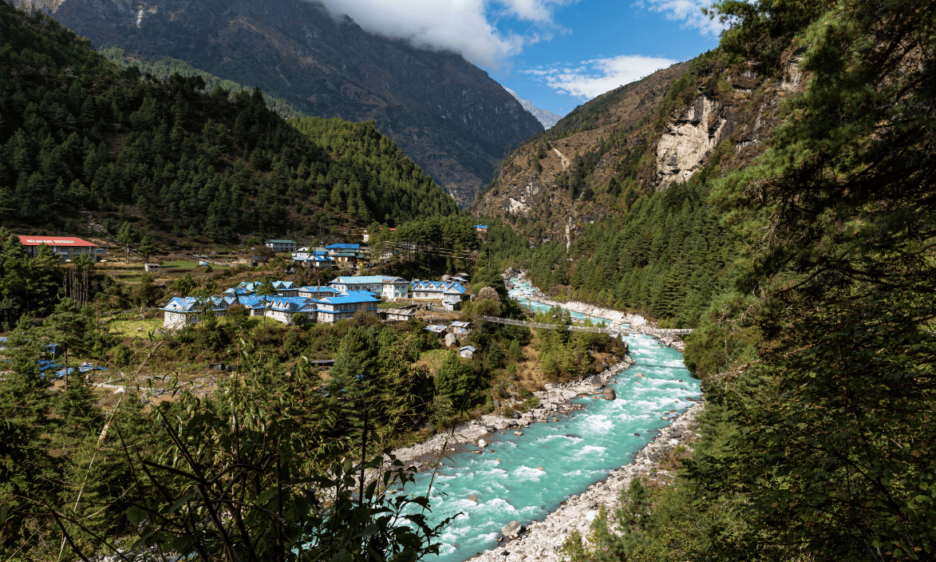
Everest Base Camp, for the bucket-list dream
The Everest Base Camp trek is more demanding, mainly because of the altitude, but it remains a trek, not a climb, and thousands of ordinary, determined people complete it every year. There is no technical climbing; the challenge is walking day after day in thinning air, which proper acclimatisation and a sensible pace handle. The reward is standing at the foot of the highest mountain on earth, a genuine life-list achievement that is far more attainable than most people assume.
The great Himalayan treks are walks, not climbs. The barrier is not skill or ropes; it is simply being willing to walk, slowly, day after day, into thinner air.
On the beginner's mountain
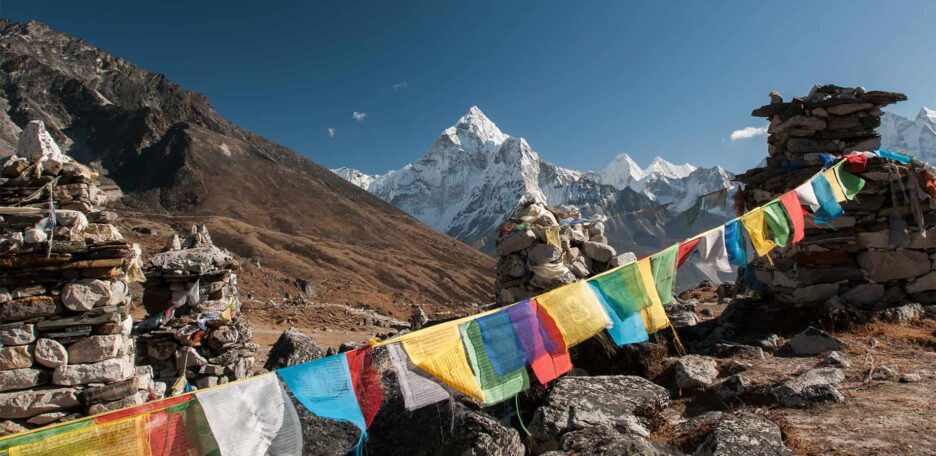
Kashmir Great Lakes and Spiti, for closer-to-home beauty
You do not have to leave India for a world-class first trek. The Kashmir Great Lakes trek is one of the most beautiful walks anywhere, a string of alpine lakes and flower meadows beneath snow peaks, demanding but achievable for the prepared beginner. And the high desert of Spiti offers shorter, spectacular high-altitude walks among ancient monasteries. Both give you Himalayan grandeur a short journey from home, ideal for a first taste of high-mountain trekking.
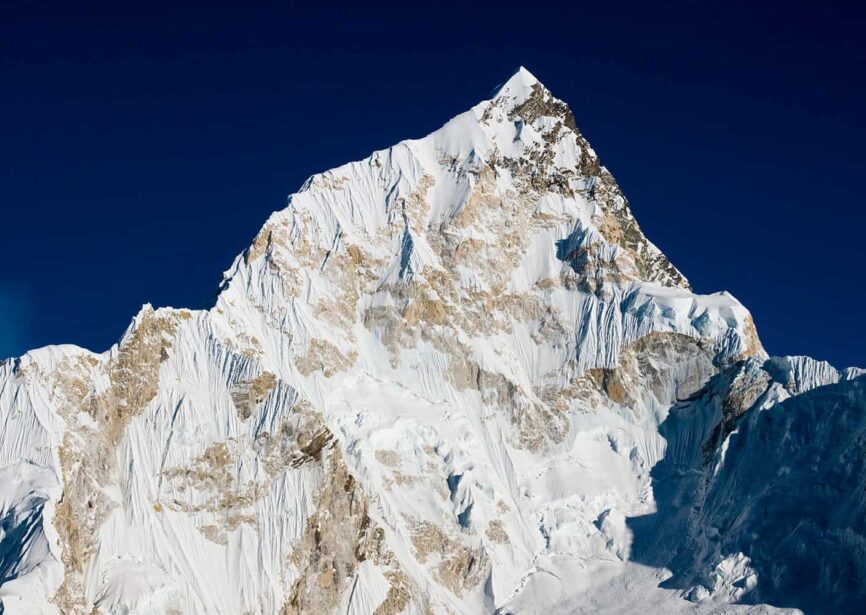
How to choose and prepare
- Match the trek to your fitness honestly. Annapurna and Kashmir Great Lakes are gentler first steps; Everest Base Camp is a bigger altitude challenge.
- Train before you go. Months of regular walking, stairs, and cardio make the difference between suffering and savouring the trek.
- Respect the altitude. The biggest risk on high treks is going too high too fast. A route with proper acclimatisation days is essential.
- Go supported. Tea-house treks mean you carry only a daypack, sleep warm, and eat well, which makes big treks far more achievable.
- Time it right. The post-monsoon autumn and the spring are the prime, clearest seasons for the Himalayan treks.
The verdict
The best beginner trek is the one matched to your fitness and your dream. For most first-timers, Annapurna Base Camp is the ideal entry to the great Himalayan treks: epic, well-supported, and genuinely achievable. If standing beneath Everest is the dream, that too is within reach with training and patience. And if you want world-class mountains close to home, Kashmir and Spiti deliver. The common thread is simple: these are walks, and walks can be trained for. The mountains are far more accessible than the myth suggests.
You will never regret training for six months to stand somewhere most people only ever see in photographs. The great treks reward preparation, not talent.
On the OJ Annapurna Base Camp trek we take first-time trekkers into the heart of the Himalaya the right way, well-supported, sensibly paced, and genuinely achievable. Because the dream of walking into the high mountains is not reserved for athletes or mountaineers; it belongs to anyone willing to train a little and walk a lot, and there is no better feeling than reaching a place you were sure was beyond you.
Frequently asked
What is the best trek for a complete beginner?
Annapurna Base Camp in Nepal is one of the best first major treks: it reaches the heart of the high Himalaya yet is well supported with tea houses, has established trails, and has more manageable altitude than the highest treks. The Kashmir Great Lakes trek in India is another superb, beautiful first option closer to home.
Do you need experience to trek to Everest Base Camp?
No technical climbing experience is needed. Everest Base Camp is a trek, not a climb, and thousands of ordinary people complete it each year. The main challenge is altitude, not skill, so you need reasonable fitness, proper training beforehand, a sensible pace, and good acclimatisation days built into the route. It is far more achievable than most assume.
How should I prepare for my first big trek?
Train for months with regular walking, stair climbing, and cardio to build endurance. Choose a route with proper acclimatisation days to manage altitude safely. Go on a supported tea-house trek so you carry only a daypack and sleep and eat well. And time your trek for the prime clear seasons, typically post-monsoon autumn or spring in the Himalaya.