There is a phrase you will hear on every trail in Nepal, usually from a porter carrying three times your load up a hill that is breaking you: dal bhat power, twenty-four hour. It is a joke and it is completely true. Nepal runs on a plate of rice and lentils eaten twice a day, and once you understand why, you understand the country.
Dal bhat is not a meal, it is the engine
Dal bhat is rice, bhat, with lentil soup, dal, plus a vegetable curry, tarkari, a pickle, achar, and sometimes greens or a little meat. It sounds simple because it is. But the genius is in two details. First, it is nutritionally complete, rice and lentils together making a full protein, which is exactly what a body climbing mountains needs. Second, and this is the part visitors love, the refill is free. The cook keeps coming round with more rice, more dal, more vegetable, until you wave them off.
Nepalis eat it twice a day, every day, and do not tire of it, because the achar and the tarkari change and because it works. On a trek it is almost always the smartest order on the menu: freshly cooked, endlessly refilled, and the dish the kitchen makes best because they make it for themselves.
Dal bhat is the only dish on the trekking menu the cook is also eating. That is the whole review you need.
The trail rule
Momos are the national love affair
If dal bhat is the fuel, momos are the joy. The Tibetan-descended dumpling has become Nepal's true obsession, sold from steamers on every street corner in Kathmandu, stuffed with buffalo, chicken, or vegetables, served with a fiery tomato-and-sesame dipping sauce called achar. Steamed, fried, or simmered in soup as jhol momo, they are the snack, the comfort food, and the thing every Nepali abroad misses first. Get them where the steamer is busiest and the turnover is fastest.
The cuisine most trekkers never taste
Here is the secret. The food most visitors eat in Nepal, the tea-house dal bhat and the tourist-strip pizza, is not the deep cuisine. The real culinary tradition belongs to the Newars, the indigenous people of the Kathmandu valley, and it is one of the great unsung food cultures of Asia.
Newari food is a feast of intensity: bara, a savoury lentil pancake, choila, spiced grilled buffalo, samay baji, a ceremonial platter of beaten rice, black soybeans, ginger, egg, and meat, and yomari, a sweet steamed dumpling of rice flour filled with molasses, made at festival time. It is eaten with rice beer and millet spirit and it is the food of a civilisation that built the temples you came to photograph. Most visitors walk straight past it. Do not.
What changes as you climb
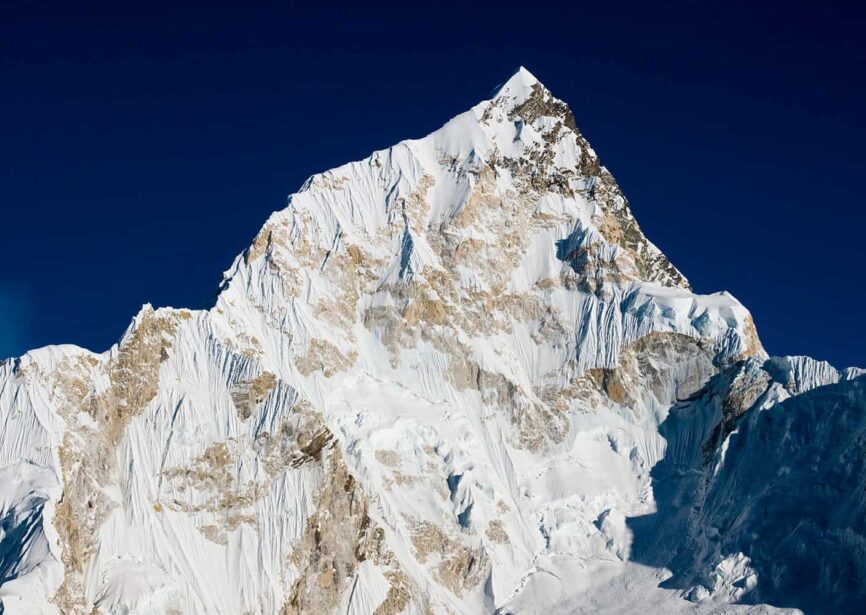
- The menu narrows with altitude. Higher up, ingredients are carried in by porter or yak, so the dal bhat stays but the variety thins and the price climbs honestly with the effort to get it there.
- Thukpa and tsampa appear. As you near Tibetan-influenced high country, a hot noodle soup called thukpa and roasted barley flour called tsampa show up, warming, simple, mountain food.
- Go vegetarian as you go higher. Meat is harder to keep fresh at altitude. Experienced trekkers often eat vegetarian above a certain point for safety, and dal bhat makes that easy.
- Tongba is the highland warmer. Fermented millet in a wooden pot, topped with hot water, sipped through a straw. The drink of the high villages.
The vegetarian reality
Nepal is one of the easiest countries on earth for a vegetarian, and for the same reason as much of India: a deep Hindu majority and a food culture where the default plate is already vegetarian. Dal bhat is vegetarian unless you add meat. Vegetable momos are everywhere. Newari cuisine has plenty of meatless dishes among the famous meaty ones. You will eat well, eat cheap, and on a trek you will often eat better as a vegetarian than the people who insisted on the chicken at four thousand metres.
The mountains do not care what you paid for your boots. They care whether you ate your dal bhat. Eat the dal bhat.
On the OJ Everest Base Camp trek the food is not a footnote, it is part of the climb, the dal bhat that refills until you are full, the momos in Kathmandu before you start, the thukpa that warms you at altitude. And if we have a day in the valley, the Newari table that most trekkers fly home without ever finding. That meal alone is worth coming down for.
Frequently asked
Is Nepali food good for vegetarians?
Among the best in the world for it. Nepal's Hindu majority means the default plate, dal bhat, is vegetarian unless you add meat. Vegetable momos are everywhere, and even Newari cuisine has many meatless dishes. On treks, vegetarian eating is also safer at altitude, where keeping meat fresh is harder.
What is dal bhat?
Dal bhat is Nepal's staple: rice with lentil soup, a vegetable curry, and pickle, eaten twice a day. It is nutritionally complete, freshly cooked, and on most trekking menus the refill is free. It is almost always the smartest, freshest order on a tea-house menu because the cooks eat it themselves.
What is Newari food?
Newari cuisine is the deep food tradition of the Kathmandu valley's indigenous Newar people, and one of Asia's underrated cuisines. Dishes like bara, choila, samay baji, and yomari are intense, ceremonial, and largely missed by trekkers who eat only tea-house dal bhat and tourist-strip food. Seek it out in Kathmandu or Patan.