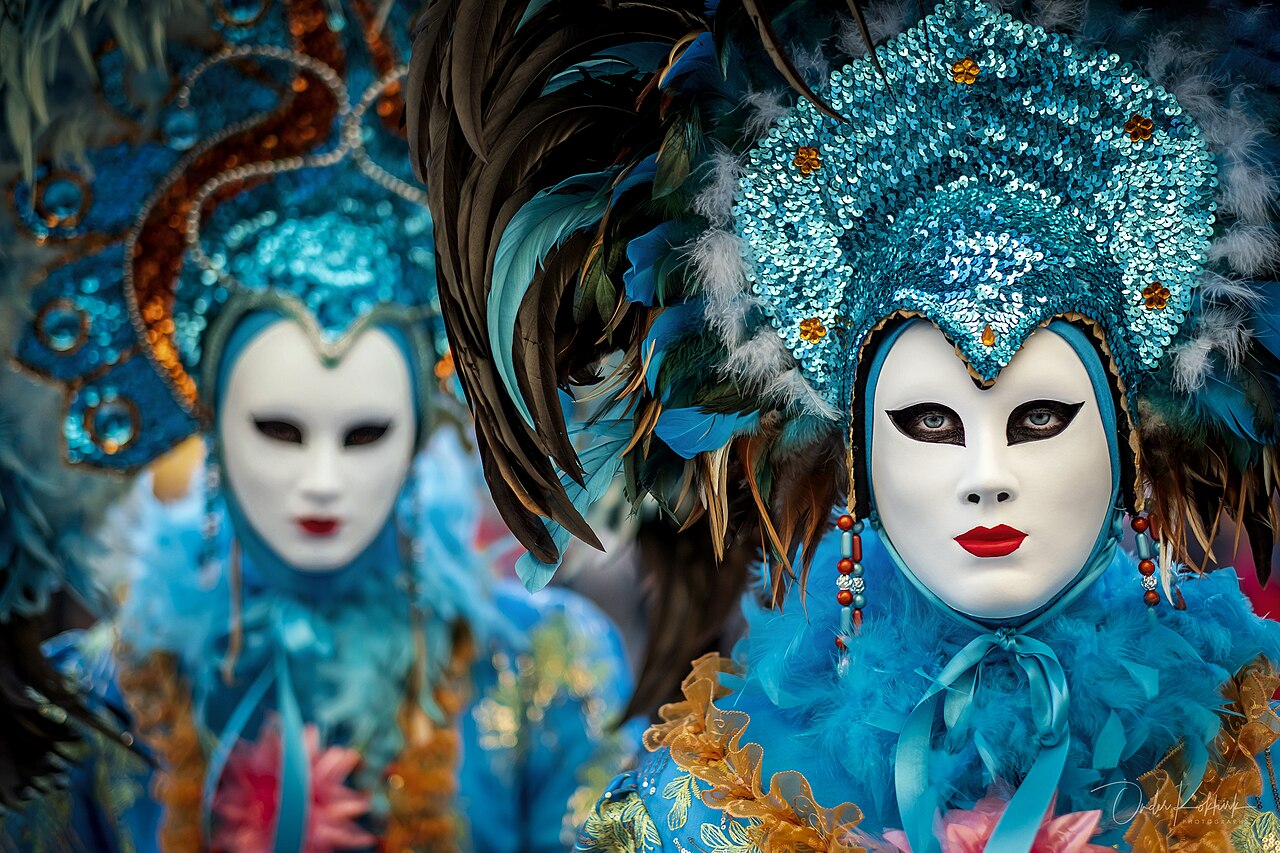
Of all the carnivals in the world, Venice's is the most elegant, the most mysterious, and the most beautiful. For about two weeks before Lent, the floating city becomes a living Baroque painting, its alleys and squares filled with figures in elaborate masks and sumptuous eighteenth-century costumes, drifting through the mist like ghosts of a vanished age. The Carnival of Venice is less a party than a dream, a city that, for a fortnight each winter, disappears entirely behind its masks.
Masks, anonymity, and a world turned upside down
The Venetian mask is the soul of the carnival, and its origins are fascinating. In the height of the Venetian Republic, the carnival was a time when the rigid social order dissolved: behind a mask, noble and commoner were indistinguishable, and Venetians of every rank could mingle, gamble, flirt, and misbehave in glorious anonymity. The mask was freedom, a temporary escape from identity and the rules that came with it.
Distinct mask types emerged, each with its own history: the stark white bauta, which covered the whole face and even disguised the voice; the delicate Colombina, a decorated half-mask; and the eerie, long-beaked medico della peste, the plague doctor, whose beak once held herbs against disease and is now one of the carnival's most haunting images. After the fall of the Republic the carnival faded, was banned for long stretches, and was finally revived in the late twentieth century, restoring Venice's most magical tradition.
For a fortnight, Venice hands everyone the same gift the old Republic did: a mask, and with it, the freedom to be no one and anyone at once.
On the Venetian mask
What the carnival looks like
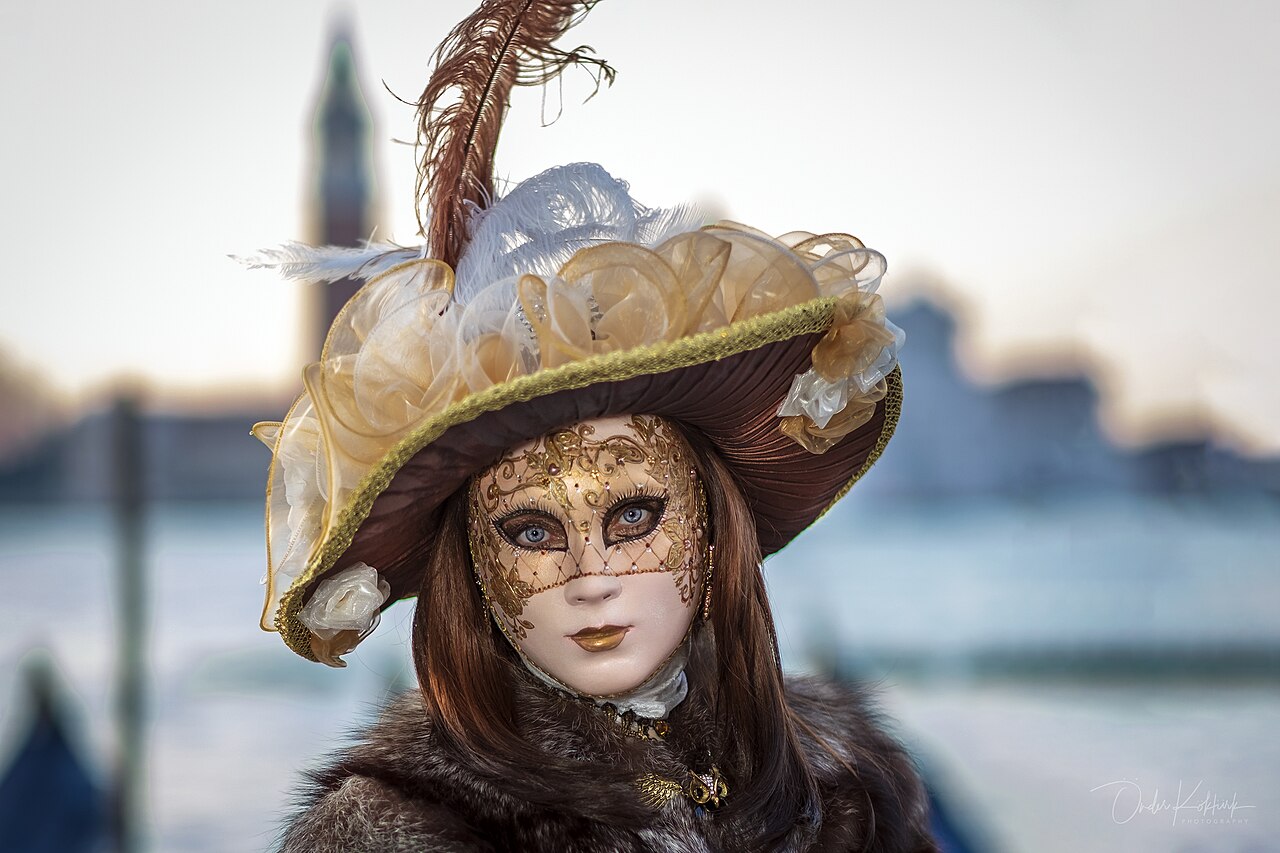
Carnival transforms the city. St Mark's Square becomes the grand stage, where the most spectacularly costumed figures gather to be admired and photographed, posing in silence in their brocade, lace, and feathers like figures stepped out of a Canaletto painting. The festivities often open with the Volo dell'Angelo, the Flight of the Angel, when a costumed figure descends on a wire from the great bell tower to the square below before the assembled crowds.
Throughout the fortnight there are costume contests, street performances, and, most exclusively, lavish masked balls held in Venice's historic palaces, opulent, expensive, candlelit affairs that recreate the decadence of the eighteenth century. But you do not need a ball ticket to feel the magic; simply wandering the misty alleys and bridges, encountering masked figures around every corner, is enough to make Venice feel like a beautiful, slightly unsettling dream.
How to experience it well
- It runs for about two weeks before Lent, in February, ending on Shrove Tuesday. Venice is cold and often misty then, which only adds to the atmosphere.
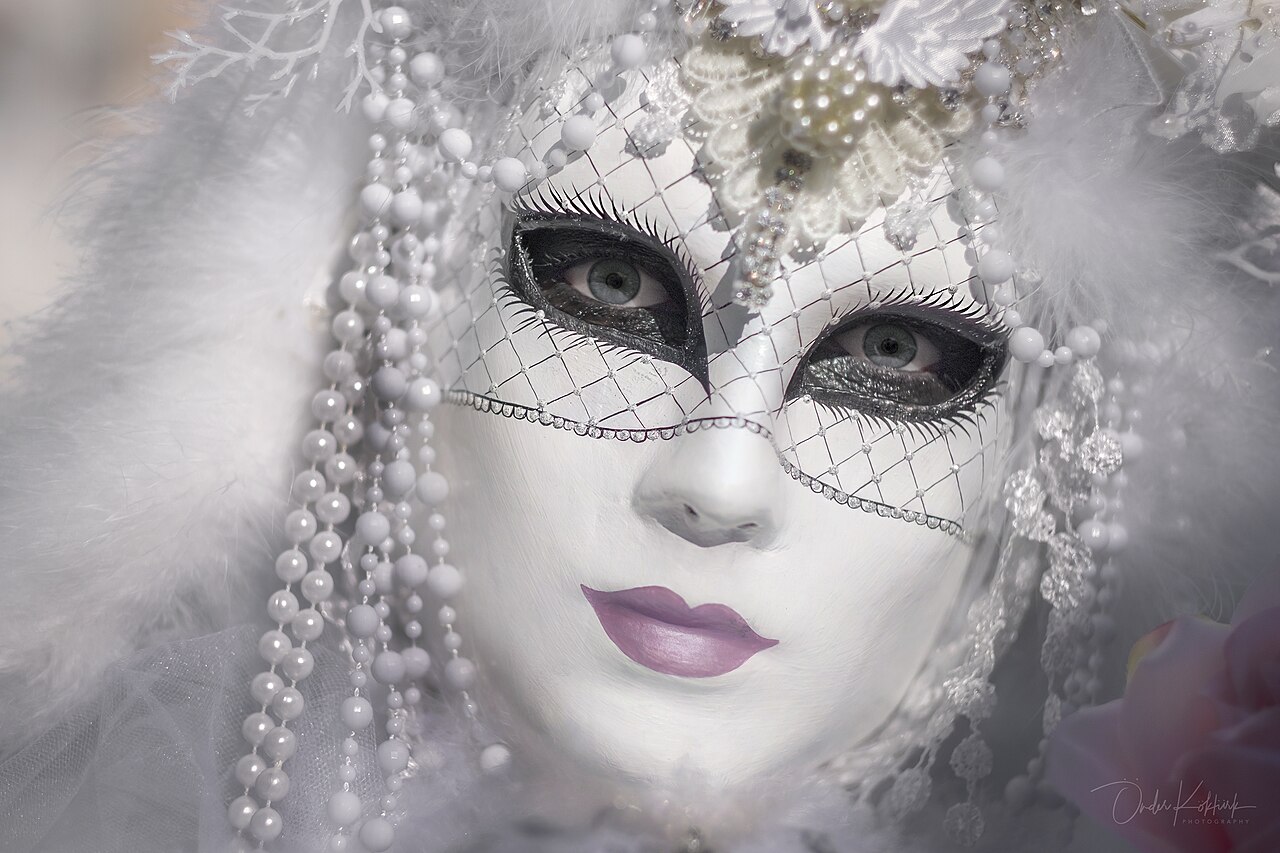
- Wear a mask, or a full costume. Even a simple Venetian mask, bought from one of the city's artisan workshops, lets you join in rather than just watch.
- St Mark's Square is the heart, where the finest costumes gather. Go early to see them in the soft morning light, before the biggest crowds.
- The grand balls are spectacular but pricey and exclusive. Research and book far ahead if a masked ball is your dream.
- Embrace the alleys. Some of the most magical moments are simply turning a corner in the quiet backstreets and meeting a masked figure in the mist.
A dream you can step into
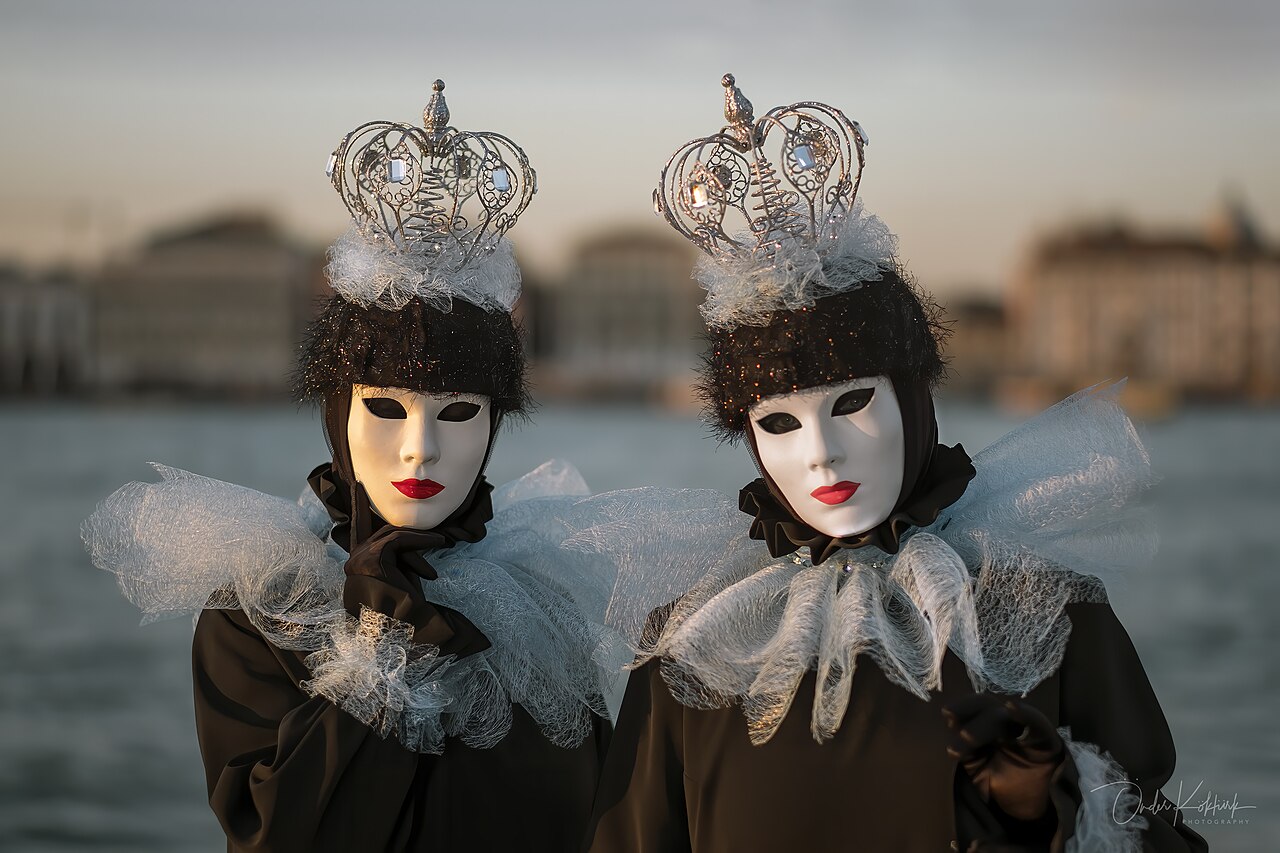
What sets the Carnival of Venice apart is its strange, elegant beauty. There is no riot of samba or tomatoes here, no water fights, just the slow, dreamlike spectacle of a city in disguise, of masks and candlelight and centuries-old costumes drifting over the bridges. It is romantic, mysterious, and faintly melancholy, the most beautiful city in the world made even more so for a fortnight. To walk through it is to step inside a painting, and to understand why, for centuries, Venetians have loved to disappear behind a mask.
Other carnivals are about being seen. Venice's is about vanishing, into a mask, into the mist, into the most beautiful dream a city ever staged.
We do not run a dedicated Venice trip, and we will say so honestly. But the love of Europe at its most atmospheric and beautiful, its old cities, its festivals, its layered history, runs through everything we do on the continent. The OJ Spain trip catches Europe in that same spirit of food, culture, and celebration. Because whether it is a masked figure in the Venetian mist or a Spanish city alive after midnight, the magic of Europe is the same: centuries of culture, lived out beautifully in the streets, waiting for you to step in.
Frequently asked
When is the Carnival of Venice held?
The Carnival of Venice runs for about two weeks leading up to Lent, ending on Shrove Tuesday, which falls in February. Venice is cold and often misty in this period, which adds to the carnival's dreamlike atmosphere. The exact dates shift each year with the Christian calendar, so confirm before planning.
Why are masks so important to the Venice Carnival?
Masks are the soul of the Venetian carnival. In the days of the Venetian Republic they granted anonymity, dissolving the rigid social order so noble and commoner could mingle freely. Distinct types emerged, like the full-face bauta, the half-mask Colombina, and the long-beaked plague doctor. Today wearing a mask is how you join the magic rather than just watch it.
Do you need a costume for the Carnival of Venice?
You do not need one, but it greatly enhances the experience. Even a simple Venetian mask from one of the city's artisan workshops lets you participate. The most spectacularly costumed figures gather in St Mark's Square to be admired and photographed. Lavish masked balls in historic palaces are the exclusive, pricey highlight for those who book ahead.