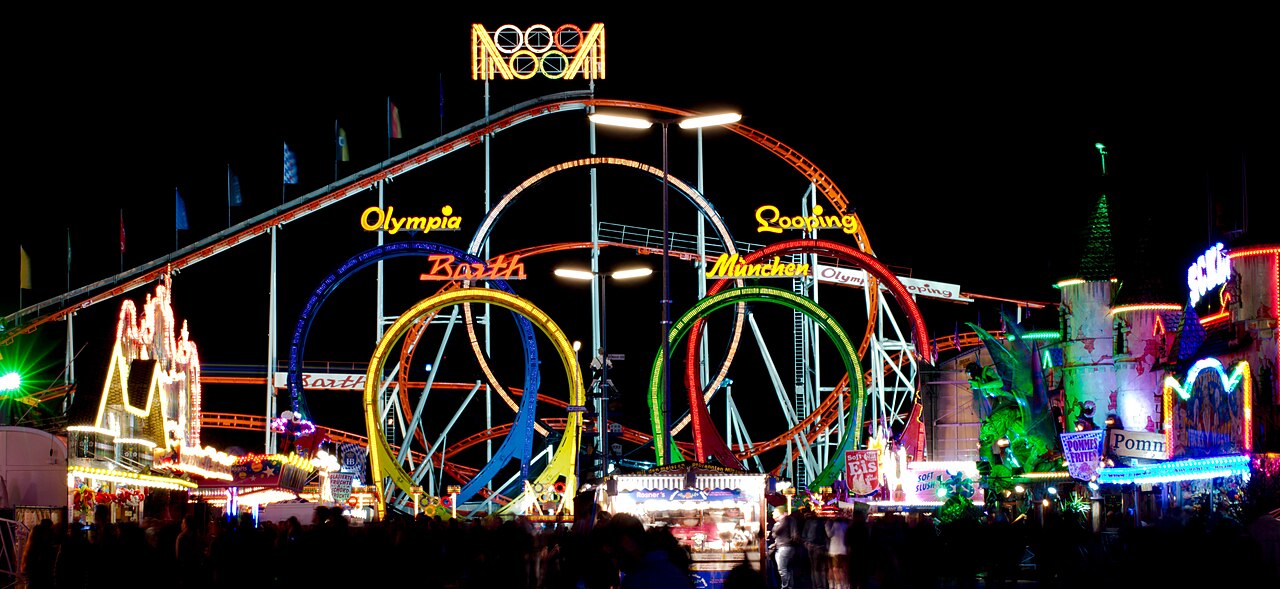
Every autumn, around six million people descend on a field in Munich for the largest folk festival on the planet. Oktoberfest is, yes, about beer, served in one-litre glass steins by staff who carry a dozen at a time, but reducing it to a drinking session misses what it actually is: a two-hundred-year-old Bavarian tradition with brass bands, traditional dress, funfair rides, roast chicken, and an atmosphere of communal warmth that has to be felt to be understood.
It started with a royal wedding
Oktoberfest began in 1810 as the celebration of the marriage of the Bavarian Crown Prince Ludwig, when the citizens of Munich were invited to festivities on the fields outside the city gates. The party was such a success it was repeated the next year, and the next, growing over two centuries into the global phenomenon it is now. The grounds are still called the Theresienwiese, Therese's Meadow, after the princess whose wedding started it all, shortened by locals to the Wiesn, which is what Munich actually calls the festival.
Despite the name, it mostly runs in September, ending in the first days of October, timed so the weather is still kind. The opening is a ceremony in itself: the Mayor of Munich taps the first keg and cries O'zapft is!, it's tapped, and only then does the beer begin to flow.
Oktoberfest is not a beer festival that grew big. It is a royal wedding party that never stopped, for over two hundred years.
On the Wiesn
The tents are the whole experience
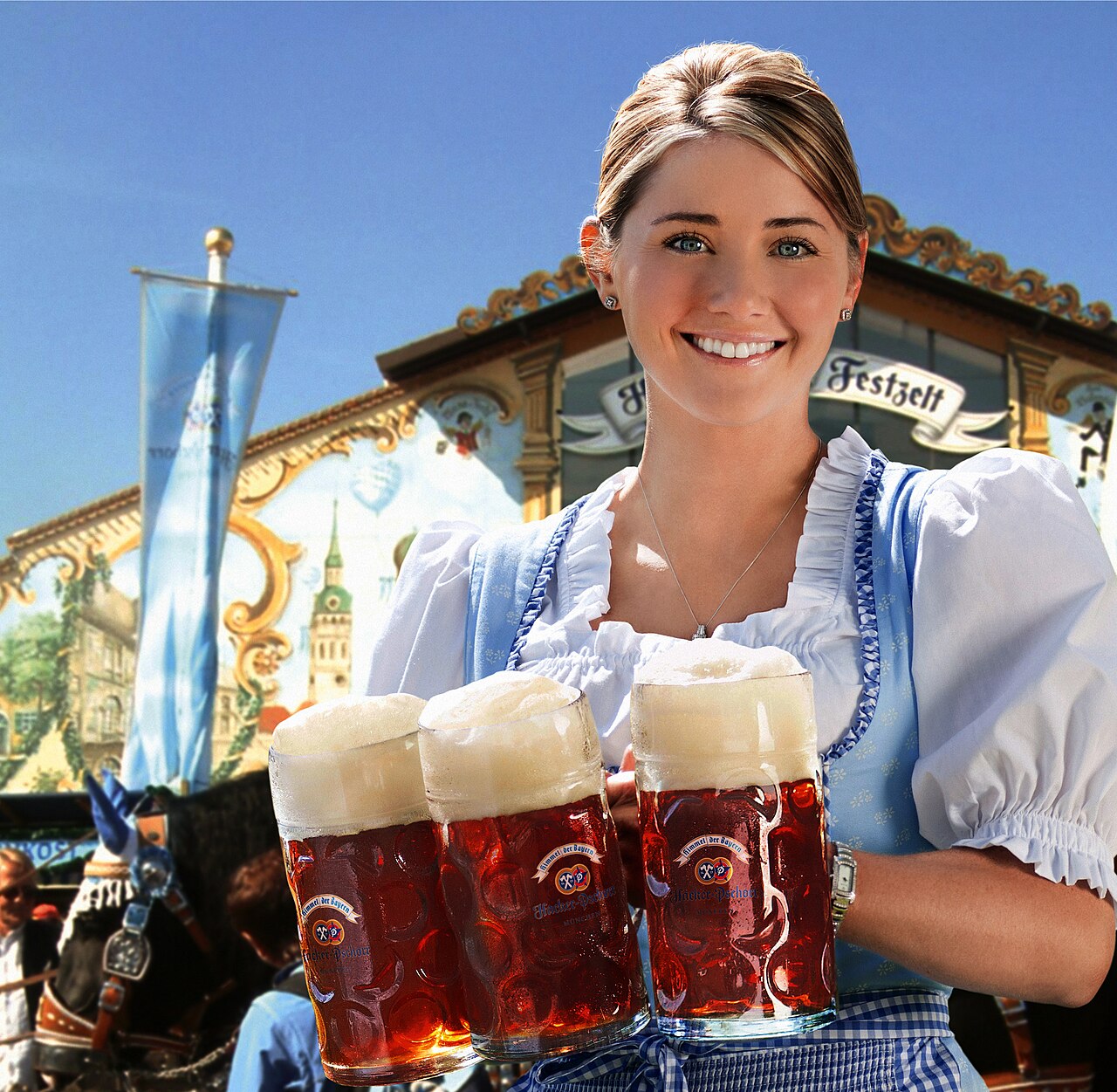
The heart of Oktoberfest is the beer tents, though tent undersells them: these are vast temporary halls seating thousands each, run by Munich's historic breweries. By Bavarian tradition and the centuries-old beer purity law, only beer brewed within Munich by a handful of long-established breweries may be served, and it comes in the one-litre Mass, the iconic dimpled glass stein. The beer is strong, around six percent, and goes down dangerously easily amid the music and the mood.
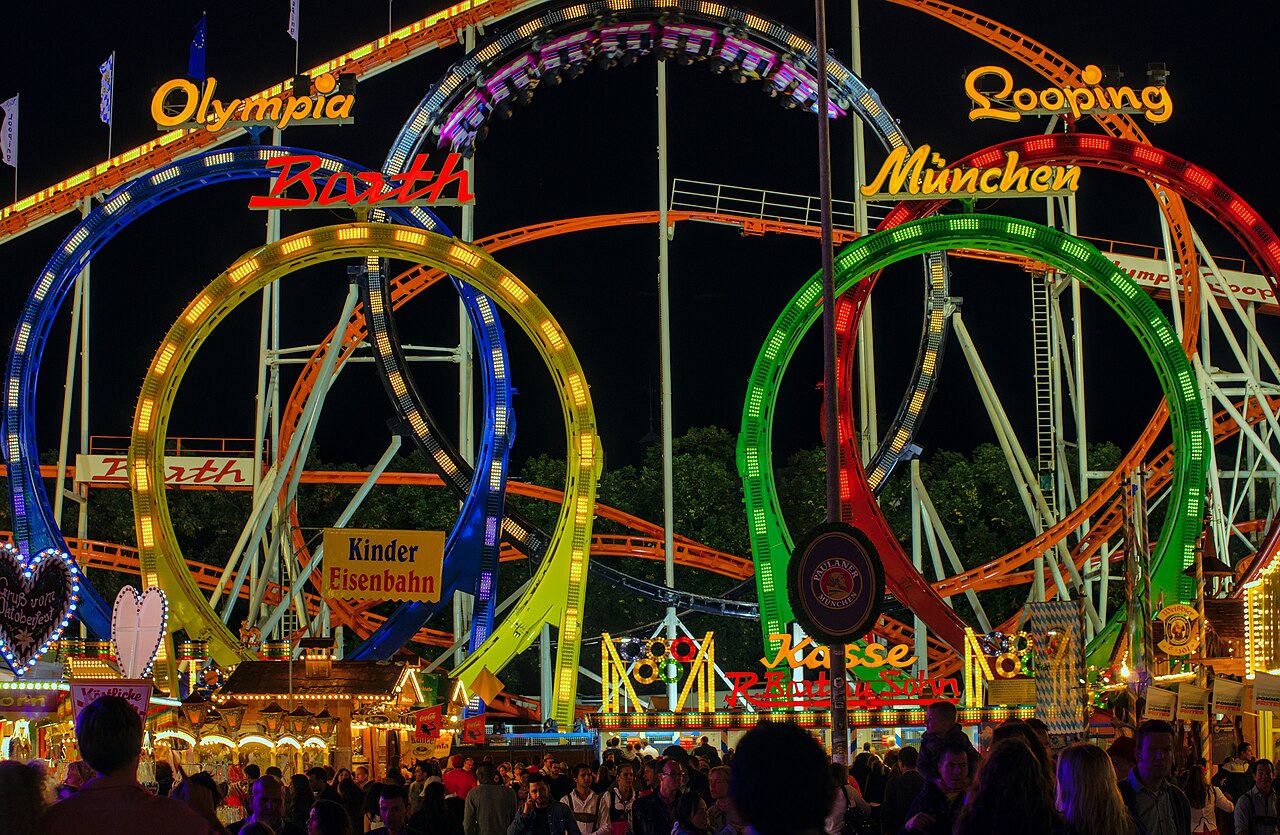
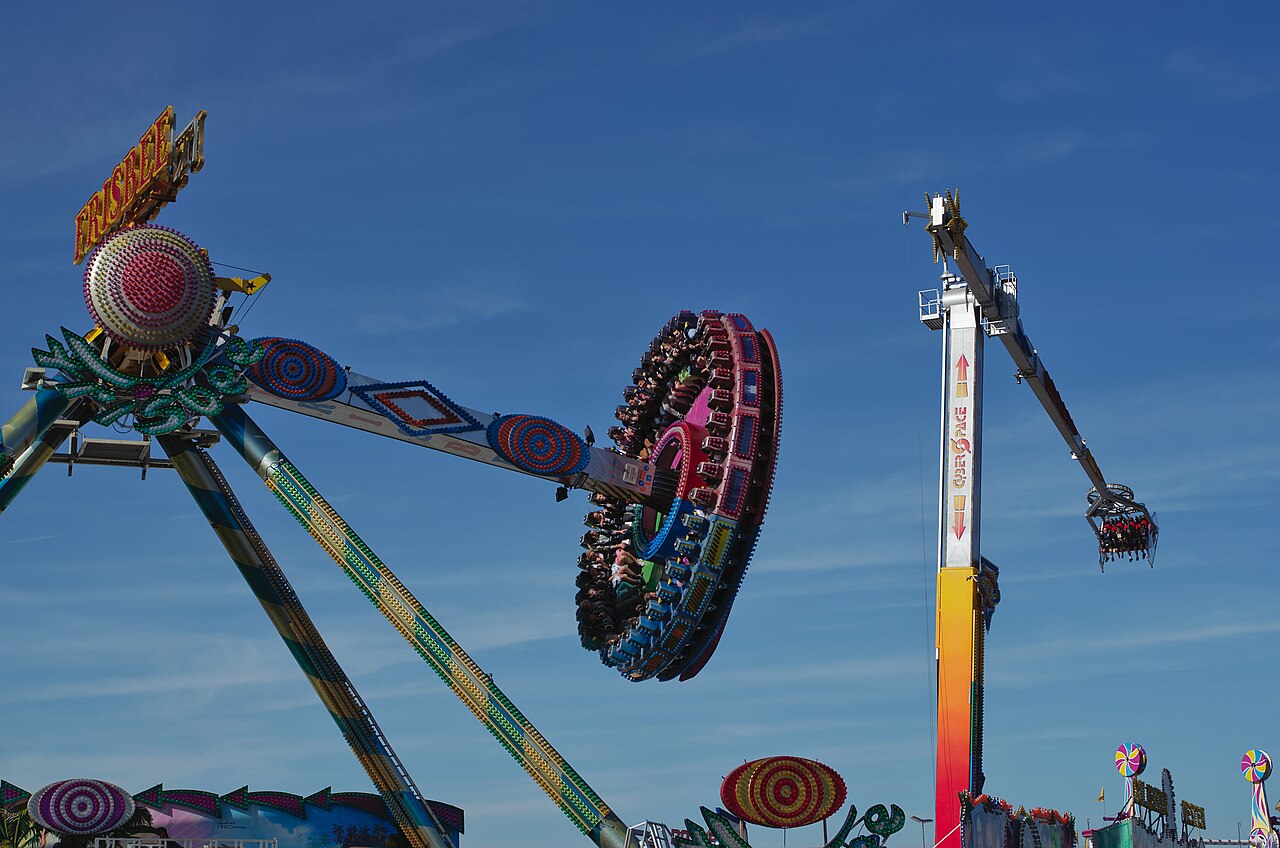
Inside, brass oompah bands play, the crowd sways and sings, strangers clink steins and shout Prost!, and the long communal tables mean you make friends whether you planned to or not. Tables in the popular tents, especially in the evenings and at weekends, need to be reserved well in advance, and an unreserved visitor should arrive early, especially on weekdays, to find a spot. Beyond the tents lies a full funfair of rides, games, and stalls, so even non-drinkers find plenty to love.
Dress the part, eat well, pace yourself
Half the fun is the tracht, the traditional Bavarian dress that most attendees, locals and tourists alike, now wear: lederhosen, leather shorts with braces, for men, and the dirndl, a fitted dress with blouse and apron, for women. You can buy or rent an outfit in Munich, and wearing one is welcomed, not mocked, it is part of joining in. And eat as you drink: the food is hearty and excellent, roast chicken, pork knuckle, giant soft pretzels, sausages, and it is the only thing standing between you and the strength of that litre stein.
- Reserve a tent table in advance for evenings and weekends, or arrive early on a weekday for an unreserved spot.
- Wear the tracht. Lederhosen or a dirndl, bought or rented in Munich. It is part of the fun, not a costume gimmick.
- Respect the strength of the beer. A litre at six percent adds up fast. Eat, hydrate, and pace yourself.
- Carry cash. Tents often prefer it, and tip the hard-working servers who haul a dozen steins at once.
- Explore beyond the beer. The funfair, the food, the parades, and the atmosphere make it a great day even sober.
Why it belongs on a European trip
Oktoberfest is a genuine bucket-list experience, the sheer scale, the music, the warmth of thousands of strangers singing together, but like La Tomatina it is one event in one city, best enjoyed as part of a wider journey rather than a destination on its own. Munich in autumn is a beautiful base, and the festival pairs naturally with a broader swing through Europe, where the continent's late-summer and early-autumn light, food, and cities are at their most inviting.
The beer is the excuse. The thing that actually stays with you is ten thousand strangers in one tent, arms linked, singing a song you do not know and loving every second.
We do not run a dedicated Oktoberfest trip, and we will be honest about that. But if Europe at its most festive is calling, the OJ Spain trip catches the continent in the same golden late-summer window, with its own riotous centrepiece in La Tomatina. Because whether it is a tomato fight or a beer tent, the magic of a European festival is the same: thousands of strangers deciding, together, to be joyful, and pulling you happily into it.
Frequently asked
When is Oktoberfest actually held?
Despite the name, Oktoberfest runs mostly in September, beginning in mid to late September and ending in the first days of October, timed for milder weather. It lasts around sixteen to eighteen days on the Theresienwiese grounds in Munich, which locals call the Wiesn. The festival opens when the Mayor taps the first keg.
What do you wear to Oktoberfest?
Most attendees wear traditional Bavarian tracht: lederhosen, leather shorts with braces, for men, and the dirndl, a fitted dress with blouse and apron, for women. You can buy or rent outfits in Munich, and wearing one is genuinely welcomed as part of joining in, not seen as a tourist costume.
Do you need to reserve a table at Oktoberfest?
For evenings and weekends in the popular tents, yes, reservations are effectively essential and should be made well in advance. On weekday mornings and afternoons you can often find unreserved seating if you arrive early. Only beer brewed by Munich's historic breweries is served, in one-litre steins, and the tents are vast halls seating thousands.