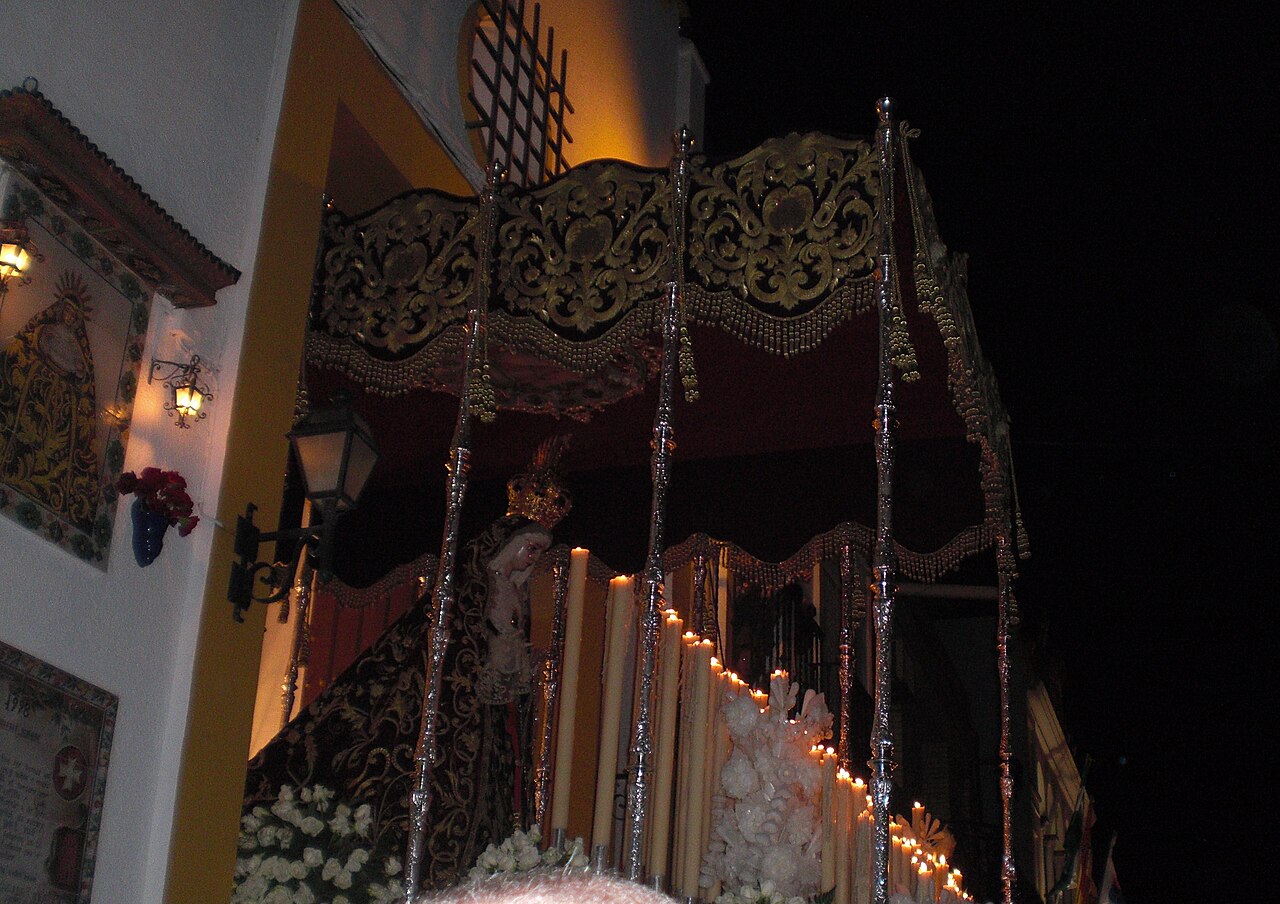
Once a year, in the week before Easter, Spain sets aside its famous exuberance for something far more solemn and, in its own way, even more spectacular. Semana Santa, Holy Week, fills the streets of Spanish cities with candlelit processions, towering religious floats, mournful music, and thousands of robed, hooded penitents, in a display of faith and theatrical intensity that is centuries old. Nowhere does it more powerfully than Seville, and witnessing it is to see a side of Spain that the beaches and the tapas bars never show.
Faith carried through the streets
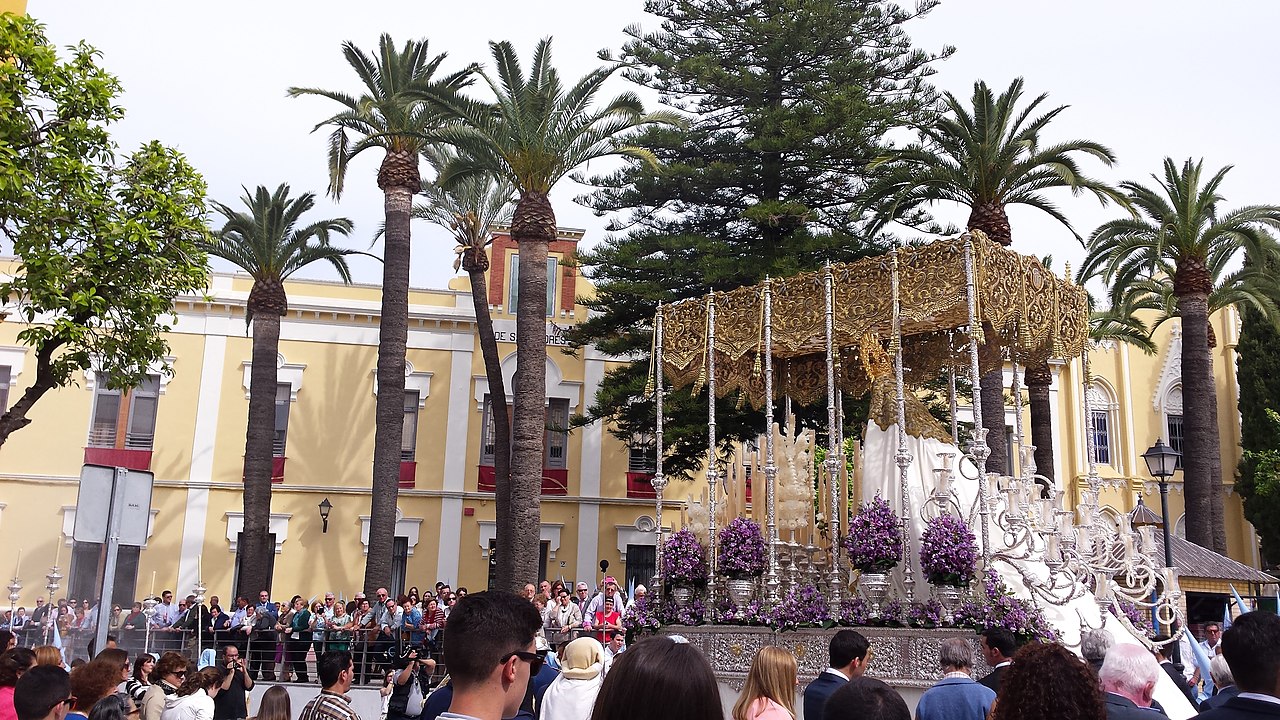
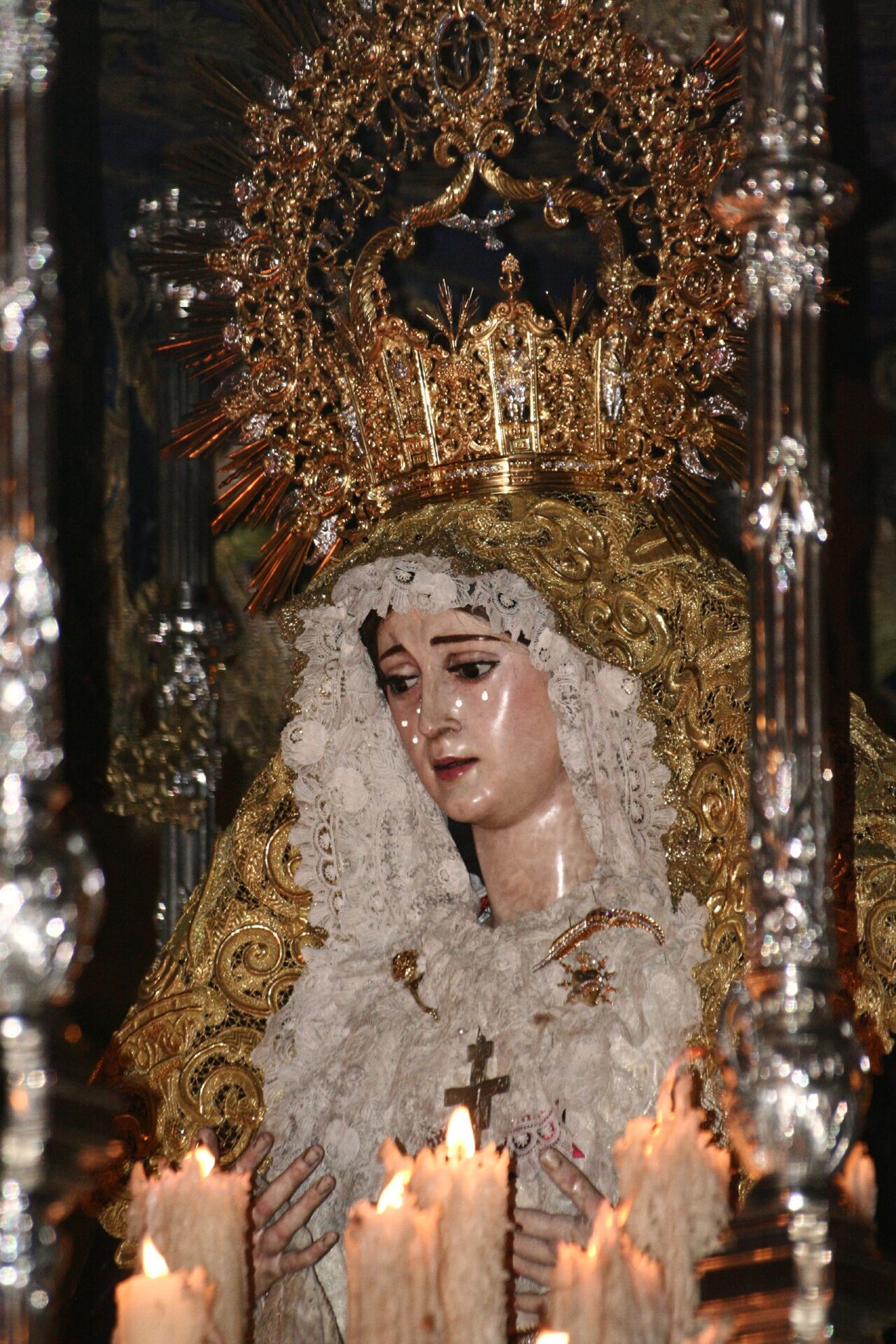
Semana Santa is organised by religious brotherhoods, the hermandades or cofradías, each centuries old and rooted in a particular church and neighbourhood. During Holy Week, each brotherhood processes from its church through the city and back, carrying enormous, ornate pasos, floats bearing lifelike sculptures of Christ in his Passion and of the grieving Virgin Mary, often masterpieces of Spanish religious art, draped in flowers, silver, and candlelight.
These floats are astonishingly heavy, and they are carried not on wheels but on the necks and shoulders of teams of bearers, the costaleros, hidden beneath, who move the paso in a slow, swaying, rhythmic walk that can look almost as if the float is breathing. The procession inches through the streets for hours, accompanied by brass bands playing solemn marches, the air thick with incense and candle smoke. It is overwhelming, hypnotic, and deeply moving, even for the non-religious.
The float seems to breathe because forty hidden bearers are carrying it on their necks, swaying as one. Semana Santa is faith made physical, and heavy.
On the pasos
The penitents and the hoods
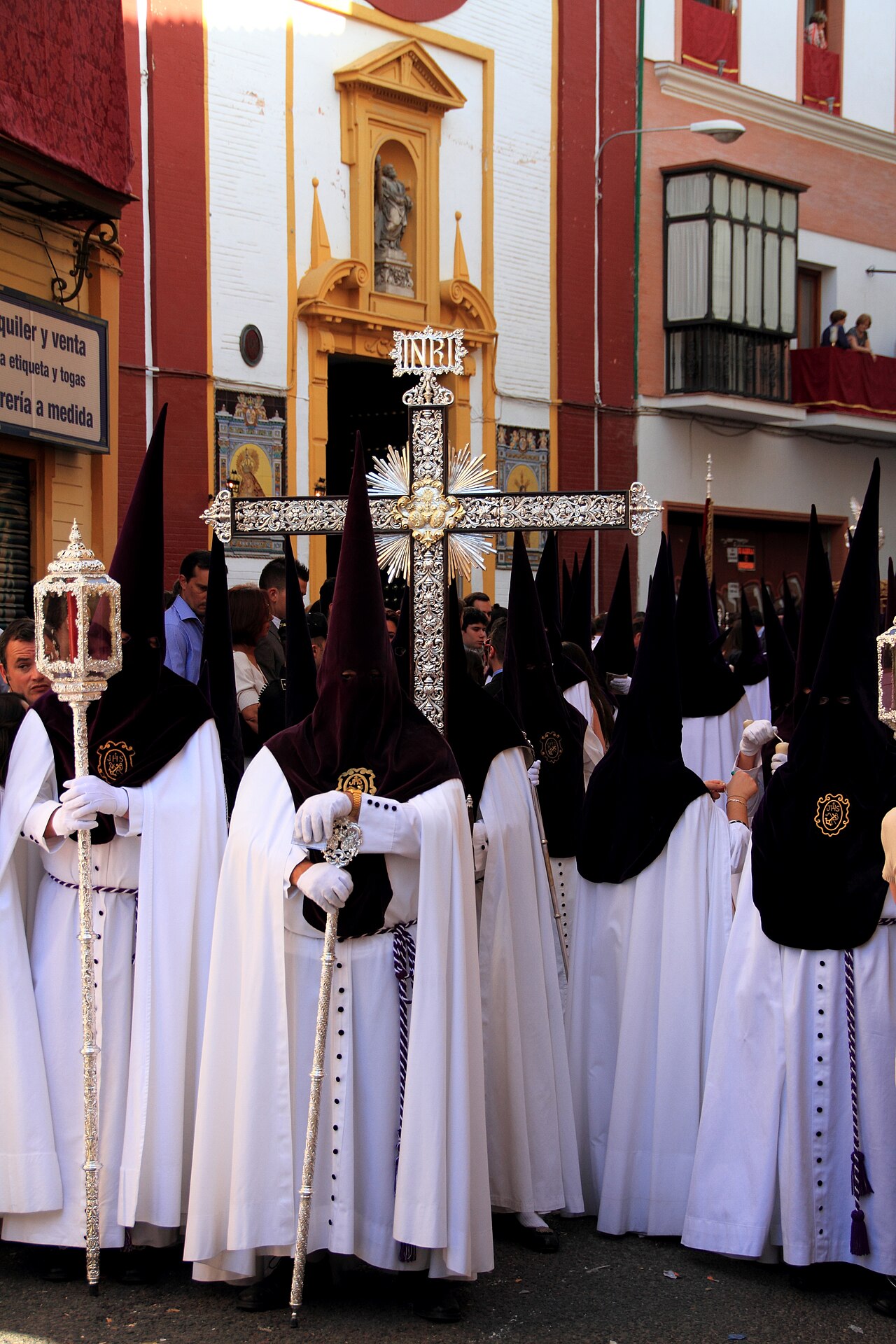
The most striking and, to outsiders, sometimes startling sight is the nazarenos, the penitents, who walk in the processions in long robes and tall, pointed conical hoods that conceal the face. It is important to understand what this is: a centuries-old Catholic tradition of penance, in which the pointed hood, the capirote, allows the penitent to atone anonymously, their face hidden so that only God knows who they are. It has nothing to do with any other group that may have later borrowed the shape; this is a solemn act of religious devotion that long predates such associations.
Walking in silence, often barefoot, sometimes carrying candles or crosses, the hooded nazarenos give the processions their otherworldly, deeply serious atmosphere. In Seville, the most famous Semana Santa of all, the processions run day and night through the week, with the early hours of Good Friday morning, la Madruga, being the most intense and revered of all.
How to experience it well
- It takes place in Holy Week, the week before Easter, in March or April. Seville, Malaga, and many Andalusian cities hold the most famous processions.
- Understand its meaning. This is solemn Catholic worship, not a carnival. The hooded penitents are atoning anonymously, a tradition centuries old.
- Find the route and timings. Each brotherhood has a published schedule. Knowing where and when the processions pass lets you find the best vantage points.
- Watch respectfully and in near-silence during the most solemn moments. Applause and emotion are common, but read the mood of the crowd.
- Book well ahead. Seville during Semana Santa is extremely busy, and accommodation fills months in advance.
The other face of Spain
Most travellers know Spain as a country of sunshine, late dinners, and joyful festivals like La Tomatina. Semana Santa reveals something else entirely: a Spain of deep, dramatic, centuries-old Catholic faith, of art and ritual and collective emotion, of a seriousness and intensity that can move you to tears in the candlelit dark. To witness it is to understand that the same country that throws tomatoes for fun also carries its grief and its faith through the streets on its own shoulders, and that both are essential to who Spain is.
The country that hurls tomatoes in August carries Christ through candlelit streets in spring. To know Spain, you have to see both.
On the OJ Spain trip the depth and contrast of Spanish culture is the whole point, the food, the cities, the festivals high and solemn, the sense of a country that lives its traditions intensely. Because the late nights and the tomato fight show you Spain at its most joyful, but a candlelit Semana Santa procession shows you its soul, and the real Spain is the one that contains both without contradiction.
Frequently asked
When is Semana Santa in Spain?
Semana Santa, Holy Week, is the week leading up to Easter Sunday, falling in March or April depending on the year. Processions take place across Spain, with the most famous and elaborate in Andalusian cities, especially Seville, where they run day and night, peaking in the early hours of Good Friday morning, known as la Madruga.
What are the hooded figures in Semana Santa processions?
They are nazarenos, penitents from religious brotherhoods, wearing long robes and tall pointed hoods called capirotes. The hood conceals the face so the penitent can atone anonymously, a solemn Catholic tradition centuries old. It is an act of religious penance and devotion, entirely unrelated to any later group that borrowed a similar shape.
Where is the best place to see Semana Santa?
Seville hosts the most famous and spectacular Semana Santa, with processions throughout Holy Week and the revered la Madruga in the early hours of Good Friday. Malaga and many other Andalusian cities also hold powerful celebrations. Find each brotherhood's published route and timings, watch respectfully, and book accommodation months in advance.