Safety · Solo Female Travel
Is Annapurna Base Camp Trek (Nepal) Safe for Solo Female Travellers From India?
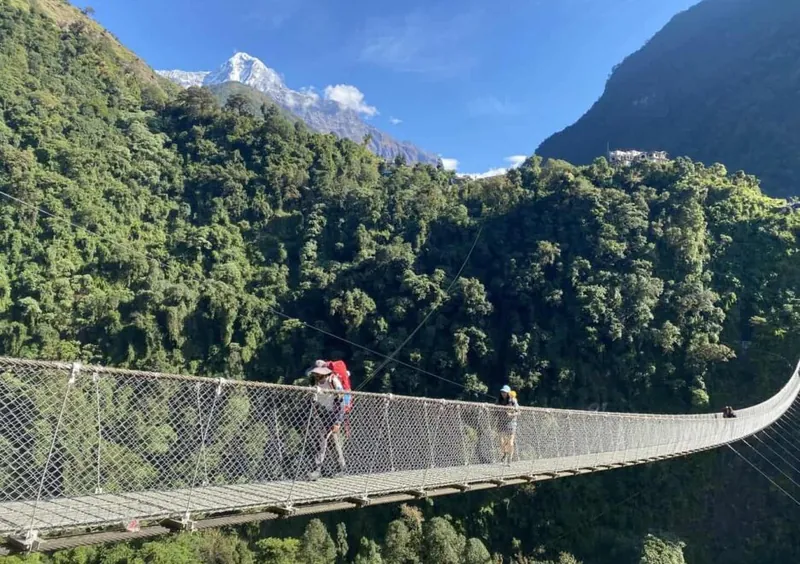
The Annapurna Base Camp trek is one of the safest high-altitude treks in the Himalayas for solo female trekkers. The trail is well-established, tea houses are well-managed family operations, the Annapurna Conservation Area Project provides safety infrastructure, and the local Gurung communities are deeply hospitable. The risks are environmental (altitude, weather) and minor logistical (sanitation, dietary). Not personal-safety.
What makes this safe
- OJ leads 12 trekkers per ABC batch with at least 4 to 5 women per group
- Lead trip coordinator stays on-call 24/7 via WhatsApp (cell coverage exists at most tea houses)
- Two qualified trek leaders per group: one lead, one sweeper, both English-fluent
- Female trek leader available for batches that request it; we run 2 to 3 women-led batches per season
- Twin sharing room default at tea houses; we deliberately avoid solo allocation in remote camps
- OJ partner tea houses pre-booked along the full route
- Mandatory travel insurance with high-altitude evacuation coverage (helicopter from ABC if needed)
Real concerns we hear (and what we do)
Altitude effects at Annapurna Base Camp (4,130 metres)
Acclimatization profile built into the trek (gradual ascent over 6 to 7 days). Trip leader carries pulse oximeter and Diamox. Mandatory health declaration. Mild altitude symptoms are normal; severe symptoms trigger descent protocol. We have helicopter-evacuated 1 trekker in 4 years, full recovery within 24 hours.
Weather changes (sudden rain, snow at upper camps even in October)
Daily weather check at every tea house. Mandatory rain gear plus thermal layers in everyone's pack. Trek leader can adjust pace or take a buffer day. We have aborted 1 ABC summit attempt in 4 years due to weather, the group successfully reached ABC the next morning.
Tea house sanitation and food safety
OJ partner tea houses are pre-vetted for sanitation and food handling. Bottled water mandatory at all tea houses (purified water also available). Vegetarian meals available at every tea house (dal-bhat is the staple). Trip coordinator carries ORS plus antibiotics. Stomach issues are uncommon at OJ tea houses; the cheaper unvetted lodges have higher risk.
Physical safety on steep trail sections (especially the long descent days)
Trekking poles mandatory. Trek leader briefs every difficult section the previous evening. Slow group pace set to slowest member. Mandatory water breaks. The trail is well-maintained but the descent days (especially from Deurali) have steep stone stairs that need care.
Tea house room safety for solo women (lockable, well-lit)
OJ partner tea houses have lockable rooms with reliable locks. Female trekkers in twin-share rooms by default. Common dining areas are well-lit, social, and family-managed. Solo trekker tents are not used on this trek (we use tea house accommodation throughout). Random encounters are essentially impossible.
From women who actually went
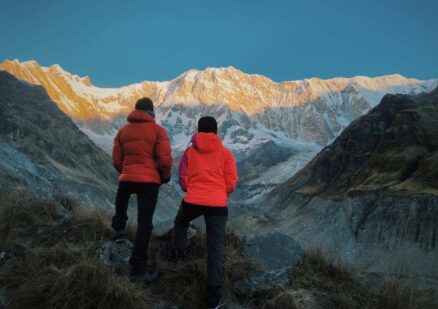
The ABC trek was my first Himalayan experience and the OJ team made it accessible without making it easier. The Gurung trail family at Chhomrong tea house adopted us for the 2 nights we stayed. Sunrise at ABC with Annapurna 1 glowing pink will never leave me. Felt completely safe the entire trek.
Riddhima, Bangalore, October 2024
I am a moderately fit person and was worried about ABC. The OJ pre-trek prep plan got me ready. The trek leaders kept the pace humane. The female sweeper Pemba was extraordinary, calm, knowledgeable. The view from ABC at sunrise was worth every hour of training.
Ananyaa, Mumbai, October 2025
I have done multiple Himalayan treks solo and with operators. ABC with OJ ranked in my top 3. The tea house quality made the difference: warm dal-bhat dinners, lockable rooms, family hospitality. Zero safety concerns the entire 10 days. The Poon Hill sunrise on day 3 was the unexpected highlight.
Khushi, Delhi, October 2025
Frequently asked
Is the Annapurna Base Camp trek safe for solo women?
Yes, one of the safest popular treks globally. The trail is heavily travelled (Nepal sees 50,000 plus ABC trekkers annually). Tea houses are family-run and welcoming. The Annapurna Conservation Area Project provides safety infrastructure. Violent crime against trekkers is essentially zero. The risks are environmental (altitude, weather) not personal-safety.
Can I do the ABC trek solo without a guide?
Doable but not recommended for first-timers. Nepal regulations require either a licensed guide or registered TIMS card for ABC; OJ handles both. Solo trekkers can hire a porter-guide from Pokhara directly which works for experienced trekkers. First-time Himalayan trekkers typically benefit from group structure for navigation, pace, and altitude monitoring.
What if I get altitude sickness at ABC?
Mild symptoms (headache, mild nausea) are common at 4,130m and resolve with rest plus hydration. Moderate symptoms trigger descent protocol: the trip leader walks you down 500m to ABC tea house or further to MBC. Severe altitude sickness is rare on ABC and triggers helicopter evacuation. Travel insurance covers helicopter cost (around INR 4 lakhs).
What about menstrual hygiene on the trek?
Manageable. Tea houses have basic toilet facilities (squat or sit toilet, varies). Pre-trip briefing covers menstrual hygiene kit (menstrual cup recommended for trek, biodegradable disposal kit provided). Female trek leader available for questions. The OJ team is experienced and the briefing makes members feel prepared.
What does the OJ ABC trek include for solo female safety?
Pre-trek prep plan, pre-trip safety briefing video call, female trek leader option, women-only WhatsApp group with the trek leader, twin sharing room policy, pre-booked vetted tea houses, certified medical kit with altitude meds, mandatory evacuation insurance, women-friendly toilet briefing, and post-trek check-in. Trip cost is around INR 78,000 per person, 10 days including flights from Bangalore.